
Best Wood for Sauna: What You Must Consider Before Buying


When we started Eden Hut, one of our earliest and most important decisions was choosing which wood to build with. Not the prettiest wood, not the cheapest, but the wood that would genuinely serve our clients best for decades. We've built hundreds of saunas since then, and we've seen how profoundly wood choice affects everything from durability and maintenance to the daily experience of stepping into your sauna.
This isn't a decision to rush. The wood you choose becomes the foundation of your wellness practice, the material you'll touch with bare skin thousands of times, the structure that must withstand decades of temperature extremes and moisture cycles. Understanding what different wood types actually mean for your sauna helps you make a choice you'll feel good about for years to come.
Let's talk honestly about sauna timber, starting with what we use at Eden Hut and why, then exploring the broader landscape of options available in the UK market.
Our Choice: Why We Build with Scandinavian Spruce and Thermo Wood
At Eden Hut, we work primarily with two materials: Scandinavian spruce as our foundation timber, and thermally modified wood (thermo wood) as our premium upgrade. This combination isn't arbitrary. It reflects years of experience, countless conversations with clients, and careful attention to what actually performs well in Britain's variable climate.
Scandinavian Spruce: The Foundation
Every Eden Hut sauna begins with premium Scandinavian spruce, and there are solid reasons this wood has dominated Nordic sauna construction for generations.
Natural Properties
Scandinavian spruce is naturally resin-free, which matters enormously in a sauna environment. Resinous woods can weep sticky sap when heated, creating uncomfortable contact points and requiring constant cleaning. Spruce eliminates this problem entirely. The wood has excellent thermal properties, meaning it insulates well while remaining comfortable to touch even at high temperatures. Its natural moisture resistance makes it inherently suited to the constant humidity cycles of sauna use.
The wood has a light, creamy color with subtle grain patterns that create an open, airy feeling inside the sauna. This brightness doesn't feel clinical or cold. Rather, it provides a clean canvas that lets the warmth and atmosphere develop naturally without competing visual elements.
Structural Excellence
What really sets Scandinavian spruce apart is its structural integrity. The slow-growing trees from northern climates develop tight, dense grain patterns that resist warping and splitting far better than fast-grown alternatives. When we build with 44mm thick spruce walls, we're creating structures that maintain dimensional stability through years of expansion and contraction.
Cost Considerations
Spruce represents the sweet spot of value and performance. It costs significantly less than premium woods like cedar while delivering comparable or superior performance in many respects. For clients who want excellent quality without premium pricing, spruce provides exactly that balance.
The Honest Limitations
We believe in transparency. Untreated spruce, while excellent, isn't invincible. Without additional treatment, it will gradually weather and gray when exposed to UV light outdoors. It's somewhat more susceptible to rot than naturally decay-resistant woods if moisture management isn't maintained. These aren't dealbreakers, they're simply realities that proper construction and maintenance address.
Thermo Wood: Our Premium Upgrade
Here's where we get genuinely excited. Thermally modified wood, which we offer as an upgrade across our sauna range, represents one of the most significant advancements in sauna construction in the past two decades.
The Thermal Modification Process
Thermo wood undergoes a chemical-free treatment using only heat and steam. The wood is heated to temperatures between 180°C and 220°C in controlled kilns, fundamentally altering its cellular structure. This process removes the natural sugars that fungi and insects feed on, dramatically improving decay resistance. The treatment also reduces the wood's equilibrium moisture content, making it far less responsive to humidity changes.
This isn't surface treatment. The modification penetrates throughout the entire piece of wood, ensuring consistent properties from surface to core.
Dimensional Stability
This is the game-changer. Thermo wood absorbs significantly less moisture than untreated wood, making it far less prone to swelling, shrinking, warping, or cracking. For barrel saunas where dimensional movement can affect band tension and door operation, this stability is invaluable. For all outdoor saunas facing Britain's famously variable weather, it's transformative.
We've seen untreated saunas develop gaps between boards, doors that stick or refuse to close properly, and structural issues from repeated expansion and contraction. Well-maintained thermo wood saunas avoid these problems almost entirely.
Enhanced Durability
The decay resistance of thermo wood approaches or exceeds naturally rot-resistant species like cedar. You're looking at 25+ years of service life with proper basic maintenance, compared to perhaps 10 to 15 years for quality untreated softwood. The wood becomes inhospitable to the organisms that cause rot, mold, and mildew without any chemical treatments that might off-gas in high heat.
Aesthetic Evolution
The thermal process creates a rich, deep color throughout the wood. Depending on treatment intensity, you get warm honey to deep brown tones with beautiful consistency. Unlike cedar which can have dramatic color variation, thermo wood maintains even coloring across all pieces, creating a cohesive, intentional appearance.
The color is permanent and integrated into the wood structure, not a stain that wears away. As the wood ages, it develops character gracefully rather than looking faded or tired.
The Investment
Thermo wood costs more than untreated spruce, typically adding 20% to 30% to the sauna price. That's not insignificant. But when you consider the enhanced lifespan, reduced maintenance, and elimination of many common outdoor sauna problems, the value proposition becomes quite compelling. We've built saunas with both materials, and the thermo wood units consistently outperform in longevity and owner satisfaction.
Why We Recommend It
For outdoor saunas in the UK specifically, we lean heavily toward recommending thermo wood. Britain's climate, wet and variable with significant UV exposure, creates challenging conditions for untreated timber. Thermo wood handles these conditions with remarkable resilience, maintaining both structural integrity and appearance with minimal intervention.
It's not mandatory. Untreated spruce performs well with proper care. But thermo wood transforms maintenance from vigilant to casual, and longevity from hopeful to confident.
Read also: How to Clean a Sauna: Your Complete Maintenance Guide
Understanding the Broader UK Sauna Wood Market
While we've chosen our materials carefully, we believe in helping clients understand the full landscape of options. Here's what you'll encounter when researching sauna wood in the UK market.
Western Red Cedar: The Traditional Premium Choice
Cedar has dominated premium sauna construction, particularly in North America, for generations. It's what many people picture when they imagine a sauna.
Natural Advantages
Cedar is naturally resistant to decay and insects thanks to its aromatic oils. These same oils create that distinctive, pleasant cedar scent when heated. The wood has excellent insulating properties and remains comfortable to touch even at high sauna temperatures. Its natural antimicrobial properties provide additional hygiene benefits.
The characteristic reddish-brown color with varied grain patterns creates rich visual warmth. Many people find cedar aesthetically superior to lighter woods, appreciating the depth and character.
Current Market Reality
We need to be honest about cedar's current situation. Quality has become increasingly inconsistent as old-growth cedar becomes scarce. What was once a uniform, premium product now varies dramatically by source and grade. Clear select-grade cedar commands premium prices, often 30% to 50% more than spruce, while lower grades may not deliver the performance cedar's reputation suggests.
The wood also requires regular maintenance, particularly in outdoor applications. Annual sealing is typically recommended to maintain both appearance and performance. Without it, cedar fades to gray and becomes more susceptible to moisture damage.
Best Applications
Cedar works beautifully for indoor saunas where weather isn't a factor. For outdoor installations, it requires committed maintenance. If you love the aroma and aesthetic and are willing to invest both initially and ongoing, cedar delivers a classic experience. We just want clients to enter with realistic expectations about care requirements and current quality variability.
Canadian Hemlock: The Value Alternative
Hemlock has gained popularity as a more affordable alternative to cedar while still delivering good performance.
Performance Characteristics
Hemlock resists warping and rotting well when properly kiln-dried and maintained. It has low resin content, eliminating the sap problems that plague some softwoods. The wood has low thermal conductivity, meaning it stays comfortable to touch and helps maintain stable temperatures. Its light, uniform color ranging from creamy white to light reddish-brown creates a bright, clean interior atmosphere.
The wood has a subtle, mild aroma, far less pronounced than cedar. Some prefer this neutrality, others miss the aromatic experience cedar provides.
Cost and Value
Hemlock typically costs 20% to 30% less than premium cedar while delivering 80% to 90% of the performance in most respects. For budget-conscious projects, this value proposition is attractive. The wood is widely available in the UK market, making sourcing and pricing competitive.
Practical Considerations
Hemlock isn't quite as decay-resistant as cedar or thermo wood. Outdoor applications require vigilant moisture management and regular treatment. The wood is softer and more prone to denting than denser options, something to consider for high-traffic commercial installations. With proper care, though, hemlock delivers 15 to 20 years of good service.
Nordic Pine: Budget-Friendly Traditional Choice
Pine has deep roots in Finnish sauna tradition and remains widely used, particularly in budget-conscious projects.
Traditional Credentials
Pine has been used in Nordic saunas for centuries. It's locally available throughout Northern Europe, making it historically the economical choice. The wood has a pleasant, mild aroma and light color that brightens sauna interiors.
The Resin Question
Here's where pine becomes complicated. The wood contains significant resin, particularly in knots and certain grain patterns. When heated, this resin can seep out, creating sticky spots that are uncomfortable and difficult to clean. Kiln-dried pine mitigates this somewhat, but doesn't eliminate the issue entirely.
The knots themselves can weaken structural integrity and are often areas where problems develop first. Clear-grade pine (minimal knots) addresses this but costs significantly more, eroding the price advantage.
Performance Reality
Pine is the least durable of common sauna woods. Without thermal treatment, it has minimal natural decay resistance. In outdoor applications, expect to replace or extensively repair pine saunas within 10 to 15 years even with good maintenance. The wood is prone to warping and twisting as it dries and ages.
Where It Makes Sense
For indoor saunas on tight budgets, clear-grade kiln-dried pine can work adequately. For outdoor applications, we genuinely recommend investing in more durable alternatives. The initial savings rarely justify the accelerated replacement timeline and maintenance headaches.
Aspen: The Hypoallergenic Option
Aspen deserves special mention for its unique properties, particularly beneficial for certain users.
Hypoallergenic Excellence
Aspen is naturally hypoallergenic, making it ideal for people with sensitivities to aromatic woods. It produces minimal odor when heated, keeping the atmosphere neutral. The wood has very low resin content and is naturally splinter-resistant.
Heat Performance
Aspen has remarkably low heat conductivity. It remains comfortable to touch even at extreme sauna temperatures, making it particularly well-suited for benches and backrests where skin contact is direct and prolonged. This is why many premium saunas use aspen specifically for seating surfaces while using other woods for walls.
Aesthetic and Practical Considerations
Aspen is very light in color, almost white, creating an exceptionally bright interior. Some love this clean, modern aesthetic. Others find it too stark or clinical compared to warmer-toned woods.
The wood is relatively soft and prone to denting and surface damage. It's not particularly decay-resistant without treatment. For outdoor structural use, aspen isn't ideal. For interior elements, especially benches, it's excellent.
Thermally Modified Aspen
When thermally treated, aspen transforms into genuinely premium sauna material. The treatment adds the decay resistance and dimensional stability that natural aspen lacks while preserving its low heat conductivity and hypoallergenic properties. Many high-end European sauna manufacturers use thermo-aspen exclusively for benches, and we understand why. The combination of comfort and durability is hard to beat.
Alder: European Comfort Wood
Alder appears less frequently in UK sauna construction but offers interesting properties worth understanding.
Natural Characteristics
Alder grows naturally in damp conditions, giving it inherent moisture tolerance. The wood has natural water-repellent properties that serve well in humid sauna environments. It's naturally resistant to rot when kept either very wet or very dry, the extremes of sauna conditions.
The wood has a pleasant, mild scent when heated and comfortable thermal properties that don't get excessively hot to touch. Its reddish-brown color provides warmth without cedar's intensity.
Practical Application
Alder works well for interior sauna elements, benches, and backrests. Its moisture tolerance makes it forgiving of less-than-perfect ventilation. The wood is moderately priced, falling between pine and cedar.
Availability in the UK can be limited compared to more common options. It's worth considering if you find a good source, but not worth extraordinary effort to locate.
Eucalyptus: The Aromatic Alternative
Eucalyptus appears occasionally in premium sauna construction and brings distinct characteristics.
Distinctive Properties
Eucalyptus has remarkable density and hardness, creating exceptionally durable surfaces. The wood has natural oils that resist moisture, decay, and insects. When heated, it releases a distinctive, medicinal aroma that many find invigorating and beneficial for respiratory health.
The wood develops a rich, warm patina over time, darkening to beautiful tones.
Practical Limitations
Eucalyptus is significantly denser than traditional sauna woods, making it harder to work with and more expensive to process. The intense aroma, while therapeutic for some, can be overwhelming for others. Availability in the UK for sauna applications is limited and pricing reflects that scarcity.
If you love eucalyptus specifically and can source it reasonably, it creates a distinctive, high-performance sauna. For most applications, though, more readily available options deliver better value.
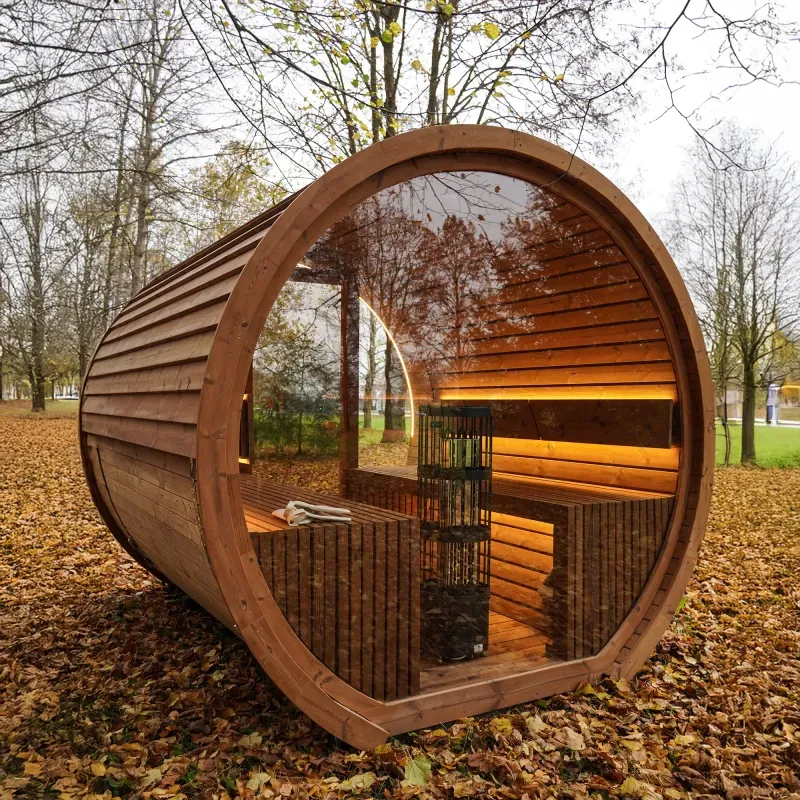
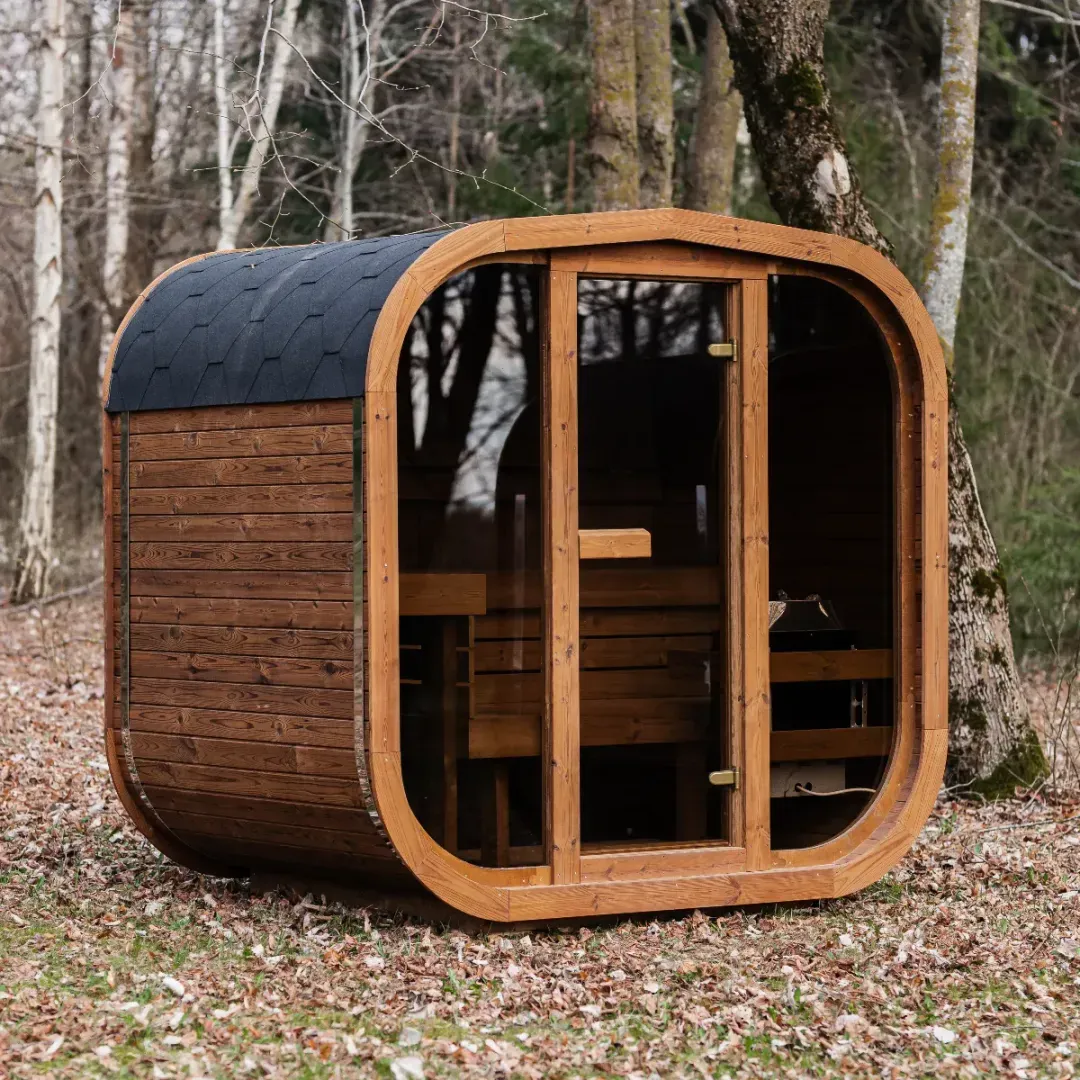
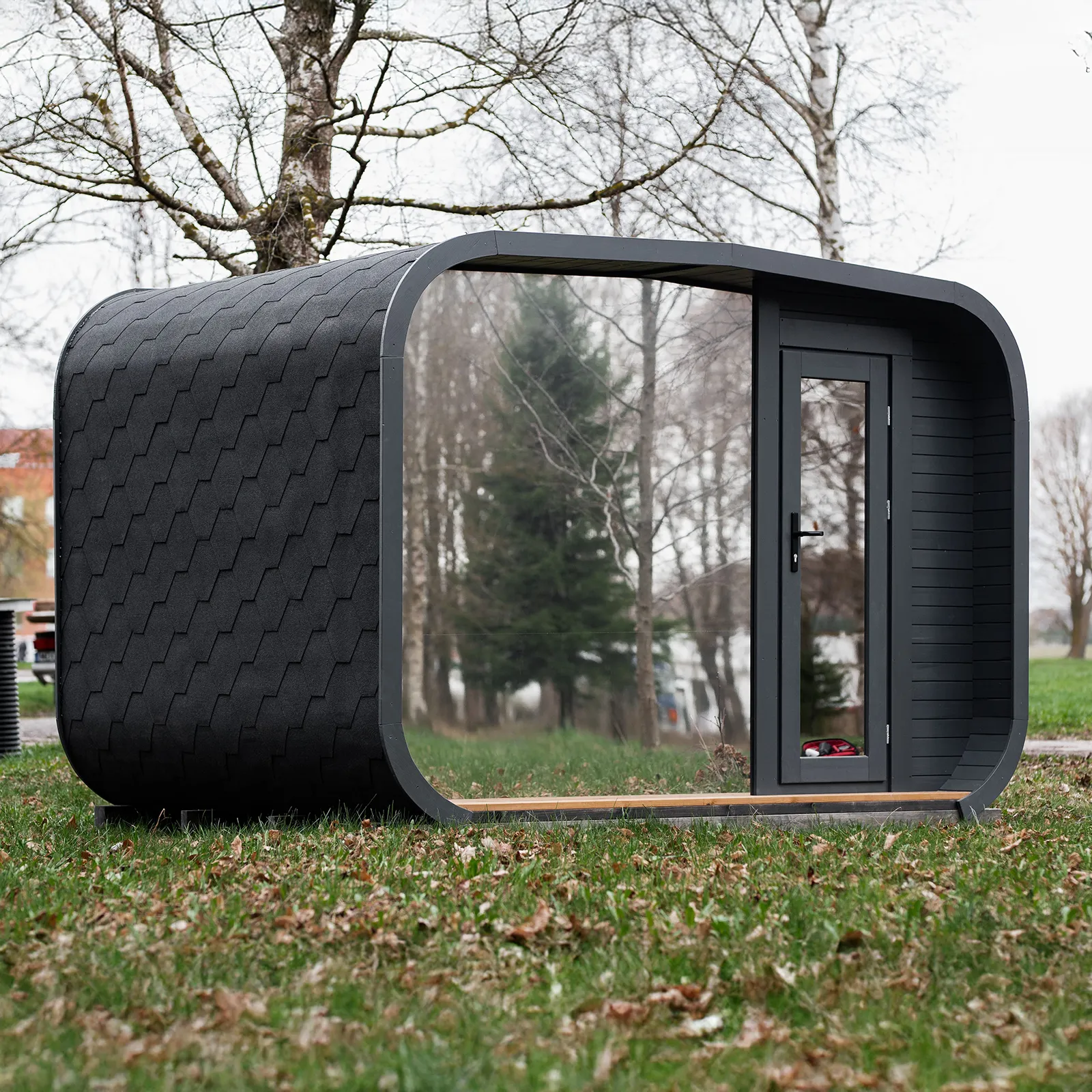
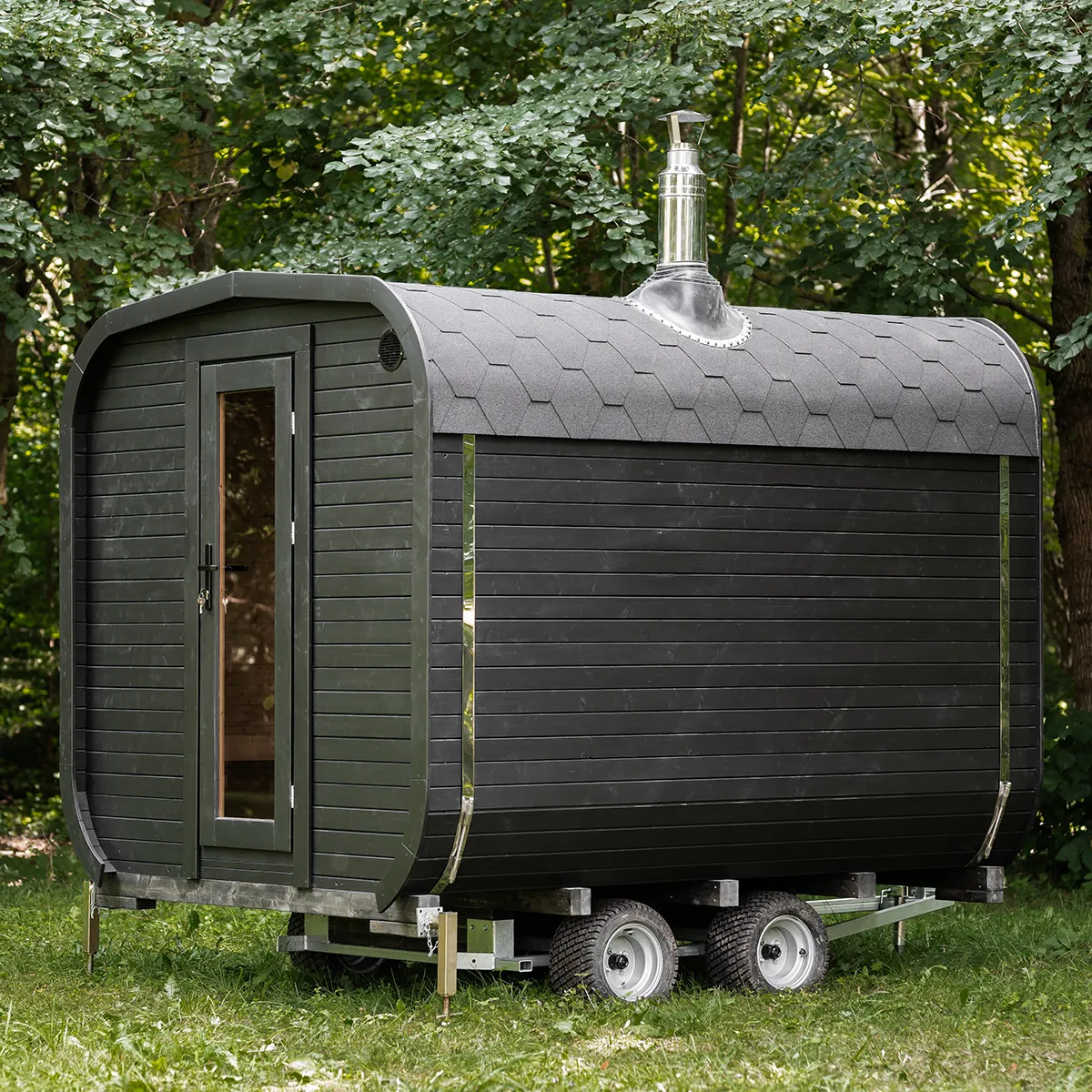
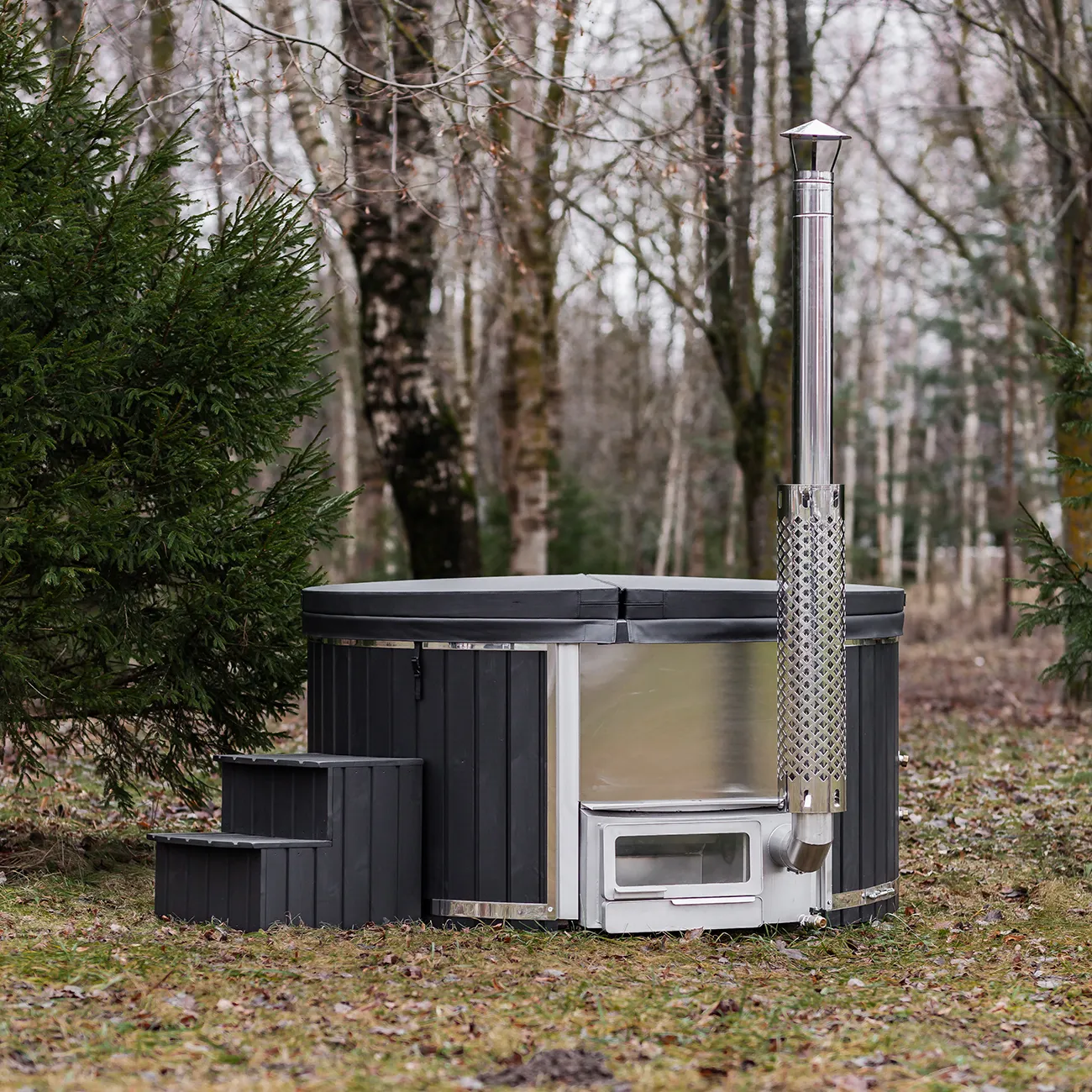
Take a look at our barrel sauna collection, crafted from top quality wood
How Wood Choice Affects Your Sauna Cost
Understanding the financial implications of different wood choices helps you budget appropriately and make informed decisions.
Base Material Costs
Budget Tier (£3,000 to £5,000 for complete sauna):
- Untreated spruce or pine
- Basic construction and minimal customization
- Suitable for indoor or well-protected outdoor installations
- Expected lifespan: 10 to 15 years with maintenance
Mid-Range (£5,000 to £8,000):
- Quality spruce, hemlock, or lower-grade cedar
- Standard construction with some customization
- Good for most applications with proper care
- Expected lifespan: 15 to 20 years
Premium (£8,000 to £12,000+):
- Thermo wood, premium cedar, or specialty woods
- High-quality construction and extensive customization
- Excellent for any application, minimal maintenance
- Expected lifespan: 25 to 30+ years
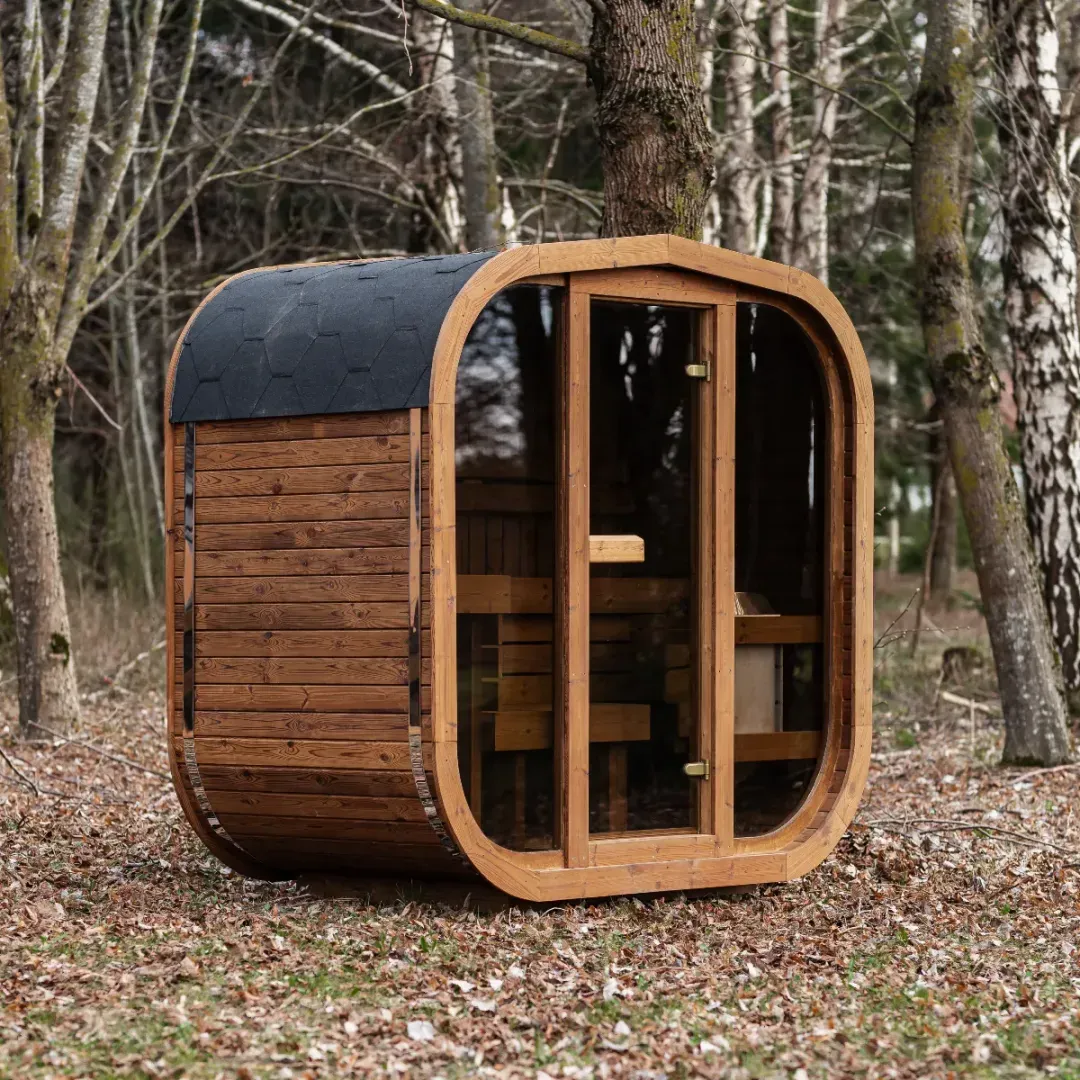
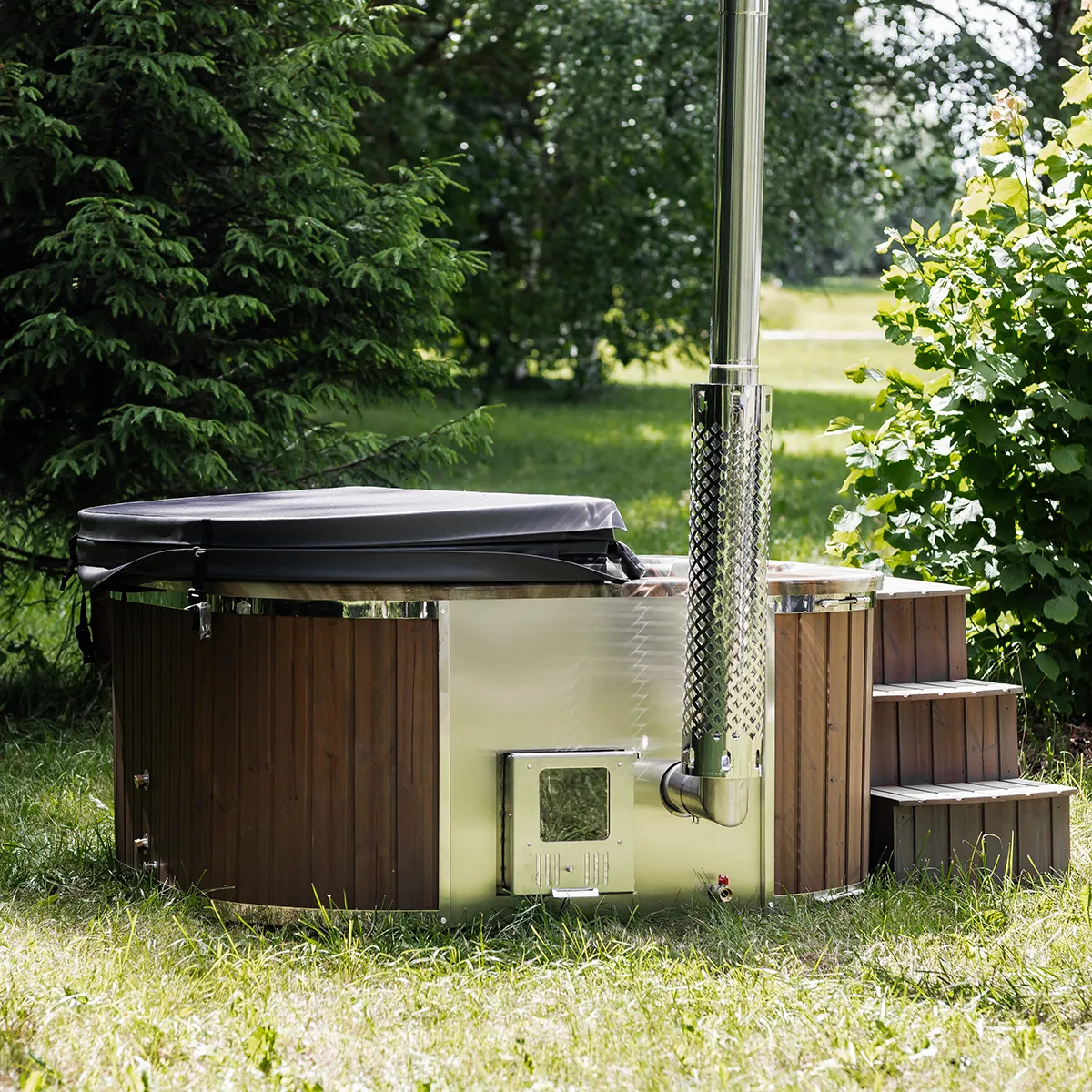
Meet Solara, our the best thermo wood barrel sauna.
Long-Term Value Considerations
Initial price tells only part of the story. Consider maintenance costs over the sauna's lifetime:
Untreated Softwoods:
- Annual exterior treatment: £100 to £200
- More frequent repairs: £200 to £500 every few years
- Earlier replacement: 10 to 15 year lifecycle
- Total 15-year cost: £8,000 to £12,000 (initial + maintenance + replacement)
Thermo Wood:
- Minimal treatment needed: £50 to £100 every few years
- Rare repairs: £100 to £200 over lifecycle
- Extended lifespan: 25 to 30+ years
- Total 30-year cost: £9,000 to £11,000 (initial + minimal maintenance, no replacement)
The premium option often costs less over its full lifecycle while delivering superior performance and less hassle throughout.
Read also: How Much Does It Cost to Run a Sauna
Hidden Cost Factors
Installation Complexity: Some woods require more skilled installation, increasing labor costs. Thermo wood's dimensional stability actually reduces installation time and waste, potentially offsetting material cost.
Maintenance Time: Your time has value. Woods requiring annual treatments, frequent cleaning of resin, or regular inspection and repair create ongoing time commitments that aren't reflected in direct costs.
Replacement Timing: Cheaper materials often need replacement when you're not ready for the expense. Premium materials typically outlast their initial purchase context, becoming long-term assets that may even transfer to future property owners.
Wood Choice and Sauna Aesthetics
The wood you choose fundamentally shapes your sauna's visual character and the atmosphere it creates.
Color and Light
Light Woods (Spruce, Aspen, Hemlock): Create bright, airy interiors that feel spacious and clean. Excellent for smaller saunas where you want to maximize the sense of space. The light tones provide a modern, Scandinavian aesthetic. These woods show less dirt and wear visually, maintaining a fresh appearance longer.
Medium Woods (Cedar, Thermo Wood, Alder): Deliver warmth without darkness. These tones create cozy, inviting spaces that feel traditional yet not heavy. The color variation adds visual interest and character. This middle ground appeals to the broadest range of aesthetic preferences.
Dark Woods (Heavily Modified Thermo, Some Eucalyptus): Create intimate, cocoon-like spaces. The rich tones add luxury and drama. These work best in larger saunas with good lighting, as they can make small spaces feel enclosed. The dramatic aesthetic makes a strong design statement.
Grain and Pattern
Uniform Grain (Hemlock, Spruce, Thermo Wood): Creates calm, cohesive visual flow. The consistency feels intentional and designed rather than rustic or natural. This aesthetic pairs well with contemporary architecture and clean design sensibilities.
Varied Grain (Cedar, Pine with knots): Adds character and visual texture. Each piece is unique, creating organic, natural-feeling spaces. This approach suits rustic, traditional, or eclectic design contexts. The variation can either enhance or distract depending on execution and personal preference.
Finishing and Treatment
Natural Finish: Preserves the wood's authentic character and allows maximum breathability. This is the traditional approach and what we use at Eden Hut. The wood develops natural patina over time, aging gracefully rather than fighting its nature.
Oil Treatment: Enhances color depth and provides some additional moisture protection. Paraffin oil or specialized sauna oils deepen the wood tone slightly while maintaining natural appearance. This optional treatment adds richness without sealing the wood.
Exterior Staining (Outdoor Only): For outdoor saunas, UV-protective stains maintain color and add weather resistance. This is practical maintenance rather than aesthetic choice, though color selection does affect appearance. We recommend stains specifically formulated for outdoor sauna use.
Matching Wood to Your Specific Situation
The "best" wood depends entirely on your particular circumstances, priorities, and context.
For Indoor Saunas
Indoor installations face far less demanding conditions. Untreated spruce, hemlock, or even pine can perform very well. The controlled environment eliminates most weather-related concerns. Focus on comfort properties, aesthetics, and budget rather than maximum durability. Aspen benches combined with spruce or hemlock walls create comfortable, attractive, economical spaces.
For Outdoor Saunas in UK Climate
Britain's weather creates genuine challenges: frequent rain, moderate to high humidity, significant UV exposure, and temperature fluctuations. Thermo wood shines in these conditions. Its dimensional stability and decay resistance directly address the UK's specific challenges. If budget constrains, quality untreated spruce works with committed maintenance, but thermo wood eliminates uncertainty and dramatically reduces maintenance burden.
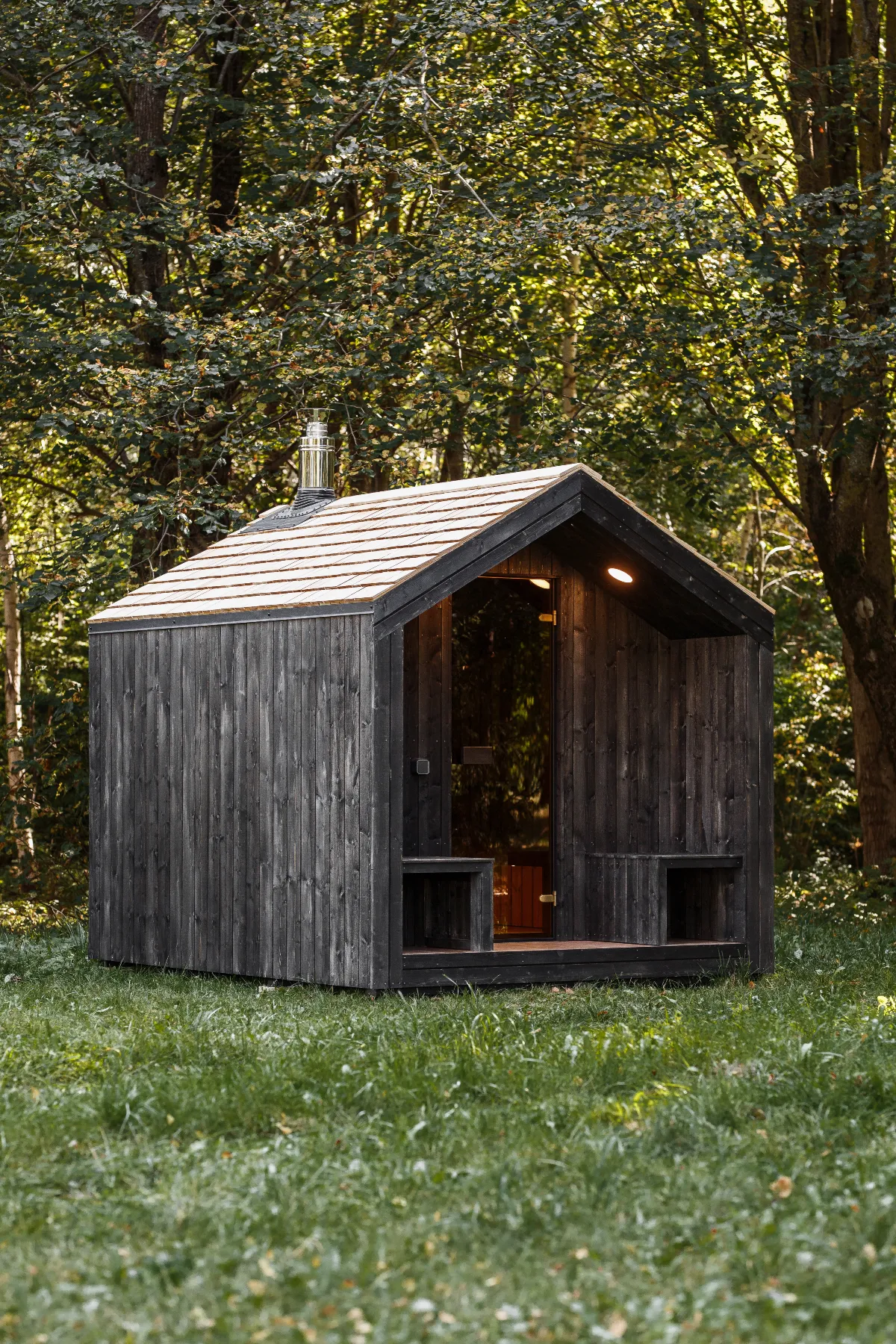
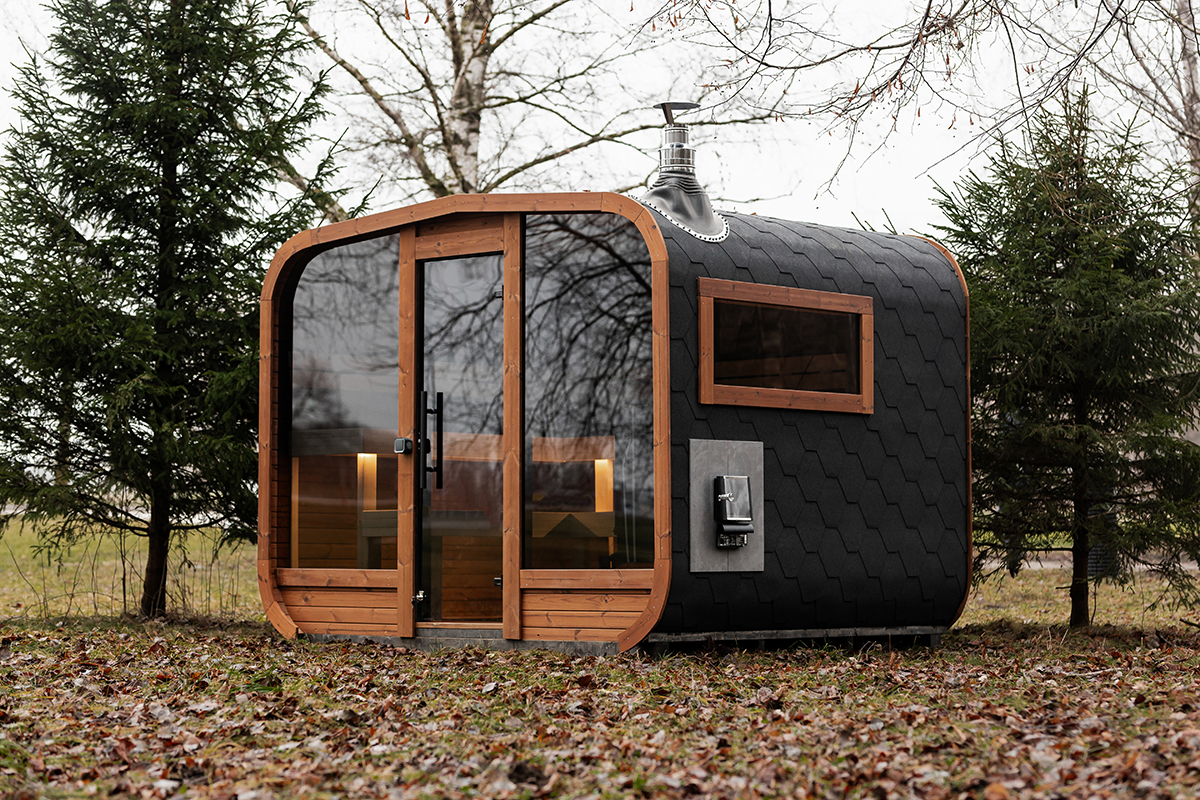
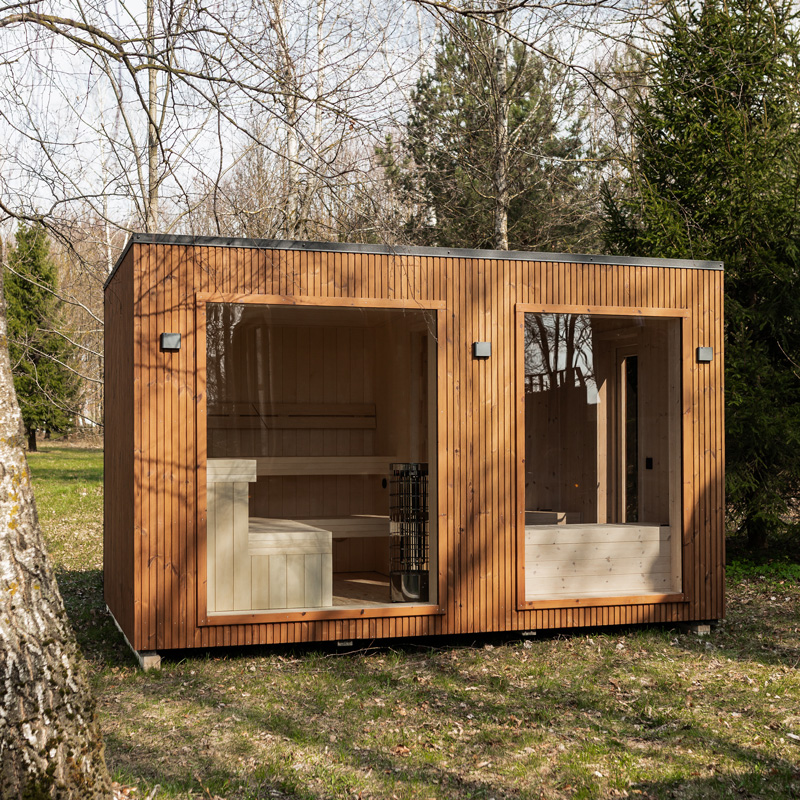
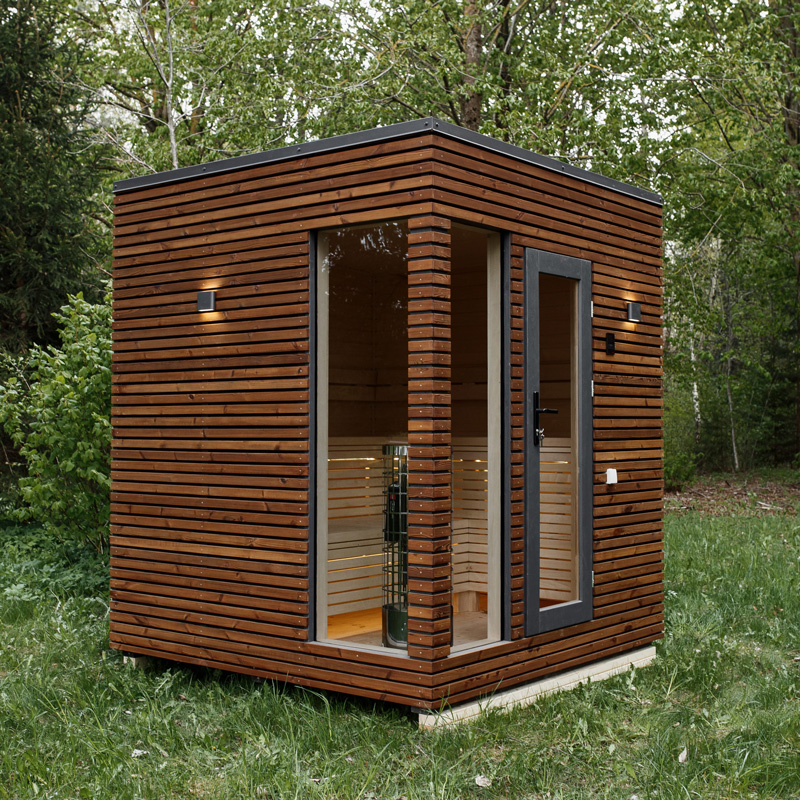
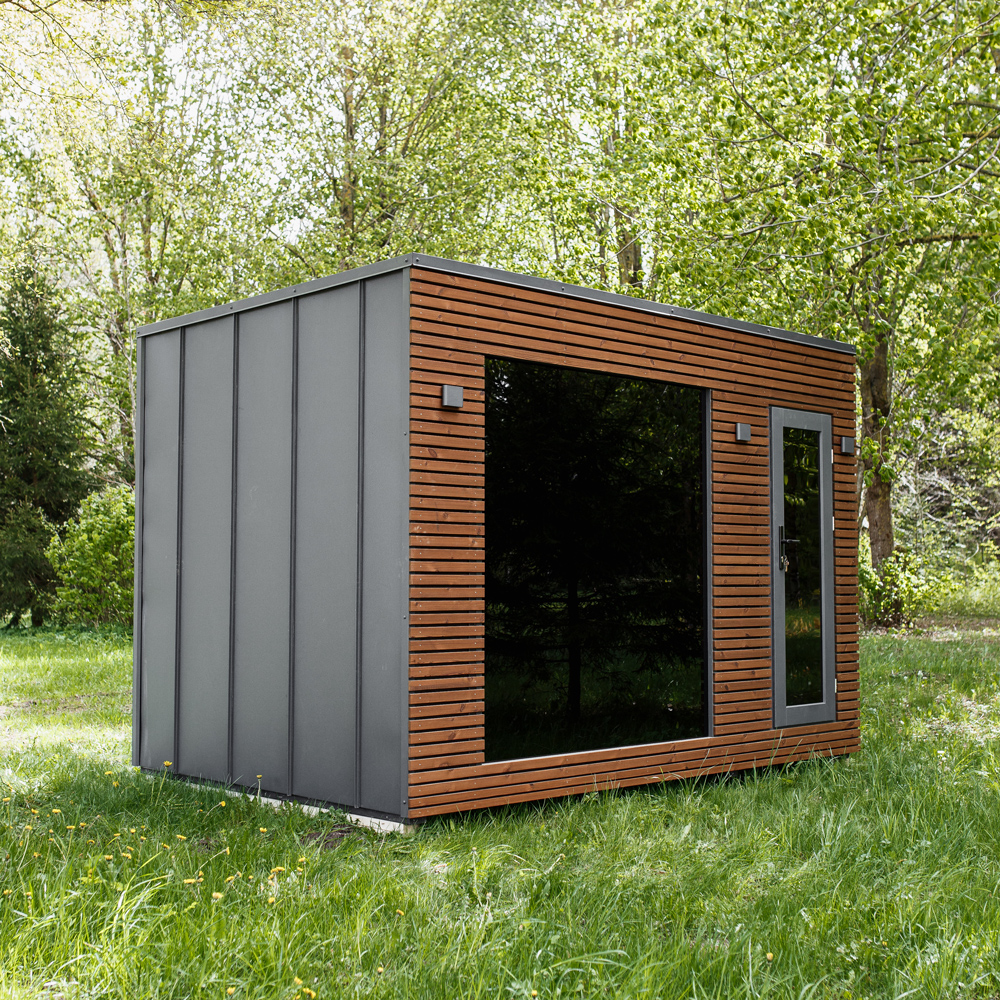
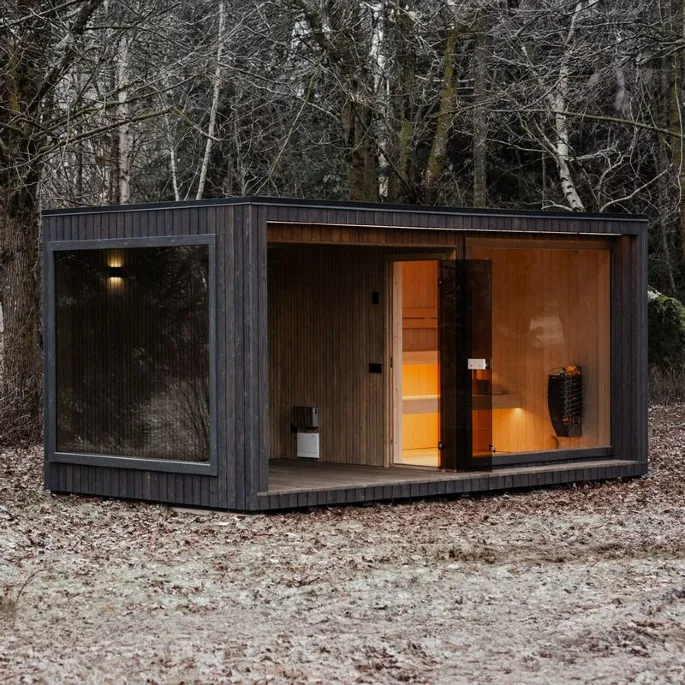
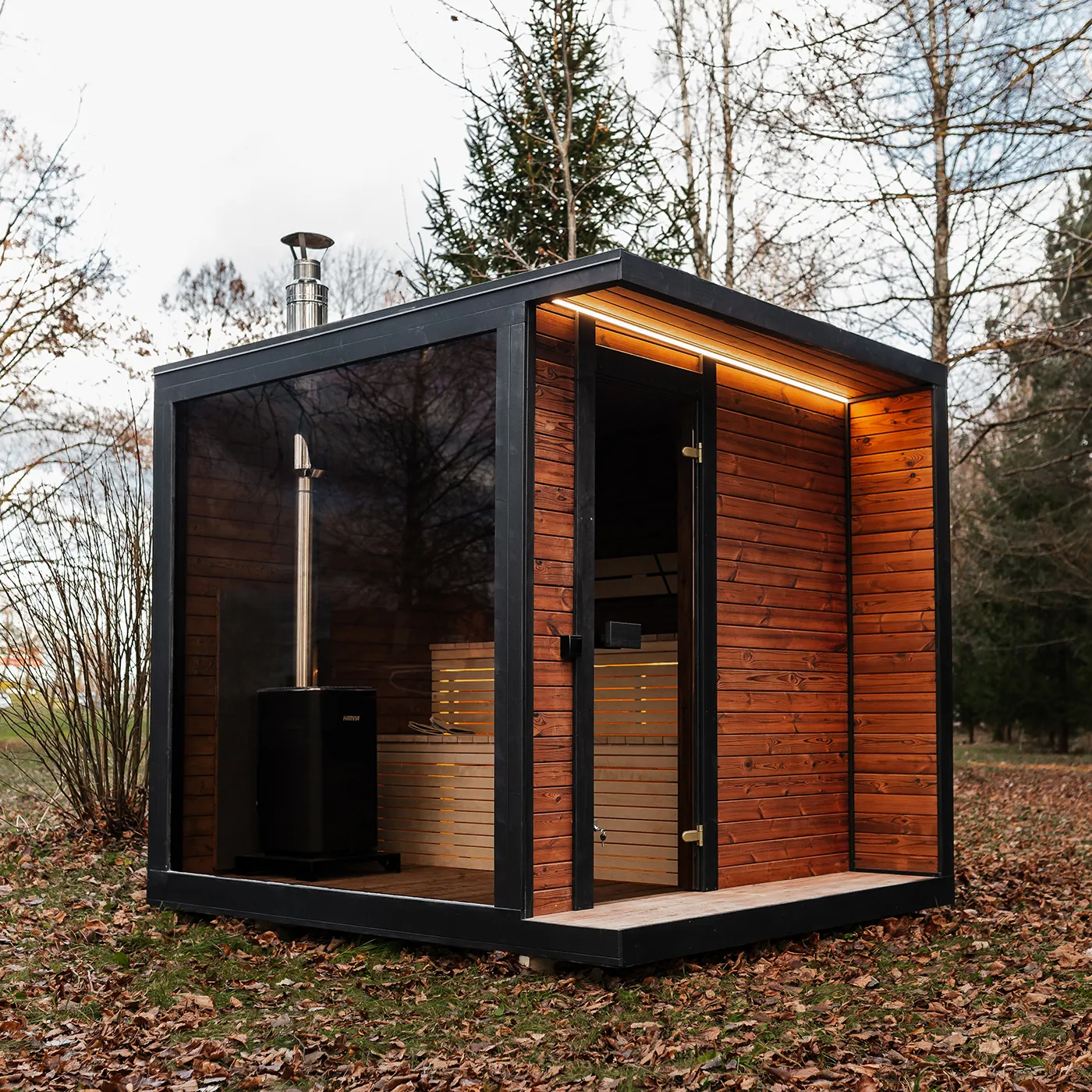
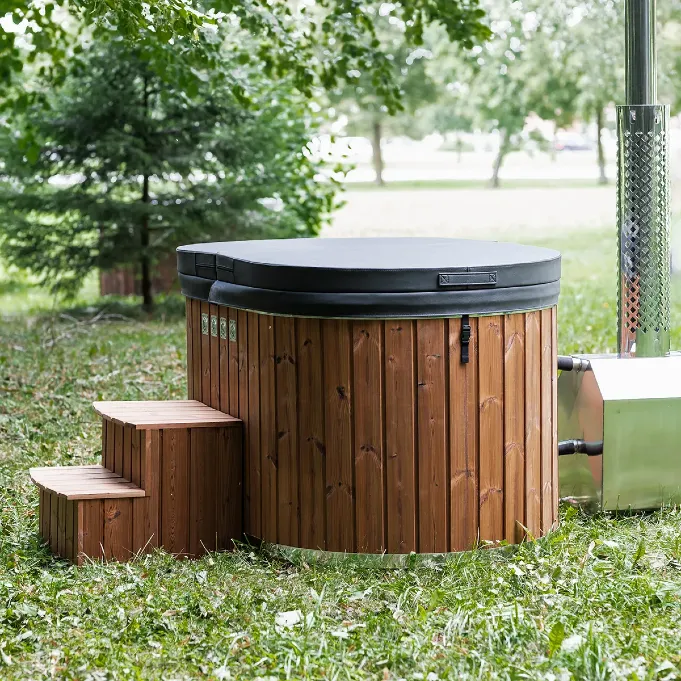
Take a look at our full range of outdoor saunas
For Commercial or High-Traffic Use
Durability becomes paramount. The sauna must withstand heavy use, varying user care levels, and potential abuse. Thermo wood or premium cedar deliver the resilience commercial applications demand. Softer woods like pine or aspen won't hold up to intensive use. The higher initial investment pays back quickly through reduced maintenance, longer replacement intervals, and fewer operational disruptions.
For Budget-Conscious Projects
If budget is the primary constraint, untreated spruce provides the best value. It delivers good performance at accessible pricing. Just enter with realistic expectations about maintenance requirements and lifecycle. Alternatively, consider a smaller sauna in premium materials rather than a larger unit in cheaper wood. The better materials create superior experience and longevity in any size.
For Allergy or Sensitivity Concerns
Aspen becomes the obvious choice. Its hypoallergenic properties eliminate concerns about aromatic wood sensitivities. Combined with its excellent heat properties, aspen creates comfortable spaces for users who struggle with cedar, pine, or other aromatic woods. Thermally modified aspen adds durability while preserving the hypoallergenic benefits.
Our Perspective: Why We Stick with Our Choices
After building hundreds of saunas, we've seen what works and what creates problems. We've had countless conversations with clients years into ownership, learning what they wish they'd known earlier and what they're grateful they chose.
This experience shapes our conviction about Scandinavian spruce and thermo wood. These aren't the only good options. Cedar has genuine appeal. Hemlock delivers real value. But for the balance of performance, cost, maintenance, longevity, and suitability to UK conditions, spruce and thermo wood consistently deliver the highest client satisfaction.
We're not dogmatic about it. If you have specific needs or preferences that point toward different materials, we support that choice. We just want you to make it with full understanding of the tradeoffs involved.
The wood you choose becomes part of your daily wellness practice. It's the surface you'll touch thousands of times, the structure you'll trust for decades. That decision deserves careful thought based on honest information rather than marketing claims or assumptions.
Final Guidance: Making Your Decision
As you consider your options, focus on these practical questions:
Where will the sauna be located? Indoor saunas open up more economical options. Outdoor installations in the UK benefit enormously from decay-resistant materials.
What's your realistic maintenance commitment? If you'll genuinely maintain annual treatments and regular inspections, untreated woods can work well. If you want minimal intervention, invest in materials that don't demand it.
What's your actual budget including lifecycle costs? Consider not just initial price but expected maintenance, repairs, and replacement timeline. Sometimes "expensive" materials cost less over their full life.
What aesthetic truly appeals to you? You'll see this wood daily for years or decades. Choose something you'll continue enjoying rather than something trendy or conventionally "correct."
How long do you plan to own the property? If this is a forever home, invest in materials that will serve that timeline. If you might move in 5 to 10 years, shorter-lifecycle materials might make more sense.
If you'd like to discuss your specific situation or see examples of different wood options in person, we're always happy to talk through the details. Good decisions come from good understanding, and we'rthermoe committed to providing that clarity to everyone we work with.


.avif)


%201%20(1).avif)

.webp)
.webp)
.webp)
.webp)
.webp)
.webp)










.webp)


.webp)
%20(2).jpg)
.webp)
.webp)










.svg)

.png)