
Cold Plunge Before Bed: Does It Help or Hurt Sleep?


Cold plunging has gone from a fringe practice to a mainstream wellness habit, and one of the most common questions people ask is about timing. Specifically, is a cold plunge before bed a clever way to wind down and sleep better, or is it the worst possible thing to do an hour before you want to be unconscious? The honest answer is that it can be either, and the difference comes down almost entirely to how and when you do it.
We've spent years working with heat and cold therapy, and this is a topic where the popular advice gets oversimplified in both directions. Some people swear an evening plunge knocks them out cold. Others find themselves wired and staring at the ceiling at midnight. Both experiences are real, and science explains why.
Let's walk through what actually happens in your body, what the research supports, and how to time things so cold water works for your sleep rather than against it.
The Core Tension: Cooling vs Alertness
Here's the thing that makes this topic genuinely interesting. A cold plunge does two opposing things to your body at the same time, and they pull your sleep in different directions.
On one side, cold exposure helps lower your core body temperature, which is one of the strongest natural signals your body uses to fall asleep. On the other side, plunging into cold water triggers a sharp spike in alertness driven by your sympathetic nervous system, which is the opposite of what you want when you're trying to drift off.
The deciding factor for a cold bath before sleep is which of these two effects is dominant by the time your head hits the pillow. Get the timing right and the cooling effect wins. Get it wrong and the alertness effect keeps you awake. Understanding both is the key to using this properly.
Why Cold Water Can Help You Sleep
Let's start with the case in favour, because it's grounded in solid physiology.
Your body naturally lowers its core temperature in the evening as part of your circadian rhythm, and this drop is one of the main triggers for sleep. Research published in the National Institutes of Health database confirms that sleep onset and a reduction in core body temperature occur together, and that we're most likely to fall asleep when our core temperature is in its steepest rate of decline. In other words, cooling down isn't just something that happens as you get sleepy. It's part of what makes you sleepy in the first place.
A cold plunge taps into this directly. When you immerse yourself in cold water, your blood vessels constrict and your body works to manage the temperature change. After you get out and rewarm naturally, you experience a rebound drop in core temperature. Timed well, this rebound cooling can coincide with bedtime and reinforce your body's natural wind-down signal.
There's also a stress and recovery angle. A systematic review and meta-analysis of cold-water immersion published in the NIH database found that participants reported reduced stress and improvements in sleep-related outcomes following cold-water immersion, though the researchers were careful to note that more high-quality studies are needed. Cold exposure can shift your nervous system toward its calmer, rest-and-recover state once the initial shock passes, and for people whose racing minds keep them awake, that quieting effect can be genuinely useful.
If cold therapy is already part of your routine, you'll know that the calm that settles in afterwards is part of what makes it appealing. If you're new to the practice entirely, our guide on what a cold plunge pool actually is walks through the fundamentals before you build it into your evenings.
Why Cold Water Can Hurt Your Sleep
Now the other side, which gets talked about far less than it should.
The immediate response to cold water immersion is a burst of sympathetic nervous system activity. Studies have measured this directly, and the effect is substantial. Research has shown that just a couple of minutes of cold-water immersion can increase plasma norepinephrine, a stimulating stress hormone, dramatically above baseline levels. Norepinephrine is part of what makes you feel alert, focused, and energised after a plunge. It's also exactly the wrong chemical to have surging through your system when you're trying to fall asleep.
This is why so many people report feeling wired after an evening plunge. That post-plunge buzz, the alert and slightly euphoric feeling, is your body in a heightened state of arousal. For the first 30 to 60 minutes after cold exposure, most people feel more awake, not less. If you climb straight into bed during that window, you're likely to lie there frustrated.
So when people ask "does cold water help you sleep," the missing piece is almost always timing. The cooling benefit and the alertness drawback don't happen simultaneously. The alertness comes first, then fades, and the cooling rebound follows. Plunge too close to bed and you only get the alertness.
So, Should You Cold Plunge Before Bed?
Here's our honest take. Should you cold plunge before bed? Yes, it can absolutely support better sleep, but not immediately before bed. The sweet spot is roughly one to three hours before you want to sleep, which gives the initial alertness spike time to fade while letting the rebound cooling effect line up with bedtime.
Plunging five minutes before you lie down is asking for trouble. Plunging a couple of hours before, then using that naturally alert window for light, calming activities, then heading to bed as your body cools, is where the magic happens.
Individual variation matters too. Some experienced cold plungers have nervous systems that settle quickly and can plunge closer to bed without issue. Others are sensitive to the stimulation and need the full buffer. If you're just starting out, give yourself the longer window and adjust from there based on how you actually sleep.
How to Time a Cold Plunge for Better Sleep
If you want to use an ice bath before bed to improve your sleep rather than wreck it, here's how we'd approach it.
Plunge one to three hours before bedtime. This is the single most important factor. It gives the alertness spike time to subside and lets the rebound cooling coincide with sleep onset.
Keep it brief. Two to three minutes is plenty. You don't need long exposure to trigger the temperature and nervous system responses. Longer sessions increase the stimulation without adding sleep benefit.
Use cool, not extreme, temperatures. Something in the region of 10 to 15°C is effective for most people. You don't need dangerously cold water to get the effect.
Let your body rewarm naturally. Resist the urge to jump straight into a hot shower afterwards. The natural rewarming process is what produces the rebound core temperature drop you want for sleep. A hot shower short-circuits it.
Use the alert window wisely. For the first half hour to hour after plunging, you'll feel energised. Don't fight it and don't try to sleep through it. Use it for light, low-stimulation tasks like reading, stretching, or preparing for the next day.
Keep your bedroom cool. All of this effort to lower your core temperature is undone if you then climb into an overheated room or a mattress that traps heat. A cool sleeping environment lets the temperature drop you've created actually do its job.
Be consistent and track your response. Sleep is individual. Give any new routine a week or two, pay attention to how you actually sleep, and adjust the timing until you find your personal sweet spot.
.jpg)
When to Skip the Evening Plunge
A few situations where an evening cold plunge isn't the right call.
If you have any cardiovascular condition, cold water immersion places real stress on your heart and circulation, and the timing question becomes secondary to the safety one. Speak to your doctor first. If you find that cold plunging reliably leaves you wired no matter how early you do it, your nervous system may simply respond strongly to the stimulation, in which case a morning plunge will serve you far better. And if you're unwell, exhausted, or already struggling with your body's regulation, adding cold stress before bed is unlikely to help.
There's also no rule that says cold therapy has to happen at night to be worthwhile. Many people get the recovery and mood benefits from a morning or afternoon plunge and protect their evenings for winding down. Cold exposure is valuable at any time of day. Bedtime is just one option, not a requirement.
The Bottom Line
A cold plunge before bed can help you sleep, but only if you respect the timing. Cold water lowers your core temperature, which supports sleep, while also spiking alertness, which fights it. The trick is letting the first effect fade and the second one arrive at the right moment, which means plunging one to three hours before bed rather than right before you lie down.
Done thoughtlessly, an evening plunge will leave you wired and frustrated. Done with attention to timing, brief exposure, natural rewarming, and a cool bedroom, it can become a genuinely useful part of a wind-down routine. As with most things in wellness, the practice itself matters less than how you apply it.
Curious to Learn More?
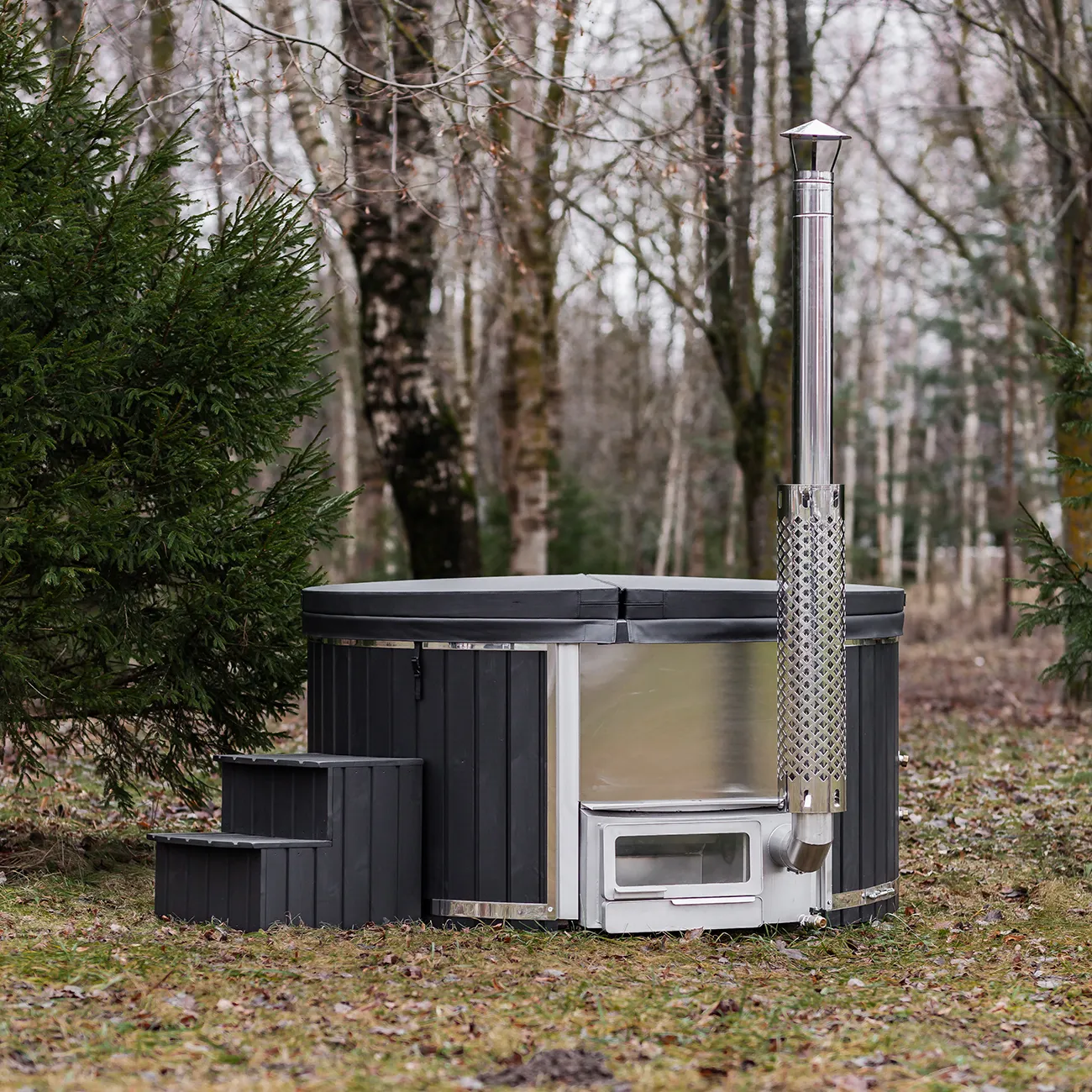
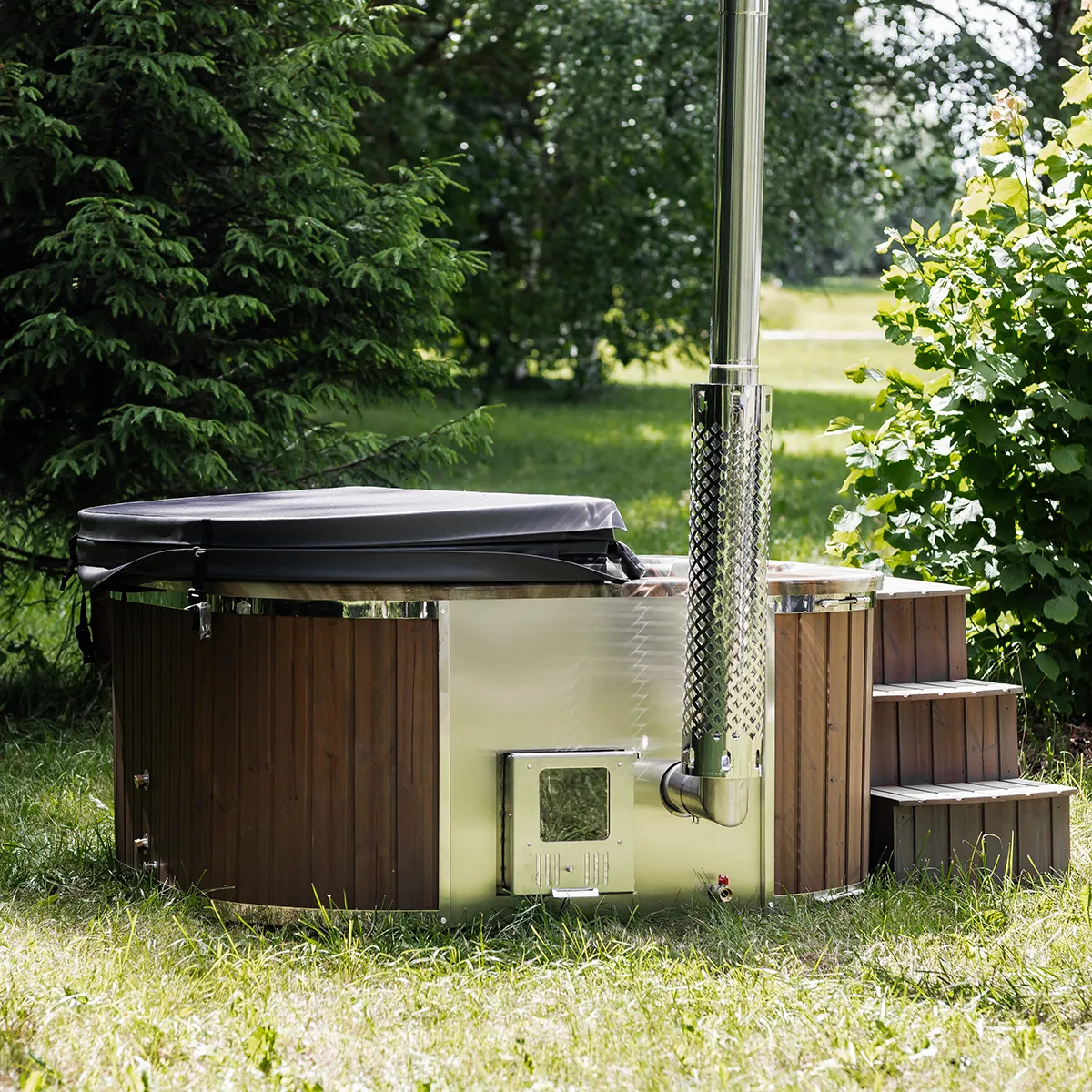
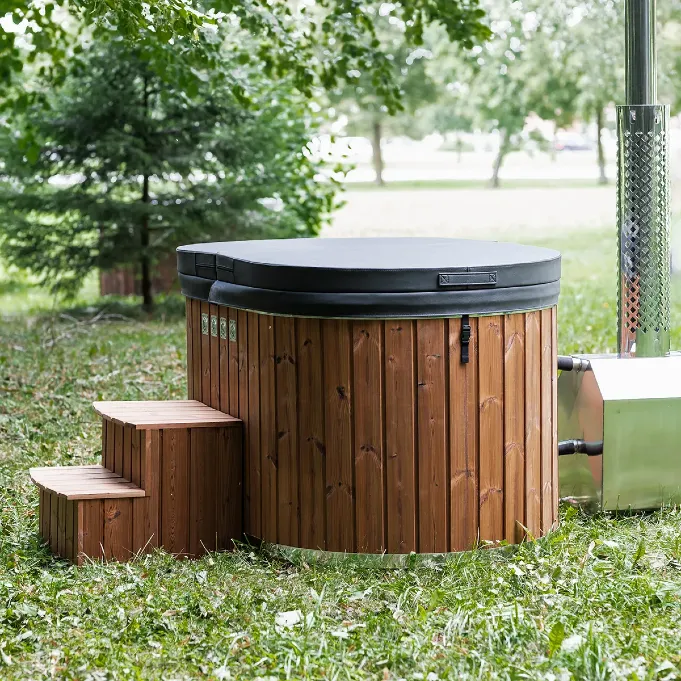
If this has you interested in cold therapy and how to fold it into your routine the right way, you can browse our cold plunge tubs to see what setting one up at home actually looks like. And if you've got questions about cold plunges, saunas, or building a recovery setup at home, get in touch. We're always happy to give you a straight, honest answer.


.avif)


%201%20(1).avif)

.webp)
.webp)
.webp)
.webp)
.webp)
.webp)












.webp)


.webp)
%20(2).jpg)
.webp)
.webp)










.svg)

.png)