
How Long Do Saunas Last: A Complete Guide


How long do saunas last? A quality sauna with proper care typically lasts 15 to 25 years, with some premium installations reaching 30 to 50 years. The lifespan depends heavily on sauna type, materials, location, usage patterns, and most importantly - how well you maintain it.
Investing in a sauna means committing to years of wellness benefits. Understanding what influences longevity helps you protect that investment and enjoy decades of relaxation rather than replacing your sauna prematurely.
This guide covers realistic lifespans for different sauna types, the key factors that shorten or extend those years, and practical maintenance steps that transform a 15-year sauna into a 30-year one.
Traditional Sauna Lifespan
Traditional saunas - whether heated by electric or wood-burning systems - typically last 20 to 30 years when well-maintained. Premium builds with exceptional materials and careful upkeep can reach 40 to 50 years.
The wood construction forms the foundation of longevity. High-quality cedar, hemlock, or Nordic spruce naturally resists moisture, warping, and decay better than cheaper alternatives. These woods contain natural oils that repel water and inhibit mold growth, essential properties for structures repeatedly exposed to extreme heat and humidity.
Electric Heater Lifespan
Electric heaters in traditional saunas last 10 to 20 years with proper maintenance. Heating elements eventually wear out but are replaceable, extending the overall sauna life well beyond the heater's initial lifespan. Wood-burning stoves, when properly maintained, can last even longer - 30+ years - though they demand more attention and regular cleaning.
The sauna structure itself outlasts the heating system. When your heater eventually needs replacement, the wood cabin, benches, and overall construction remain sound, making heater replacement a straightforward way to refresh your sauna without complete reconstruction.
Quality traditional saunas become family heirlooms. We've worked with customers whose saunas have served three generations, requiring only periodic maintenance and occasional component upgrades rather than full replacement.
Wood-Burning Stove Lifespan
Wood-burning stoves, when properly maintained, can last even longer, 30+ years, though they demand more attention and regular cleaning than electric systems.
The sauna structure itself outlasts the heating system. When your heater eventually needs replacement, the wood cabin, benches, and overall construction remain sound, making heater replacement a straightforward way to refresh your sauna without complete reconstruction.
Quality traditional saunas become family heirlooms. We've worked with customers whose saunas have served three generations, requiring only periodic maintenance and occasional component upgrades rather than full replacement.
How Long Do Infrared Saunas Last
How long do infrared saunas last? Infrared saunas typically last 10 to 20 years, with premium models reaching the upper end of that range. The lifespan depends primarily on heating panel quality and usage frequency.
The Infrared Difference
Infrared saunas differ from traditional types in ways that affect longevity. They operate at lower temperatures (110-130°F versus 150-175°F), which reduces stress on wood and extends cabinet life. However, the electrical components - carbon or ceramic heating panels - represent the limiting factor.
Carbon panels last longer than ceramic, often 20+ years with proper care. Some high-end carbon panels carry warranties extending to 50 years, though this represents maximum potential rather than typical lifespan. Carbon heaters distribute heat more evenly, reducing hotspots that accelerate component wear.
Ceramic panels typically need replacement after 10-15 years of regular use. They produce concentrated heat that can degrade faster under continuous operation. However, they're generally less expensive to replace than complete heating systems in traditional saunas.
Component Replaceability
The modular nature of infrared systems actually extends overall sauna life. Individual panels can be replaced without affecting the cabin structure. When a panel fails, you replace that specific component rather than condemning the entire sauna.
Control systems and electrical wiring also need attention. Digital controllers typically last 10-15 years before requiring replacement. The simpler the control system, generally the longer it lasts and the easier it is to find replacement parts.
Infrared saunas' lower operating temperatures mean less thermal stress on wood, which can actually outlast the heating system. The cabinet structure often remains perfectly functional long after panels need replacement, making component upgrades economical.
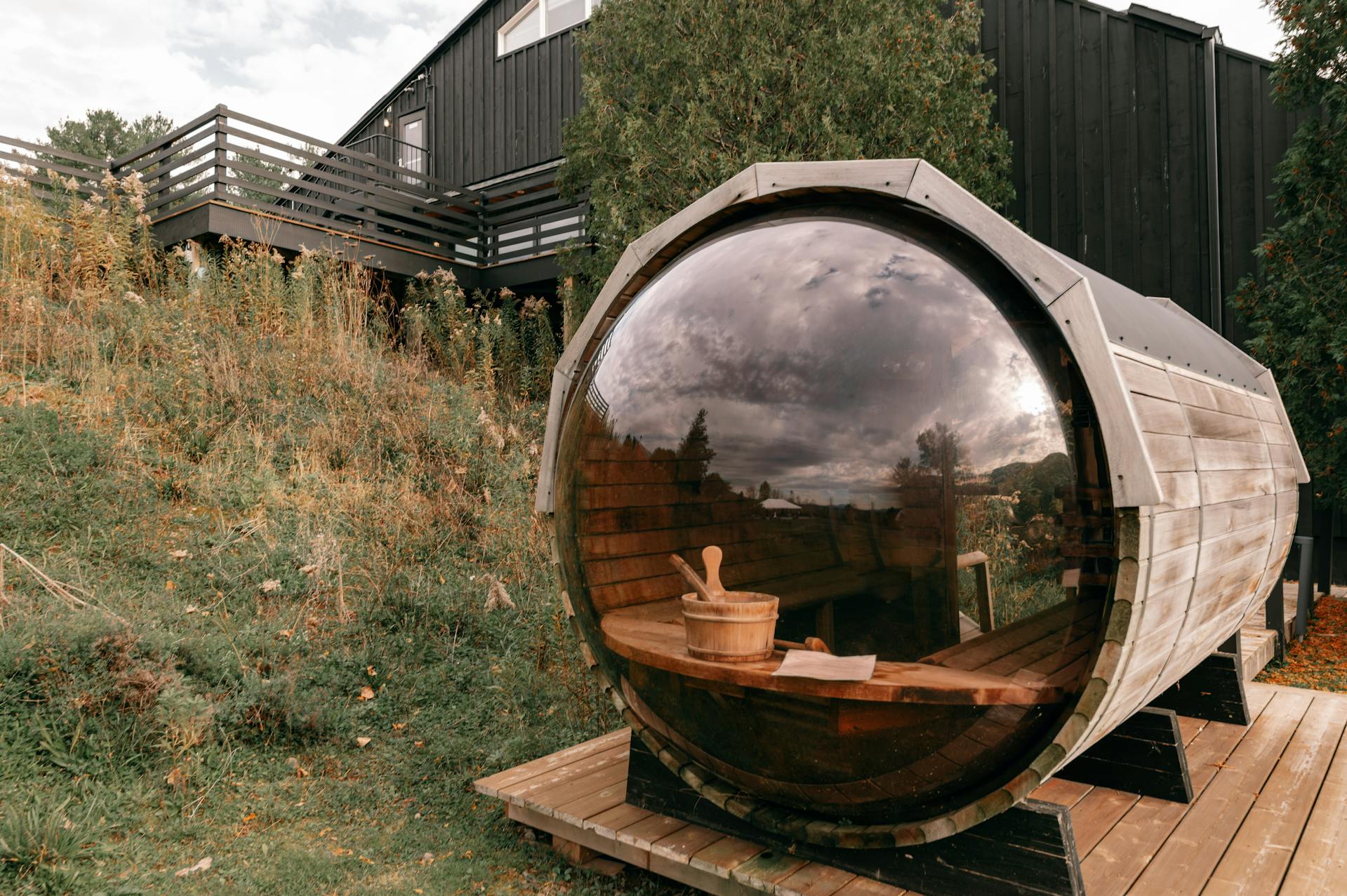
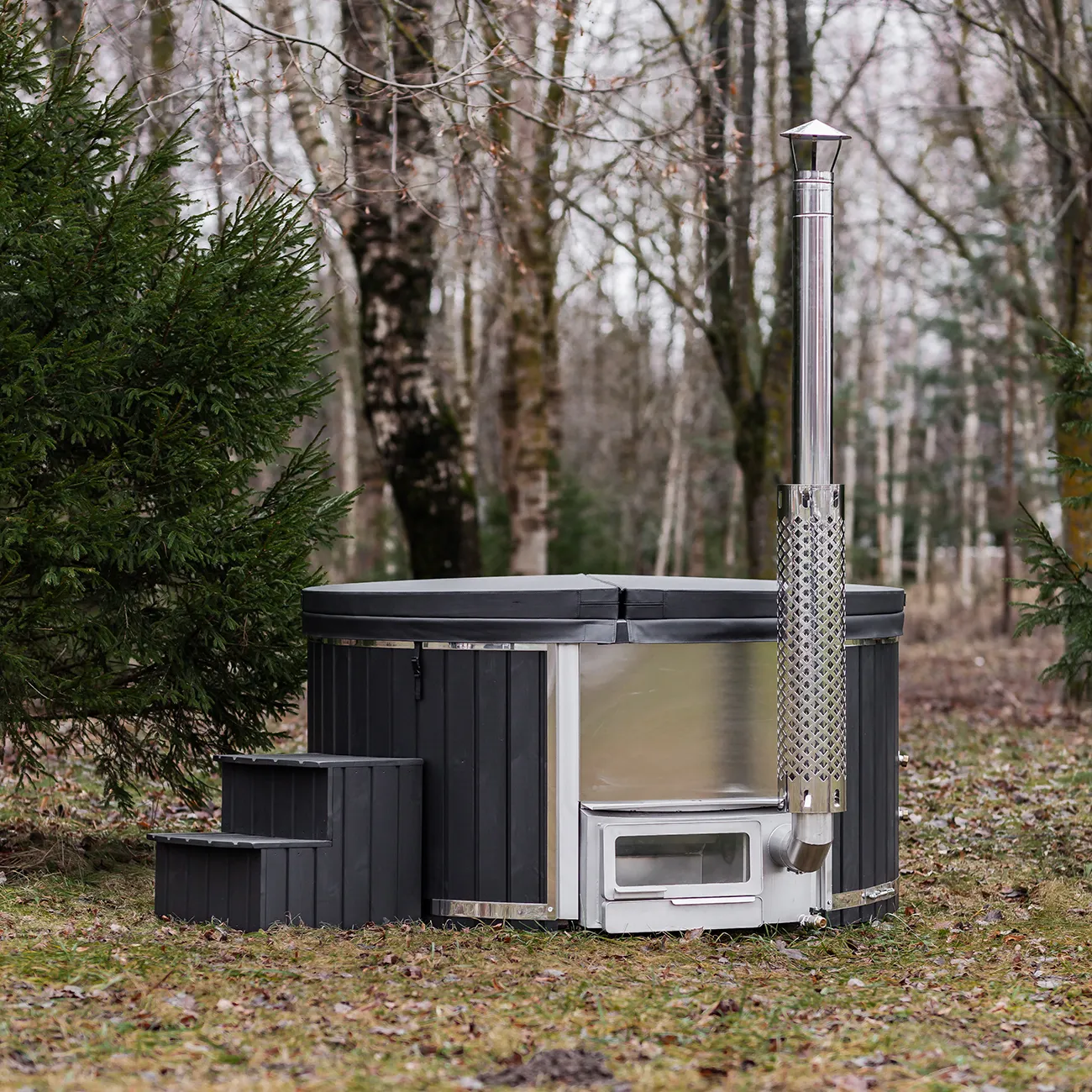
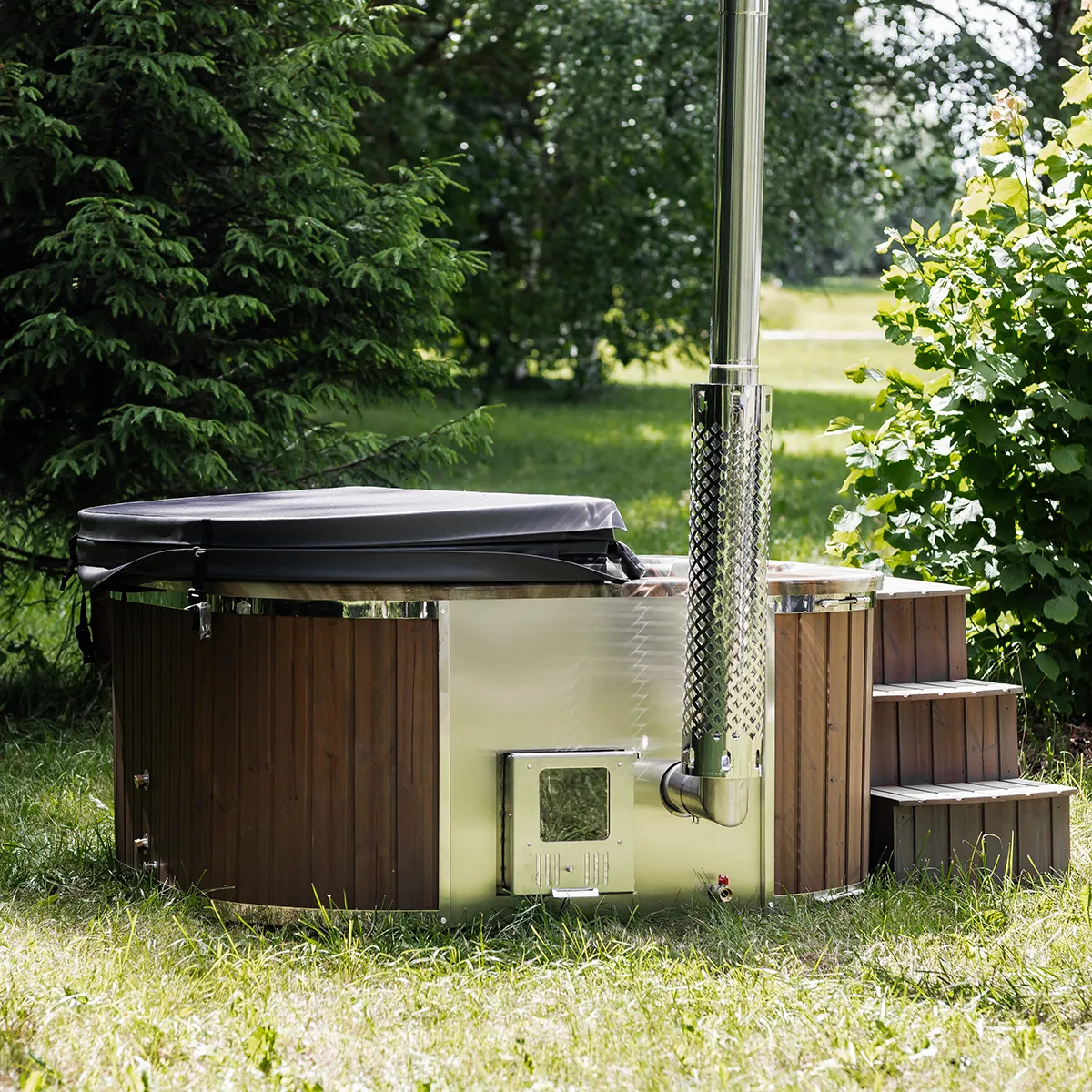
How Long Do Outdoor Saunas Last
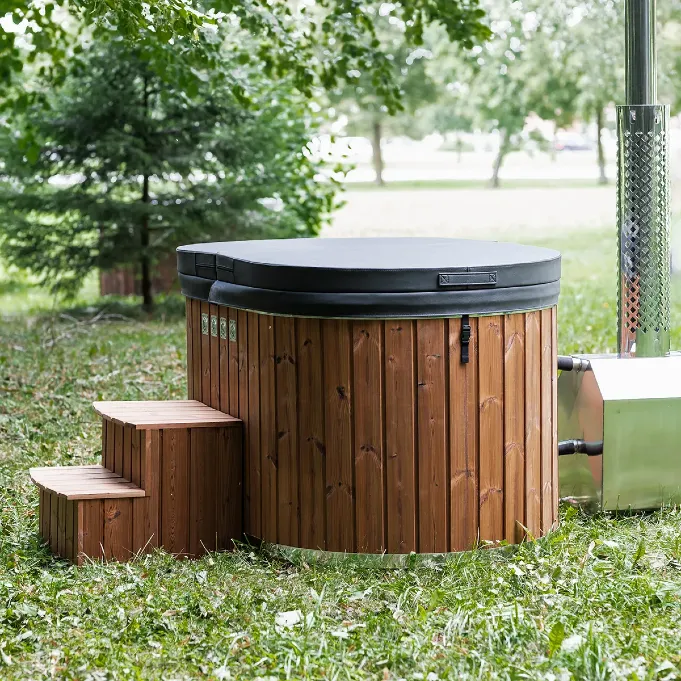
How long do outdoor saunas last? Outdoor saunas typically last 15 to 25 years with proper care and protection, slightly less than comparable indoor installations due to weather exposure.
Environmental Challenges
Outdoor locations introduce challenges that indoor saunas never face. Rain, snow, wind, temperature extremes, UV exposure, and seasonal humidity fluctuations all accelerate wear on materials. Even the highest-quality outdoor sauna faces harsher conditions than an indoor equivalent.
UV damage represents one of the most significant threats. Prolonged sun exposure fades, dries, and cracks exterior wood. Unprotected saunas in full sun can show deterioration within 5-7 years. Positioning your sauna with natural shade or installing a cover dramatically extends lifespan.
Moisture exposure from rain and snow affects exterior wood and can penetrate joints if not properly sealed. Water infiltration leads to rot, mold, and structural damage. Quality outdoor saunas use weather-resistant wood species and proper sealing, but these protections require periodic renewal.
Temperature extremes cause wood to expand and contract repeatedly. Winter freezing followed by summer heat creates stress that indoor saunas never experience. This cycling accelerates joint separation and can compromise weatherproofing over time.
Protection Strategies
Outdoor saunas last longest when thoughtfully positioned and protected:
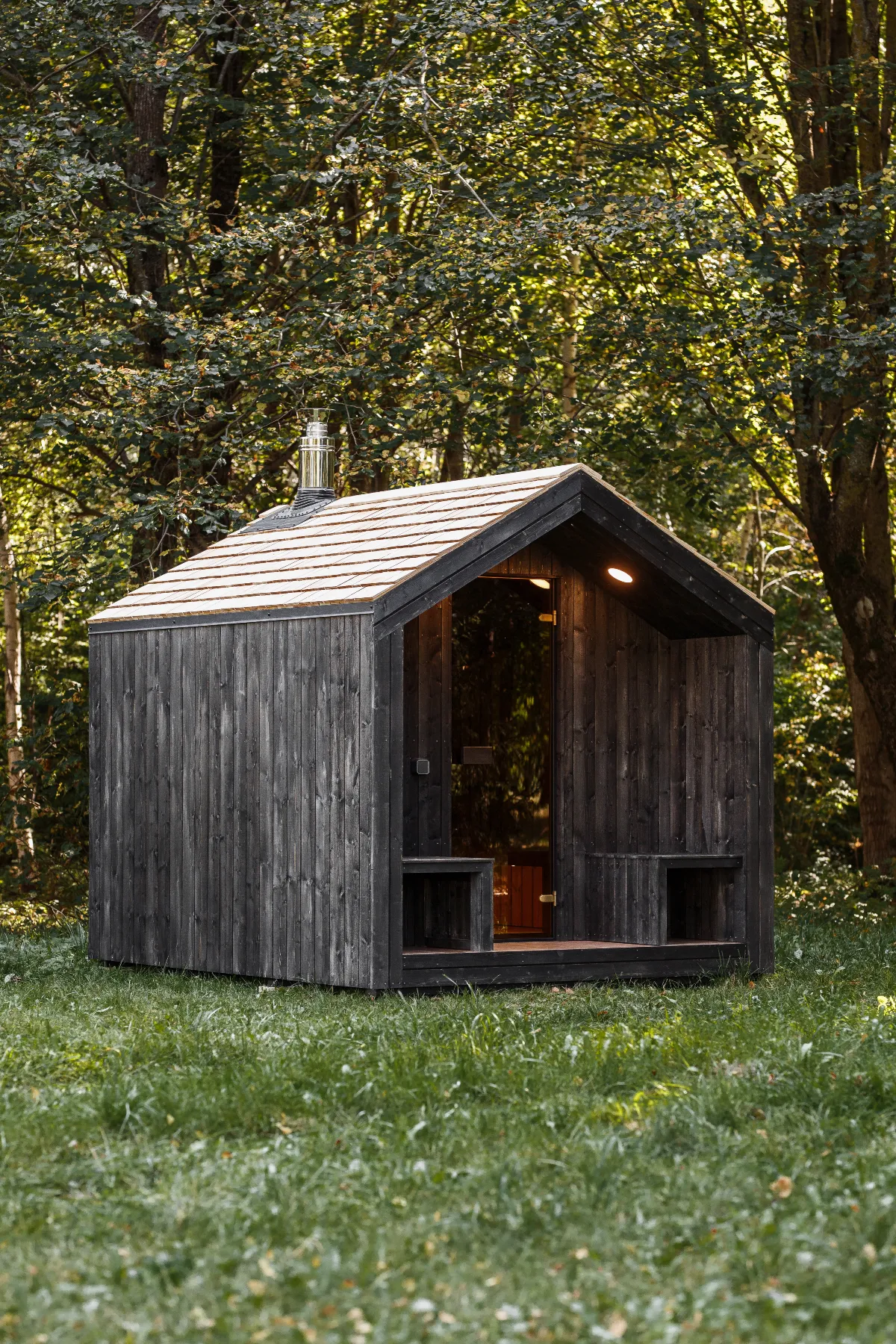
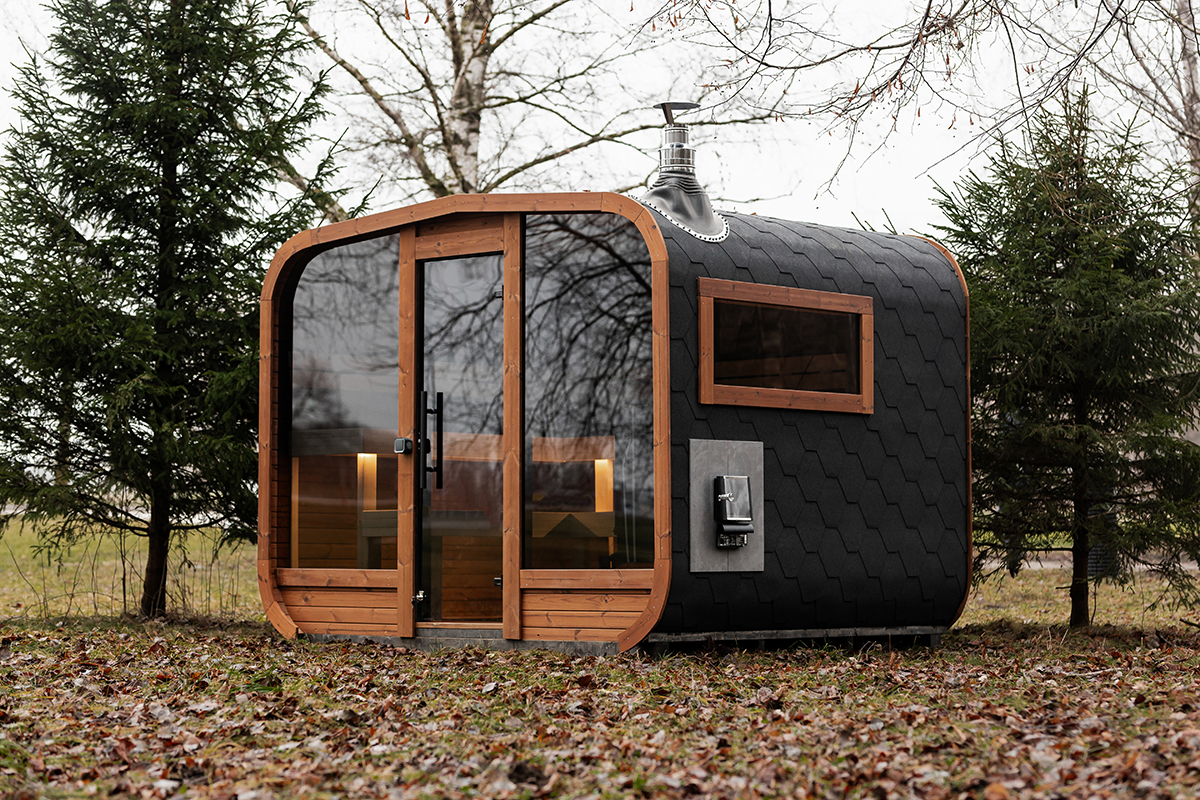
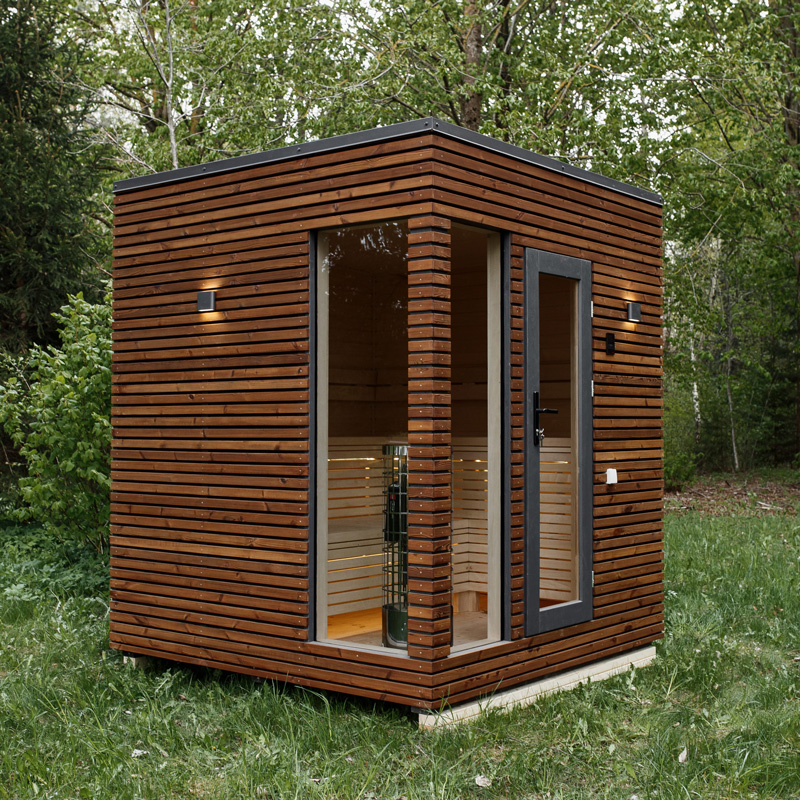
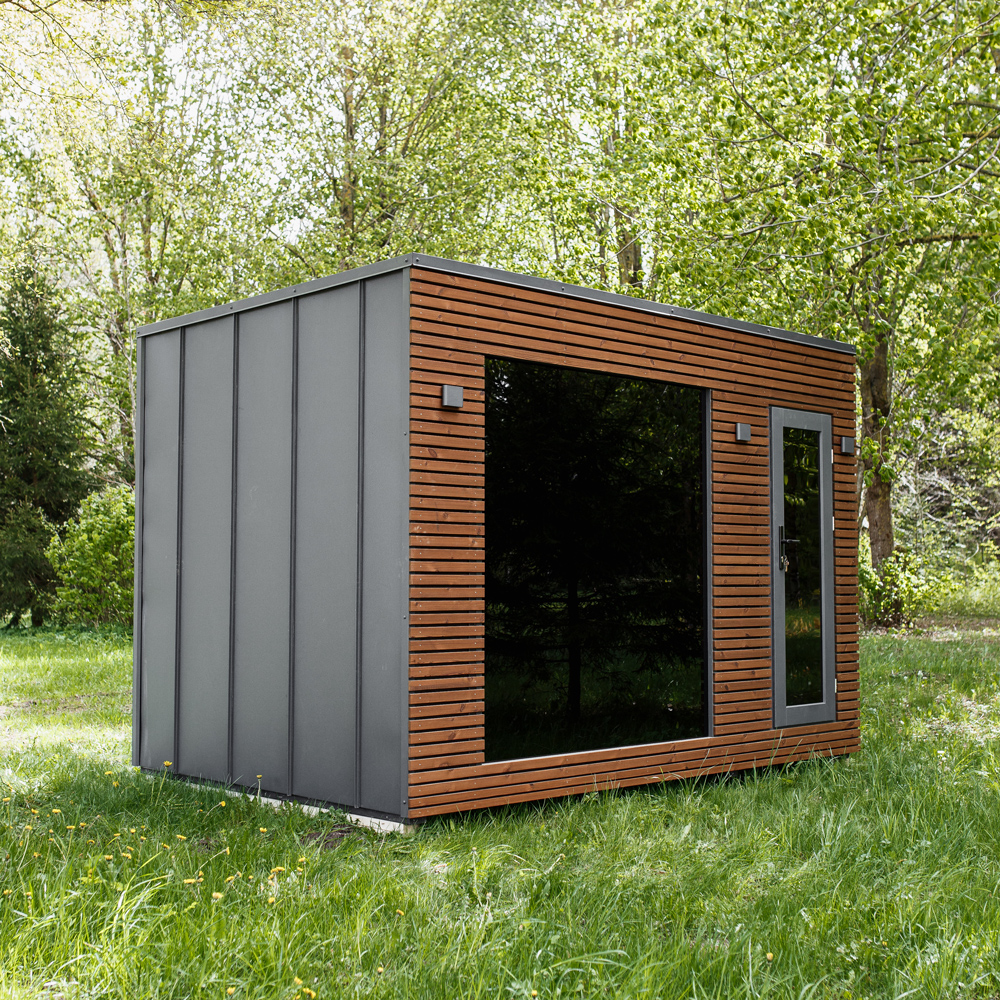
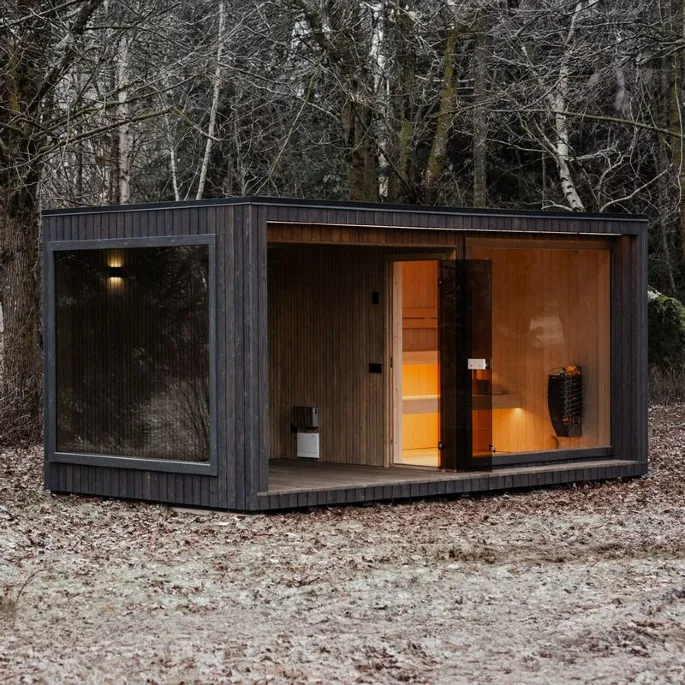
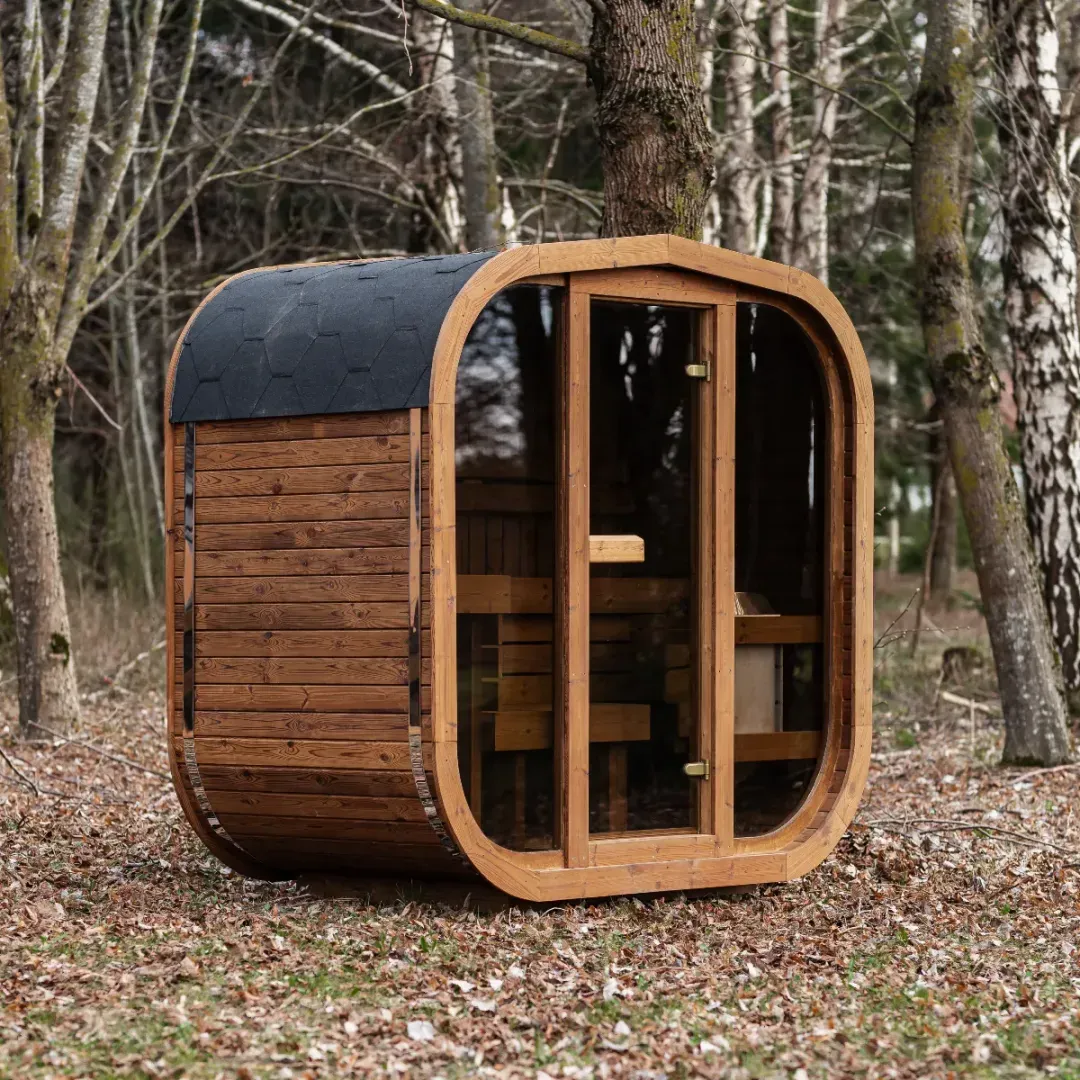
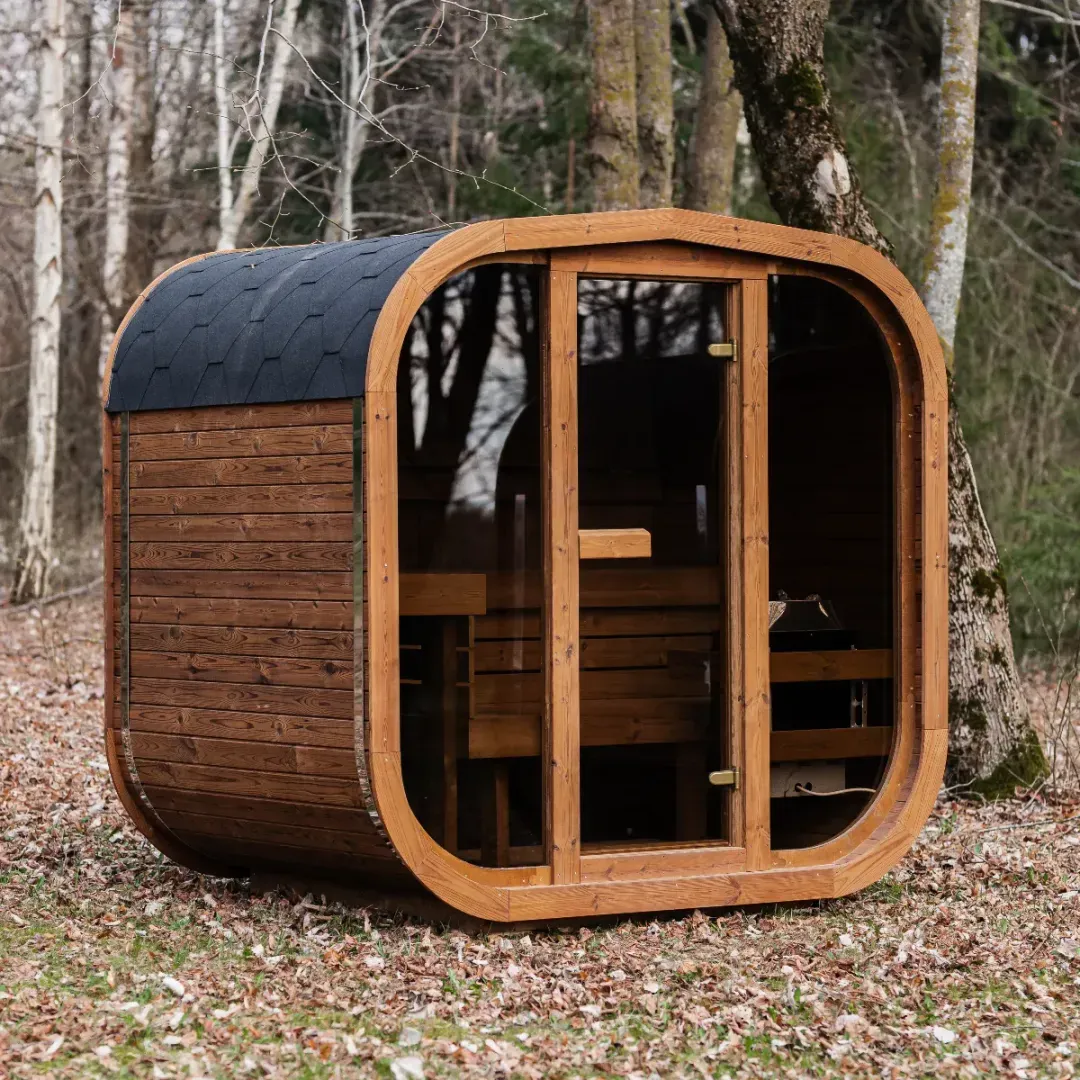
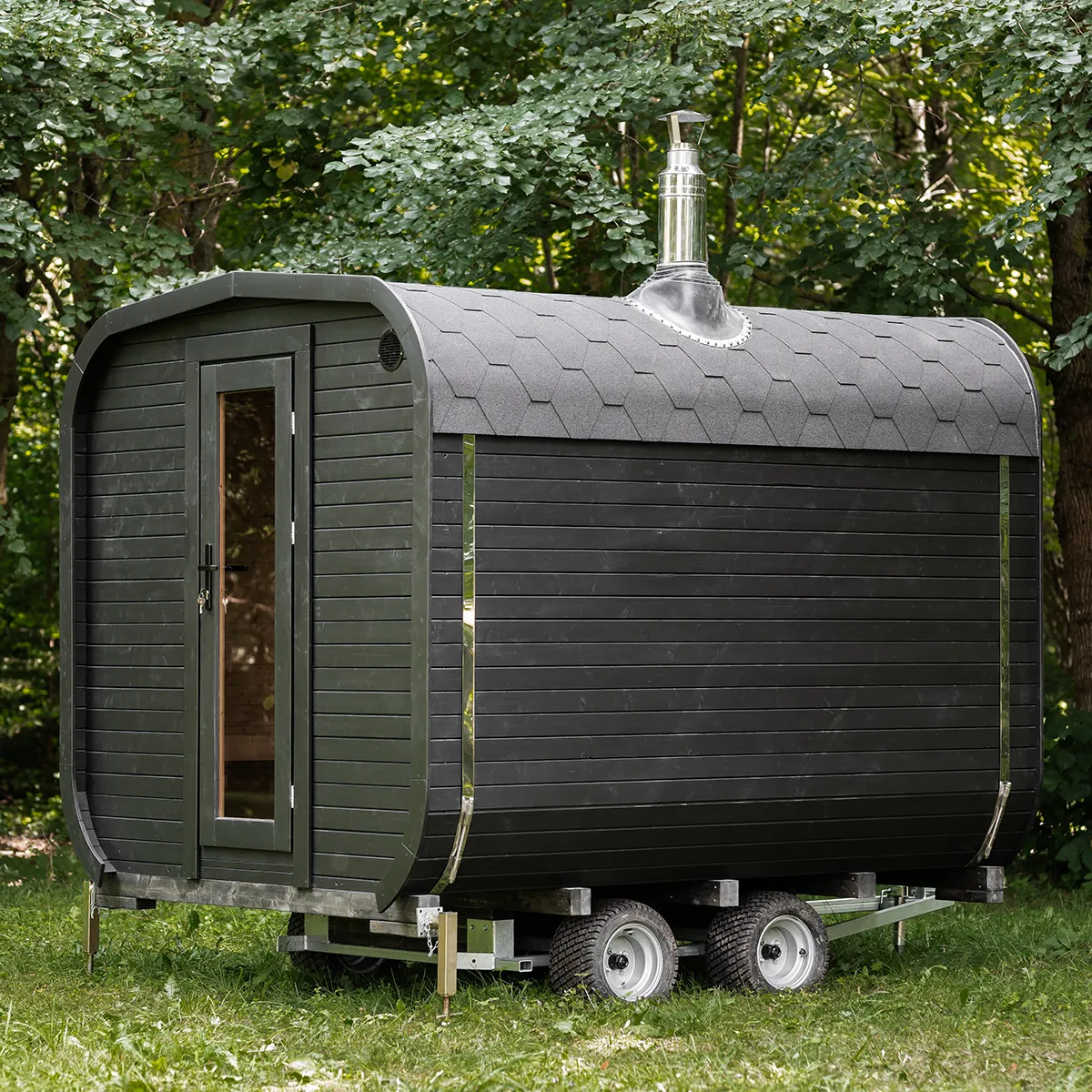
Roof coverage provides the single most effective protection. Installing shingles or metal roofing creates a waterproof barrier that dramatically extends wood life. Many barrel saunas and cabin-style outdoor saunas include proper roofing as standard.
Foundation quality prevents moisture wicking up from ground contact. Proper foundations keep wood elevated, allow drainage, and prevent rot that starts from the bottom up. Saunas sitting directly on soil without adequate foundations rarely reach their potential lifespan.
Ventilation remains critical in outdoor installations. Good airflow allows the sauna to dry completely between sessions, preventing moisture accumulation that leads to mold and wood deterioration.
Regular maintenance matters even more outdoors than indoors. Annual inspections, exterior wood treatment, and prompt repairs prevent small issues from becoming structural failures.
Comparing indoor vs outdoor considerations helps determine which location suits your long-term plans and maintenance commitment.
Key Factors That Affect Sauna Lifespan
Several critical factors determine whether your sauna lasts 15 years or 40 years. Understanding these helps you make informed decisions during purchase and throughout ownership.
Material Quality
Wood species forms the foundation. Premium woods like Western Red Cedar, Finnish Spruce, Canadian Hemlock, and heat-treated options resist moisture, warping, and decay naturally. These species contain oils that repel water and inhibit mold growth.
Lower-quality woods or composite materials deteriorate faster under repeated heat and humidity exposure. Saunas built with pine or untreated softwoods may show problems within 7-10 years, while premium wood installations easily reach 25-30 years.
Construction methods matter as much as materials. Tongue-and-groove joinery, proper fasteners, and skilled craftsmanship create structures that withstand thermal stress. Poorly constructed saunas develop gaps, loose joints, and structural issues well before quality-built equivalents.
Hardware quality affects daily experience and longevity. Cheap hinges, latches, and door handles fail first, often within 5-7 years. Stainless steel or brass hardware lasts the full sauna lifetime without replacement.
Usage Frequency
Surprisingly, regular moderate use often extends sauna life compared to sporadic intense use or complete neglect. Here's why:
- Consistent use keeps wood properly conditioned. Wood that's regularly heated and cooled maintains stable moisture content and doesn't experience the extreme cycling that causes cracking and warping.
- Occasional use allows moisture to accumulate between sessions without proper drying. This creates ideal conditions for mold growth and wood deterioration.
- Neglect represents the worst scenario. Unused saunas accumulate moisture, develop mold, attract pests, and deteriorate rapidly. A sauna used twice weekly outlasts one used twice yearly.
- Overuse can accelerate wear, particularly on heating elements and heavily contacted surfaces like benches. Daily marathon sessions stress components more than moderate 15-20 minute sessions several times weekly.
The sweet spot for longevity is 3-5 sessions weekly with proper maintenance between uses.
Installation Quality
Professional installation versus DIY significantly impacts lifespan. Proper electrical work, structural support, ventilation setup, and weatherproofing during initial installation prevents problems that DIY mistakes create.
Electrical systems installed incorrectly can fail prematurely or create safety hazards. Professional electricians ensure proper sizing, safe connections, and code compliance that extends heater life and prevents failures.
Ventilation placement affects moisture control. Intake vents positioned too high or exhaust vents too low create poor airflow that traps humidity and accelerates wood deterioration. Proper ventilation design allows the sauna to dry completely between sessions.
Foundation and leveling prevent structural stress. Unlevel saunas develop gaps in joints as the structure settles unevenly. Water infiltration through these gaps leads to rot and mold.
Understanding proper sauna use from the start prevents habits that unknowingly shorten lifespan.
Location and Climate
Indoor saunas in climate-controlled spaces face minimal environmental stress. Consistent temperature and humidity mean less thermal cycling and moisture exposure. Indoor installations typically last 5-10 years longer than outdoor equivalents.
Outdoor saunas in temperate climates fare better than those in extreme environments. Harsh winters with freeze-thaw cycles or intense summer sun in desert climates accelerate wear. Coastal locations with salt air demand even more maintenance.
Sheltered outdoor placement significantly extends life. Positioning under tree cover, beside buildings that provide wind protection, or under dedicated roof structures reduces weather exposure without sacrificing the outdoor experience.
How to Maintain Your Sauna for Maximum Longevity
Maintenance separates 15-year saunas from 30-year saunas. These practices require minimal time but dramatically extend lifespan.
Daily Maintenance (2-3 Minutes)
Wipe down benches after each session using a clean, dry towel. This simple habit prevents sweat from soaking into wood, where it causes staining and odor. Focus on areas where skin makes direct contact.
Leave the door open for 15-30 minutes after your session. This allows heat and moisture to escape naturally, preventing humid air from being trapped inside where it promotes mold growth.
Use towels while bathing to create a barrier between skin and wood. This protects benches from sweat absorption and makes cleaning easier.
Sweep the floor if you notice dirt or debris. Keeping floors clean prevents particles from being ground into wood grain where they become difficult to remove.
Weekly Maintenance (10-15 Minutes)
Clean wooden surfaces with a soft brush or cloth and warm water. For stubborn areas, use a mild sauna-specific cleaner. Avoid harsh chemicals that damage wood or leave residues that vaporize during heating.
Check ventilation vents to ensure they're not blocked by debris or towels. Clear airflow is essential for proper drying between sessions.
Inspect heater stones (for traditional saunas) for cracks or deterioration. Cracked stones reduce heating efficiency and can damage heating elements. Replace any damaged stones promptly.
Examine door seals for gaps that allow heat escape. Proper sealing maintains efficiency and prevents moisture infiltration into walls.
Monthly Maintenance (30-45 Minutes)
Deep clean all surfaces using sauna-safe cleaning products. Scrub benches, walls, floors, and backrests to remove accumulated sweat, oils, and any early signs of mold or mildew.
Vacuum under removable benches and in corners where dust accumulates. These hidden areas harbor debris that can attract moisture and pests.
Inspect electrical components (for electric and infrared saunas). Check connections, look for frayed wires, and ensure controls function properly. Address any issues immediately.
Clean and organize accessories like buckets, ladles, thermometers, and timers. These items need the same care as the sauna itself.
Check outdoor saunas for weather damage, particularly after storms. Look for loosened panels, compromised sealing, or water infiltration.
Annual Maintenance (2-3 Hours)
Apply wood treatment to protect against moisture and wear. Use breathable sauna-safe oils or waxes designed specifically for high-heat environments. Avoid varnishes, polyurethanes, or products that seal wood completely.
Sand and refinish benches if they show staining or feel rough. Light sanding removes the top layer of discolored wood, revealing fresh material underneath. This also restores the pleasant cedar scent many enjoy.
Inspect all structural elements for signs of deterioration. Check joints, examine corners for gaps, and verify the overall structure remains sound.
Test heater performance to ensure it reaches target temperature in expected timeframes. Degraded performance often indicates components need attention before complete failure occurs.
Outdoor saunas need exterior wood treatment annually. Reapply protective finishes to prevent UV damage, water penetration, and premature aging.
Professional inspection every 2-3 years catches issues you might miss. Electricians can verify safe operation, and sauna specialists can identify structural concerns before they become expensive problems.
What to Avoid
Never use pressure washers or flowing water to clean saunas. Excessive moisture damages wood structure and can penetrate joints, causing rot and mold.
Don't use harsh chemicals like bleach, ammonia, or industrial cleaners. These damage wood finish, leave harmful residues, and can create toxic fumes when heated.
Never seal wood completely with polyurethane or non-breathable finishes. Wood needs to "breathe" - absorbing and releasing moisture naturally. Sealed wood traps moisture underneath, causing deterioration.
Don't wear shoes inside saunas. Footwear tracks dirt and can scuff wood surfaces.
Avoid eating or drinking anything besides water inside your sauna. Spills create stains and attract pests.
What to Expect: Sauna Lifespan Milestones
Understanding typical wear patterns helps you plan maintenance and budget for eventual replacements.
Years 1-5: Break-In Period New saunas settle and wood acclimates to regular heat cycling. Expect minor gaps to develop at joints as wood reaches equilibrium moisture content. This is normal and doesn't indicate problems. Minor adjustments and tightening may be needed.
Years 5-10: Prime Performance Your sauna hits its stride. With proper maintenance, everything functions optimally. Wood has fully seasoned, components operate reliably, and you've established good usage patterns.
Years 10-15: First Component Replacements Heating elements or infrared panels may need replacement. Door hardware might require attention. Benches could benefit from light refinishing. These maintenance items extend overall lifespan significantly.
Years 15-20: Mid-Life Assessment Decide whether to invest in component upgrades or plan for eventual replacement. Quality saunas at this stage still have decades left with proper care. Consider heater upgrades, control system modernization, or structural enhancements.
Years 20-30: Veteran Status Well-maintained saunas continue performing beautifully. Wood develops rich patina, structure remains sound, and with replaced components, functionality matches newer installations.
Years 30+: Legacy Territory Premium saunas with exceptional care reach this milestone. They become family traditions - spaces where multiple generations have gathered. Structural restoration, complete component replacement, or thoughtful renovations keep them functioning indefinitely.
Managing ongoing costs helps you budget for maintenance that extends these lifespans.
Signs Your Sauna Needs Attention
Catching problems early prevents expensive repairs and extends lifespan. Watch for these warning signs:
Persistent musty odors indicate mold growth or inadequate drying. Address ventilation immediately and clean affected areas thoroughly.
Loose or separated joints suggest structural settling or moisture damage. Tighten hardware and inspect for water infiltration.
Inconsistent heating means heater elements need attention. Don't ignore declining performance - it rarely improves on its own.
Rough or sticky surfaces on benches indicate sweat buildup or finish degradation. Light sanding and proper cleaning restore comfort.
Visible mold or mildew requires immediate attention. Clean affected areas, identify moisture sources, and improve ventilation before mold spreads.
Cracked or warped wood shows excessive moisture exposure or poor-quality materials. Individual boards can be replaced without condemning the entire sauna.
Electrical issues like flickering lights, inconsistent controls, or unusual sounds demand professional inspection immediately for safety.
The Bottom Line
How long do saunas last? Quality traditional saunas last 20-30 years, infrared models 10-20 years, and outdoor installations 15-25 years - all with proper maintenance. Premium builds with exceptional care reach 40-50 years.
The difference between minimum and maximum lifespan comes down to three factors: material quality at purchase, installation professionalism, and consistent maintenance throughout ownership.
A sauna represents a long-term wellness investment. The moderate effort required for maintenance pays enormous returns in extended lifespan and consistent performance. Those few minutes of post-session cleaning and annual deep maintenance transform a significant purchase into a multi-decade asset.
The most important insight: your actions determine your sauna's lifespan more than any other factor. Quality materials and professional installation create the foundation, but daily habits and consistent care make the difference between replacing your sauna in 15 years versus enjoying it for 30.
Whether you're planning your first sauna or optimizing an existing installation, understanding these longevity principles helps you protect your investment and enjoy decades of wellness benefits.
For questions about sauna longevity, maintenance requirements, or finding a sauna built to last, contact us. We're here to help you create a wellness sanctuary that serves you for years to come.
Frequently Asked Questions
How long do saunas last on average?
Quality saunas last 15-25 years on average with proper maintenance. Traditional saunas typically reach 20-30 years, infrared saunas 10-20 years, and outdoor saunas 15-25 years. Premium builds with exceptional care can last 40-50 years.
Do infrared saunas last as long as traditional saunas?
Infrared saunas typically have shorter lifespans (10-20 years) than traditional saunas (20-30 years) because heating panels eventually need replacement. However, infrared saunas operate at lower temperatures, which reduces stress on wood cabinets. The cabinet structure often outlasts the heating components, making panel replacement a cost-effective way to extend overall life.
What factors most affect outdoor sauna lifespan?
UV exposure, moisture from rain and snow, temperature extremes, and weather protection significantly impact outdoor sauna longevity. Positioning under cover, using weather-resistant wood, applying protective treatments annually, and ensuring proper drainage extend outdoor sauna life dramatically.
Can I extend my sauna's lifespan with maintenance?
Absolutely. Proper maintenance can double sauna lifespan. Daily wipe-downs, leaving doors open for drying, annual wood treatments, and prompt repairs transform a 15-year sauna into a 30-year one. Maintenance requires minimal time but provides enormous returns in extended service life.
When should I replace my sauna heater?
Replace heater elements when heating becomes inconsistent, takes significantly longer than normal, or stops reaching target temperatures. Traditional sauna heaters typically need element replacement after 10-20 years. Infrared panels last 10-20 years for ceramic, 20+ years for carbon. Replacing heating components extends overall sauna life well beyond the heater's initial lifespan.
How long do outdoor saunas last in harsh climates?
Outdoor saunas in harsh climates (extreme winters, intense sun, coastal salt air) typically last 12-20 years compared to 15-25 years in moderate climates. However, exceptional maintenance, protective measures like covers or shelters, and annual wood treatments can help harsh-climate saunas approach typical lifespans.
Do I need professional maintenance for my sauna?
Most maintenance can be performed by owners - daily cleaning, weekly inspections, annual wood treatments. However, professional inspection every 2-3 years catches electrical issues, structural concerns, and component wear before they become expensive problems. Professional maintenance is especially valuable for infrared saunas with complex electrical systems.
What's the lifespan of sauna wood without treatment?
Untreated sauna wood in regular use typically shows deterioration after 10-15 years - staining, roughness, and structural concerns. With proper treatment (breathable oils, regular cleaning, moisture control), the same wood easily lasts 25-30+ years while maintaining appearance and structural integrity.


.avif)


%201%20(1).avif)

.webp)
.webp)
.webp)
.webp)
.webp)
.webp)










.webp)


.webp)
%20(2).jpg)
.webp)
.webp)










.svg)

.png)