
Is Sauna Bad for Hair? How to Protect Your Hair in the Sauna


Is sauna bad for hair? It's one of the most common questions we hear from new sauna users, especially those with color-treated, curly, or already dry hair. The short answer: saunas can dry out your hair if you don't take simple protective measures. But does sauna damage hair permanently? No. With basic sauna hair protection, you can enjoy all the wellness benefits without sacrificing your hair's health.
This guide explains how heat affects different hair types, practical steps for how to protect your hair in the sauna, and some additional beauty tips we've learned from years of helping customers maintain their sauna routines.
How Saunas Affect Your Hair
Understanding what actually happens to hair in high heat helps explain why protection matters. Your hair isn't living tissue, it's composed of dead cells made primarily of keratin protein. This means once damage occurs, your hair can't repair itself the way your skin can. Research published in PubMed confirms that heat causes denaturation of the α-keratin protein structure in hair and degradation of components in the hair cortex. The protective measures we'll discuss aren't just helpful, they're essential for maintaining the hair you have. While sauna heat won't cause permanent follicle damage, it can significantly compromise the quality and appearance of your existing hair strands.
The Heat and Moisture Problem
Is the sauna bad for your hair? The intense heat (typically 160-190°F in traditional saunas) opens your hair's cuticle layers. Think of these like roof shingles. When they lift open, moisture escapes from the inner hair shaft. Your hair's natural oils also break down under sustained high temperatures.
The result: dry, frizzy, brittle hair that's more prone to breakage. This isn't permanent damage if it happens occasionally. But regular sauna use without protection compounds the drying effect over time.
Different Hair Types React Differently
Not all hair responds the same way to sauna heat:
- Curly and Coily Hair: Already tends toward dryness because natural oils don't travel down the hair shaft as easily. Sauna heat exacerbates this, potentially leaving curls frizzy and unmanageable.
- Color-Treated Hair: Chemical treatments weaken hair structure and strip some protective oils. Heat exposure can fade color faster and increase brittleness in already compromised strands.
- Fine or Thin Hair: Lacks the protective density of thicker hair. Heat penetrates more easily, potentially causing more noticeable dryness and limpness.
- Thick or Coarse Hair: Generally more resilient to heat but still loses moisture. May handle occasional unprotected sauna sessions better than finer hair types.
- Chemically Straightened or Permed Hair: Like color-treated hair, chemical processing weakens the hair structure. These hair types need extra protection from heat exposure.
The Positive Side: Scalp Benefits
Does the sauna damage your hair follicles or scalp health? Actually, no. The increased blood circulation to your scalp during sauna sessions delivers more oxygen and nutrients to hair follicles. This can support healthier hair growth over time.
The scalp benefits are real. The hair shaft dryness is also real. The solution is simple protection that lets you enjoy the scalp circulation boost without the strand damage.
How to Protect Hair in Sauna: Practical Steps
How to protect your hair in the sauna doesn't require expensive products or complicated routines. These simple steps make a genuine difference.
Before Your Sauna Session
Wet Your Hair Thoroughly: Saturate your hair with fresh water before entering. Wet hair absorbs less additional moisture (and heat) than dry hair. This simple step provides significant protection.
Apply Protective Treatment: Smooth a deep conditioner, hair mask, or natural oil (coconut, argan, or olive oil work well) through your hair. This creates a moisture barrier that helps prevent heat damage. Focus on mid-lengths and ends where hair is oldest and most vulnerable.
Tie Long Hair Up: Loose buns or braids minimize heat exposure by reducing surface area. Avoid tight styles that create tension. Secure with fabric-covered elastics rather than metal clips that conduct heat.
During Your Sauna Session
Cover Your Hair: This is the most effective sauna hair protection method. Options include:
- Sauna Hat (Banya Hat): Traditional wool or felt caps designed specifically for heat regulation. They create a microclimate around your head that slows heat penetration dramatically.
- Damp Towel Wrap: Wrap your hair in a damp (not dripping) towel. The moisture provides a cooling buffer while protecting strands from direct heat.
- Shower Cap: Simple plastic shower caps trap moisture close to your hair. Less breathable than towel wraps but effective for shorter sessions.
Limit Session Duration: Even with protection, limit sauna sessions to 15-20 minutes if you're concerned about hair health. This timeframe provides wellness benefits without excessive heat exposure to your hair.
Stay Hydrated: Drinking water during your session helps maintain overall moisture levels, including in your hair and scalp.
After Your Sauna Session
Rinse with Cool Water: Cool (not cold) water closes the hair cuticles that opened during heat exposure. This seals in whatever moisture remains and reduces frizz.
Condition Again: Apply a moisturizing conditioner or leave-in treatment to replenish lost moisture. Your hair is particularly receptive to conditioning right after heat exposure.
Avoid Additional Heat: Skip the blow dryer. Let your hair air dry naturally. Your hair just endured significant heat; don't compound it with more.
Gentle Detangling: If you applied protective oils or masks, your hair might tangle. Use a wide-tooth comb and start from the ends, working up gently. Never brush or comb dry, brittle hair aggressively.
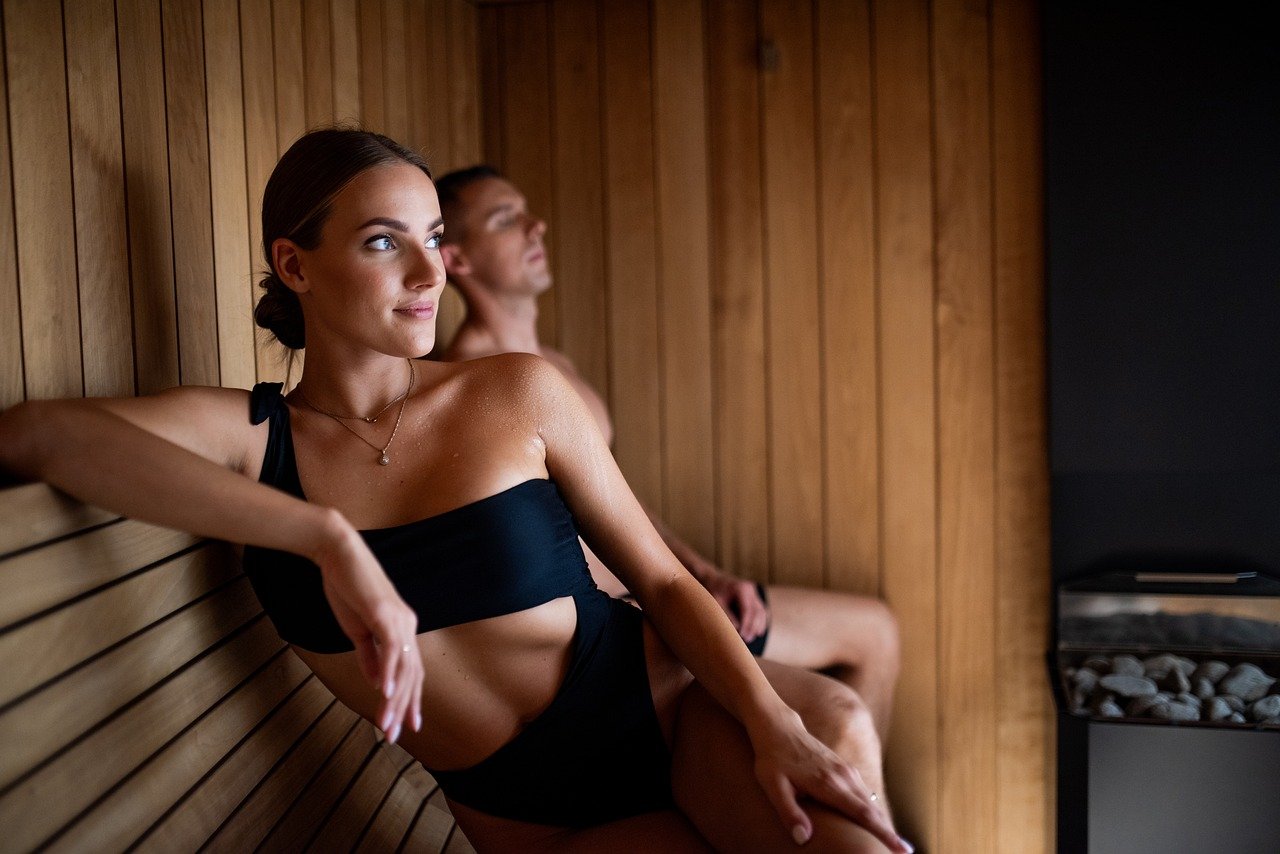
Special Considerations for Different Hair Types
For Curly or Coily Hair: Use generous amounts of moisturizing products before entering. Consider the LOC method (liquid, oil, cream) for maximum protection. Refresh curls with water and leave-in conditioner after your session.
For Color-Treated Hair: Apply a color-safe heat protectant before your sauna session. Consider UV-protecting products as well, as some sauna lighting can fade color. Limit sauna frequency to 2-3 times weekly if you maintain vibrant color.
For Fine or Thin Hair: Use lighter protective products that won't weigh hair down. A small amount of argan oil or a lightweight leave-in conditioner provides protection without heaviness. Focus protection on the ends rather than roots.
For Chemically Treated Hair: Extra moisture is essential. Deep condition before every sauna session. Consider alternating sauna days with deep conditioning treatments to maintain hair integrity.
Eden Hut's Additional Beauty Tips for Sauna Sessions
Beyond hair protection, we've learned some practical beauty and skincare tips from years of helping customers optimize their sauna experience. These recommendations come straight from Eden Hut's experience working with regular sauna users.
Skip the Makeup
Don't wear makeup in the sauna. The heat opens your pores dramatically, and makeup can clog them, leading to breakouts. The intense sweating will melt makeup off anyway, potentially getting product in your eyes. Enter with a clean face and let your skin breathe.
Avoid Skincare Products During Sessions
Remove lotions, creams, and oils from your skin before entering. These products can trap heat against your skin, potentially causing discomfort or preventing proper sweating. Save your skincare routine for after your session when your clean, open pores can absorb products more effectively.
Remove Jewelry and Accessories
Metal jewelry heats up quickly and can burn skin. Remove all jewelry, watches, and metal accessories before entering. This includes hair accessories with metal components.
Bring a Clean Towel for Sitting
Always sit on a clean towel rather than directly on wooden benches. This is hygiene for both you and other sauna users. It also prevents any residual oils or products on your skin from transferring to the wood.
Post-Sauna Skincare Window
Your pores are wide open and clean after sauna sessions. This creates an ideal time for applying serums, moisturizers, or masks. Your skin absorbs products more effectively in the 20-30 minutes after your session.
Hydrate Before, During, and After
Bring water into the sauna. Drink before your session, sip during if needed, and rehydrate thoroughly afterward. Proper hydration supports both your skin and hair health.
Is Regular Sauna Use Worth the Hair Hassle?
Absolutely. Are saunas bad for your hair? Only if you ignore basic protection. With simple measures, your hair stays healthy while you enjoy significant wellness benefits.
The cardiovascular improvements, stress relief, improved sleep, and other health benefits of regular sauna use far outweigh the minor effort required for hair protection. If you're curious about the extensive health benefits that make sauna sessions worthwhile, read our guide on different types of saunas to understand why protecting your hair for these sessions is a small price for substantial wellness gains.
Quick Summary: Protecting Your Hair in the Sauna
Before: Wet hair thoroughly, apply protective conditioner or oil, tie up long hair
During: Cover with sauna hat or damp towel, limit sessions to 15-20 minutes, stay hydrated
After: Rinse with cool water, apply moisturizing conditioner, air dry without additional heat
These basic steps prevent sauna damage hair experiences and let you enjoy heat therapy without compromising your hair health.
The Bottom Line
Does sauna damage hair? Not with proper protection. The temporary dryness from heat exposure is easily preventable with simple measures that take minutes. The key is consistency. If you're using a sauna regularly, make hair protection part of your routine rather than an afterthought.
Your hair is resilient. A few unprotected sessions won't cause permanent damage. But if sauna bathing becomes a regular wellness practice (which we highly recommend for the health benefits), implementing these protective steps from the start saves you from dealing with progressively drier, more damaged hair over time.
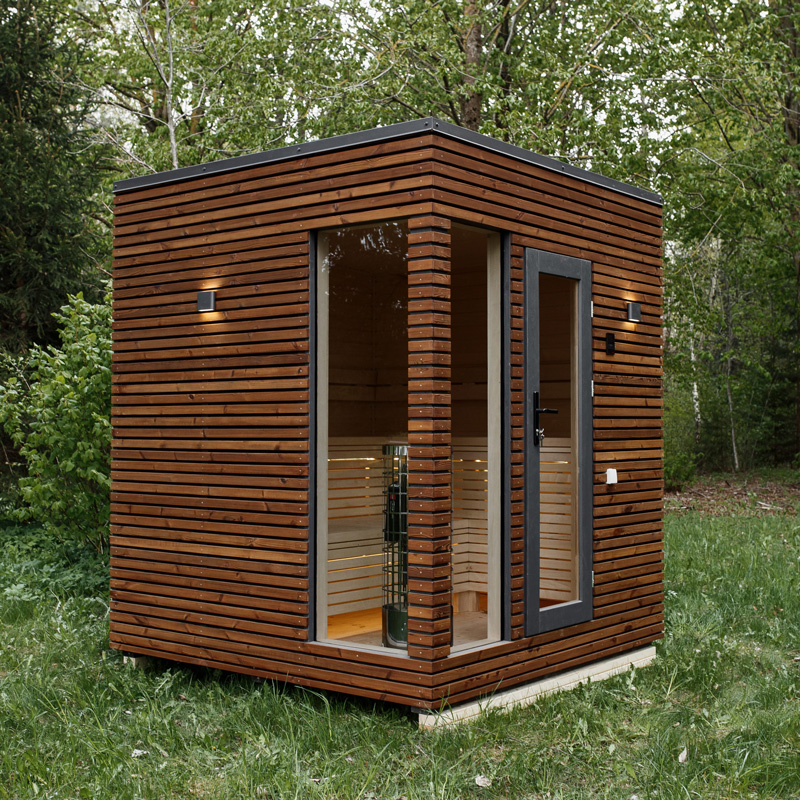
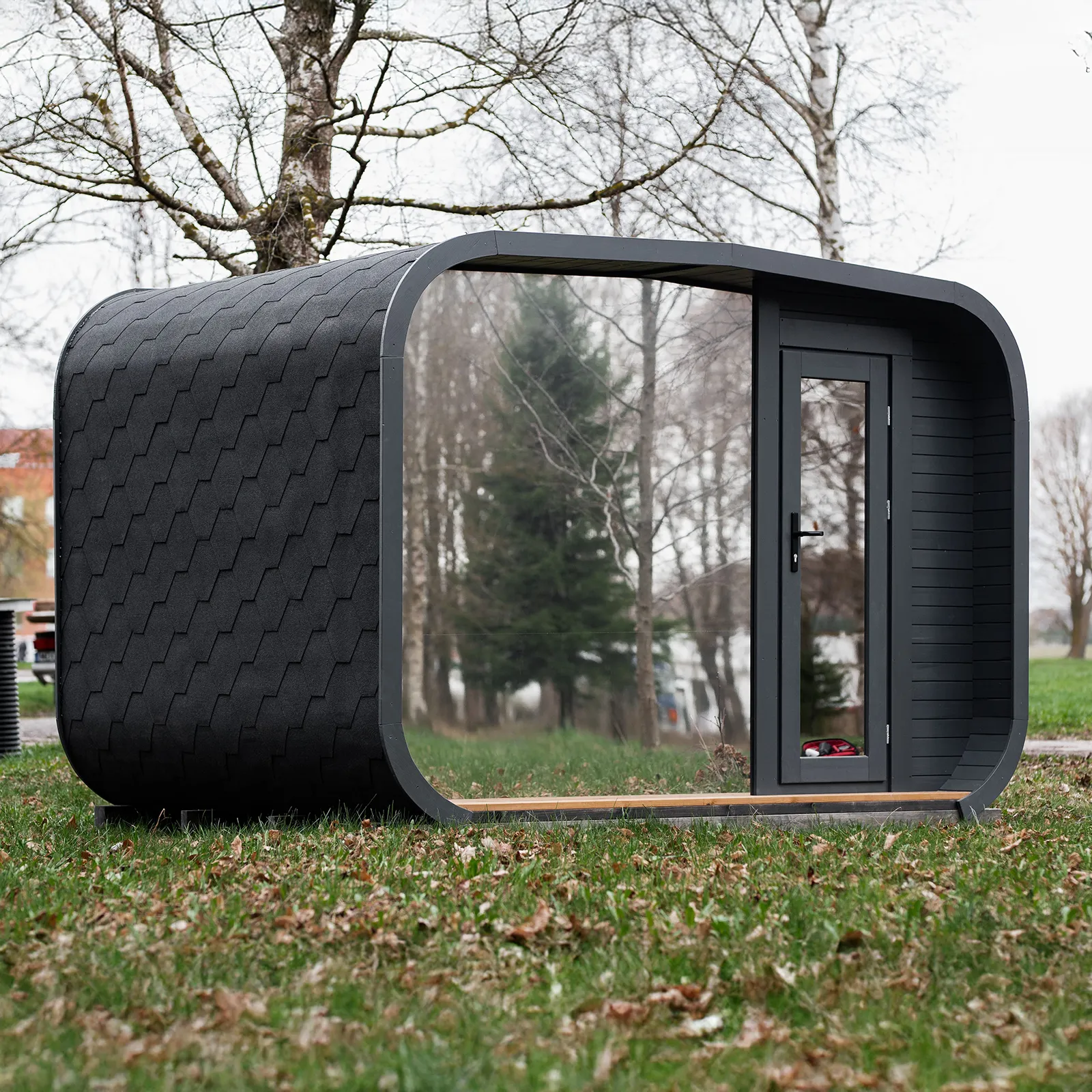
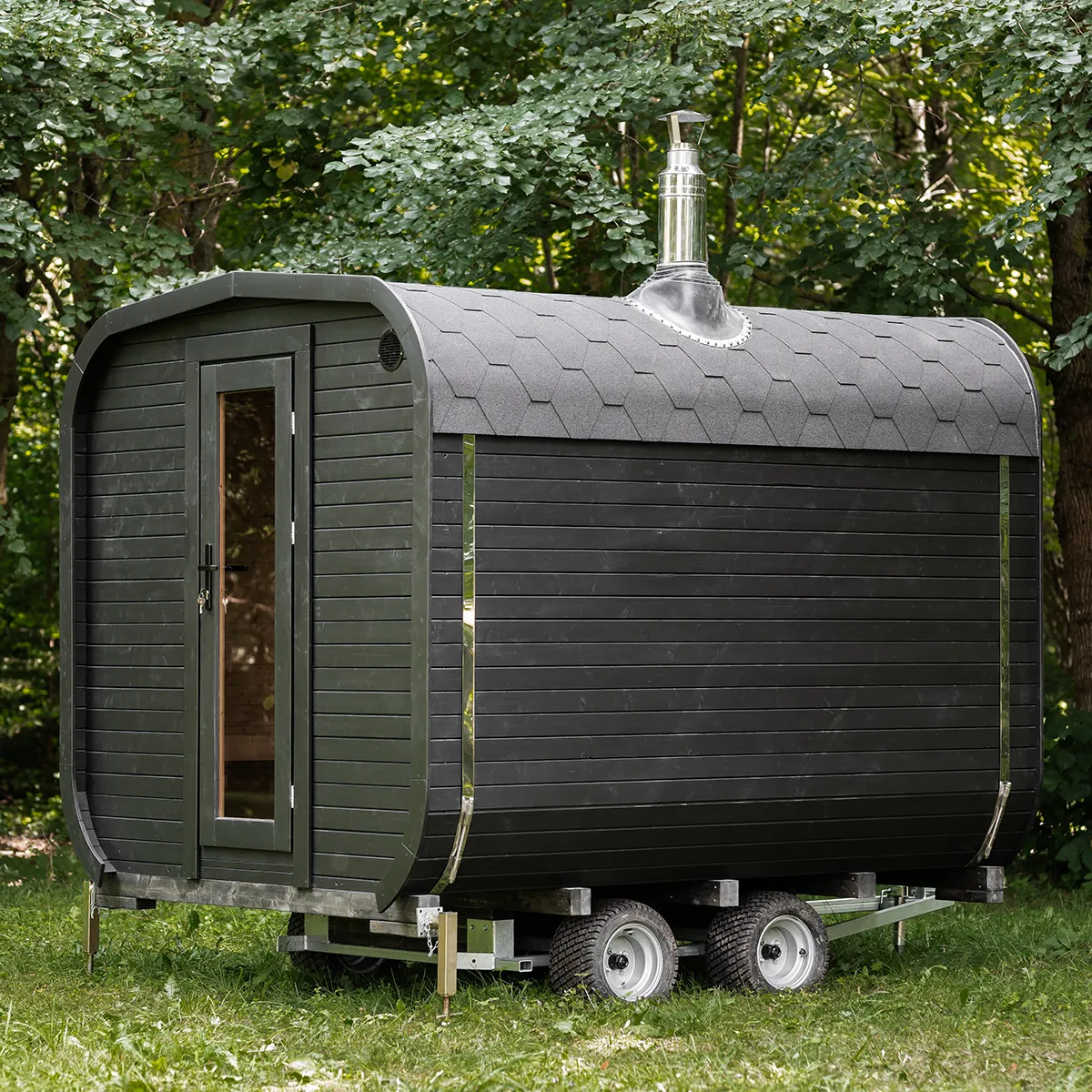
If you're feeling inspired to incorporate sauna sessions into your wellness routine and want to explore quality options, check out our collection of premium outdoor saunas designed for regular, sustainable use.
For additional questions about sauna use, hair protection, or finding the right sauna for your needs, contact us. We're always happy to help.
Frequently Asked Questions
Is sauna bad for my hair if I go every day?
Daily sauna use can dry out hair if you skip protection. With proper measures (covering hair, applying protective products, limiting session length), daily use is fine. Most people find 3-4 weekly sessions optimal for balancing wellness benefits with hair health.
How to protect your hair in the sauna if you have curly hair?
Apply generous leave-in conditioner or oil before entering. Cover with a damp towel or sauna hat. Limit sessions to 15 minutes. After, refresh curls with water and curl cream. Curly hair needs extra moisture protection due to its naturally drier structure.
Does the sauna damage your hair permanently?
No. Sauna heat causes temporary dryness but not permanent damage. With regular deep conditioning and protective measures during sessions, your hair recovers fully. Even severely dried hair can be restored with proper care.
Can I use hair oil in the sauna?
Yes, applying natural oils (coconut, argan, olive) before your session protects hair from heat damage. However, avoid synthetic styling products or heat protectants designed for blow dryers, as these may not perform well in extreme sauna heat.
Should I wash my hair before or after sauna?
Ideally, enter with clean, damp hair. Wash hair before if it has product buildup. The sauna experience itself cleanses through sweating. After your session, rinse with cool water and condition. Full shampooing after isn't necessary unless your hair feels oily or you applied heavy products.
Are saunas bad for your hair if it's color-treated?
Color-treated hair is more vulnerable to heat damage and color fading. Limit sessions to 2-3 weekly, use color-safe protective products, and always cover your hair. The heat can open cuticles and allow color molecules to escape, accelerating fading.
How long can I stay in the sauna without damaging my hair?
Without protection, limit sessions to 10-15 minutes. With proper protection (covered hair, protective products), 20-25 minutes is safe for most hair types. Listen to your body and hair. If your hair feels excessively dry after sessions, reduce duration.
Does sauna damage hair more than blow drying?
Both create heat damage, but saunas expose your entire head to heat for longer periods. However, sauna heat is more evenly distributed than the concentrated heat from blow dryers. With protection, sauna heat is manageable and doesn't cause more damage than typical heat styling.


.avif)


%201%20(1).avif)

.webp)
.webp)
.webp)
.webp)
.webp)
.webp)


















.webp)


.webp)
%20(2).jpg)
.webp)
.webp)











.svg)

.png)