
10 Sauna Tips to Get Maximum Benefits With Every Session


You've made the commitment to regular sauna use. You understand the basics, you know how to prepare, and you're ready to take your practice deeper. Now comes the question that separates casual users from those who truly transform their wellness routine: how do you maximize benefits with every sauna session?
The difference between an ordinary sauna experience and one that genuinely changes how you feel isn't about staying longer or turning up the heat. It's about the small, intentional choices you make before, during, and after each session. These are the refined sauna tips that experienced sauna users have discovered over years of practice, the subtle adjustments that compound into remarkable results.
10 Tips to Maximize Sauna Benefits
1. How Long Should You Actually Stay in the Sauna?
Here's where beginners often stumble: staying too long too soon, or alternatively, leaving right when the real benefits start. The traditional Finnish approach offers perfect wisdom: stay until you feel genuinely hot, then leave. Your body knows.
For most regular users, 15 to 20 minutes per round hits the sweet spot. This duration allows your core temperature to rise meaningfully without pushing into discomfort. During your first 5 to 7 minutes, you're warming the surface. Between 8 and 15 minutes, you're heating your core. Beyond 15 minutes, you're maintaining that elevated state and allowing the cardiovascular and detoxification benefits to fully engage.
But here's the refinement: experienced users often find that their second or third round produces better results than their first, even at shorter durations. Your body has already begun the adaptation process, your blood vessels have dilated, and your sweat response has activated. A 10-minute second round often feels more beneficial than a 20-minute first session. This is why the Finnish tradition of multiple shorter rounds with cooling periods between proves so effective.
Never force yourself to stay longer than feels right. Competitive endurance in the sauna isn't wellness, it's ego. The moment you start feeling uncomfortable rather than pleasantly hot, it's time to exit.
2. Should You Sit or Lie Down in the Sauna?
Most people instinctively sit upright, but this actually creates uneven heating. Your head experiences the most intense temperature while your feet stay relatively cool. For maximum benefit, lie down whenever possible.
When you lie flat, your entire body experiences consistent temperature exposure. This uniform heating allows your cardiovascular system to respond more efficiently, your muscles to relax more completely, and your core temperature to rise evenly. You'll often find you can stay comfortably longer in a lying position because your body isn't working to manage temperature gradients.
If your sauna doesn't accommodate lying down, or you prefer sitting, try this: alternate positions during your session. Sit for the first 5 to 7 minutes, then lie down for the remainder. Or start lying down and sit up for the final few minutes. This variation ensures different areas of your body receive optimal heat exposure.
For those with neck or back tension, lying down with a small towel rolled under your neck transforms the sauna into a therapeutic session. The combination of heat penetration and supported relaxation can release tension that's been building for days or weeks.
3. What's the Best Sauna Schedule for Maximum Health Benefits?
Frequency matters more than you might think. A single weekly session provides benefits, certainly, but research reveals that four to seven weekly sessions produce dramatically different results.
Finnish studies tracking thousands of participants over decades found that men using saunas four to seven times weekly had a 63% reduced risk of sudden cardiac death compared to once-weekly users. Stroke risk decreased by 60%. These aren't marginal improvements, they're life-changing differences that come purely from showing up more often.
For most people, three to four sessions weekly offers the ideal balance between maximal benefit and practical sustainability. This frequency allows your body to maintain adaptations rather than repeatedly starting from baseline. Your cardiovascular system stays primed, your sweat response remains efficient, and the accumulated stress reduction compounds.
Athletes in heavy training cycles might push to five or six sessions weekly. Recovery becomes faster, inflammation stays controlled, and sleep quality improves measurably. If you're managing chronic pain conditions like arthritis or fibromyalgia, four to five sessions per week often provide the most consistent relief.
The rhythm matters as much as the number. Spreading sessions throughout the week works better than clustering them. Tuesday, Thursday, Saturday, and Sunday creates better results than four consecutive days followed by three days off. Your body responds best to regular, distributed stimulus.
For those just establishing their practice: start with twice weekly for the first month. Move to three times weekly for the second month. By month three, you'll know whether four or more sessions feel beneficial or excessive. Let your body guide the progression.
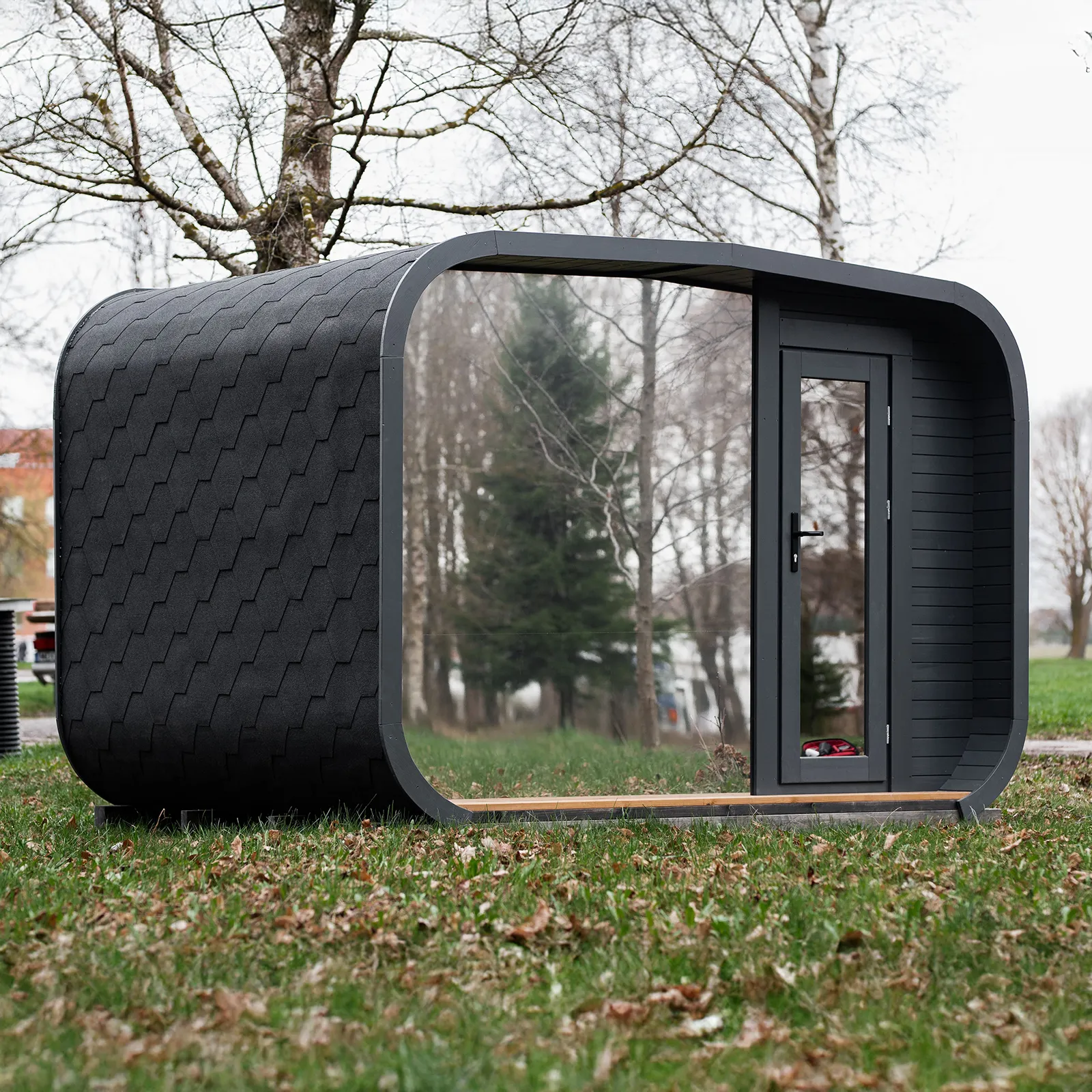
Meet Victoria - Panoramic Sauna with Anteroom
4. How Can You Boost Circulation During Your Session?
This is where experienced users separate themselves from beginners. While you're sitting in the heat, your body is working to manage temperature, but you can actively enhance the process through targeted circulation techniques.
Light skin brushing or tapping stimulates blood flow to the surface and encourages your pores to open more fully. Use your fingertips to gently brush your arms, legs, and torso in upward strokes toward your heart. This isn't vigorous scrubbing, it's gentle stimulation. Spend 15 to 20 seconds on each limb. The increased circulation brings more blood to the surface where heat can affect it, enhancing the cardiovascular benefits.
Some people prefer a slightly firmer approach: light percussion using loose fists or the sides of your hands. Tap along your thighs, across your shoulders, down your arms. This gentle percussion feels invigorating and dramatically increases the heat sensation in treated areas.
For those interested in traditional practices, the vihta (also called vasta) takes this concept further. This bundle of leafy birch twigs, used gently across your body, combines mechanical stimulation with aromatherapy. The light whisking motion increases blood flow while birch oils soothe your skin. You're not whipping yourself, you're creating a gentle, rhythmic massage that works beautifully with sauna heat. If you'd like to explore authentic Finnish traditions further, discover our handcrafted sauna collection designed to honor these time-tested practices.
The timing matters: start these circulation techniques about halfway through your session, once you've begun sweating actively. Doing them too early doesn't provide much benefit, while waiting too late means you've missed the optimal window.

5. Why Does Exfoliation Matter in Your Sauna Routine?
Heat opens your pores and softens the outer layer of dead skin cells, creating the perfect opportunity for gentle exfoliation. Many experienced users incorporate this into their routine because the results are immediately noticeable: smoother skin, better absorption of moisturizers afterward, and a genuine feeling of cleanliness that goes beyond surface level.
The key is gentle technique and proper timing. Never exfoliate during your sauna session itself, the combination of heat and friction is too much for your skin. Instead, exfoliate lightly during your cool-down shower between rounds, or save it for after your final session.
If you're doing multiple rounds with cooling periods between, a very light exfoliation between rounds can be effective. Use a soft washcloth or gentle exfoliating glove with just water, no soap or scrubs. Your skin is already softened from the heat and primed for this treatment. Focus on areas that tend to develop rough texture: elbows, knees, heels, upper arms.
After your final session, skip the shower gel entirely. This surprises people, but your skin has already been thoroughly cleansed through the sweating and heating process. Adding soap strips away the beneficial oils your skin has produced. Instead, rinse with warm water, pat dry, and if desired, apply a light natural moisturizer. Your skin will feel softer and look clearer than after most conventional bathing.
For those dealing with conditions like keratosis pilaris (those small bumps on upper arms or thighs) or rough patches, incorporating gentle weekly exfoliation into your sauna routine can provide noticeable improvement within a month or two.
6. What Should You Drink Before and After for Best Results?
Hydration strategy makes an enormous difference in how you feel during and after your sessions. Most people understand they need to drink water, but timing and quantity create dramatically different experiences.
Start hydrating 30 to 60 minutes before you enter the sauna. Drinking 16 to 20 ounces during this window gives your body time to absorb and distribute the fluid. Gulping water immediately before your session just fills your stomach without providing cellular hydration. You'll feel bloated rather than prepared.
During longer sessions or multiple rounds, sipping water between rounds prevents dehydration from building up. Keep your water at room temperature or slightly cool, not ice cold. Extreme temperature contrasts can be jarring to your system when you're already managing significant heat.
After your final session, focus on replenishment. You've lost anywhere from a pint to a quart of fluid, depending on session length and your individual sweat response. Plain water works perfectly for most people, but if you've had an especially long or intense session, consider coconut water or a light electrolyte drink.
Here's an interesting traditional approach: some Nordic sauna users drink a small glass of tomato juice after their sessions. Tomato juice provides both hydration and potassium replacement, which you lose through heavy sweating. The sodium content also helps your body retain fluid more effectively. If plain tomato juice doesn't appeal, try it with a squeeze of lemon and a small pinch of salt.
Avoid alcohol before or after sauna use. This combination is dangerous and has caused numerous deaths. Alcohol impairs your body's temperature regulation while amplifying dehydration. If you enjoy an evening sauna, save your beer or wine for at least an hour afterward, once you've cooled down completely and rehydrated with water.
7. How Can Stretching Enhance Your Sauna Benefits?
Your muscles are never more receptive to stretching than when they're thoroughly heated. Blood flow has increased, tension has softened, and your connective tissues have become more pliable. This is when gentle stretching produces results that would take twice as long to achieve in normal conditions.
The key word is gentle. This isn't a workout, and you're not trying to achieve your maximum range of motion. Instead, you're taking advantage of a rare opportunity when your body is naturally more flexible and receptive.
During the last few minutes of your session, while lying down, try pointing and flexing your feet slowly. Rotate your ankles gently in both directions. Extend your arms overhead and stretch your full body, toes pointing one direction, fingers reaching the opposite way. Hold these positions for 15 to 20 seconds, breathing deeply.
Between rounds, during your cooling period, this is perfect timing for more targeted stretching. Your muscles are warm but you're not managing intense heat, so you can focus properly. Spend 3 to 5 minutes on gentle yoga-inspired movements: forward folds, light twists, shoulder rolls, neck stretches. Nothing intense, just exploratory movement that feels good.
People with chronic back pain, tight hips, or shoulder tension often report that regular post-sauna stretching provides more relief than standalone stretching ever did. The heat has unlocked what tension normally guards.
Athletes have long recognized this benefit. Many incorporate light stretching or foam rolling between sauna rounds as part of their recovery protocol. The combination of heat therapy and gentle mobility work accelerates recovery and reduces next-day soreness measurably.
Read also: Different Types of Saunas and Their Unique Health Benefits
8. Why Does Timing Your Meals Matter for Your Sauna Session?
Your digestive system and sauna heat are not compatible roommates. Heavy meals divert blood flow to your digestive system right when you want that blood circulating through your muscles and to your skin surface. The result is uncomfortable: feeling sluggish, potentially nauseous, and missing out on the cardiovascular benefits you came for.
Wait two to three hours after a large meal before your sauna session. This gives your body time to complete the intensive work of digestion. By the time you enter the heat, your blood flow is available for the important work of temperature regulation and detoxification.
But here's the equally important flip side: don't sauna on a completely empty stomach. Low blood sugar and intense heat create a perfect storm for dizziness and lightheadedness. If it's been four or more hours since you've eaten, have a light snack 45 to 60 minutes before your session. A piece of fruit, a handful of nuts, or a small smoothie provides enough fuel without requiring significant digestion.
After your session, wait 20 to 30 minutes before a heavy meal. Your body is still managing temperature regulation and directing blood flow accordingly. Give yourself time to cool down, rehydrate, and transition back to normal functioning. A light snack is fine immediately after, but save substantial meals for later.
For those who sauna in the morning before breakfast, this timing is generally perfect. Your body has completed overnight fasting, your energy stores are adequate, and you won't deal with the complications of recent meals. Evening saunas work beautifully as well, particularly if you time them two to three hours after dinner but before bedtime.
Read also: How to Clean a Sauna: Your Complete Maintenance Guide
9. Should You Practice Mindfulness During Your Sauna Sessions?
The sauna offers something increasingly rare in modern life: forced stillness without distraction. Your phone stays outside. Work can't reach you. The heat demands your attention. This makes every session a natural opportunity for mindfulness practice, whether you approach it formally or simply allow your mind to settle.
Experienced users often report that the mental benefits of regular sauna use exceed the physical ones. The 15 to 20 minutes of enforced quiet allows your nervous system to downshift in ways that regular life rarely permits. Stress hormones decrease measurably. Mental chatter quiets. The effect is similar to meditation, but the heat provides a physical anchor that makes it easier for restless minds to settle.
You don't need formal meditation training to benefit from this. Simply sitting quietly, breathing deeply, and allowing thoughts to come and go without engagement creates profound relaxation. Focus on the sensation of heat on your skin, the sound of your breathing, the feeling of sweat beginning to form. When your mind wanders to your to-do list or yesterday's conversation, gently bring attention back to physical sensation.
For those who do practice meditation, the sauna becomes an ideal environment. The mild stress of heat exposure combined with intentional breathing creates a powerful state for both mental training and nervous system regulation. Some users find that insights or creative solutions emerge during these quiet sessions, as if the heat burns through mental fog.
The traditional Finnish approach embraces this quiet reverence naturally. Saunas are places of peace where conversation, if it happens at all, is soft and minimal. This isn't about rules or rituals, it's about recognizing that the sauna offers something our minds desperately need: permission to simply be, without doing.
10. How Long Should You Wait Between Sauna Rounds?
The cooling period between rounds isn't just a break, it's an essential part of the practice. This is when your body gets to demonstrate what it learned during the heat exposure. Blood vessels that dilated now work to regulate. Your heart rate returns to baseline. Hormones begin shifting. Skip this period or rush through it, and you miss half the benefit.
Aim for 10 to 15 minutes between rounds. This gives your body adequate time to cool naturally without becoming cold. During this period, your core temperature is still elevated even as your surface cools, creating the ideal conditions for cardiovascular training and stress hormone regulation.
What you do during this cooling period matters. The traditional Finnish approach involves cold water exposure: a cool shower, a plunge in cold water, or in winter, literally rolling in snow. This dramatic temperature contrast amplifies circulatory benefits and creates an intense feeling of invigoration. If you're interested in incorporating cold exposure, start gently with a cool shower and progressively work toward colder temperatures as your body adapts.
Not ready for cold exposure? That's completely fine. Simply sitting in fresh air, drinking water, and allowing your body to cool naturally provides substantial benefit. Some people prefer a gentle walk outside. Others sit quietly, continuing the meditative quality of the session. Listen to your body's signals about when you're ready for another round.
For those with cardiovascular concerns, the cooling period becomes even more important. Never rush this transition. Your heart has been working hard, and the cooling period allows it to recover gradually before you heat up again. If you have any heart conditions, discuss appropriate cooling strategies with your healthcare provider.
What Makes a Good Sauna Routine?
Before building your specific schedule, it helps to understand what makes a routine truly effective. A sauna schedule isn't just about showing up consistently, though that matters enormously. It's about creating a ritual that your body anticipates, responds to, and benefits from in compounding ways.
The best sauna routine balances frequency with recovery, intensity with comfort, and structure with flexibility. Research consistently shows that three to four sessions per week provide substantial health benefits without overtaxing your system. Some experienced users enjoy daily sessions, while others find two weekly visits perfectly adequate. The key is finding a rhythm that fits your life while maintaining enough consistency for your body to adapt and thrive.
Think of your sauna practice as training. Just as athletes don't randomly exercise whenever they feel like it, your body responds best to a predictable pattern. This doesn't mean rigid scheduling, it means creating a loose framework you can rely on. Maybe you sauna every Monday, Wednesday, and Saturday morning. Perhaps you've made Friday evenings your sacred unwinding ritual. Whatever pattern you choose, consistency transforms an occasional wellness activity into something your body actually expects and prepares for.
How to Create Your Perfect Sauna Routine
Building an effective sauna schedule means balancing consistency with flexibility, structure with intuition. Here's a practical framework that works for most people:
For Beginners (Months 1-2):
- Two sessions per week
- Single 10-15 minute rounds
- Focus on establishing comfort and consistency
- Hydration before and after
- Simple routine: shower, sauna, cool shower, rest
For Regular Users (Months 3-6):
- Three to four sessions per week
- Two rounds of 15-20 minutes each
- 10-15 minute cooling between rounds
- Incorporate stretching during cool-downs
- Begin experimenting with timing (morning vs. evening)
For Advanced Practice (6+ Months):
- Four to seven sessions per week
- Two to three rounds of 15-20 minutes
- Cooling periods with cold exposure
- Active circulation techniques during sessions
- Mindfulness or meditation practice
- Fine-tuned timing around exercise, meals, and sleep
Remember that life circumstances shift. Some weeks you'll maintain your ideal schedule easily. Other weeks, you'll fit in what you can. The goal isn't perfection, it's sustainable consistency that compounds over months and years.
Common Sauna Mistakes to Avoid
Even experienced users sometimes fall into patterns that limit their results. Here are the most common pitfalls:
- Staying Too Long: More time doesn't equal more benefit beyond a certain point. Once you've exceeded 20 to 25 minutes in a single round, you're increasing risk without gaining additional advantages. Honor your body's signals about when it's time to exit.
- Inconsistent Scheduling: Using the sauna whenever you happen to remember undermines the cumulative benefits that come from regular practice. Your body adapts best to predictable patterns. Even two consistent weekly sessions outperform sporadic longer sessions.
- Skipping Hydration: This seems obvious, yet many people still show up dehydrated or forget to drink afterward. Your session quality and how you feel the next day directly correlate with hydration. Make it non-negotiable.
- Rushing the Process: The sauna is not a task to complete efficiently. Racing through your session, skipping cool-down periods, or immediately jumping into your next activity defeats the purpose. Build in buffer time. Give yourself space to transition gradually.
- Comparing Your Practice to Others: Everyone's heat tolerance, sweat response, and optimal session length differ. What works for your friend or what you read online might not suit your body. Stop comparing and start listening.
Your Next Steps
Regular sauna use compounds. The benefits you experience in month six will be different from month one, not because you've learned new techniques but because your body has adapted, strengthened, and begun operating more efficiently. These sauna tips aren't about perfecting individual sessions, they're about creating a sustainable practice that improves every aspect of your wellness over time.
If you're ready to elevate your practice, start with one or two techniques from this list. Master those before adding more. Perhaps this week you focus on lying down during sessions and adding 5 minutes of stretching between rounds. Next week, you experiment with skin brushing and mindful breathing. Small, consistent improvements create remarkable long-term results.
The sauna offers something increasingly rare: a genuine opportunity to invest in your long-term health through a practice that feels good rather than punishing. Honor that gift by approaching it thoughtfully, consistently, and with attention to what serves your body best. Your future self will thank you for every session you commit to now.
Ready to bring authentic sauna wellness into your life? If you have questions about choosing the right sauna for your space or want guidance on building your perfect wellness routine, reach out to us. We're here to help you create a practice that transforms not just your health, but your entire approach to daily well-being.
Frequently Asked Questions About Sauna Tips
How soon after exercise should I use the sauna?
Wait 20 to 30 minutes after intense exercise before entering the sauna. Your heart rate and body temperature are already elevated from your workout, and jumping immediately into heat adds unnecessary stress to your cardiovascular system. Use this cool-down period to stretch lightly, rehydrate, and allow your heart rate to drop closer to baseline. Once you've recovered somewhat, the sauna becomes an excellent recovery tool that enhances the benefits of your training rather than competing with it.
Can I use essential oils in my sauna to enhance the experience?
Yes, but use them properly to avoid damaging your sauna or irritating your respiratory system. Never pour essential oils directly onto sauna stones or heaters. Instead, dilute a few drops in water (about 3 to 5 drops per liter) and then ladle this mixture onto the stones if you have a traditional sauna. Eucalyptus, pine, and birch oils are traditional Nordic choices that complement the sauna experience beautifully. Start with less than you think you need, you can always add more during your next round. Some people prefer placing a few drops on a damp towel hung near (not touching) the heat source, which releases the aroma more gently.
What's the best time of day to use a sauna for sleep improvement?
Evening sessions work best for sleep, but timing matters significantly. Aim to finish your sauna 2 to 3 hours before bedtime. This window allows your body temperature to rise during the session and then gradually decline afterward, mimicking your body's natural temperature drop that signals sleep time. If you sauna too close to bedtime, you might feel energized rather than sleepy because your core temperature is still elevated. Many people find that a sauna around 7 or 8 PM for a 10 PM bedtime creates ideal conditions for deep, restorative sleep.
Should I shower with soap before entering the sauna, or is water enough?
A quick rinse with just water is usually sufficient before your sauna session, especially if you showered earlier in the day. However, if you're coming straight from work, have been wearing makeup or sunscreen, or have applied lotions or oils, use a gentle soap to remove these products. They can clog your pores and prevent effective sweating. The goal is clean skin that can breathe and perspire freely. After your pre-sauna shower, make sure to dry off completely, as wet skin takes longer to start sweating and can make the initial minutes in the sauna feel uncomfortably steamy rather than dry and hot.


.avif)


%201%20(1).avif)

.webp)
.webp)
.webp)
.webp)
.webp)
.webp)



















.webp)


.webp)
%20(2).jpg)
.webp)
.webp)











.svg)

.png)