
Does a Sauna Help Relieve Cold or Flu Symptoms?


When you feel that first scratch in your throat or the tell-tale heaviness in your head, the idea of "sweating it out" in a sauna can feel almost primal. Generations of Finnish families have treated the sauna as a first line of defence against winter illness. But is a sauna good for a cold, or is that just comforting folklore? The research has a clearer answer than most wellness blogs suggest, and it's one we think is worth explaining honestly.
At Eden Hut, we've had this conversation dozens of times with customers heading into the colder months. Some want to prevent the next cold from derailing their week. Others are mid-symptom and wondering whether a session will help or hurt. Those are two completely different questions - and the answers aren't the same.
Prevention vs. Treatment: The Key Distinction
Most of the confusion around saunas and colds comes from mixing up two separate things: preventing a cold from happening in the first place, and treating one you already have. The research shows real benefits for prevention. The evidence for treatment is much weaker - and in some cases, sauna use during illness can actually make things worse.
Keep that distinction in mind as you read the rest of this. It changes how you use your sauna, and when.
Can Regular Sauna Use Prevent Colds?
This is where the evidence is strongest. A 1990 study published in Annals of Medicine followed 50 volunteers over six months. Half took regular saunas, half didn't. The sauna group had significantly fewer episodes of the common cold, and the effect was most pronounced during the second half of the study. In other words, the benefit didn't show up overnight - it took about three months of consistent use before immunity improvements kicked in.
That same pattern shows up in larger, longer-term research. A prospective cohort study by Kunutsor and colleagues followed nearly 2,000 Finnish men for 25 years and found that those taking four or more sauna sessions per week had a 41% lower risk of respiratory diseases, including pneumonia. Two to three sessions per week was associated with a 27% reduction. The relationship was dose-dependent - more sessions, more protection.
The mechanisms are reasonable and well-understood. Regular heat exposure stimulates the production of white blood cells and natural killer cells, activates heat shock proteins that support cellular repair, reduces baseline inflammation, and lowers chronic stress (which quietly suppresses immune function). None of this is magic. It's your body adapting to a controlled physical stressor, the same way it adapts to exercise.
Pro tip from us: Don't start using a sauna the week you feel something coming on and expect to avoid the cold. Prevention benefits are cumulative - they build up over weeks and months of consistent practice. If you want your sauna to help you get through winter with fewer illnesses, start now, not when you're already sniffling. Two to three sessions per week is the realistic minimum to see results.
Is a Sauna Good for a Cold You Already Have?
Now for the harder question. Will a sauna help a cold once it's already settled in? Here the research is more mixed, and honesty matters.
A well-designed 2010 randomised controlled trial conducted in Berlin tested exactly this. 157 people with newly acquired common colds were split into two groups - one inhaled hot dry sauna air, the other inhaled room-temperature air while sitting in the same sauna. The researchers were testing whether hot air itself could ease cold symptoms. The conclusion was direct: inhaling hot sauna air had no significant impact on overall cold symptom severity compared to the control.
So saunas won't "kill the virus" or dramatically shorten your cold. The "sweat it out" idea, taken literally, isn't what the science supports.
But that doesn't make sauna useless during a cold. It just means the benefits are different than marketing makes them sound. A moderate session can temporarily ease congestion, soothe body aches, relax tense muscles that have tightened from coughing or poor sleep, and give your nervous system a genuine break from the exhaustion of being unwell. These are real, if short-lived, forms of relief. They just aren't cures.

How Saunas Actually Help During a Cold
Here's what you can reasonably expect from a sauna session when you have a mild cold - not a cure, but meaningful comfort:
Temporary relief from congestion. Heat and the moisture your body produces during a session can loosen mucus and open nasal passages. The relief typically lasts an hour or two after the session, not days.
Easing body aches. That deep, heavy muscle fatigue that comes with a cold responds well to heat. Increased blood flow helps with the tension that builds up from shivering, coughing, and lying in bed.
Mental and emotional break. Being sick is draining in ways that have nothing to do with the virus itself. Fifteen minutes in a warm, quiet space, phone out of reach, can genuinely help you rest. Sleep is often better the night after a gentle sauna session.
Support for your recovery, not a shortcut through it. Your body does the work of fighting the cold. A sauna doesn't accelerate that - but it can make the process less miserable, and rested people tend to recover a bit faster simply because they're sleeping better and stressing less.
If you're curious about the broader picture of what consistent sauna use does to your body, we've covered it in detail in our guide on sauna benefits you'll actually experience.
When to Skip the Sauna Entirely
This section matters. Using a sauna at the wrong time can genuinely set your recovery back - or in some cases, be dangerous.
Skip the sauna if you have a fever. Your body has already raised its core temperature to fight the infection. Adding external heat pushes you into territory your cardiovascular system isn't prepared for, increases the risk of severe dehydration, and can make symptoms dramatically worse. This is non-negotiable.
Skip the sauna with flu (not just a cold). Flu is a different animal - higher fever, deeper fatigue, more systemic inflammation. The weakness and dehydration risk are real. Wait until you've been fever-free for at least 24 hours and your energy is starting to return.
Skip the sauna if you feel lightheaded, unusually weak, or can't stay properly hydrated. Being sick means you're already operating at a deficit. Stacking heat stress on top of that is asking for trouble.
Skip the sauna with chest symptoms, shortness of breath, or a deep cough. These can signal a lower respiratory infection that needs proper rest and possibly medical attention, not heat therapy.
Pro tip from us: The rule we give everyone is simple. If you're tired but functional, and your symptoms are mostly above the neck - stuffy nose, mild sore throat, slight headache - a short, moderate session may help. If symptoms are below the neck, if there's any fever, or if you feel genuinely unwell, stay out. A missed sauna session won't set your wellness back. A fainting episode or dehydration spiral absolutely will.
How to Use a Sauna with a Cold
If you've decided your mild cold meets the conditions above, here's how to approach the session:
Lower the temperature. This isn't the moment for a full 90°C Finnish session. Aim for 70-80°C in a traditional sauna, or use your infrared sauna at its normal settings. You're looking for comfort, not challenge.
Shorten the session. 8 to 12 minutes is plenty. Healthy adults can push 15-20 minutes; when you're unwell, half that is the right target.
Hydrate more than usual. You're already mildly dehydrated from mucus production, mouth breathing, and reduced fluid intake. Drink a large glass of water before you go in, sip during if needed, and rehydrate properly after. Electrolytes help.
Don't push for multiple rounds. One moderate session beats two back-to-back attempts. You're not training - you're resting.
Don't sauna alone if you can avoid it. Illness can cause unexpected dizziness. Have someone nearby.
Rest properly afterwards. The worst thing you can do is head straight back into a busy day. Lie down, stay warm, drink water, give your body the quiet hour it needs. For more general rules that apply even when you're well, have a look at our guide on how to use a sauna properly.
Pro tip from us: When customers ask what helps most during the early stages of a cold, our honest answer is rarely "the sauna on its own." It's the combination: a short, gentle session, followed by a warm shower, a proper meal, and eight to nine hours of sleep. The sauna is a useful part of that sequence - not a substitute for any of the other three. If you skip the sleep and the food, the sauna won't rescue you.
Traditional or Infrared for Respiratory Symptoms?
Both can work, and people swear by different things. Traditional Finnish saunas produce intense dry heat and more profuse sweating - some people find the hot, dry air genuinely helpful for congestion, though the clinical evidence on that specific point (as we noted above) is weak. Infrared saunas run cooler and feel gentler on the body, which matters when you're already depleted. If you find high heat exhausting when you're well, infrared is probably the better choice when you're not.
Our honest take: if you're preventing, either type works as long as you're consistent. If you're using it while mildly ill, err toward whichever feels more tolerable - not whichever you think is "more effective." Being able to finish a session comfortably is the whole point.
Building Long-Term Cold Resistance
The real value of sauna bathing for cold and flu isn't as a reactive tool. It's as a consistent practice that, over months, reduces how often you get sick in the first place. The Finnish research is clear on this: regular users get fewer colds, shorter respiratory illnesses, and lower rates of pneumonia.
If that's your goal, think in months, not sessions. Two to three visits per week, 15 to 20 minutes each, sustained through a full winter - that's what the studies actually measured. The people seeing benefits weren't occasional users. They were making it part of their routine. Our guide on sauna tips to get maximum benefits with every session covers how to make consistency feel easy rather than like a chore.
The Bottom Line
Does sauna help with cold symptoms? Partially, and temporarily. Regular use genuinely reduces how often you get sick and supports your immune system in ways the research backs up. But once a cold has taken hold, a sauna won't cure it, shorten it meaningfully, or kill the virus. What it can do is ease some symptoms - congestion, aches, the mental exhaustion of being unwell - for an hour or two at a time, which is still worth something.
Use it for prevention, use it carefully during a mild cold, and stay away when you have a fever or flu-like symptoms. That's the honest summary.
Curious to Learn More?
If this article piqued your interest and you want to explore more about saunas and how they support health through the seasons, take a look at our full blog - we cover everything from detox myths to practical routines.
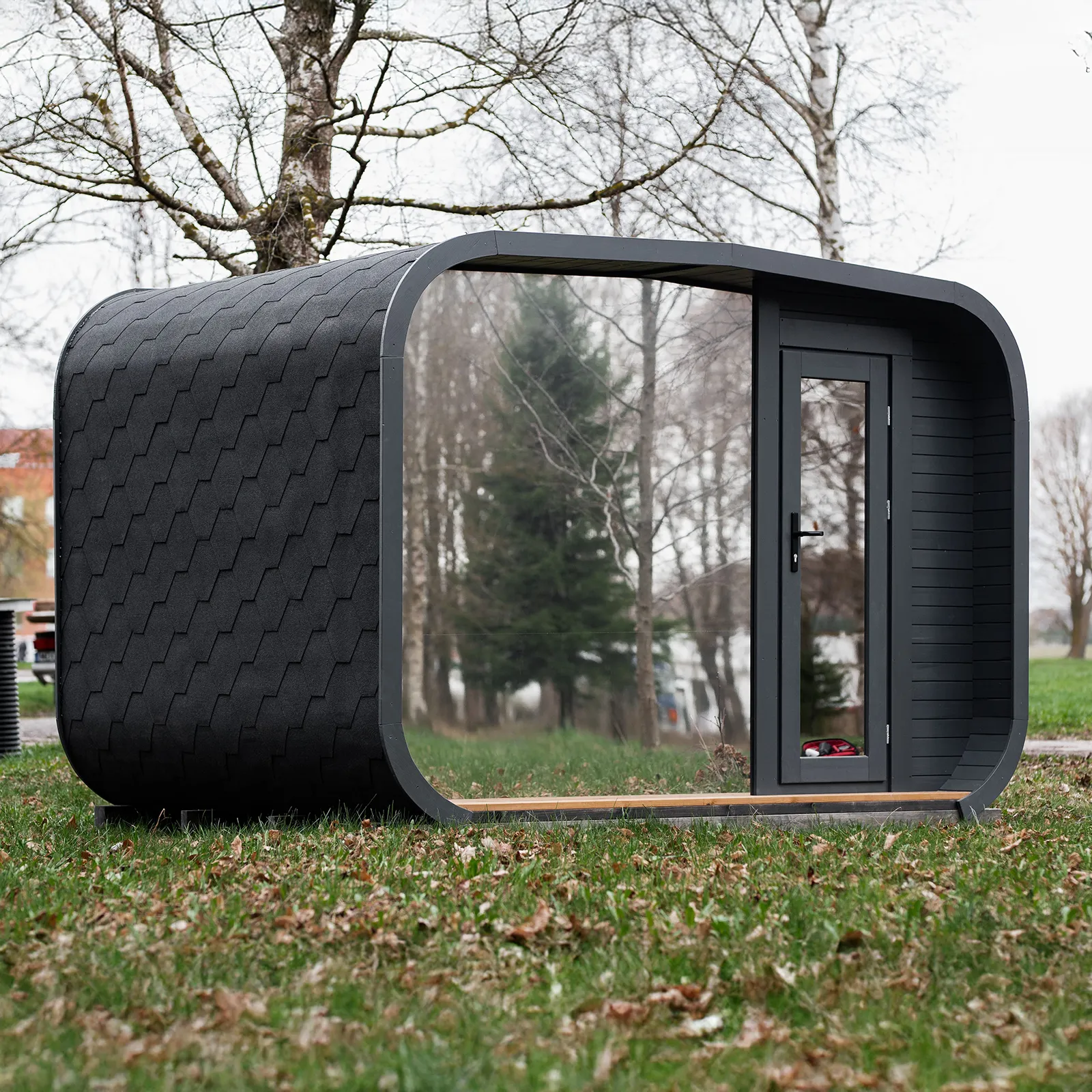
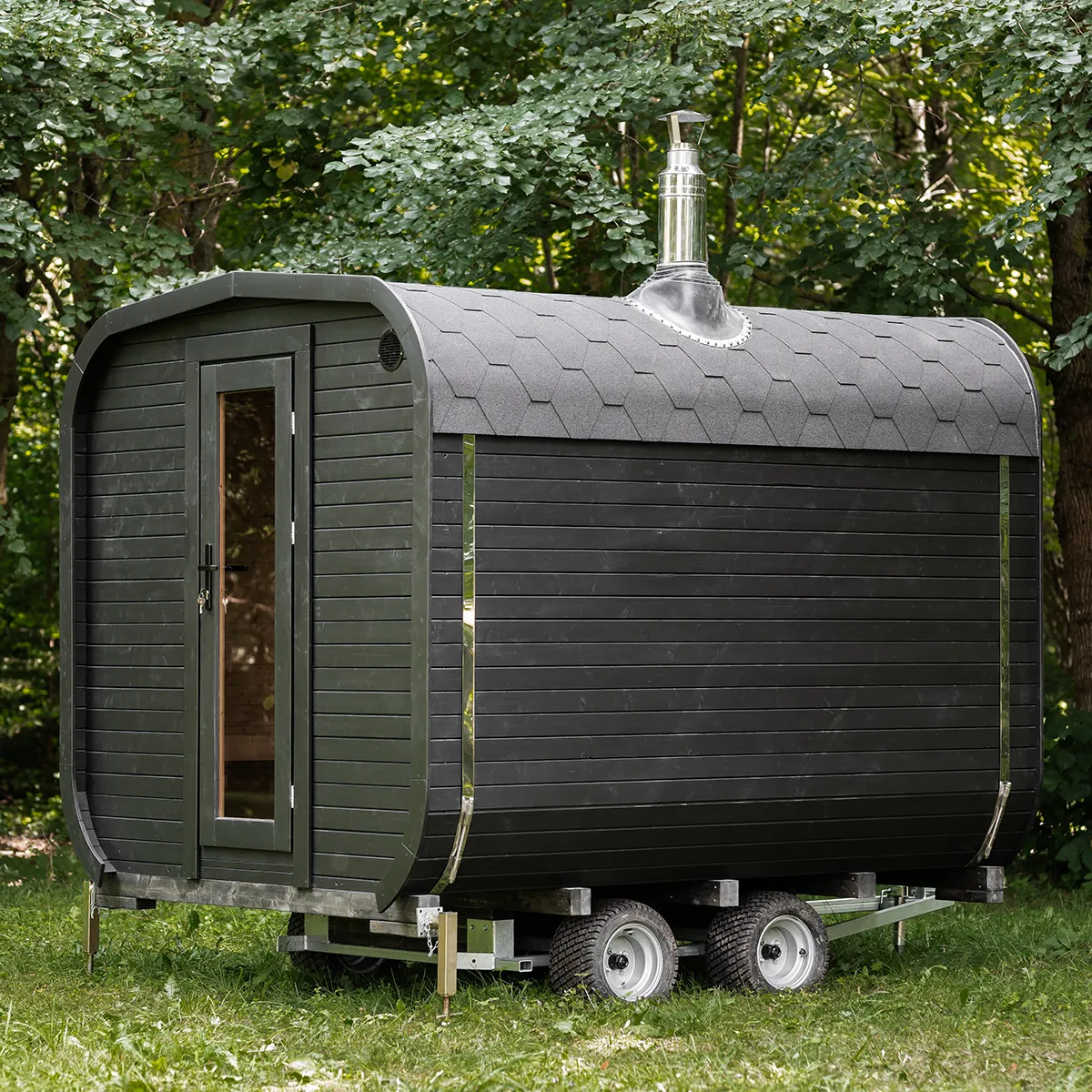
And if you're thinking about adding a sauna to your home - whether for winter resilience or year-round wellness - explore our outdoor sauna collection. For anything specific - sizing, heating options, installation questions - reach out to us. We're happy to help you figure out what fits your space and your goals.
Frequently Asked Questions
Does a sauna help with a cold?
Partially. Regular sauna use has been shown to reduce how often you get colds over time, but once a cold has started, saunas won't cure it or meaningfully shorten it. They can provide temporary relief from congestion, body aches, and general malaise.
Should I use a sauna when I have a fever?
No. Your body is already elevated in temperature to fight the infection. Adding external heat increases dehydration risk, strains your cardiovascular system, and can make symptoms much worse. Wait until you've been fever-free for at least 24 hours.
How often should I use a sauna to prevent colds?
Research shows the benefit kicks in at two or more sessions per week over several months. Four or more sessions per week was linked to the strongest reduction in respiratory disease risk. Consistency over months matters more than intensity.
Can a sauna shorten a cold once I have it?
Current research doesn't support that. A 2010 randomised controlled trial specifically tested whether hot sauna air reduced cold symptoms and found no significant effect on overall symptom severity. Relief during a session is real but short-lived.
Is it safe to use a sauna with just a mild head cold?
For most healthy adults, yes - provided there's no fever, symptoms are mostly above the neck, and you keep the session short (8-12 minutes), cooler than usual, and hydrate well. When in doubt, skip it and rest.
Does a sauna help with allergies or hay fever?
Allergies are a separate mechanism from viral infections, and the evidence on sauna use specifically for allergy symptoms is limited. Some people find temporary congestion relief, but saunas don't address the underlying immune response driving allergic reactions.
Can a sauna help with a sinus infection?
Bacterial sinus infections need medical evaluation, not heat therapy. For mild sinus congestion from a cold, a short gentle session may temporarily ease pressure, but it won't treat an actual infection. If you've had facial pain, coloured discharge, or fever for more than a few days, see a doctor.
Is sauna good after recovering from the flu?
Gentle sessions can help as part of a broader recovery routine, but wait until you've been fever-free for at least 48 hours and have real energy back. Start with shorter, cooler sessions and build back up gradually - flu leaves the body depleted in ways a cold doesn't.
Can children use a sauna when they have a cold?
We'd strongly advise against it. Children regulate body temperature differently from adults, dehydrate faster, and can't always recognise warning signs. Sauna use for children should always be discussed with a paediatrician first, and certainly not attempted during illness.
Does a sauna help with COVID symptoms?
There's no reliable clinical evidence that sauna use treats COVID. Given the cardiovascular and respiratory strain COVID can place on the body, sauna use during active infection is not recommended. Recovery-phase use should follow the same cautious approach as recovering from flu, and ideally after consulting your doctor.


.avif)


%201%20(1).avif)

.webp)
.webp)
.webp)
.webp)
.webp)
.webp)



















.webp)


.webp)
%20(2).jpg)
.webp)
.webp)










.svg)

.png)