
How Long Does It Take For a Sauna to Heat Up?


How long does it take for a sauna to heat up? Most traditional saunas need 30 to 45 minutes to reach optimal temperature, while infrared saunas heat in just 10 to 15 minutes. The exact timing depends on your sauna type, heater power, and whether you're heating indoors or outdoors.
Understanding heating times helps you plan sessions without frustration and ensures you're not wasting energy or cutting your relaxation short. This guide covers preheating times for every sauna type so you know exactly when your sanctuary will be ready.
Electric Sauna Heating Time
How long does an electric sauna take to heat up? Electric saunas typically require 30 to 45 minutes to reach the ideal temperature range of 150-175°F (65-80°C).
Electric heaters begin warming the sauna rocks immediately when switched on. The rocks surrounding the heating elements need time to absorb and radiate heat throughout the space. Smaller saunas (under 50 cubic feet) may reach temperature closer to 25-30 minutes, while larger cabins can take the full 45 minutes or slightly longer.
The advantage of electric heaters is consistency. Once you understand your specific sauna's timing, you can reliably plan ahead. Most people start their heater 35-40 minutes before they want to enter, allowing a buffer for the space to fully stabilize at the desired temperature.
Electric heaters also offer precise temperature control through digital or analog controls, letting you set your preferred heat level and walk away. Learn about electrical requirements for your household setup.
Wood-Burning Sauna Heating Time
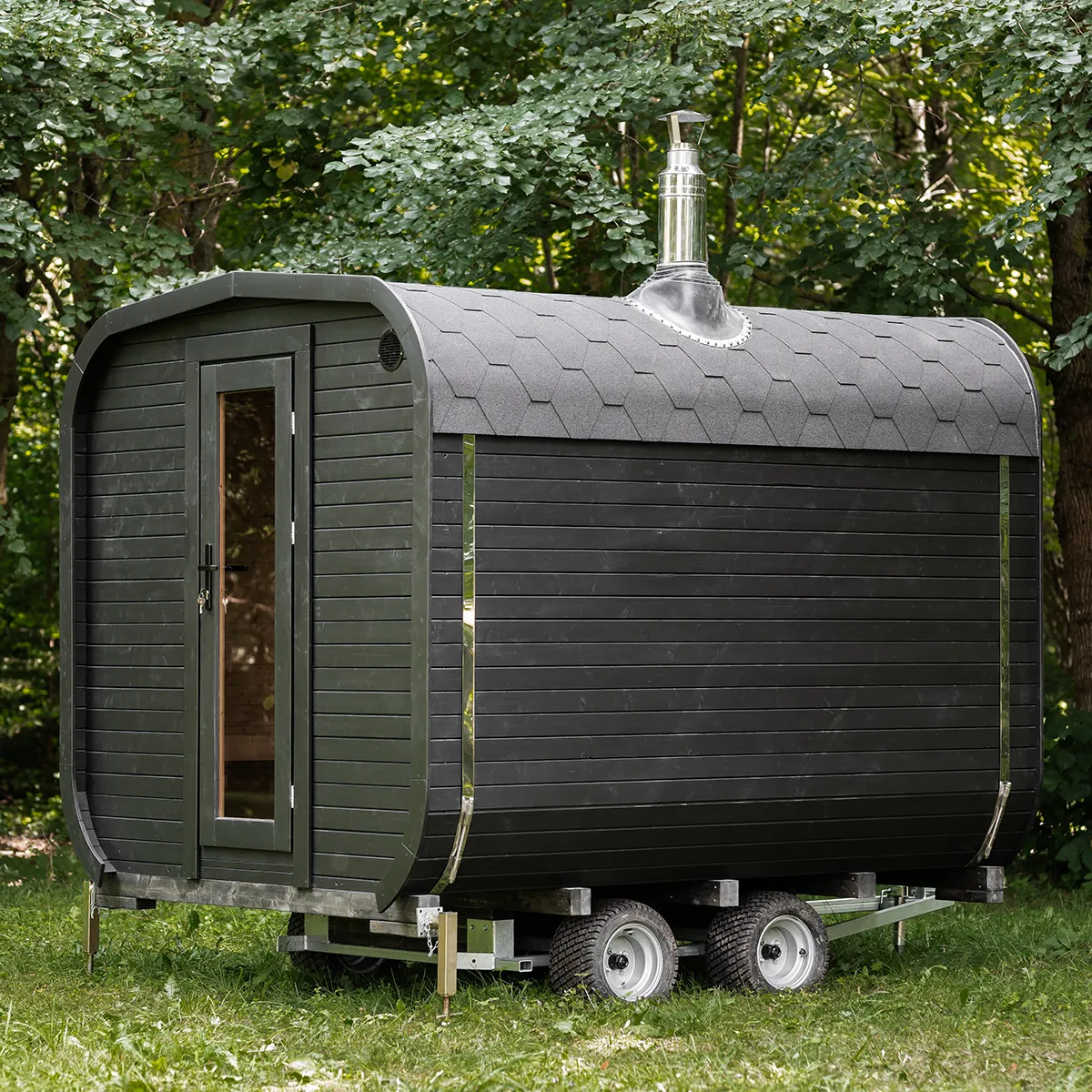
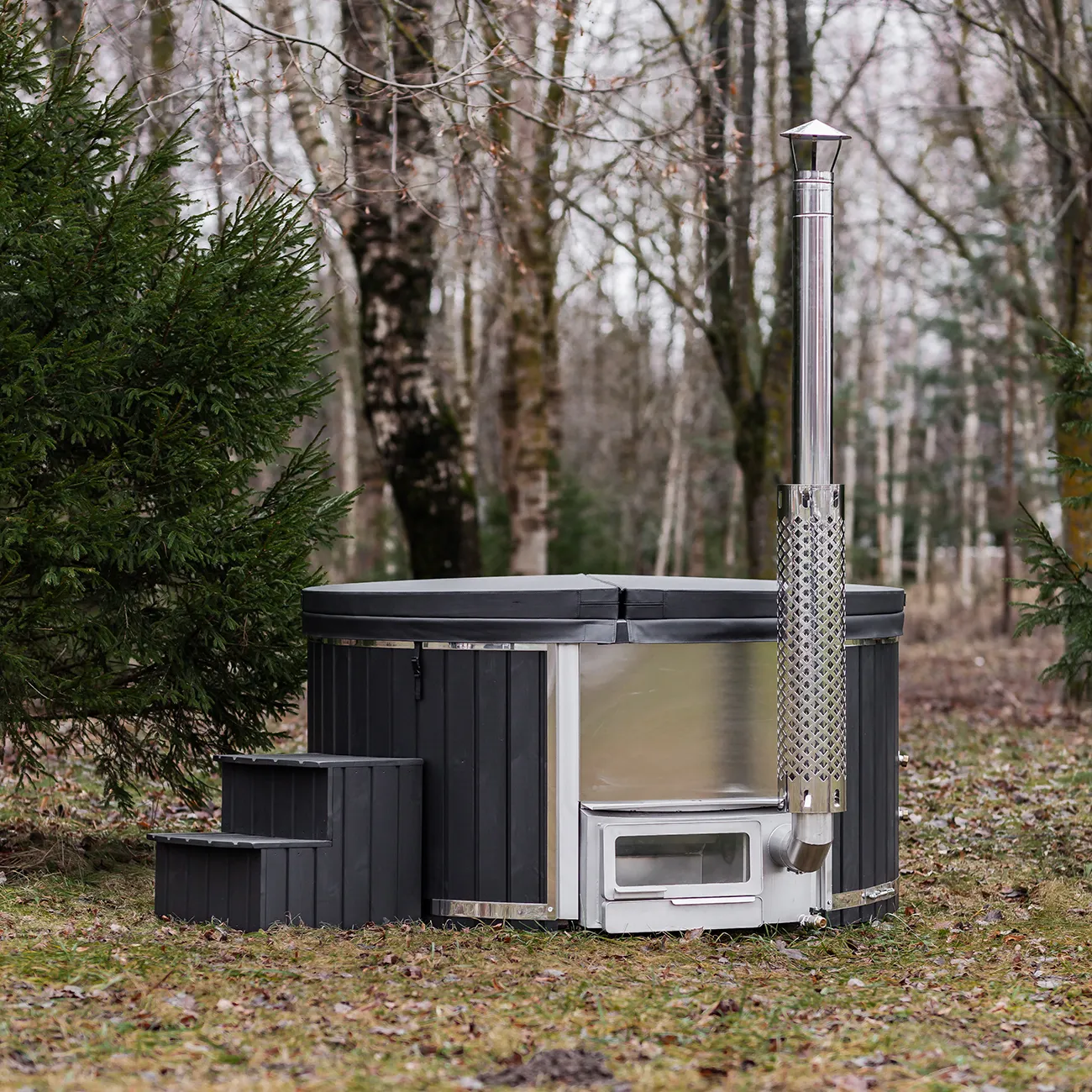
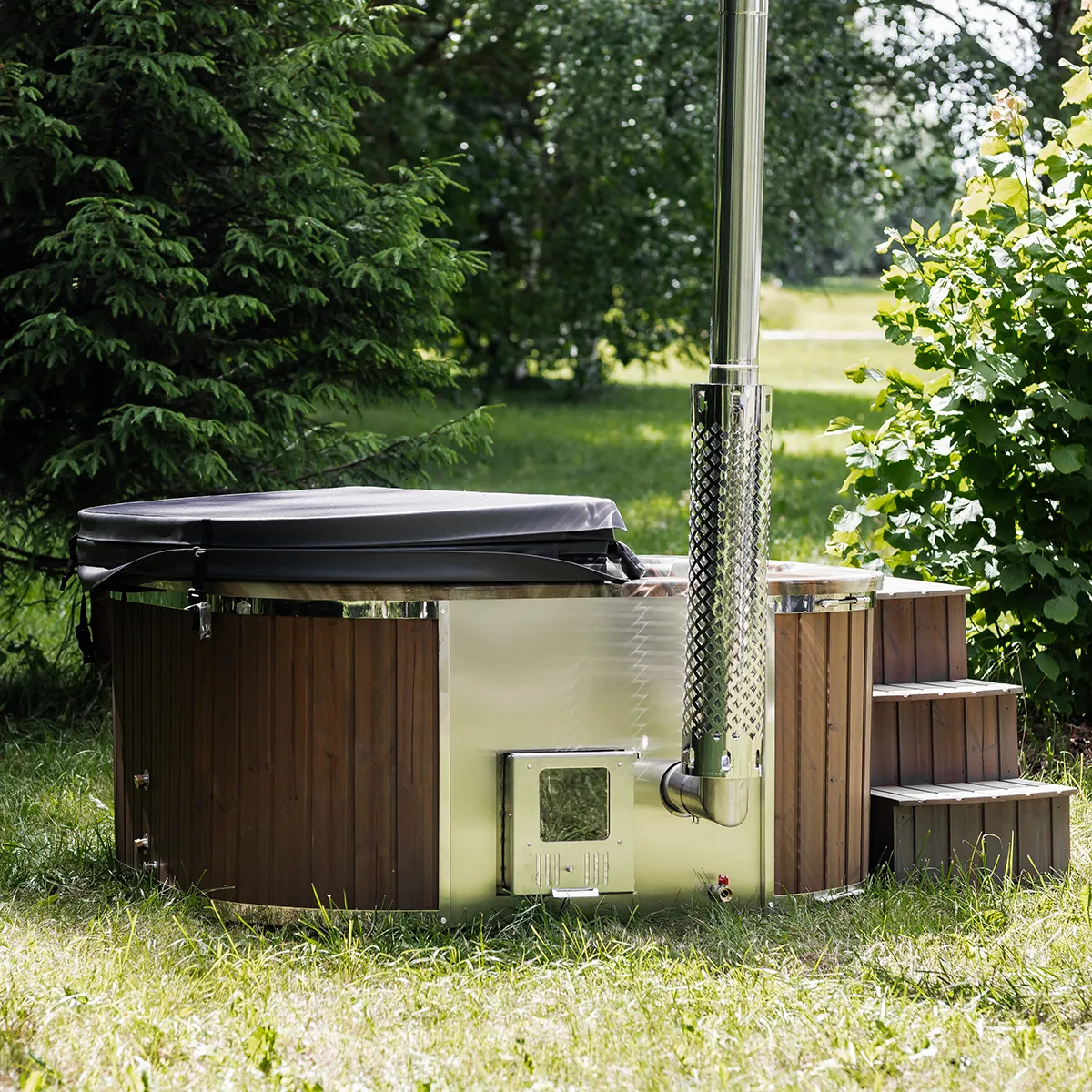
Wood-burning saunas need 30 to 60 minutes to preheat, with timing varying based on wood type, fire intensity, and stove design.
Continuously-Fired Wood Stoves
These modern wood stoves separate the fire chamber from the stones using a compartment that channels exhaust heat. They heat more efficiently than traditional designs, typically reaching optimal temperature in 30-45 minutes. The stones reach lower maximum temperatures but distribute heat more evenly and safely.
Single-Fired Wood Stoves
Traditional single-fired stoves require the fire to burn extremely hot - up to 932°F (500°C) - before the sauna is ready. This process burns off residue that would otherwise enter the sauna air when you add water to the stones. These stoves take 45-60 minutes and demand more attention during the heating phase.
Wood-burning saunas offer an authentic experience. The crackling fire, the ritual of tending the flames, and the gentle natural warmth create an atmosphere that many find meditative. The tradeoff is patience and preparation.
Infrared Sauna Heating Time
How long do saunas take to heat up when they're infrared? Just 10 to 15 minutes - the fastest option available.
Infrared saunas work fundamentally differently from traditional types. Instead of heating air, infrared panels emit light waves that penetrate your body directly, warming you from the inside out. This means the ambient temperature can remain lower (110-130°F) while still producing a deep sweat.
Here's the interesting part: you don't actually need to wait for infrared saunas to fully preheat. The healing benefits begin the moment the panels activate and start emitting infrared light. Many users enter as soon as they turn on the sauna, warming up alongside the cabin.
Carbon heaters heat more quickly and evenly than ceramic heaters, often reaching comfortable temperature in just 10 minutes. Ceramic heaters may take the full 15 minutes but still dramatically outpace traditional options.
If you're comparing sauna types and want deeper details on how each works, explore different types of saunas in our comprehensive guide.

Steam Sauna Heating Time
Steam saunas (also called steam rooms or Turkish baths) heat in approximately 20 to 30 minutes. These spaces operate at lower temperatures (100-120°F) but with near-100% humidity, creating an intensely warm experience despite the relatively moderate air temperature.
Steam generators produce heat and humidity simultaneously, which is why steam rooms reach usable conditions faster than dry traditional saunas that need to heat both space and rocks.
Indoor vs Outdoor Sauna Heating Differences
Location significantly impacts how long does it take a sauna to heat up.
Indoor saunas benefit from:
- Ambient room temperature starting point (typically 68-72°F)
- Protection from wind and weather
- Surrounding insulation from the building structure
- Consistent heating times year-round
Outdoor saunas face additional challenges:
- Starting temperature matches outdoor conditions (potentially 20-40°F in winter)
- Wind exposure that pulls heat away from the structure
- Greater temperature differential to overcome
- Variable heating times depending on season
Outdoor saunas in winter can add 10-20 minutes to standard heating times. A sauna that heats in 35 minutes indoors might need 50 minutes when it's 25°F outside. Quality insulation becomes crucial for outdoor installations.
Proper insulation, weatherproofing around doors, and minimizing gaps help outdoor saunas approach indoor heating efficiency. Compare indoor vs outdoor considerations to understand which suits your situation.
Factors That Affect Heating Time
Sauna Size
Larger volumes require more time. A compact 4x4-foot sauna heats faster than an 8x8-foot cabin, assuming properly sized heaters. Cubic footage determines how much air and wood mass needs warming.
Heater Power
Undersized heaters struggle to reach optimal temperature and take significantly longer. Oversized heaters waste energy and can damage wood through excessive heat. Matching heater output to your sauna's cubic volume ensures efficient heating times without overpowering the space.
Insulation Quality
Well-insulated walls, ceiling, and floor retain heat and reduce heating time. Poor insulation lets heat escape continuously, forcing the heater to work harder and longer. Quality insulation includes:
- Proper vapor barriers to contain steam
- Sealed joints and gaps around doors
- Insulated flooring in outdoor installations
- Weatherproofing in exposed locations
Ambient Temperature
Starting temperature matters. A sauna in a 70°F room reaches target temperature faster than one starting from 30°F outdoor winter conditions. Seasonal variations affect outdoor saunas significantly.
Stone Mass and Placement
In traditional saunas, the quantity and arrangement of stones influences heating speed. More stones take longer to heat initially but retain warmth better and provide superior heat distribution once ready. Properly stacked stones with adequate airflow heat more efficiently than tightly packed arrangements.
Ventilation
Adequate airflow ensures even heat distribution but excessive ventilation wastes energy. Properly positioned intake and exhaust vents balance fresh air circulation with heat retention.
How to Speed Up Sauna Heating
Preheat strategically. Start your sauna 10 minutes earlier than you think necessary. Use this buffer time to prepare - change clothes, hydrate, gather towels. When you're ready, the sauna is too.
Improve insulation. Check for gaps around doors and windows. Add weatherstripping to reduce heat loss. In outdoor saunas, ensure roof and walls have adequate insulation rated for high temperatures.
Maintain your heater. Clean sauna rocks regularly to remove buildup that inhibits heat transfer. Replace damaged or cracked rocks. For electric heaters, inspect elements annually and replace as needed.
Right-size your heater. If heating consistently takes too long, your heater may be undersized. Calculate your sauna's cubic footage (length × width × height) and verify your heater matches manufacturer recommendations for that volume.
Close vents during preheat. Temporarily closing or reducing ventilation during the initial heating phase helps the space reach temperature faster. Open vents to normal position before entering for proper air circulation during use.
Understanding heating times connects to operating costs - longer preheating means more energy consumption. See how much it costs to run a sauna to understand the full picture of energy use and expenses.
Quick Reference: Sauna Heating Times
The Bottom Line
How long does a sauna take to heat up? Traditional electric and wood-burning saunas need 30-45 minutes, while infrared saunas are ready in just 10-15 minutes. Location matters - outdoor saunas in cold weather add 10-20 minutes to these times.
Understanding your specific sauna's heating time transforms your routine from guesswork to ritual. You'll know exactly when to start preheating so your sauna reaches perfect temperature the moment you're ready to step inside.
The few minutes of planning make all the difference between a rushed experience and one where everything aligns - the heat, the timing, your state of mind ready for genuine relaxation.
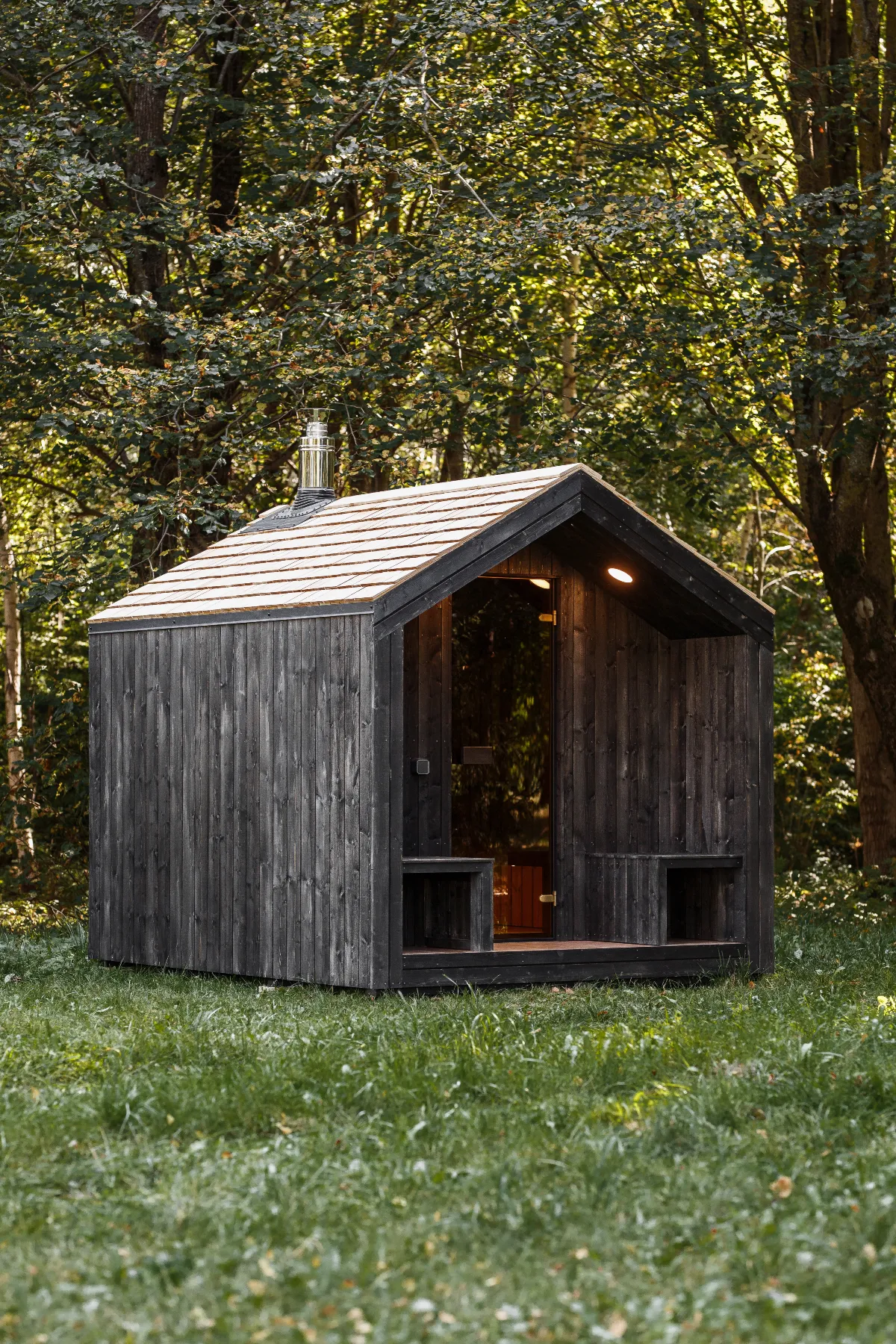
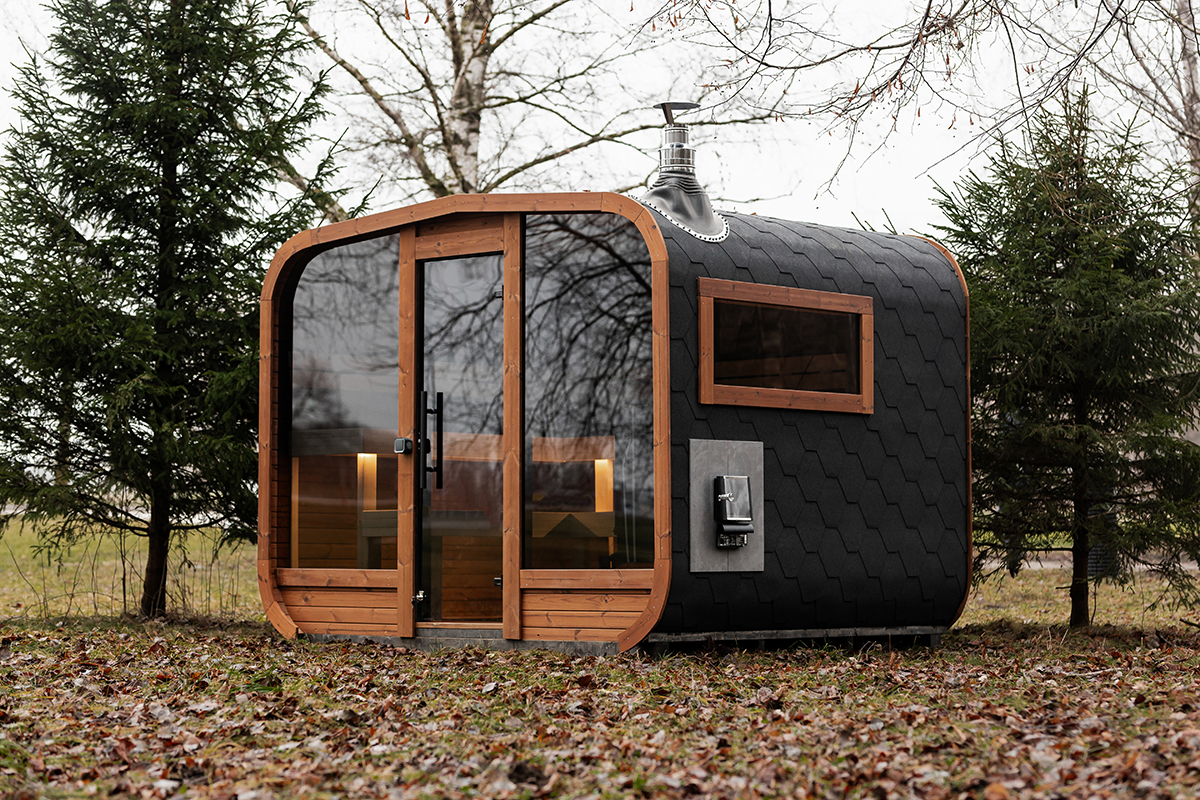
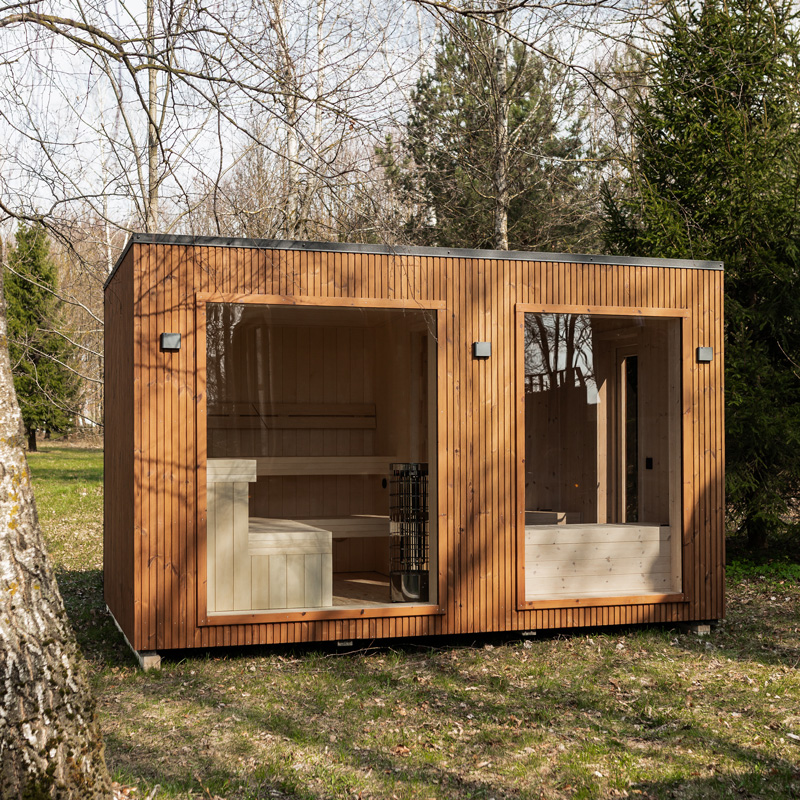
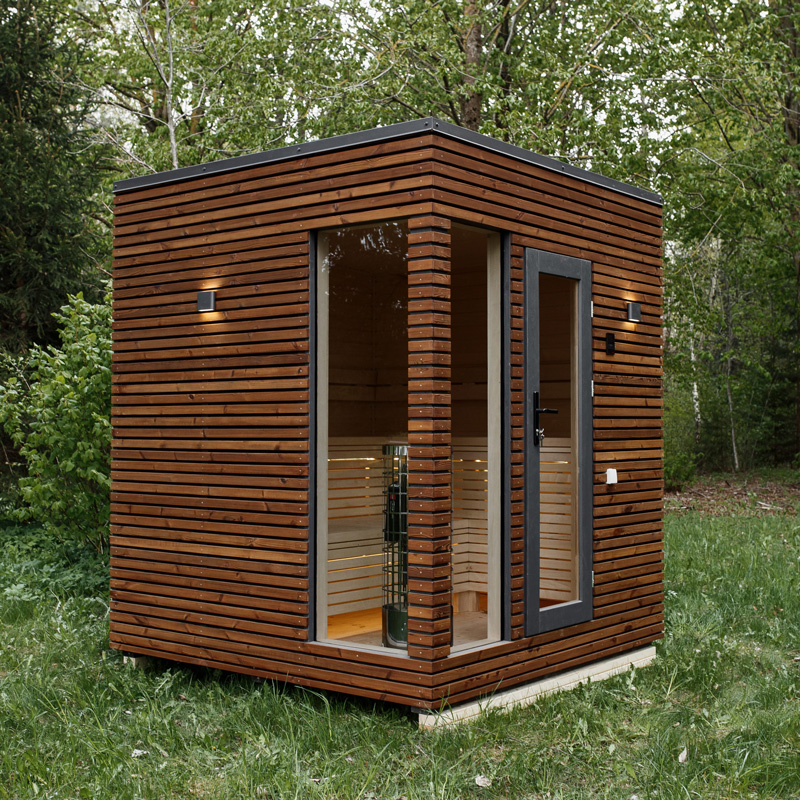
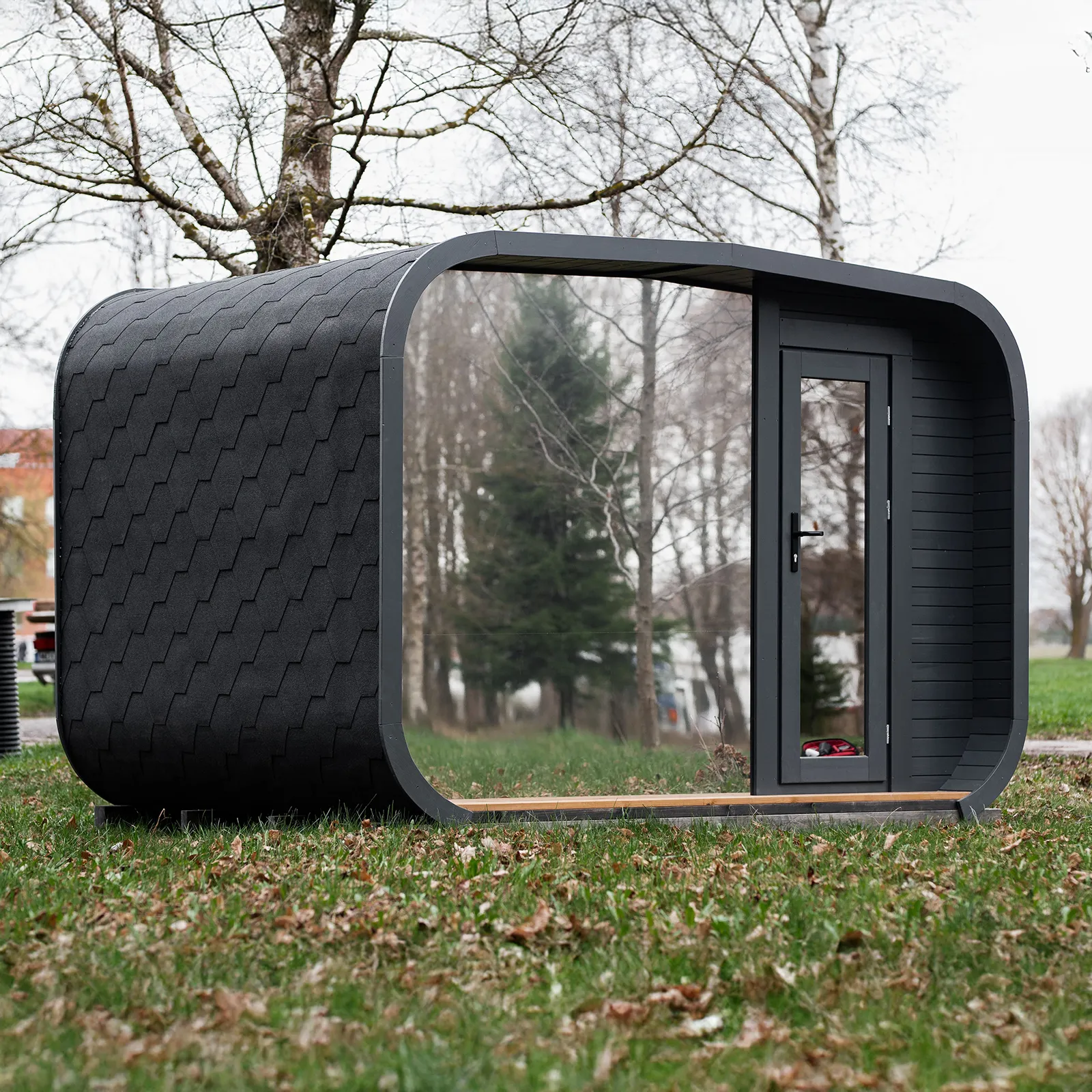
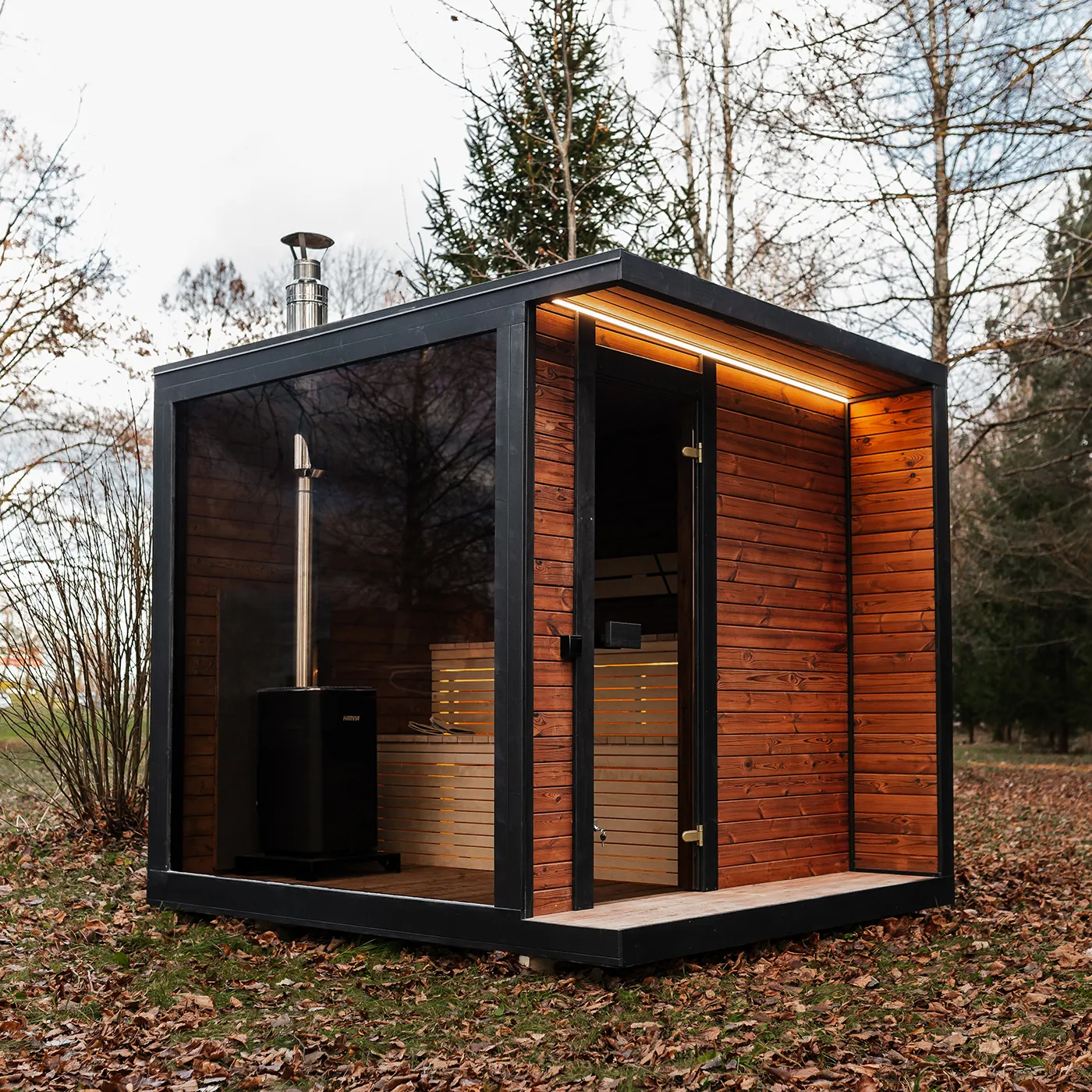
Whether you're planning your first sauna or optimizing an existing setup, our collection of outdoor saunas features designs built for efficient heating and lasting performance.
For questions about heating times, heater sizing, or finding the right sauna for your needs, contact us. We're here to help you create your perfect wellness experience.
Frequently Asked Questions
How long does it take for a sauna to heat up on average?
Most traditional saunas (electric or wood-burning) take 30-45 minutes to reach optimal temperature. Infrared saunas heat much faster at just 10-15 minutes. Steam rooms fall in between at 20-30 minutes.
Can I use a sauna before it fully heats up?
Yes, especially with infrared saunas where the healing benefits begin immediately when panels activate. For traditional saunas, some people enjoy entering during the warmup phase, gradually acclimating as temperature rises. However, waiting for full heat provides the complete experience.
Why does my electric sauna take longer than 45 minutes to heat?
Extended heating times usually indicate undersized heaters, poor insulation, gaps around doors allowing heat escape, or rocks that need replacing. Check that your heater matches your sauna's cubic footage and inspect for obvious heat loss points.
How long does an outdoor sauna take to heat up in winter?
Outdoor saunas in winter typically add 10-20 minutes to standard heating times due to cold starting temperatures and heat loss to the environment. A sauna that normally heats in 35 minutes might need 50 minutes when outdoor temperatures are below freezing.
Do larger saunas always take longer to heat?
Generally yes, if the heater is proportionally sized. A larger sauna has more cubic volume to heat. However, an oversized heater in a small space can heat faster than standard, while an undersized heater in any space will lag behind.
How can I tell when my sauna is ready?
Most electric saunas have thermometers or digital controls showing current temperature. Wood-burning saunas require monitoring with a wall-mounted thermometer. The sauna is ready when it reaches your target temperature (typically 150-175°F for traditional, 110-130°F for infrared).
Does opening and closing the door affect heating time?
Yes. Each time you open the door during preheating, hot air escapes and cold air enters, extending the time needed to reach target temperature. Wait until fully preheated before entering to avoid wasting energy and time.
Should I run my infrared sauna at maximum temperature?
No. Infrared saunas work by direct body heating, not air temperature. Running at 110-130°F provides full benefits while allowing longer, more comfortable sessions. Higher temperatures don't increase infrared effectiveness and may reduce session duration due to discomfort.


.avif)


%201%20(1).avif)

.webp)
.webp)
.webp)
.webp)
.webp)
.webp)










.webp)


.webp)
%20(2).jpg)
.webp)
.webp)










.svg)

.png)