
Is Sauna Good for Eczema and Psoriasis? Benefits & Risks


Eczema and psoriasis aren't just cosmetic issues - they're chronic conditions that can genuinely affect quality of life. If you're living with either and have ever wondered whether a sauna might help (or make things worse), you're asking a fair question. The honest answer is that the research tells us something different for each condition, and the way you use a sauna matters enormously.
At Eden Hut, we've spoken to plenty of customers managing skin conditions who want a sauna for general wellness but are worried about how their skin will react. We think this topic deserves a careful, honest conversation - not a marketing pitch. Here's what the research supports, where it pushes back, and how we'd approach sauna use if you're dealing with either condition.
Before we go any further: if you have moderate or severe eczema or psoriasis, please speak to your dermatologist before adding sauna sessions to your routine. Nothing in this article replaces medical advice. The goal here is to give you honest information to bring into that conversation.
What Eczema and Psoriasis Actually Are
It helps to understand what's happening under the skin before thinking about how heat affects it.
Eczema (atopic dermatitis) is primarily a skin barrier problem driven by immune dysregulation. People with eczema often have reduced levels of filaggrin, a protein that helps form the protective outer layer of skin. When that barrier is compromised, moisture escapes out and irritants get in. The immune system reacts, inflammation follows, and the result is the familiar cycle of dry, itchy, cracked patches - often on elbows, knees, hands, and behind the knees.
Psoriasis is different. It's an autoimmune condition where skin cells turn over too quickly - in days instead of weeks - creating thick, silvery-white plaques on a red base. The plaques commonly appear on elbows, knees, scalp, and lower back. Psoriasis involves systemic inflammation, which is why heat therapy affects it differently than it affects eczema.
These are separate conditions with separate mechanisms. So when someone asks "is sauna good for eczema" or "does sauna help eczema," the answer can be very different from whether it helps psoriasis. Let's take them one at a time.
Sauna and Psoriasis: The Stronger Case
Here's where the research is more encouraging. A published review in Annals of Clinical Research found that sauna bathing helps remove hyperkeratotic scales in psoriasis, and when combined with emollient creams or topical treatments, many patients experience improvement. A broader review in The American Journal of Medicine by Hannuksela and Ellahham confirmed this pattern - psoriasis patients "may experience some relief" from regular sauna bathing.
The mechanisms make sense:
Heat loosens and softens plaques. Those thick, stubborn scales become easier to remove gently after a sauna session. This doesn't cure psoriasis, but it makes moisturisers and topical treatments penetrate better, and it reduces the rough, flaky surface that bothers many people.
Systemic inflammation drops. Psoriasis isn't only a skin condition - it's linked to chronic inflammation throughout the body. Regular sauna use has been shown to reduce inflammatory markers like C-reactive protein, which is relevant for a condition driven by immune activation.
Stress is a major trigger. Psoriasis flare-ups are strongly associated with stress. Regular sauna sessions lower cortisol over time and shift your nervous system into a rest-and-recover state - a benefit we cover in depth in our guide to sauna benefits you'll actually experience. For psoriasis specifically, this stress-reduction pathway may be one of the most valuable effects.
Winter relief. Many psoriasis sufferers report symptoms worsening in cold, dry months. Having a warm, humid(ish) environment you can step into year-round offers some of the same benefits that sunny holidays seem to provide.
Our honest take: if you have mild to moderate plaque psoriasis and your dermatologist has no specific objections, regular sauna use can reasonably be added to your wellness routine. Think of it as a supportive practice alongside your prescribed treatment - not a replacement. We've had customers with psoriasis tell us consistent sauna sessions have made their skin easier to manage, though results vary person to person.
Sauna and Eczema: The More Complicated Picture
Eczema is where things get nuanced. Are saunas good for eczema? Sometimes yes, sometimes no, and individual response varies dramatically.
The same American Journal of Medicine review that supported sauna use for psoriasis noted that sweating can cause intense itching in some patients with atopic dermatitis. Sweat contains sodium, urea, and lactate - fine on healthy skin, genuinely irritating on raw or cracked eczema patches. Some eczema sufferers also experience cholinergic urticaria, where a rise in body temperature triggers hives and itching.
That's the cautious side. On the other hand, there are real mechanisms by which sauna use could help:
Barrier improvement over time. Research on regular sauna users has shown improved skin hydration, stronger barrier function, and better pH recovery. Since eczema is fundamentally a barrier problem, this is directly relevant - provided the skin tolerates the heat in the first place.
Stress and sleep. Eczema flares correlate heavily with stress and poor sleep. Both improve with consistent sauna use.
Improved circulation. Better blood flow to the skin delivers oxygen and nutrients and supports healing.
Reduced systemic inflammation. The same anti-inflammatory effects that benefit psoriasis apply here.
Our honest take: if you have mild eczema that's currently stable (not in active flare), a gentle, carefully managed sauna practice is worth considering - with your dermatologist's blessing. If you're in an acute flare, have raw or weeping skin, or know your eczema is triggered by sweat or heat, this is not the right time. Wait until things settle before experimenting.
What About Other Types of Eczema?
Worth noting: atopic dermatitis is the most researched, but there are others.
Contact dermatitis is triggered by specific irritants. A sauna session won't inherently worsen it unless the cedar oils, wood dust, or cleaning products you encounter trigger your specific sensitivity. Most well-built saunas are fine, but if you know you react to certain woods, check the materials.
Seborrheic dermatitis (often scalp and face) can respond badly to heat and sweat, particularly because the yeast involved thrives in warm, moist environments. Generally not a good candidate for regular sauna use during active flares.
Nummular eczema and dyshidrotic eczema behave closer to atopic dermatitis - response varies, and careful introduction is the only way to know.
How to Use a Sauna with Eczema or Psoriasis
If you've decided (ideally with your doctor) that you want to try sauna sessions, here's how we'd approach it. These principles also apply to our broader guidance on sauna tips to get maximum benefits, but sensitive skin needs extra care.
Start very gently. Lower temperature (around 60-70°C for traditional saunas, or the lower end of an infrared's range), short sessions (8-10 minutes), once or twice a week. You're testing your skin's reaction, not chasing benefits.
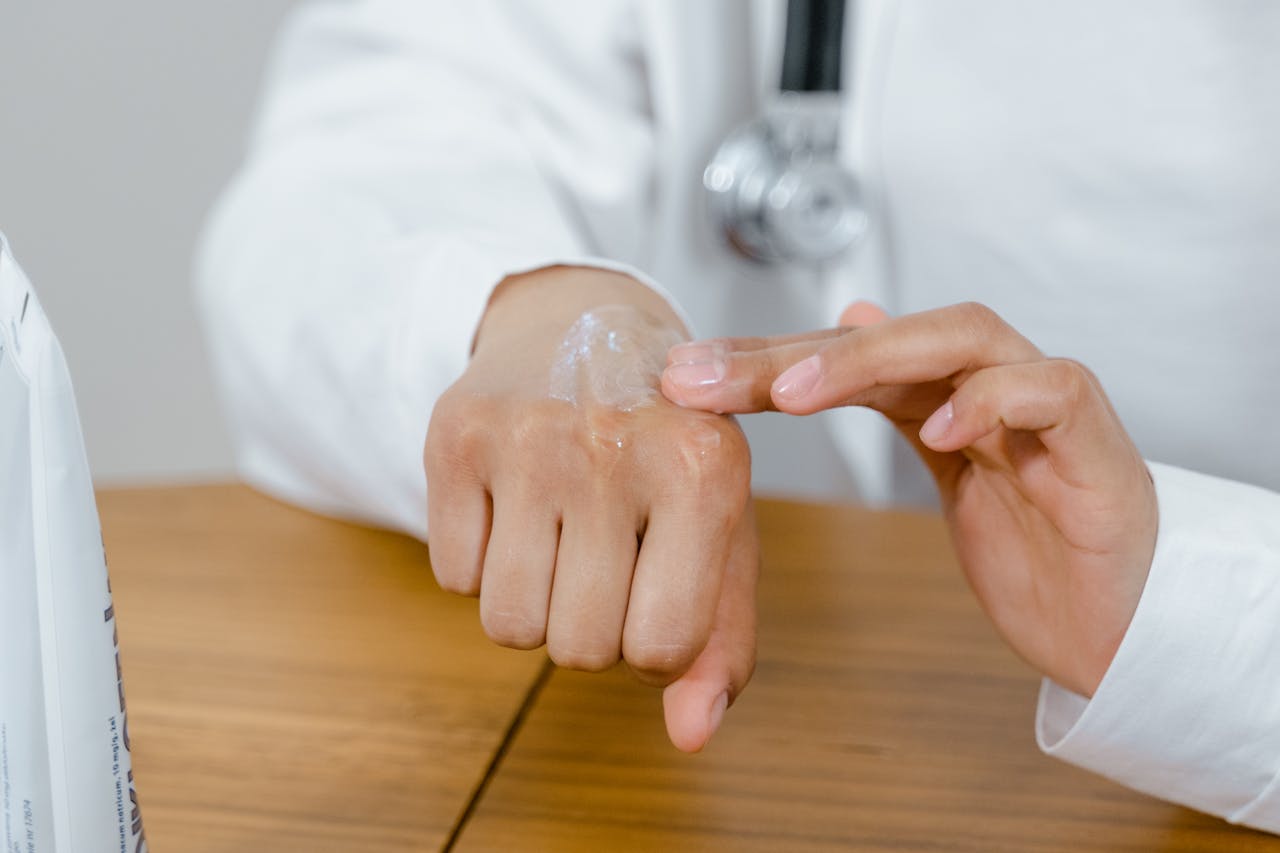
Moisturise before you go in. A thin layer of a fragrance-free, occlusive moisturiser or petroleum jelly on affected areas can protect raw skin from sweat irritation. This is particularly valuable for eczema.
Wipe, don't let sweat linger. For eczema especially, wiping sweat off as you go prevents the salt from sitting on compromised skin.
Rinse immediately after. Lukewarm water - not hot, not cold. Skip harsh soap. Just a gentle rinse to remove the sweat-oil mixture.
Apply your real moisturiser within three minutes. This is the golden rule of dermatology and it matters more for you than for almost anyone else. Pat skin dry (don't rub), and within three minutes apply a proper emollient or whatever topical your dermatologist has prescribed. The sauna has temporarily opened your skin to absorb it better.
Hydrate heavily. Water and electrolytes before and after. Dehydration is hard on any skin and worse on compromised skin.
Track your response. Keep a simple note for the first month. How did your skin feel the day of, the day after? If a pattern emerges of worsening symptoms, stop. If you see gradual improvement, you've found something useful.
Skip the sauna during active flares. Wait until things settle. Heat on raw, weeping, or severely inflamed skin is not therapeutic.
Other Skin and Skin-Adjacent Conditions That May Respond Well
Since you're reading about skin conditions, it's worth mentioning that saunas have been studied or anecdotally reported to help with several adjacent issues. None of this is a cure; all of it deserves a doctor's input.
Rheumatoid arthritis and related inflammatory joint conditions. Research on sauna use shows pain relief and improved joint mobility in rheumatic disease. Many people with psoriasis also have psoriatic arthritis, so this overlap matters.
Fibromyalgia. Chronic pain and stiffness often respond well to consistent heat therapy.
Asthma and chronic bronchitis. Studies have shown transient pulmonary function improvements in saunas. Not a treatment, but useful symptom relief for some.
Fungal skin infections. The heat of a sauna has been shown to inhibit common dermatophytes - though hygiene in shared facilities is a separate concern. Less relevant for home sauna users.
Chronic stress conditions. Anxiety, burnout, poor sleep - all of these indirectly affect skin health. Consistent sauna use addresses them at the root. This is genuinely one of the more underrated benefits of regular sauna bathing, and we've covered it more fully in our guide on the remarkable benefits of saunas and why you should have one.
Which Sauna Type Fits a Sensitive Skin User?
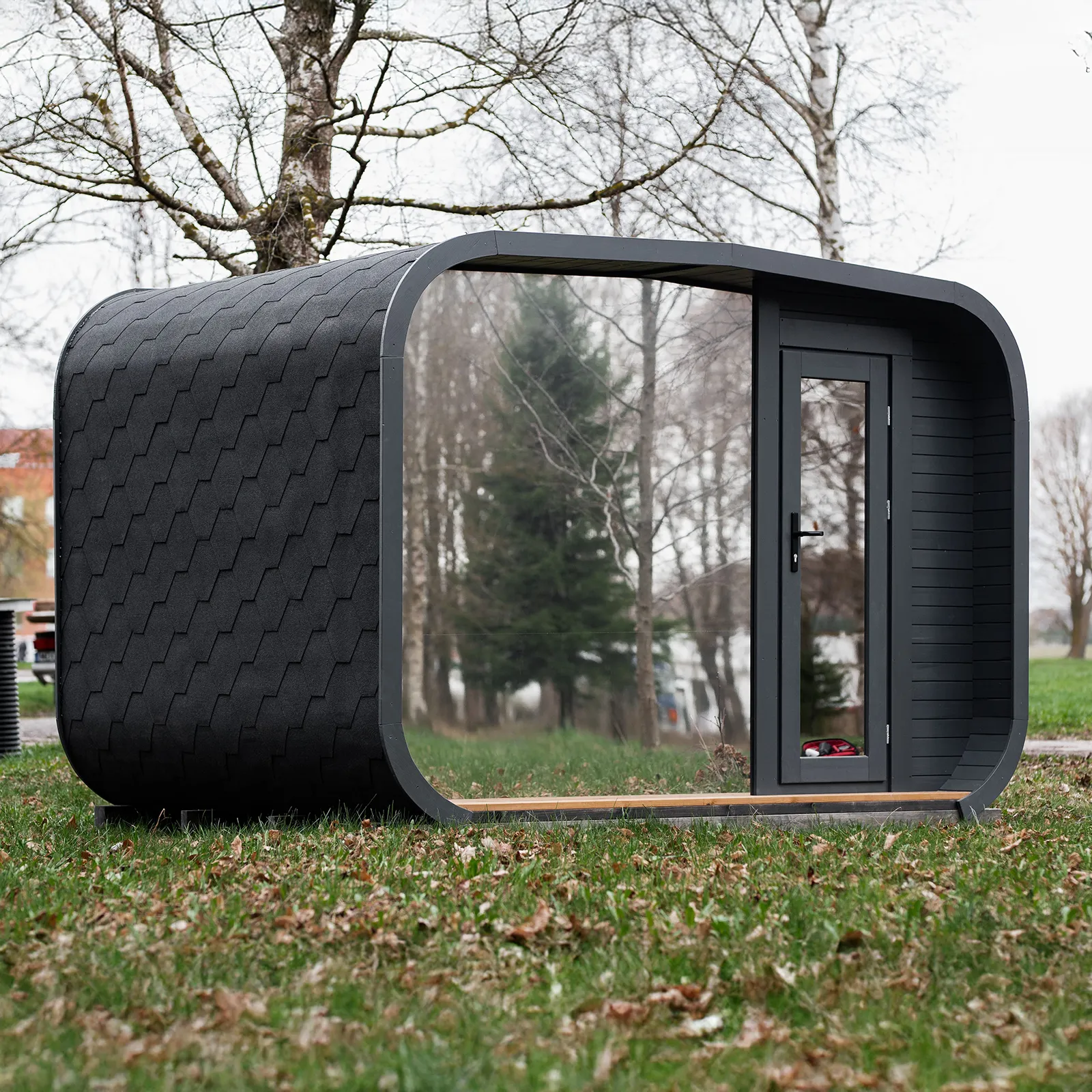
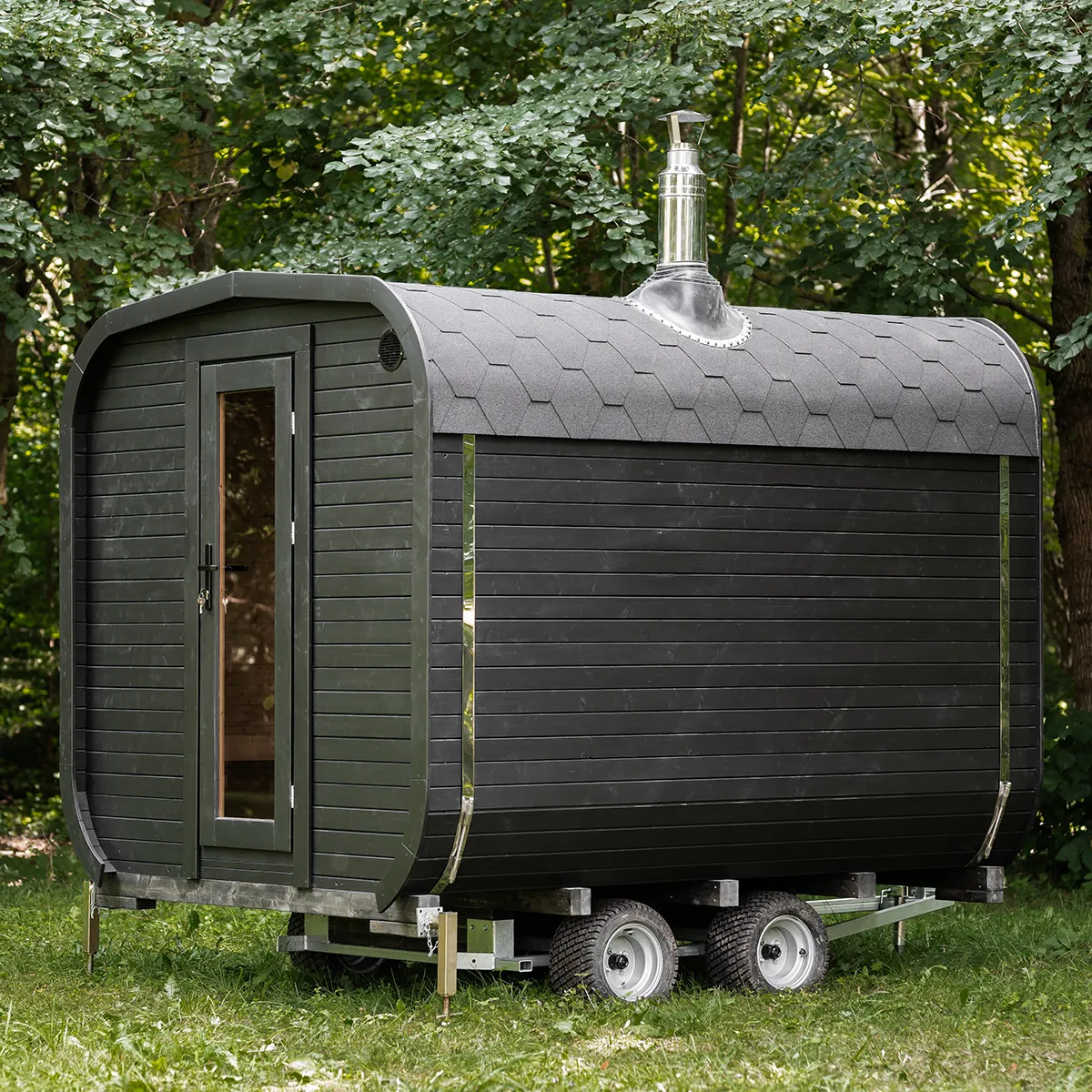
Different sauna types offer different experiences, and for eczema or psoriasis, the choice can matter. Traditional Finnish saunas provide the intensity that the research is based on, but the high heat may be too much for sensitive skin at first. Infrared saunas run cooler and can be more tolerable for those who flare easily with heat. Steam rooms add humidity, which some people find soothing for psoriasis but which can worsen seborrheic dermatitis or areas prone to infection.
If you're still weighing options, our guide to different types of saunas walks through the trade-offs of each. For sensitive skin specifically, we generally suggest starting with a traditional sauna at lower temperatures and lower humidity - you get the research-backed effects with control over intensity.
A Note on Our Products
We build traditional outdoor saunas, and we're not going to pretend one of them will cure a chronic skin condition. But we do believe that a well-made, comfortable, properly insulated sauna in your own garden is easier to use consistently, easier to control (temperature-wise), and safer for someone managing a skin condition than relying on gym facilities or public saunas. Shared saunas carry minor but real hygiene concerns for compromised skin - having your own removes that variable.
If you're considering one and want to make sure it fits your space, budget, and specific health context, reach out to us. We're happy to talk through what would work and what wouldn't.
The Bottom Line
Does sauna help with eczema? For some people, yes - especially those with stable, mild eczema, when approached gently, with proper skin care before and after. For others, particularly those sensitive to sweat or heat, it can worsen symptoms. Individual response matters most.
Is sauna good for psoriasis? The research is more encouraging here. Regular sauna use can help soften plaques, reduce systemic inflammation, and manage stress triggers. It's not a cure, and it doesn't replace prescribed treatment - but it can be a genuinely useful complementary practice.
For both conditions, your dermatologist should be in the loop before you start. The goal isn't to treat a serious condition with heat therapy alone - it's to add a supportive practice that may make the broader management plan work better.
Curious to Learn More?
If you're thinking about a sauna for general wellness - and the skin-condition question is just part of a bigger decision - have a look at our outdoor sauna collection to see what a home setup actually looks like. For anything specific, whether it's sizing, heat control, or health-related questions, get in touch. We'll give you an honest answer, and if a sauna isn't the right fit for your situation, we'll tell you that too.
Frequently Asked Questions
Is sauna good for eczema?
It depends. For mild, stable eczema, careful and gentle sauna use may support barrier function and reduce stress triggers. For active flares, raw skin, or heat-sensitive eczema, it can cause intense itching and worsen symptoms. Always consult your dermatologist first.
Does sauna help psoriasis?
The research is more supportive here. Sauna bathing has been shown to help loosen the thick scales associated with psoriasis, reduce systemic inflammation, and help manage stress-triggered flare-ups. It works best alongside prescribed treatment, not instead of it.
Can a sauna cure eczema or psoriasis?
No. Both are chronic conditions with no cure. Sauna use is a complementary practice that may help manage symptoms for some people - it doesn't replace medications, topicals, or dermatologist-directed care.
Should I use a sauna during an eczema or psoriasis flare?
Generally no, especially during severe flares. Raw, weeping, or highly inflamed skin doesn't tolerate heat or sweat well. Wait until your skin has stabilised before introducing sauna sessions.
Is infrared or traditional sauna better for skin conditions?
Both have merits. Infrared operates at lower temperatures and may be more tolerable for heat-sensitive skin. Traditional Finnish saunas have more research behind them and can be used at lower temperatures if needed. The best option is the one you'll use consistently and that your skin tolerates.
Can I use a sauna if I'm on topical steroids or immunosuppressants?
This is a conversation for your doctor, not something to work out on your own. Some medications affect how your skin reacts to heat, and some conditions require specific precautions. Always check with your prescriber before adding sauna use.
Does sweating help or hurt eczema?
Both, depending on the situation. Sweat contains antimicrobial peptides that support skin health, but it also contains salts and acids that irritate compromised skin. Wiping sweat promptly, rinsing after sessions, and moisturising immediately after all help skew the balance toward benefit.
Can children with eczema use saunas?
This needs a paediatric dermatologist's input. Children regulate body temperature differently from adults, and sensitive skin responds unpredictably to heat. Don't improvise this one.
How long before I'd notice improvements?
If it's going to work for you, expect 4-8 weeks of consistent use before you see meaningful changes. Skin barrier improvements and inflammation reduction are cumulative, not instant. If symptoms worsen early, stop sooner.
Is it safer to use a home sauna than a public one if I have a skin condition?
Generally yes, particularly for eczema where broken skin is more vulnerable to bacteria and fungi in shared spaces. A home sauna also lets you control temperature, humidity, and hygiene much more tightly.


.avif)


%201%20(1).avif)

.webp)
.webp)
.webp)
.webp)
.webp)
.webp)



















.webp)


.webp)
%20(2).jpg)
.webp)
.webp)











.svg)

.png)