
Sauna Floor Ideas: Choosing the Perfect Foundation


When designing your home sauna, it's easy to get swept up in the excitement of selecting heaters, planning bench layouts, and imagining those first moments of warming heat. But here's something that's often overlooked until it becomes a problem: your sauna floor. This foundational decision affects everything from safety and comfort to the longevity of your entire wellness sanctuary. Take your time to get acquainted with this topic now, and you'll save yourself from costly mistakes and frustrating repairs down the road.
The right sauna flooring does more than simply provide a surface to walk on. It creates the foundation for safe, hygienic heat sessions while quietly supporting the structure and experience you've invested in creating. Let's explore the essential considerations that will guide you toward the perfect choice for your space.
Understanding What Makes Great Sauna Flooring
Your sauna floor exists in a uniquely demanding environment. It faces constant temperature fluctuations, exposure to moisture from steam and perspiration, and the weight of regular foot traffic - all while needing to remain safe and comfortable underfoot. The material you choose must handle these challenges with grace.
Essential characteristics include moisture resistance to prevent warping and decay, slip resistance for safety in wet conditions, durability to withstand years of use, and thermal properties that keep surfaces comfortable even when the room heats up. Additionally, your flooring should be relatively simple to clean and maintain, because the easier it is to care for, the more you'll actually enjoy using your sauna.
The Best Sauna Floor Materials Worth Considering
Thermally Modified Wood: Our Trusted Choice
At Eden Hut, we've found that thermally modified wood - particularly thermally modified spruce and aspen—provides the ideal balance of performance, beauty, and longevity for sauna environments. This isn't just our preference; it's based on years of real-world experience watching how different materials perform in the unique conditions of a working sauna.
Thermally modified wood undergoes a chemical-free treatment process using only heat and steam, which fundamentally alters the wood's structure. This transformation removes the natural sugars that attract fungi and insects, dramatically improving the wood's resistance to moisture, decay, and dimensional changes. Unlike untreated wood that expands and contracts with humidity fluctuations, thermally modified wood remains remarkably stable.
The practical benefits are substantial. You'll notice fewer cracks, less warping, and a material that maintains its integrity season after season. The process also creates a rich, consistent color throughout the wood—no uneven patterns or fading that can occur with other materials. With proper care, thermally modified wood can provide durability that exceeds traditional cedar by decades, offering a service life of 25 years or more.
Beyond performance, there's an aesthetic warmth to thermally modified wood that enhances the entire sauna experience. The natural grain patterns and deep, even coloring create a sense of authentic craftsmanship that welcomes you into your wellness space.
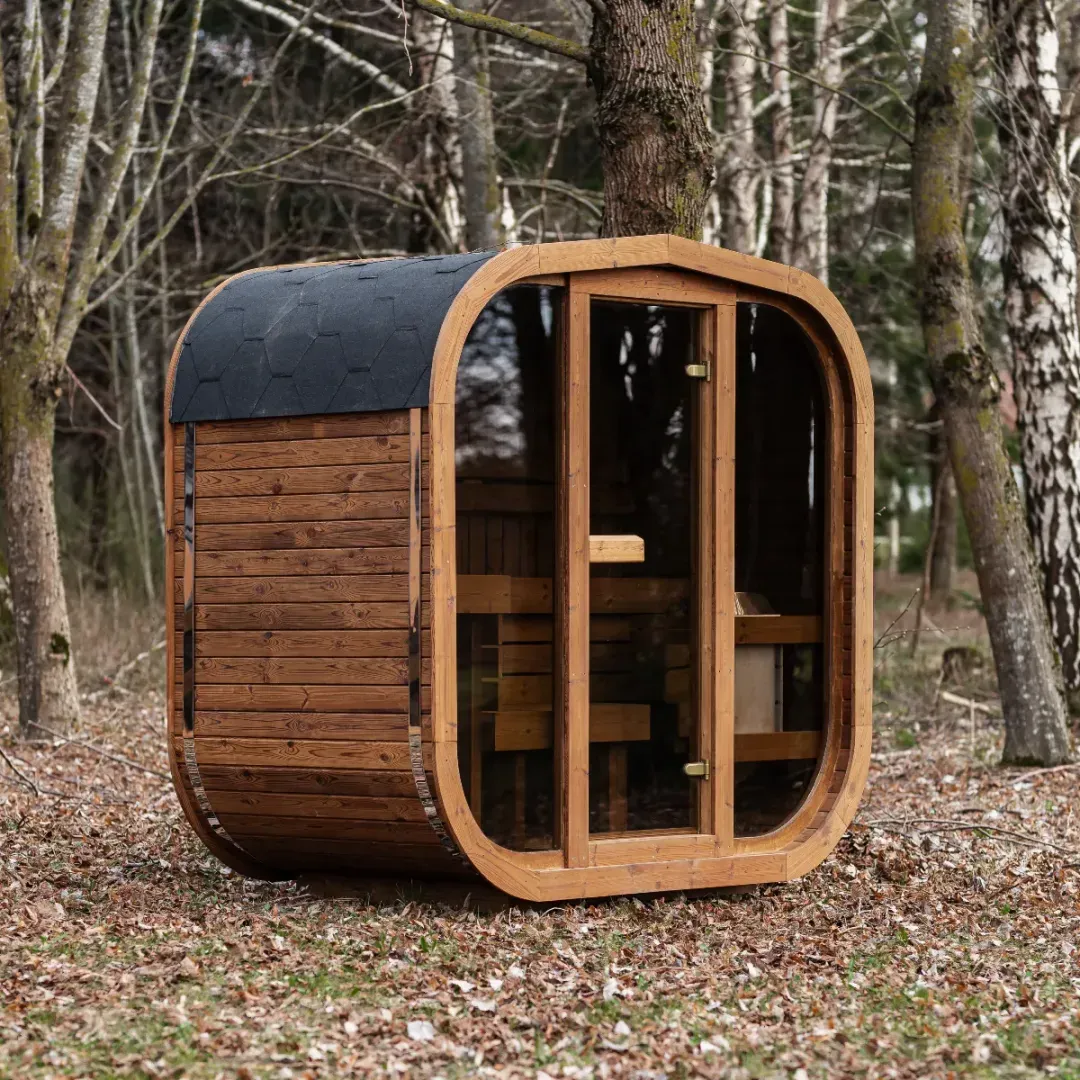
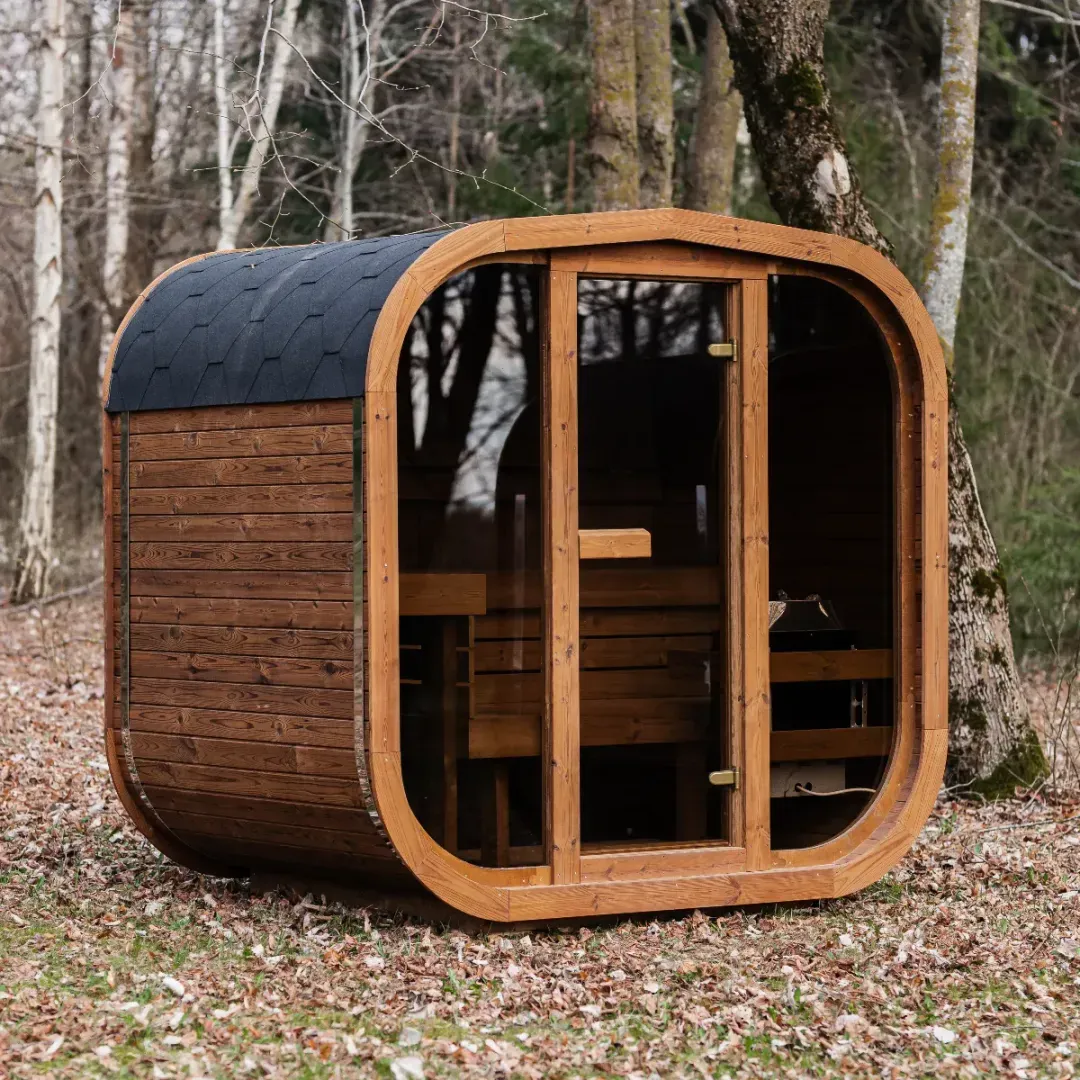
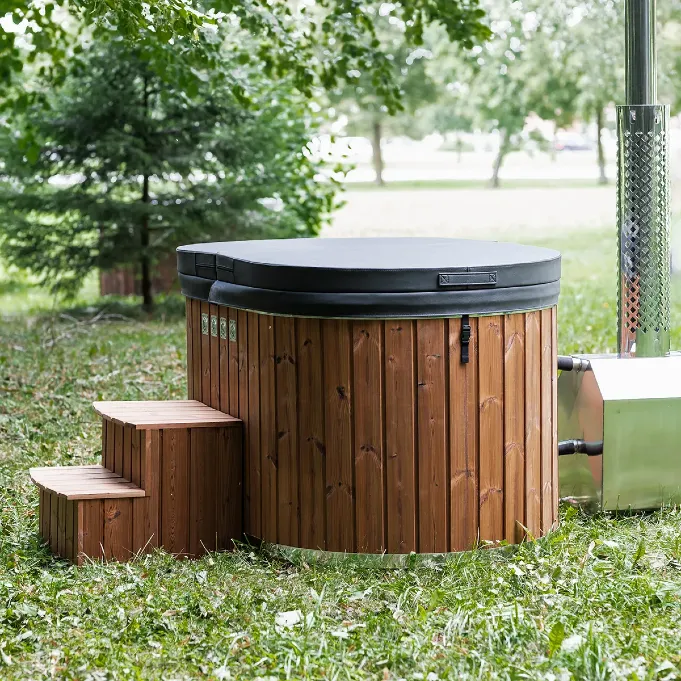
Meet Solara, our top thermo wood barrel sauna.
Cedar: The Traditional Choice
Western Red Cedar has long been favored for sauna construction, and for good reason. Its natural aromatic oils create that classic sauna scent, while its inherent resistance to rot and insects provides reliable protection. Cedar remains relatively cool to the touch even in high heat, making it comfortable underfoot during sessions.
However, cedar does require more attention than you might expect. In very humid environments or without regular sealing, it can develop surface checks (small cracks) or even green staining over time. The wood's quality has also become increasingly inconsistent in recent years, with many suppliers struggling to source premium grades. Annual sealing and periodic refinishing are typically necessary to maintain both appearance and performance.
For sauna floors specifically, cedar works well when properly maintained, though it may not offer the same long-term stability as thermally modified alternatives. If you're drawn to cedar's traditional appeal, opt for Clear Select grade and commit to the maintenance schedule it requires.
Tile and Stone: Practical and Durable
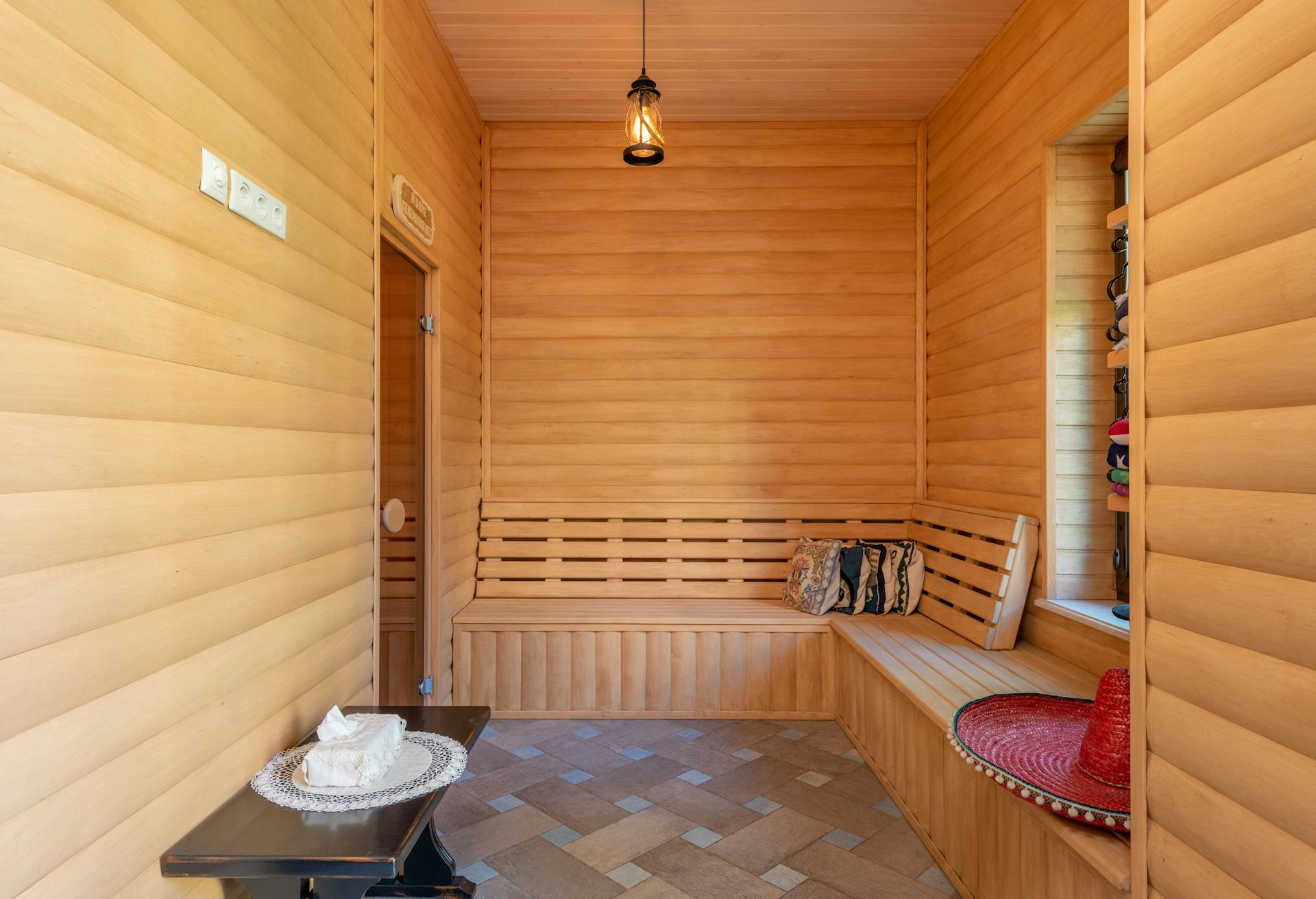
Ceramic tile and natural stone bring their own advantages to sauna flooring. They're inherently moisture-resistant, exceptionally durable, and straightforward to clean - simply wipe them down after each session. Tile can handle the heat without any concerns about warping or decay.
The primary consideration with tile is slip resistance, especially when wet. Look for textured surfaces or specialized anti-slip tiles designed for wet environments. Also keep in mind that tile can feel cold underfoot when you first step into the sauna, though it warms relatively quickly. Some sauna owners address this by placing wooden duckboards (raised wooden slats) over tile floors, combining the durability of tile with the warmth of wood.
Professional installation is typically recommended for tile to ensure proper drainage and a level surface. The grout lines between tiles require regular cleaning to prevent bacteria and mold buildup, though sealed, nonporous tiles themselves are quite hygienic.
Concrete: The Stable Foundation
Sealed concrete provides one of the most durable and low-maintenance options for a waterproof sauna floor. When properly sealed with a polyurethane or epoxy coating, concrete becomes completely nonporous and moisture-resistant while remaining easy to clean.
Concrete's thermal mass can actually be an advantage, helping to regulate temperature and humidity within the sauna space. However, bare sealed concrete can become slippery when damp, so many sauna owners layer wooden duckboards or rubber mats over the concrete for improved grip and comfort.
If you're building a new sauna from the ground up, starting with a sealed concrete base gives you flexibility. You can leave it as-is with slip-resistant additives mixed into the sealant, or use it as a waterproof foundation for other flooring materials layered on top.
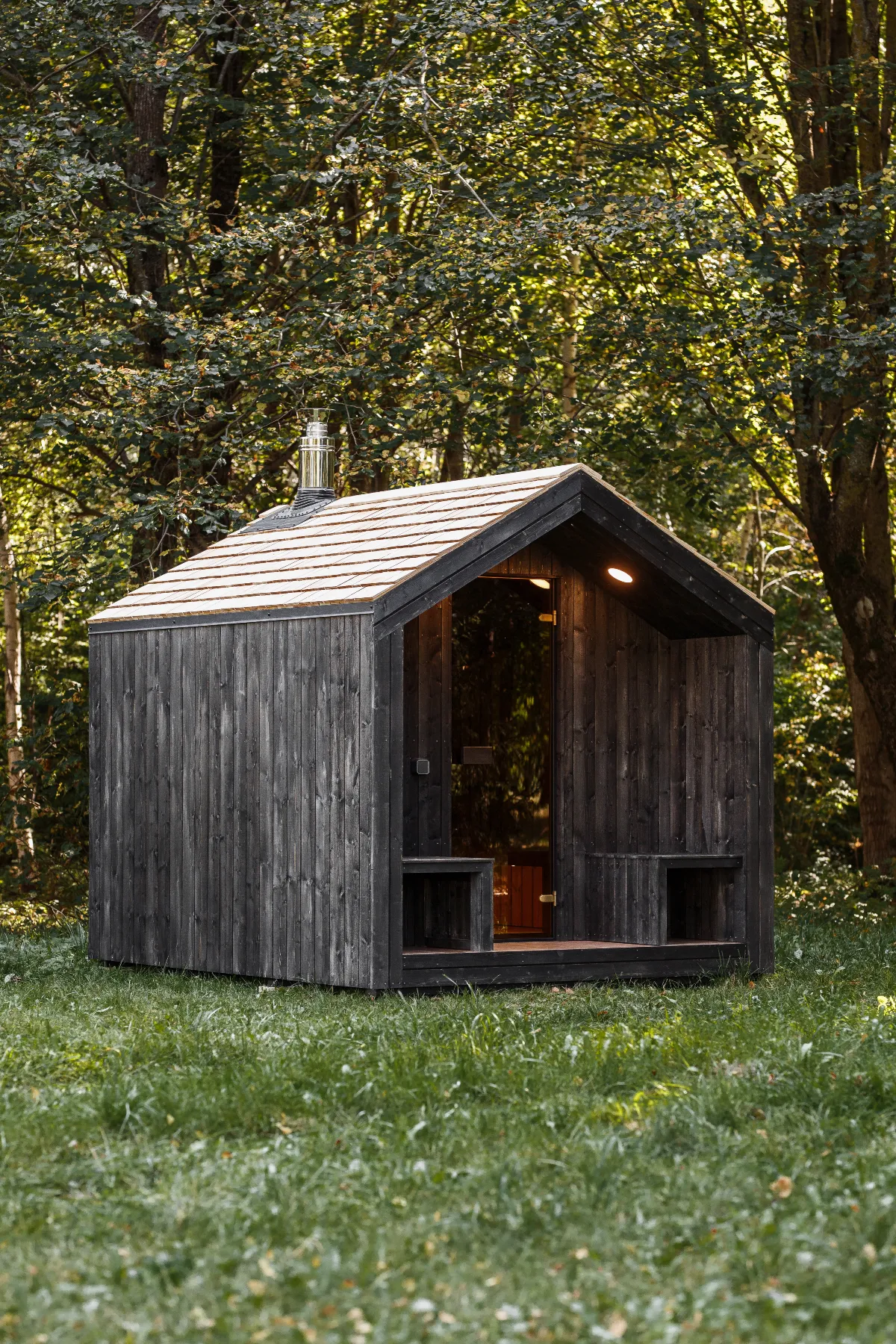
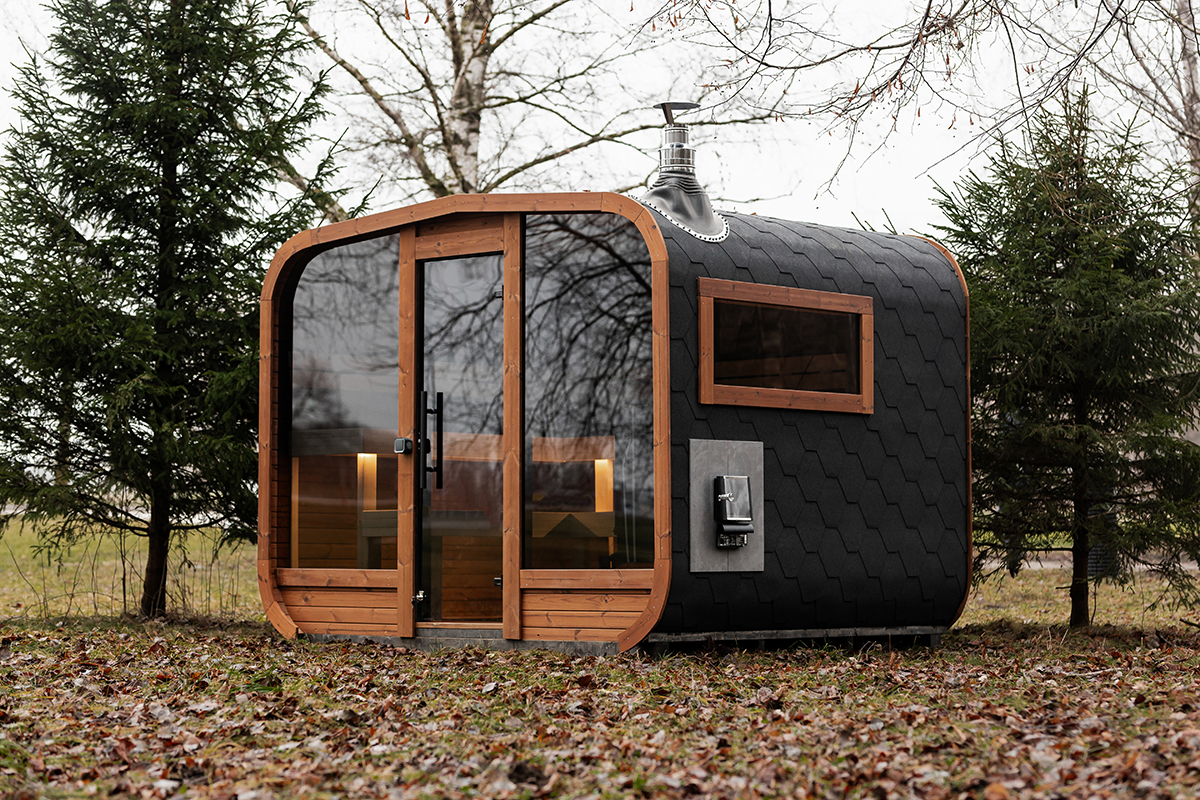
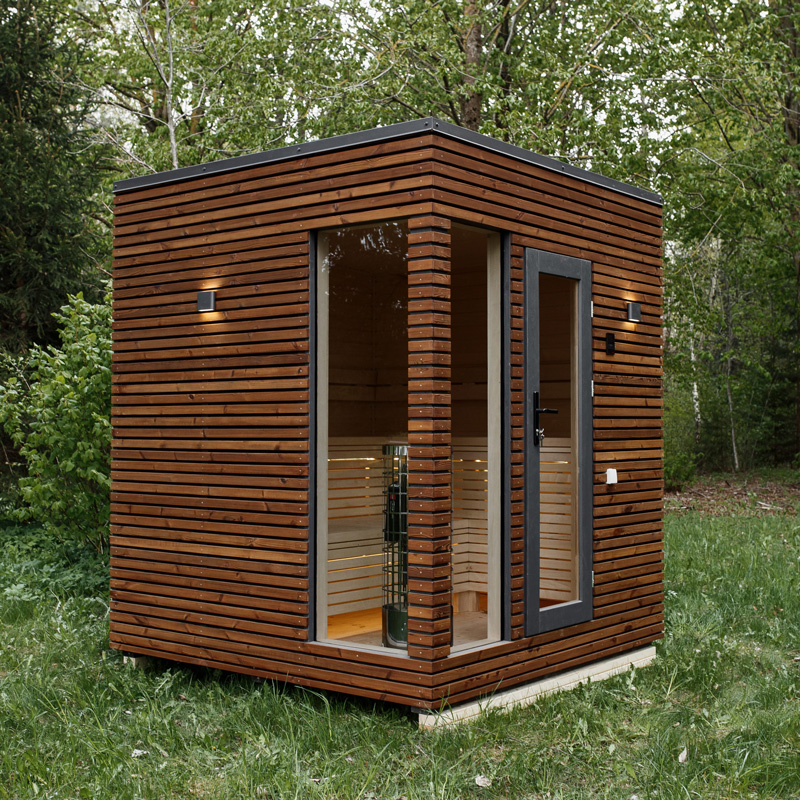
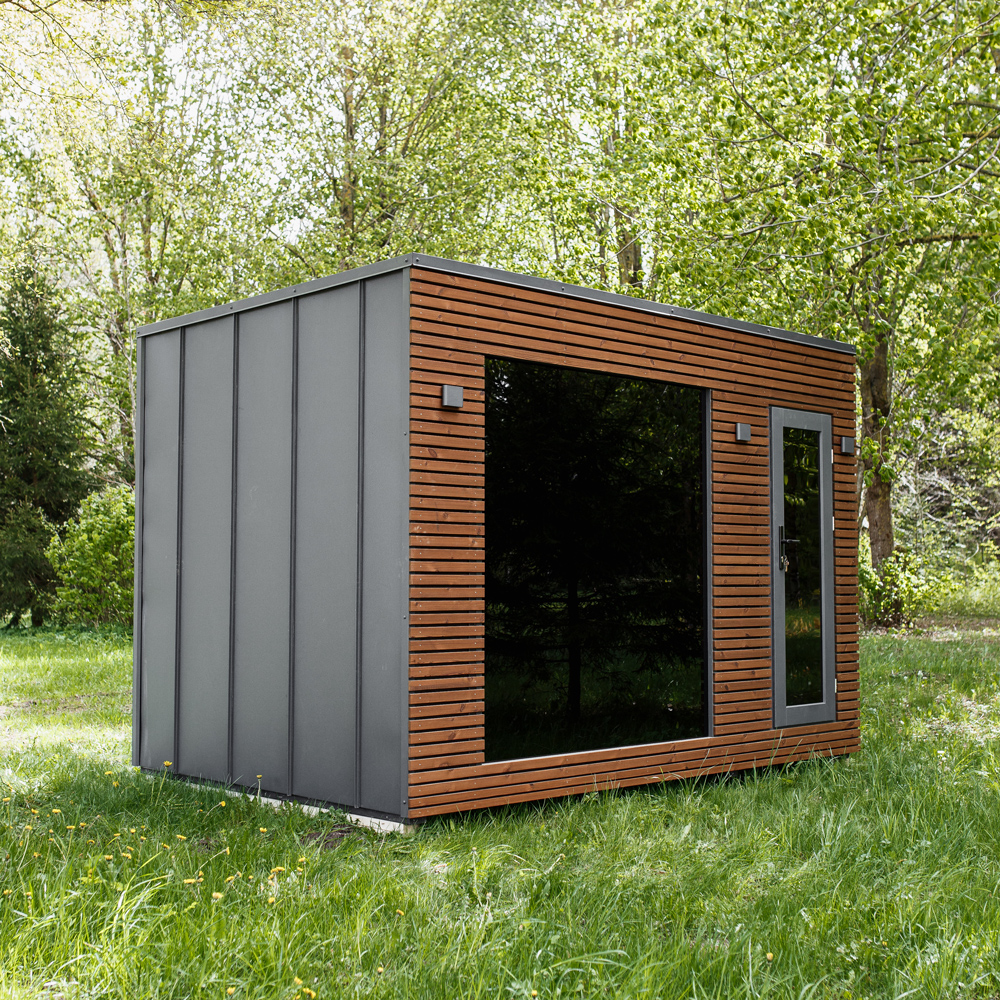
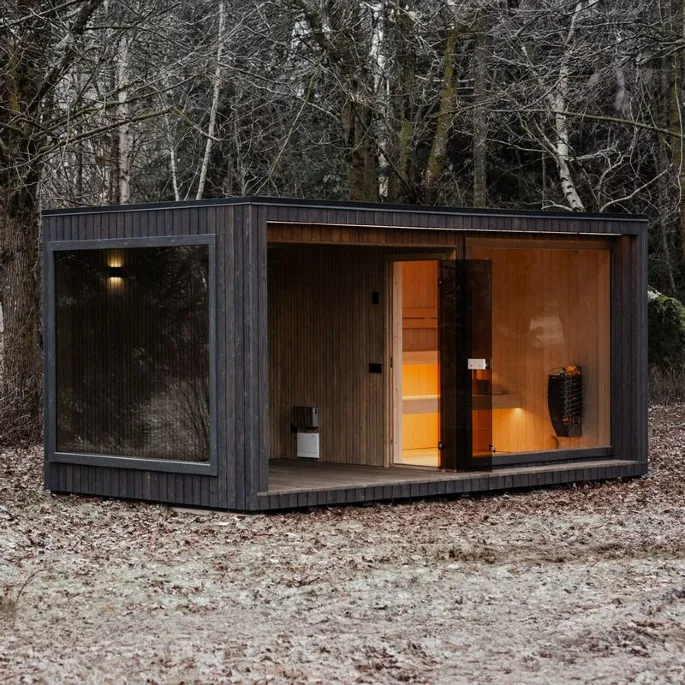
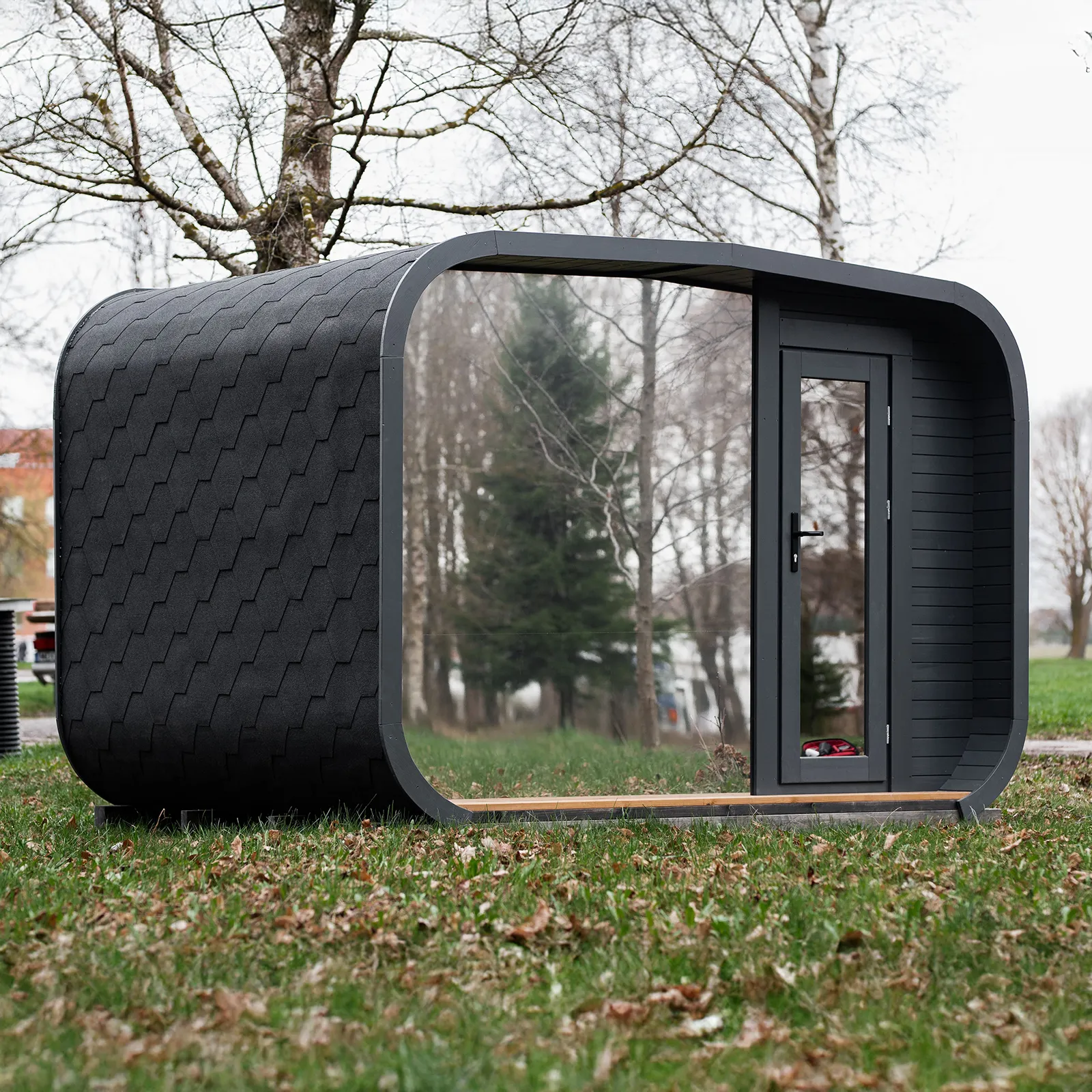
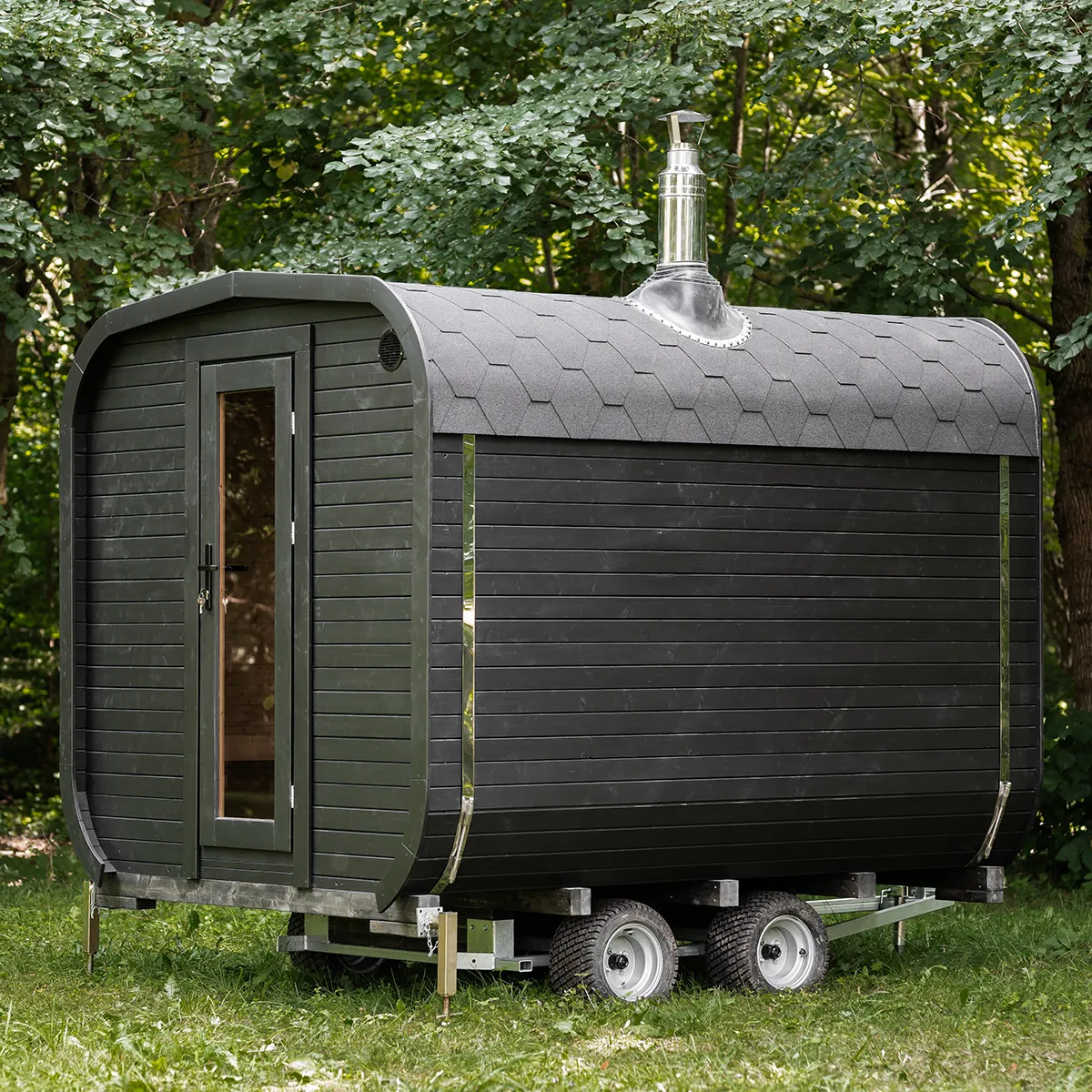
Explore our full range of outdoor saunas.
Vinyl and PVC Options: Budget-Friendly Alternatives
Luxury vinyl planking and PVC tiles designed for wet environments offer an economical path to a waterproof sauna floor. Modern vinyl can convincingly mimic the appearance of wood or stone, and many varieties include textured surfaces for slip resistance.
Quality matters significantly with vinyl. Choose products specifically rated for high-heat, high-moisture environments - standard vinyl may warp or release unpleasant odors when heated. Look for perforated designs that allow water drainage, and ensure proper ventilation beneath the flooring to prevent moisture accumulation.
While vinyl is more affordable upfront and simple to install, it typically doesn't last as long as wood, tile, or concrete options. Consider it a practical choice for budget-conscious projects or situations where you may want to refresh the space in five to ten years.
Creating a Comfortable, Safe Sauna Floor Experience
Regardless of which material you choose, several design considerations will enhance both safety and comfort:
Drainage and Ventilation: Ensure your sauna floor allows moisture to escape rather than pooling on the surface. This might mean incorporating a slight slope toward a drain, using raised duckboards that lift the walking surface above any moisture, or selecting perforated materials that permit water to drain through.
Temperature Comfort: Materials that feel too cold when you first enter or too hot during peak temperature can detract from your experience. Wood naturally stays at a comfortable temperature, while tile or concrete may benefit from the addition of duckboards or rubber mats as a buffer.
Texture for Safety: Smooth surfaces become dangerously slippery when wet. Choose materials with natural texture, or add slip-resistant treatments or overlays to create secure footing.
Ease of Cleaning: Your sauna floor needs regular cleaning to remain hygienic. Select materials you can easily wipe down or rinse after each session, and ensure there aren't hard-to-reach crevices where moisture and bacteria can accumulate.
Read also: Indoor vs Outdoor Sauna: Making the Right Choice
Installation and Maintenance Considerations
The longevity of your sauna floor depends as much on proper installation and care as on material selection. Here's what to keep in mind:
For wood floors, proper sealing or treatment protects against moisture damage. Thermally modified wood arrives pre-treated and requires minimal additional protection, while cedar needs regular application of water-repellent sealants. Allow adequate spacing between boards for expansion and ensure proper ventilation underneath to prevent moisture accumulation.
Tile and concrete installations benefit from professional expertise to ensure proper slope, drainage, and sealing. The investment in skilled installation pays dividends in decades of trouble-free performance.
Regardless of material, establish a simple maintenance routine: wipe or rinse the floor after each sauna session, ensure the space dries completely between uses, and periodically deep clean according to the manufacturer's recommendations. This regular attention prevents the buildup of soap residue, oils, and bacteria that can cause odors or deterioration.
Making Your Decision
Your ideal sauna floor material depends on several personal factors: your budget and how much you're comfortable investing upfront versus over time, your willingness to perform regular maintenance, whether you're building new or working with an existing structure, your aesthetic preferences and how different materials align with your overall design vision, and your local climate and how it might affect certain materials.
At Eden Hut, we've seen thermally modified wood deliver exceptional performance across diverse conditions and requirements. Its natural stability, minimal maintenance needs, and authentic aesthetic make it a choice that serves you well year after year. The initial investment pays back through longevity and peace of mind.
That said, every sauna space is unique. A well-sealed concrete floor with wooden duckboards might perfectly suit someone who prioritizes durability and easy cleaning. Cedar could be the right choice if you're drawn to traditional materials and don't mind regular maintenance. Tile offers a practical solution for those who want something virtually indestructible and straightforward to care for.
The key is understanding what matters most in your wellness sanctuary and choosing accordingly. Your sauna floor should fade into the background of your experience - providing safe, comfortable support without demanding constant attention or causing worry.
Read also: Outdoor Sauna Installation: Your Complete Assembly Guide
Creating Your Complete Wellness Space
Your sauna floor is just one element of a thoughtfully designed heat therapy sanctuary, yet it's a foundation that influences everything else. By taking time now to understand your options and select wisely, you're ensuring that every future sauna session begins on solid ground—literally and figuratively.
The best choice is the one that allows you to stop thinking about the floor entirely, freeing your mind to focus on the warmth, the quiet, and the restoration that drew you to sauna wellness in the first place.
If you have questions about flooring options for Eden Hut saunas or need guidance selecting materials that work beautifully with your specific sauna model, we're here to help. Feel free to explore our complete sauna collection, where you'll discover how thoughtful design choices—from the foundation up—create truly exceptional wellness experiences.


.avif)


%201%20(1).avif)

.webp)
.webp)
.webp)
.webp)
.webp)
.webp)












.webp)


.webp)
%20(2).jpg)
.webp)
.webp)










.svg)

.png)