
Sauna Maintenance: How to Protect Your Investment


Your sauna is more than an amenity. It's a sanctuary for restoration, a daily ritual of warmth and renewal, and a meaningful investment in your wellbeing. At Eden Hut, we don't just build saunas and send them on their way. We believe in empowering our clients with the knowledge to care for their investments properly, ensuring decades of faithful service rather than years of frustration.
We've walked this journey with thousands of sauna owners, and we've learned that the difference between a sauna that serves beautifully for 30 years and one that needs major repairs within 10 comes down to understanding. Not complicated expertise or expensive interventions, but simple understanding of what your sauna needs and when it needs it. This guide shares everything we've learned about keeping saunas in excellent condition, from the simple habits that prevent problems to recognizing when it's time to call in professional help.
While we covered essential cleaning practices in another article, this guide focuses entirely on maintenance. Think of cleaning as keeping your sauna hygienic and fresh, while maintenance is about preserving its structural integrity, performance, and longevity. Both matter, but they serve different purposes in protecting your investment.
The Daily Ritual: After Every Session
Ventilation and Moisture Control
The most powerful maintenance happens in the smallest moments. After you step out of your sauna, glowing and restored, a few simple actions set the stage for decades of reliable performance.
Leave the door open. This single habit prevents more problems than any other maintenance task we could recommend. Your sauna has just held intense heat and moisture, and that moisture needs somewhere to go. Thirty minutes with the door open allows natural airflow to carry that humidity away, preventing the damp conditions where mold thrives and wood deteriorates. If your sauna has windows or additional vents, open those too. Fresh air circulation is your sauna's best friend.
Surface Wiping and Care
Before you leave, take a clean, dry towel and quickly wipe the benches, backrests, and any surfaces you touched during your session. You're simply removing surface moisture and body oils before they can penetrate the wood. This takes maybe two minutes and prevents the staining and discoloration that makes old saunas look tired and neglected.
Floor and Duckboard Management
If you use duckboards, those raised wooden slats that protect your feet from the floor, lift them after each session. This allows air to circulate underneath and prevents moisture from becoming trapped. Wipe up any water that's pooled on the floor itself.
Quick Visual Inspection
Finally, as you're gathering your towels and preparing to leave, just look around. Notice anything different? Water collecting somewhere unusual? A new crack in the wood? Any unusual smell? These quick visual observations catch developing problems while they're still small and manageable. We can't tell you how many expensive repairs we've seen that started as small issues someone simply didn't notice.
These daily practices cost nothing but a few minutes, yet they prevent roughly 80% of the problems we see in poorly maintained saunas. Think of them not as chores but as part of the sauna ritual itself, the closing ceremony that honors the space that's just served you.
Read also: How to Clean a Sauna: Your Complete Maintenance Guide
Weekly and Monthly Attention: Building Deeper Awareness
Wood Surface and Touch Inspection
Once or twice a week, when you have a bit more time, invest 10 to 15 minutes in slightly deeper observation. You're building an intimate knowledge of your sauna, learning what's normal so you can recognize what isn't.
Run your hand across the benches and walls when the sauna is cool. Feel for rough spots that might become splinters, areas that feel damp hours after the last session, or any soft spots suggesting water damage. Look for discoloration beyond the normal patina that develops over time. These early warnings allow simple fixes like light sanding before problems escalate into board replacement.
Heater Performance Monitoring
Pay attention to how your heater performs. Does it reach temperature in its usual time, or is it taking longer? Any unusual sounds, humming, or clicking? Does the heat distribute evenly throughout the space, or are you noticing cold spots? Is the control panel responding normally? Changes in heater performance often indicate minor issues that cost very little to address early but become expensive once they progress. A thermostat replacement might cost $150 now, but waiting until the heater fails completely could mean $800 in emergency repairs.
Door, Seal, and Ventilation Checks
Check your door seal and operation. The door should close smoothly and seal well. Gaps allow heat loss and force your heater to work harder, shortening its lifespan while increasing your energy costs. Look at the hinges, try the handle, examine the weather stripping. These are inexpensive components, but they significantly impact your sauna's efficiency.
Make sure all vents remain unobstructed. We've seen saunas where towels accidentally left behind blocked ventilation for weeks, creating moisture problems that took months to fully resolve. Proper airflow isn't just about comfort during your session, it's fundamental to your sauna's longevity.
Sauna Stone Care and Inspection
Every month, give some attention to your sauna stones. These hardworking components endure extreme temperature fluctuations and deserve regular care. Look for cracks or crumbling, any stones that need immediate replacement. Check for mineral deposits or dust accumulation. Every six months or so, remove all the stones and give them a good rinse under warm water, then rearrange them to ensure even heat distribution. This simple practice extends stone life and maintains consistent heat performance.
Wood Treatment Application
If you're using wood treatments, monthly or every few months is the right frequency for application. Food-grade paraffin oil or sauna-specific treatments provide additional moisture protection, particularly for benches and high-contact areas. The wood should be completely clean and dry before application. Apply a thin layer, let it absorb for 20 to 30 minutes, wipe away the excess, then wait 24 hours before your next session. Heat the sauna to about 50°C to complete the treatment process. This is optional rather than essential, but many of our clients find it enhances both wood longevity and appearance.
Electrical System Observation
For electric saunas, monthly checks of visible electrical connections help you spot problems before they become hazardous. Look at control panels, check that readings are accurate, test timer functions and automatic shutoffs. You're not performing repairs here, just observing. Any concerns you notice become notes for your next professional inspection.
Wood-Burning Stove Maintenance
Wood-burning sauna owners have additional monthly tasks. The ash removal should actually happen after each use to maintain efficiency and prevent buildup. Monthly, check your chimney and flue for creosote accumulation, inspect the stove exterior for rust or damage, and ensure the door seals properly. These checks keep you safe and maintain efficient operation.
Read also: Wood-Fired vs Electric Hot Tubs: Choosing Your Path to Wellness
Seasonal and Annual Care: The Deeper Maintenance
Quarterly Light Sanding and Refreshing
Some maintenance doesn't need frequent attention but becomes essential over time. Every three to four months, dedicate an hour to more thorough care.
High-contact areas, particularly benches, benefit from occasional light sanding. Use 120 to 150 grit sandpaper and always work with the grain, never against it. You're not removing significant material, just smoothing the surface to eliminate developing splinters and refresh the wood. In cedar saunas, this also releases fresh aromatic oils, restoring that wonderful scent. Sand just enough to create a smooth surface, wipe away the dust, and you're done.
Quarterly Deep Electrical and Structural Inspection
Quarterly is also good timing for deep electrical inspection. Even when everything seems fine, check all connections, examine wiring insulation carefully, and test every safety feature. For infrared saunas with multiple heating panels, this becomes particularly important.
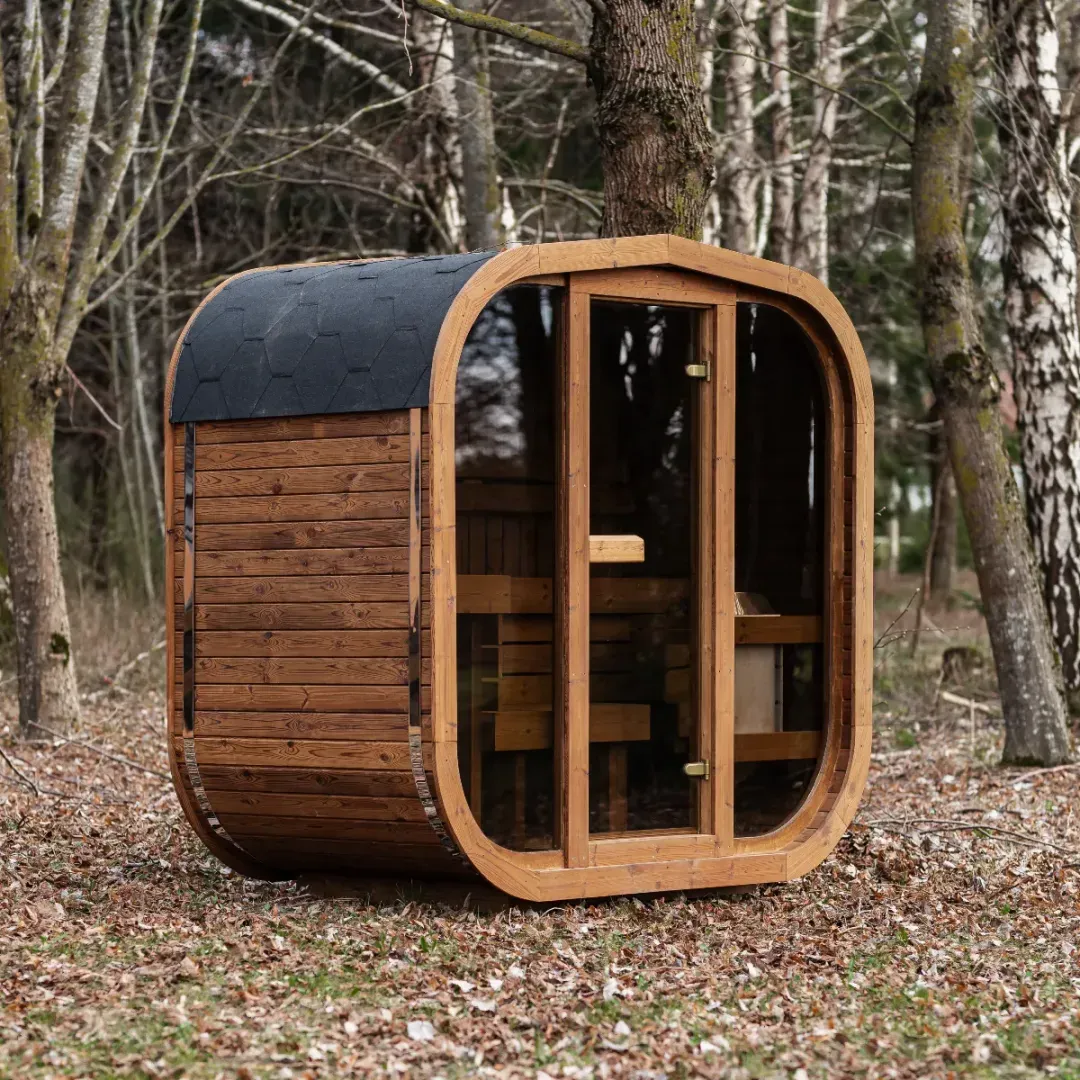
Take time for structural inspection as well. Look at wall and ceiling joints for any separation, check the floor for soft spots or warping, and examine the exterior of outdoor saunas for weather damage. Barrel sauna owners should check band tension, as wood naturally shrinks and contracts with seasonal changes.
Annual Professional Inspection
Once a year, having a professional inspect your sauna provides tremendous value. This isn't about distrust in your own observations, it's about bringing trained, experienced eyes to catch what you might miss. A professional inspection typically costs $150 to $300 and includes complete electrical system evaluation, heater performance assessment and cleaning, safety feature testing, structural integrity checks, and ventilation system evaluation. More importantly, it identifies problems while they're small. We've consistently seen that this annual investment prevents repairs costing $500 or more by catching issues early.
Annual Chimney Service (Wood-Burning Saunas)
For wood-burning saunas, annual professional chimney sweeping is non-negotiable. This isn't maintenance, it's safety. Creosote buildup creates fire hazards that no amount of visual inspection can adequately assess. Professional sweeps are trained to identify problems and ensure safe operation. Budget $100 to $200 annually for this essential service.
Annual Outdoor Sauna Weatherproofing
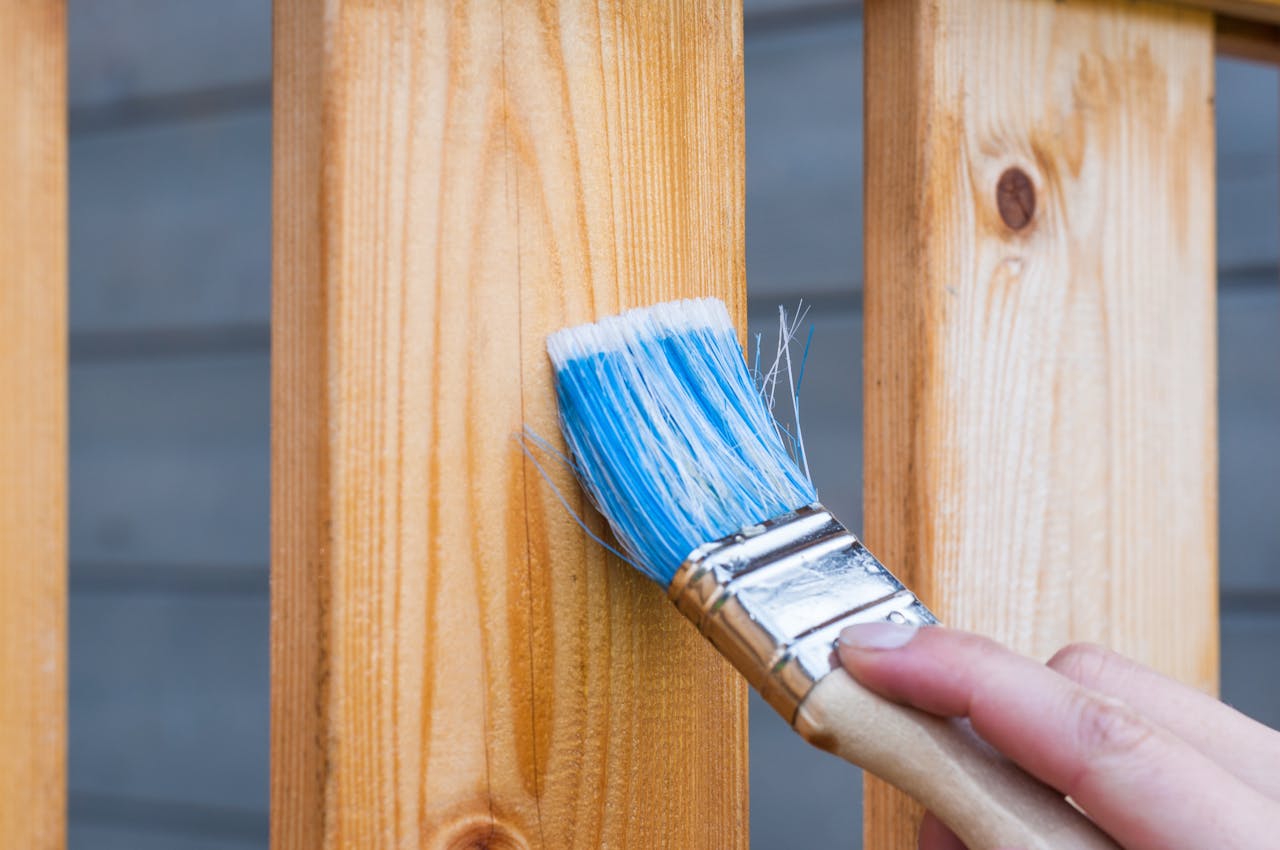
Outdoor saunas need additional annual attention. The exterior wood benefits from treatment or staining, particularly products with UV inhibitors that prevent the silvering and weathering that comes from sun exposure. Inspect your roof carefully, checking for damage, wear, or areas where water might penetrate. Test your drainage systems, examine the foundation for settling or moisture issues, and replace weather stripping as needed. These outdoor-specific tasks add perhaps $100 to $200 to your annual maintenance budget but dramatically extend your sauna's life in challenging exterior conditions.
Understanding the True Cost of Sauna Care
We believe in transparency about what sauna ownership really involves, including the financial commitment of proper maintenance. Let's discuss costs honestly.
Basic Annual Maintenance Budget
For a typical home sauna with regular use, you should budget $250 to $400 annually for maintenance:
- Cleaning supplies: $50 to $100
- Wood treatment products: $20 to $40
- Stone replacement (every 1-2 years): $30 to $60 per set
- Professional annual inspection: $150 to $300
- Minor repairs and replacements: $100 to $200
Total Basic Annual Cost: $250 to $400
Outdoor Sauna Additional Costs
Outdoor saunas require additional investment, typically $100 to $250 more annually:
- Exterior wood treatments: $50 to $100
- Roof maintenance: $50 to $150
- Weather damage prevention: $100 to $200
Total for Outdoor Saunas: $450 to $650 annually
High-Use Sauna Budget
If you're operating a high-use sauna or commercial installation:
- More frequent professional service: $300 to $600
- Accelerated component wear: $200 to $400
- Additional cleaning supplies: $100 to $200
Total High-Use: $600 to $1,200 annually
Now, these numbers might seem significant. We understand that. But consider them against the alternative. A sauna that receives minimal maintenance often needs major repairs within 5 to 10 years. These repairs, replacing extensive wood rot, complete heater systems, or structural components, easily run into several thousand dollars. Meanwhile, a well-maintained sauna serves faithfully for 25 to 30 years, often longer, with only modest annual investment.
The mathematics strongly favor prevention. Every dollar spent on maintenance saves approximately three to five dollars in avoided repairs over your sauna's lifetime.
.jpg)
When Repairs Become Necessary
Despite best intentions and diligent care, sometimes repairs become necessary. Here's what various issues typically cost, so you can budget appropriately.
Minor Repairs ($100 to $300)
These are relatively straightforward fixes that most sauna specialists can handle quickly:
- Thermostat replacement
- Door handle or hinge repair
- Light fixture replacement
- Simple electrical switch issues
- Weather stripping replacement
Medium Complexity Repairs ($300 to $600)
These involve more specialized work but aren't catastrophic:
- Glass door repair or replacement
- Water heater issues (steam saunas)
- Control panel replacement
- Heating element problems (single element)
- Minor wood rot repair in localized areas
Major Repairs ($600 to $1,500+)
The ones we work hard to help you avoid through proper maintenance:
- Complete heater replacement
- Extensive wood rot requiring multiple board replacements
- Electrical system overhauls or rewiring
- Significant structural repairs
- Moisture damage remediation spread through multiple areas
Labor Rates by Expertise
Understanding what professionals charge helps you budget:
- General handymen: $50 to $75 per hour
- Licensed electricians: $75 to $120 per hour
- Sauna specialists: $80 to $150 per hour
The specialist rate might seem high, but their specific expertise often means faster, more accurate diagnosis and repair, actually saving you money compared to someone learning on your equipment.
Most homeowners spend between $200 and $800 per repair when something goes wrong, with $500 being a typical middle ground. Annual professional inspection and maintenance plans often cost $200 to $500 and can prevent these repair expenses entirely through early detection and preventive service.
Read also: How Much Does It Cost to Run a Sauna in 2025?
Extending Your Sauna's Life: What Really Matters
Over years of building and servicing saunas, we've identified the practices that truly extend lifespan versus those that simply feel like they should matter but don't.
Temperature and Humidity Consistency
Temperature and humidity consistency matters more than most people realize. Your sauna operates best with temperature between 150°F and 195°F and humidity levels between 10% and 30%. Use a hygrometer to monitor humidity, and avoid extreme fluctuations when possible. Wood and components handle consistent, moderate conditions far better than wild swings between extremes. Each dramatic temperature or humidity swing creates expansion and contraction that gradually weakens joints and stresses materials.
User Habits That Protect Your Investment
User practices have enormous impact. Simple habits protect your investment significantly. Always shower before sauna sessions to remove oils and dirt that can stain wood. Sit on towels rather than bare wood, keeping sweat from penetrating surfaces. Remove jewelry and metal objects that can scratch or dent. Keep feet clean. These sound almost too simple to matter, but we've seen the difference between saunas where users follow these practices and those where they don't. Ten years later, the difference is dramatic.
Practices to Avoid
Equally important is knowing what not to do. Never allow people to wear dripping wet swimsuits that leave pools of water. Don't pour water on walls or benches, only on stones where it creates steam safely. Avoid using harsh soaps or shampoos inside the sauna. Don't eat or drink anything other than water during sessions. Never leave damp items inside after you're finished. These practices invite staining, moisture damage, and premature wear.
Quality Components When Replacing Parts
When components need replacement, choosing quality over cheapest pays significant dividends. Wherever possible, use OEM parts from the original manufacturer. These are designed specifically for your sauna model and typically last longer than generic alternatives. For outdoor saunas, consider upgraded weather-resistant components even if they cost more initially. Select energy-efficient heaters that reduce operating stress and lower your electrical costs over time. The extra $50 or $100 spent on a quality component often returns that investment through longer life and better performance.
Expected Lifespan by Quality Level
Sauna lifespan varies dramatically based on construction quality and maintenance. Basic prefabricated kits with minimal maintenance typically last 5 to 10 years. Quality saunas with regular basic maintenance extend to 15 to 20 years. Premium custom construction using superior materials like thermally modified wood, combined with thorough preventive maintenance, easily exceeds 30 years of service. We've seen traditional Finnish saunas that have functioned beautifully for 50 years because they were built right and cared for properly.
The Benefit of Regular Use
Interestingly, frequency of use often benefits rather than harms your sauna. Regular heating cycles keep wood dry and prevent the damp conditions where problems develop. A sauna used several times weekly often outlasts one used sporadically, assuming proper ventilation after each session. The regular heat dries everything thoroughly, creating an inhospitable environment for mold and wood-damaging organisms.
Climate-Specific Considerations
Your local climate affects what your sauna needs. In humid climates, ventilation and drying become even more critical. You might need more frequent mold checks and potentially dehumidifier assistance between sessions. In dry climates, additional wood moisture treatments help prevent splitting and cracking. Pay closer attention to humidity levels and consider more frequent stone inspection due to thermal stress. Cold climates with outdoor saunas require serious winter weatherproofing, regular band tension checks after temperature swings, and foundation monitoring to prevent heaving from freeze-thaw cycles.
Recognizing When Something Needs Attention
Learning your sauna's normal behavior helps you recognize when something's wrong. We encourage clients to develop this intuition because early detection makes everything easier and less expensive.
Immediate Safety Concerns
Some warning signs demand immediate attention and cessation of use. If you smell burning during operation, see electrical sparking, notice severely cracked or unstable heater stones, discover loose or exposed wiring, or find your door won't open or close safely, stop using the sauna immediately and call a professional. These represent safety hazards that shouldn't be ignored even briefly.
Issues Requiring Prompt Attention
Other issues need attention soon, within a week or two, but don't require stopping use entirely. Performance problems like longer than usual heating time, uneven temperature distribution, frequent heater cycling, inaccurate control panel readings, or unusual operating noises all suggest developing problems worth addressing before they worsen. Wood problems including soft spots, multiple new cracks, dark spots suggesting mold, strong musty odors, or excessive warping similarly need relatively prompt professional assessment.
Gradual Changes to Monitor
Some changes simply need monitoring and planning but aren't urgent. Natural wood darkening, minor surface roughness developing on benches, slight door seal wear, gradual decrease in aromatic scent, and normal aging of components can be addressed during your next scheduled maintenance session.
The key is paying attention. Your sauna communicates its needs if you're listening. That slightly longer heating time might seem minor, but it's often the first sign of a developing heater problem. Addressing it while it's minor costs a fraction of waiting until complete failure.
Read also: How to Build an Outdoor Sauna: Your Complete DIY Guide
The Question of Professional Help
One of the most common questions we receive is which tasks require professional expertise and which are appropriate for homeowners to handle themselves. This matters both for safety and for protecting your investment.
Electrical Work: Always Professional
Some work should always, without exception, go to licensed professionals. Anything involving electrical work falls into this category. Whether it's heater replacement or repair, control panel issues, wiring problems, adding or modifying electrical features, or troubleshooting power supply issues, these tasks require professional handling.
The reason is straightforward and serious. Electrical work in saunas involves unique safety considerations due to the combination of high heat, moisture, and electrical current. Improper repairs can cause fires, create electrocution hazards, or void your warranty coverage. Licensed electricians carry insurance that protects you if something goes wrong, and they guarantee their work in ways that DIY efforts cannot.
Structural Repairs: Expertise Required
We feel the same way about structural problems. Significant damage to walls, ceiling, or floor, including water damage repair, replacing large sections of wood, foundation issues, roof repairs, or door frame problems all need professional attention. These repairs affect your safety and require understanding of sauna-specific construction needs, moisture management principles, and local building codes. Cutting corners here risks making problems worse or creating new hazards.
Heater Installation and Replacement
Heater installation or replacement, whether electric, wood-burning, gas, or infrared panels, requires professional expertise. Improper installation affects both performance and safety, and it voids warranty coverage universally. Heaters must be positioned correctly with proper clearances and ventilation according to specific code requirements. The cost of professional installation is modest insurance against fire risk and poor performance.
Chimney and Flue Work
For wood-burning saunas, chimney and flue work falls firmly in the professional category. Annual chimney sweeping isn't optional, it's essential safety practice. Any repairs to chimney structure, flue modifications, or creosote removal needs trained expertise. Chimney fires are dangerous and costly. Professional sweeps are trained to identify hazards invisible to homeowners and ensure safe operation.
What You Can Safely Handle Yourself
On the other hand, many maintenance tasks are entirely appropriate for DIY handling. You can safely manage routine cleaning and wiping, light sanding of benches, replacing sauna stones, applying wood treatments like paraffin oil, replacing light bulbs, minor door adjustments, weather stripping replacement, and all visual inspections and monitoring. These tasks don't involve safety risks and don't require specialized knowledge beyond what we're sharing in this guide.
The Simple Rule of Thumb
The general principle is simple. If you're uncertain whether a task is safe to handle yourself, that uncertainty is your answer. Call a professional. The cost of professional service, even when it seems like something you could do yourself, is always less than the cost of fixing a problem you've made worse or dealing with the safety consequences of improper repair.
We don't say this to create dependency or drive business to service providers. We say it because we've seen the aftermath of well-intentioned DIY electrical work that created fire hazards, of structural repairs that weakened rather than strengthened, of heater installations that performed poorly because clearances weren't correct. Protecting your investment sometimes means knowing the boundaries of appropriate DIY work.
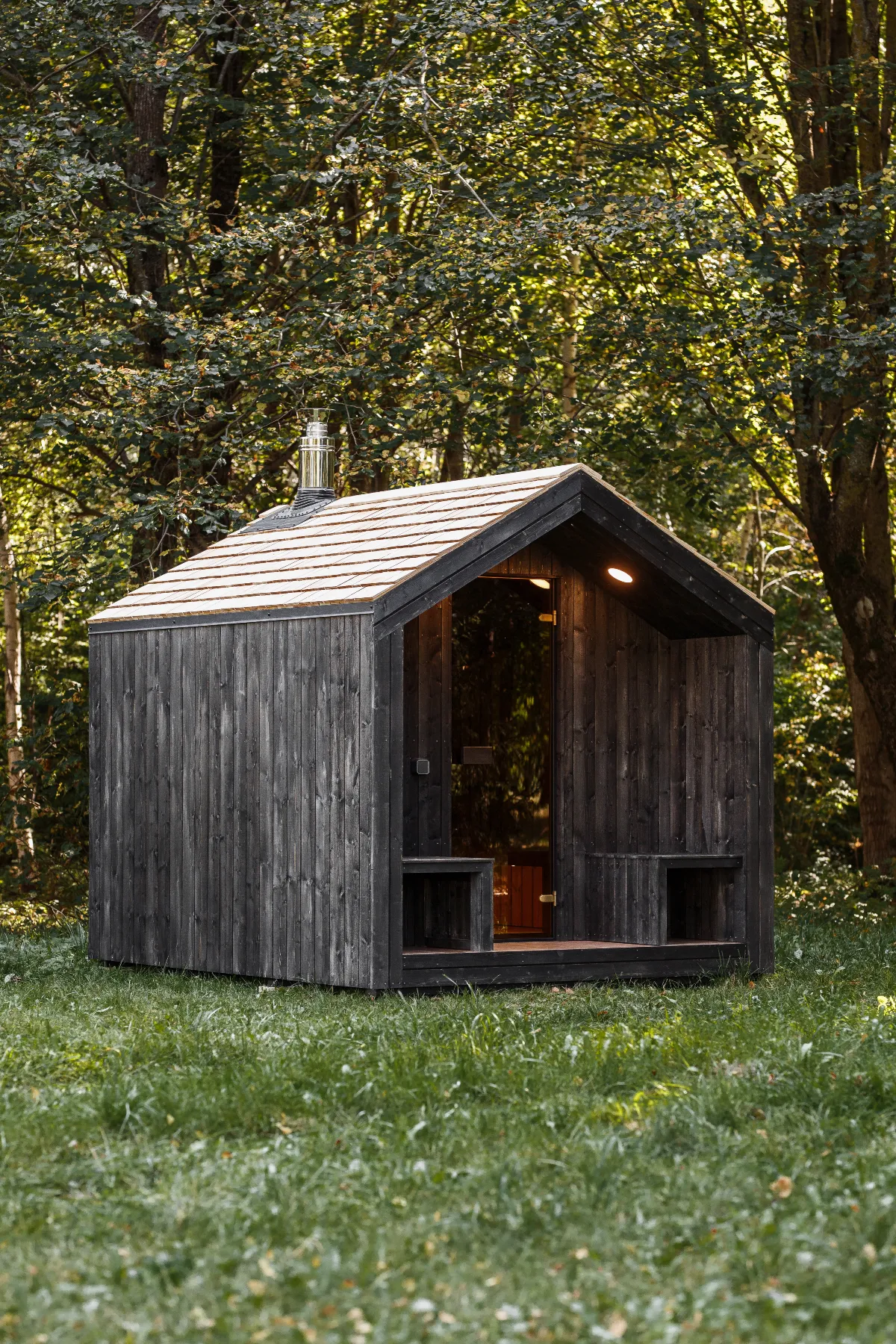
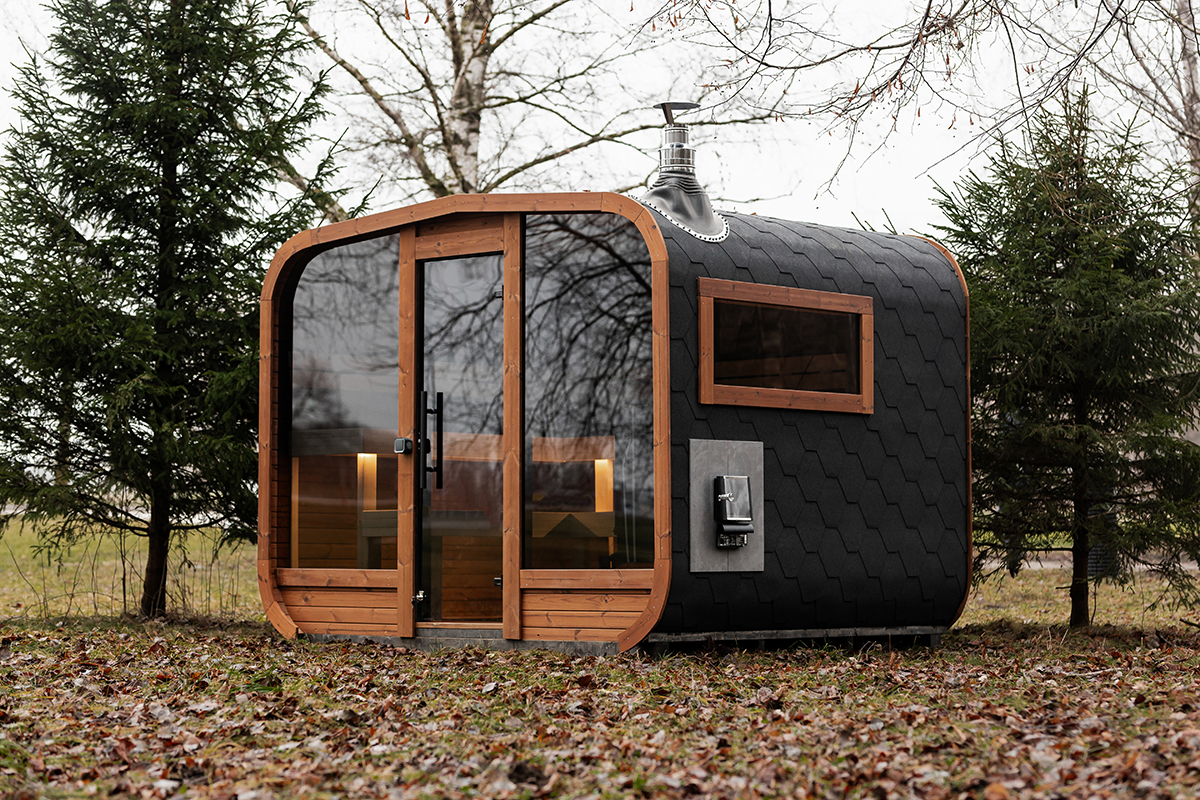
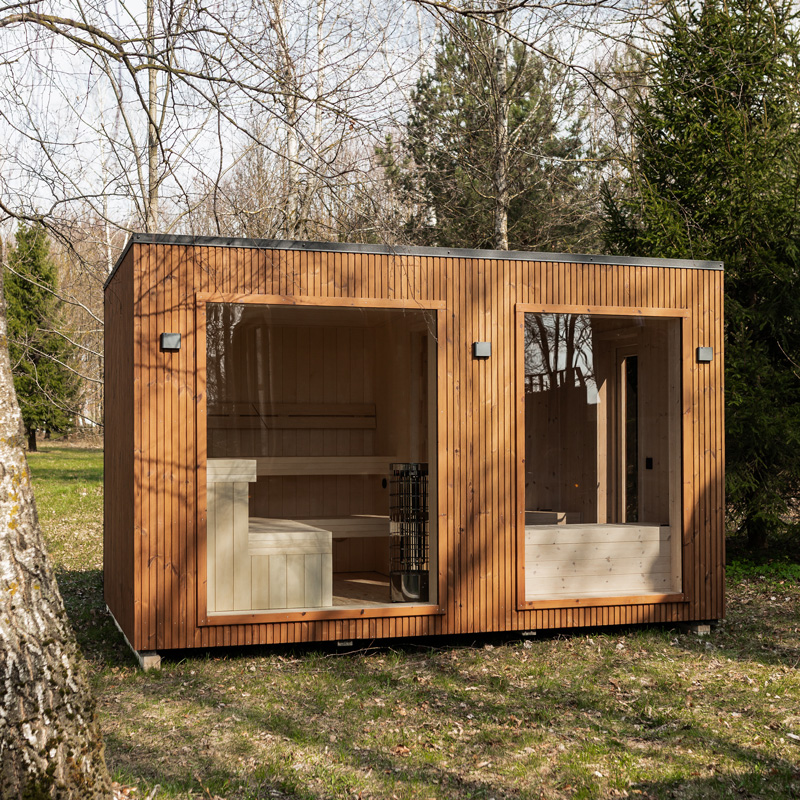
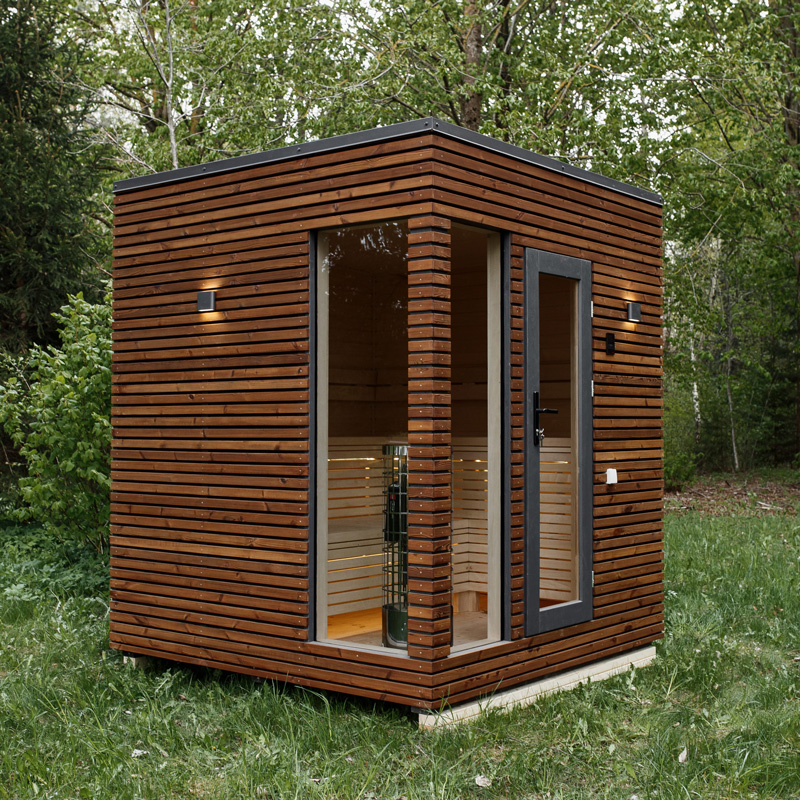
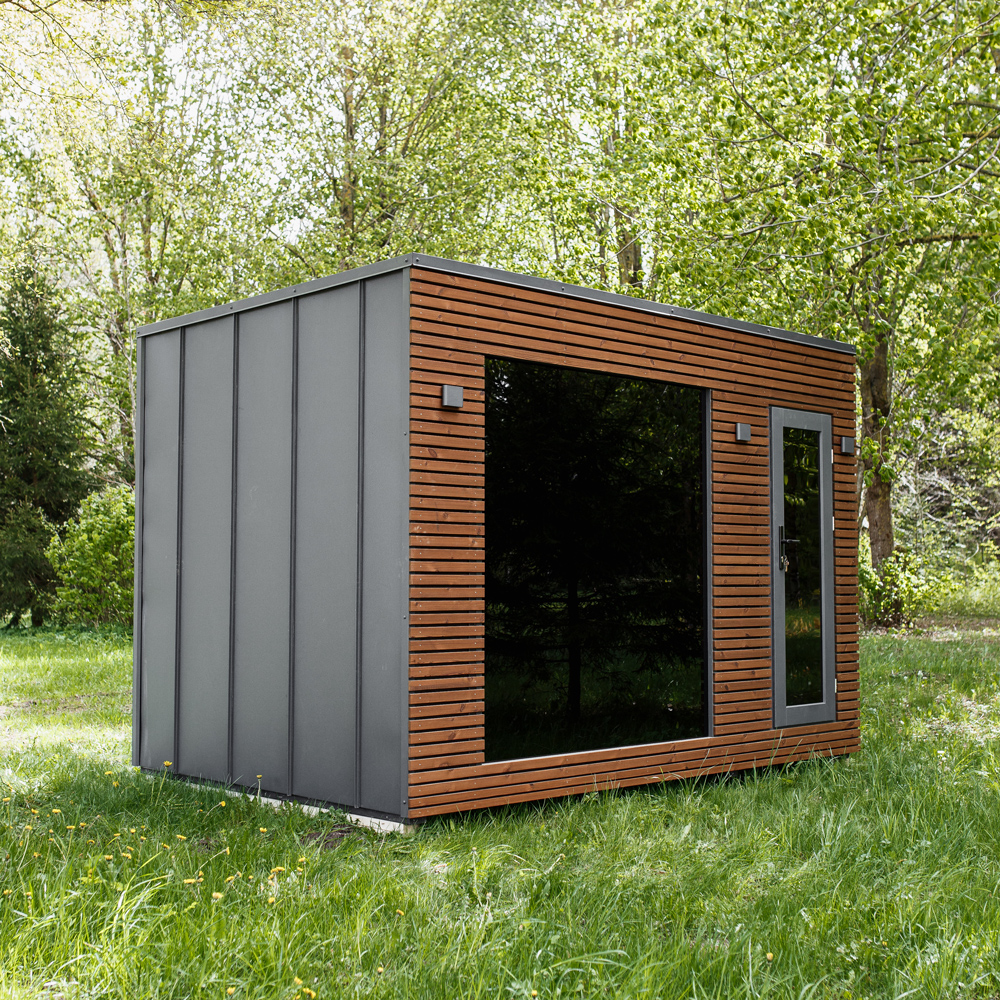
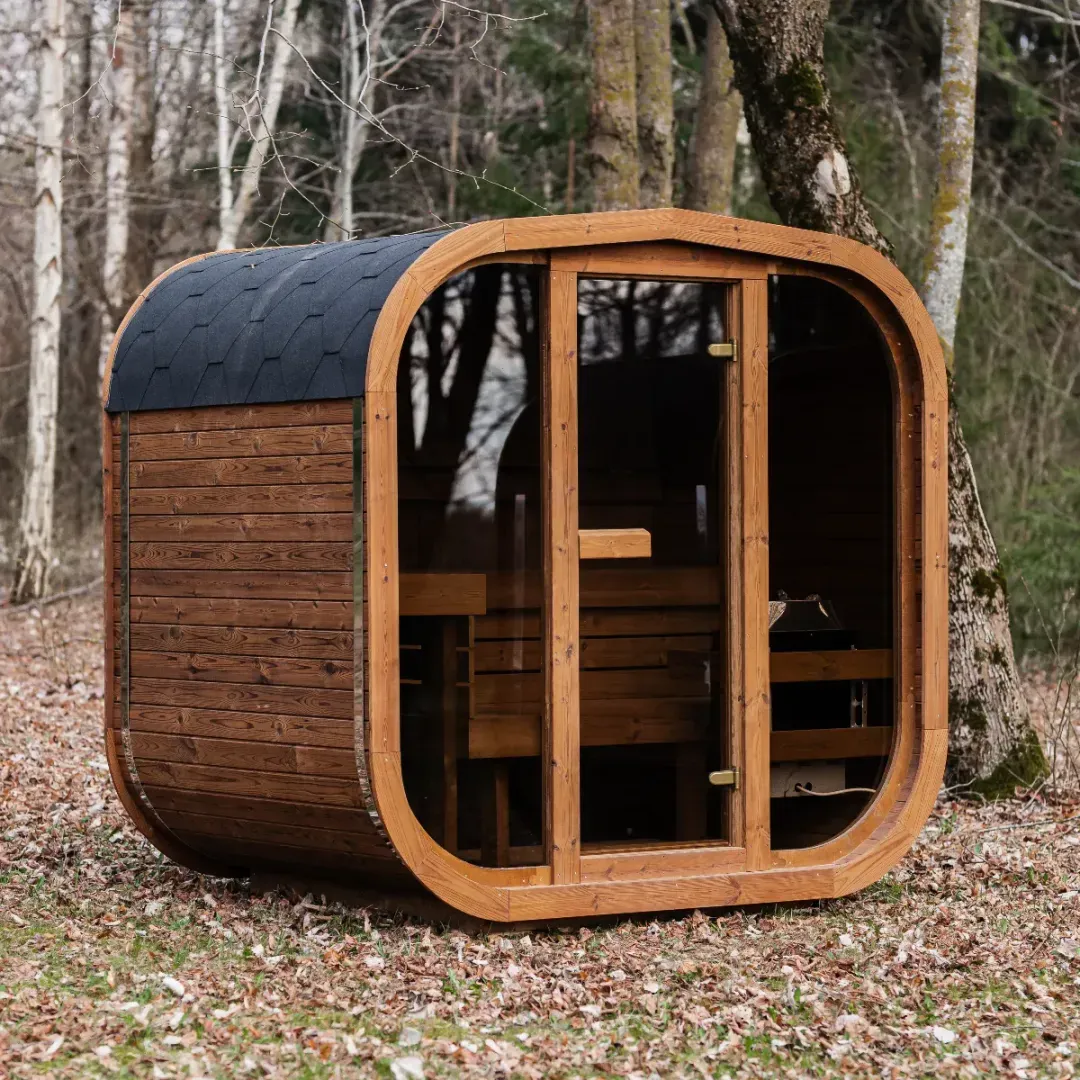
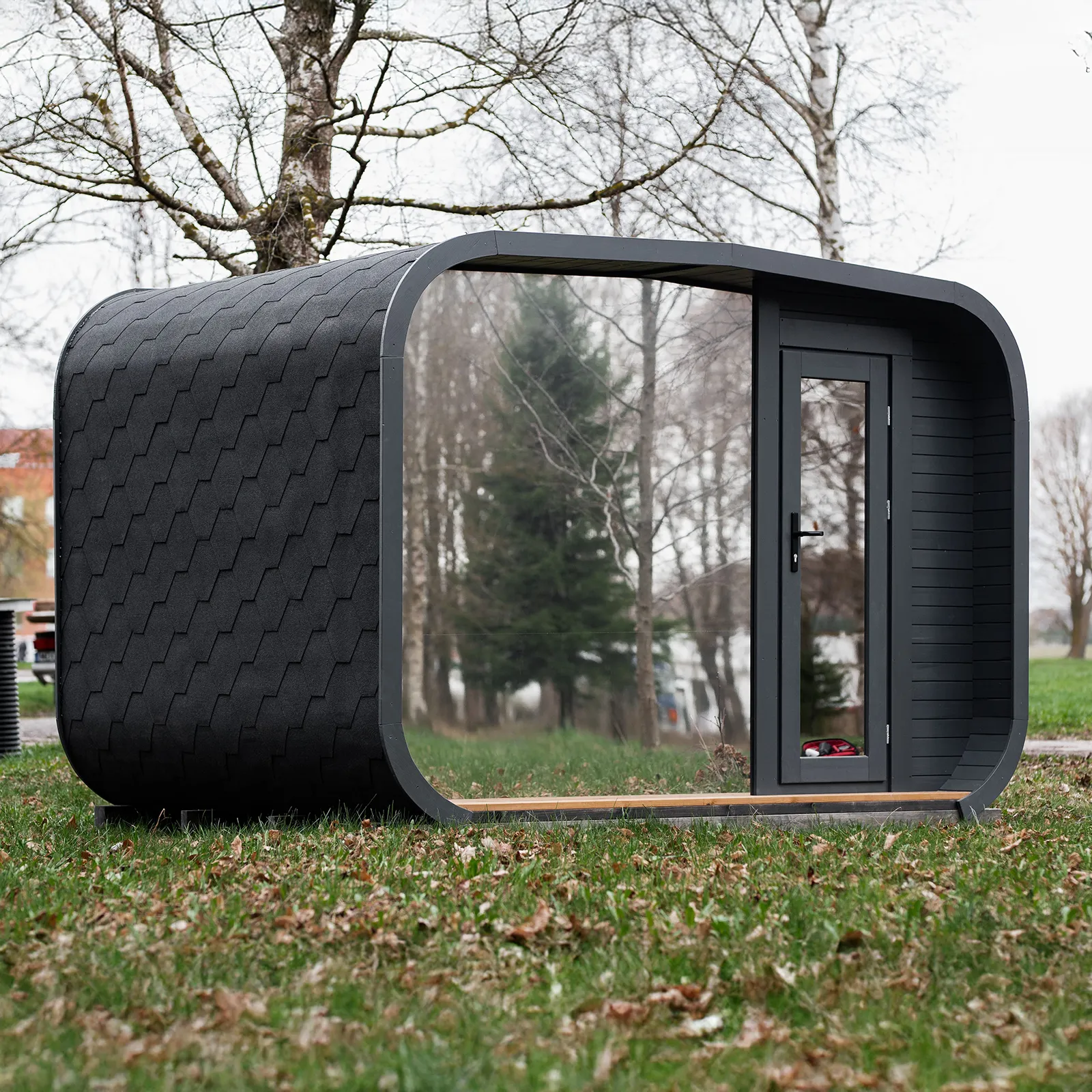
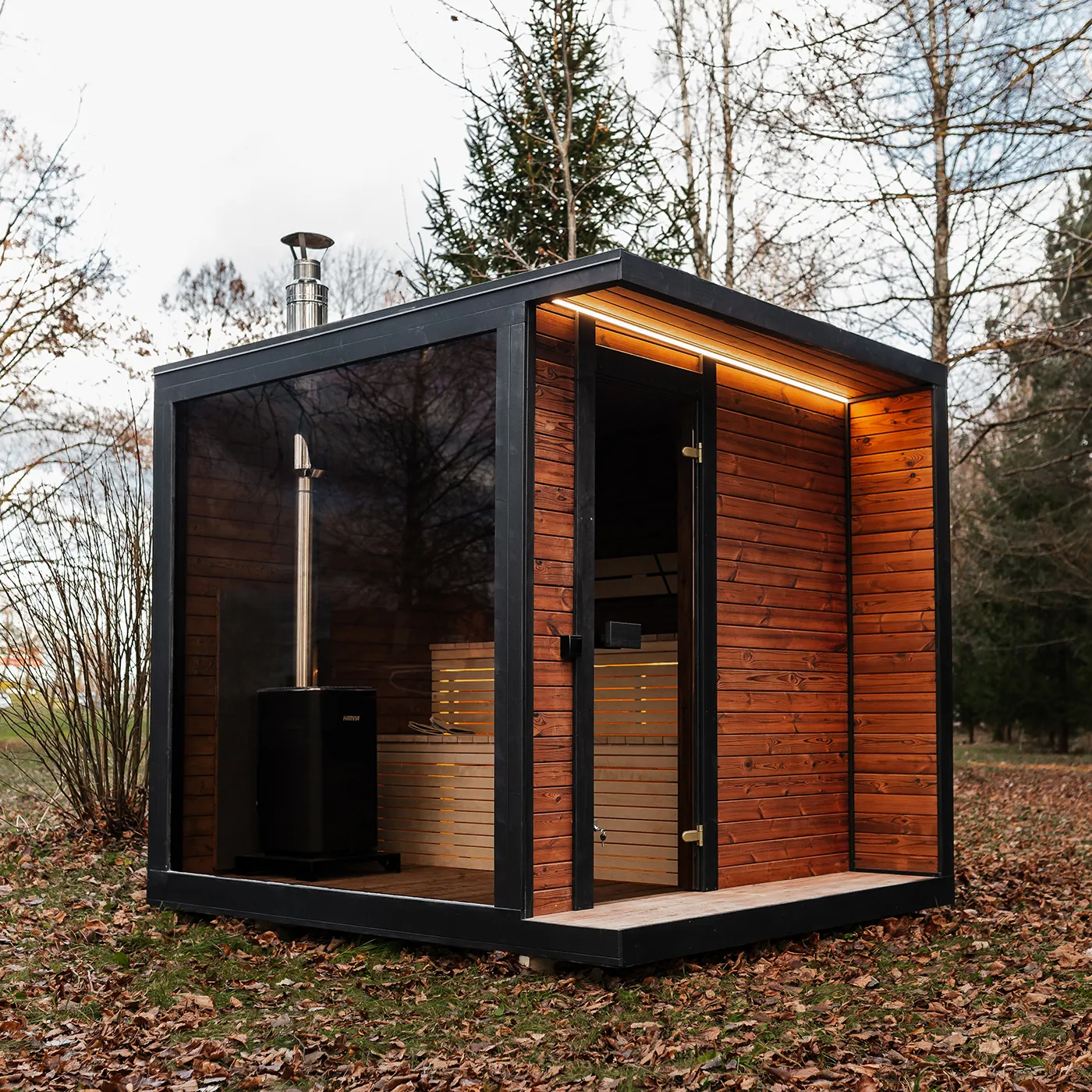
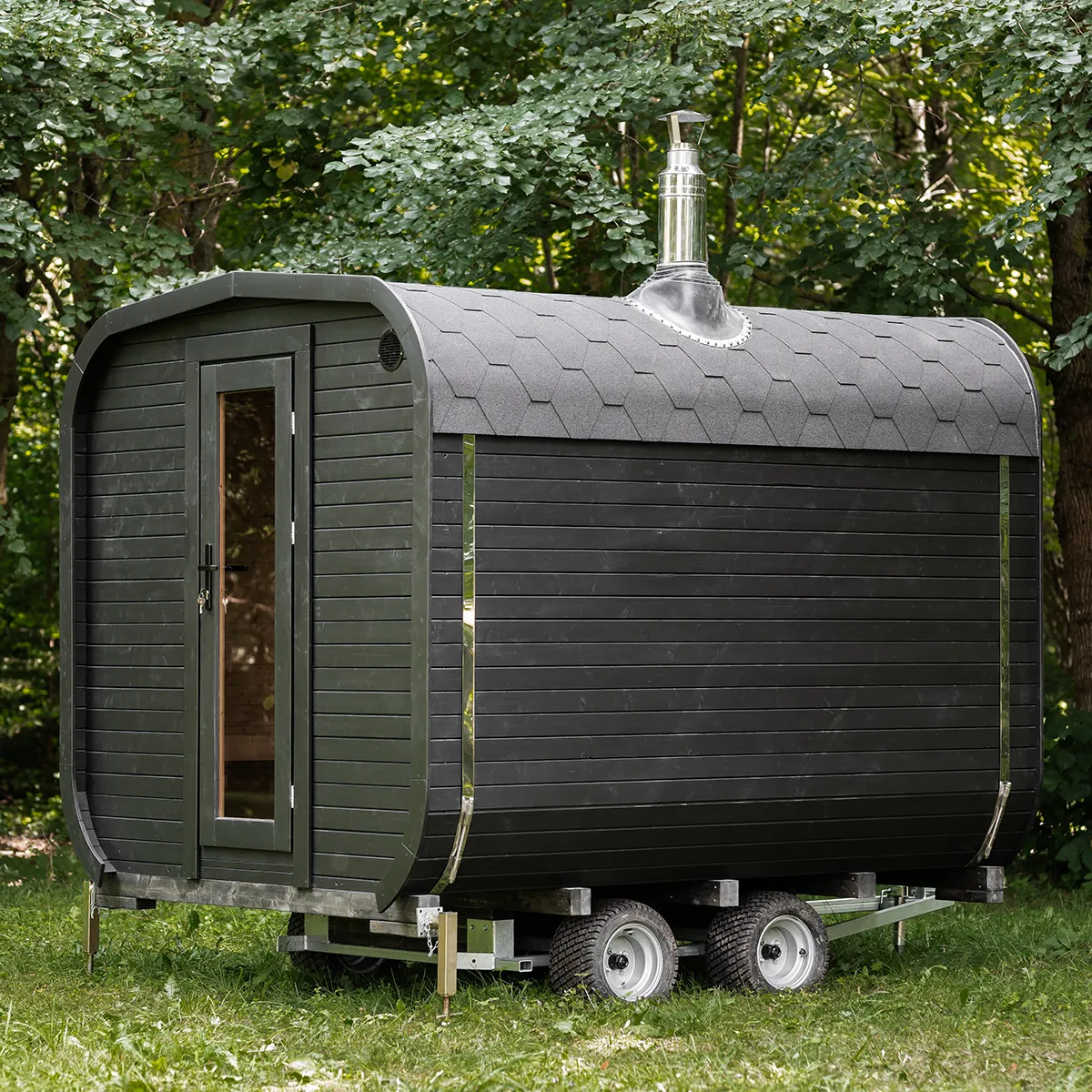
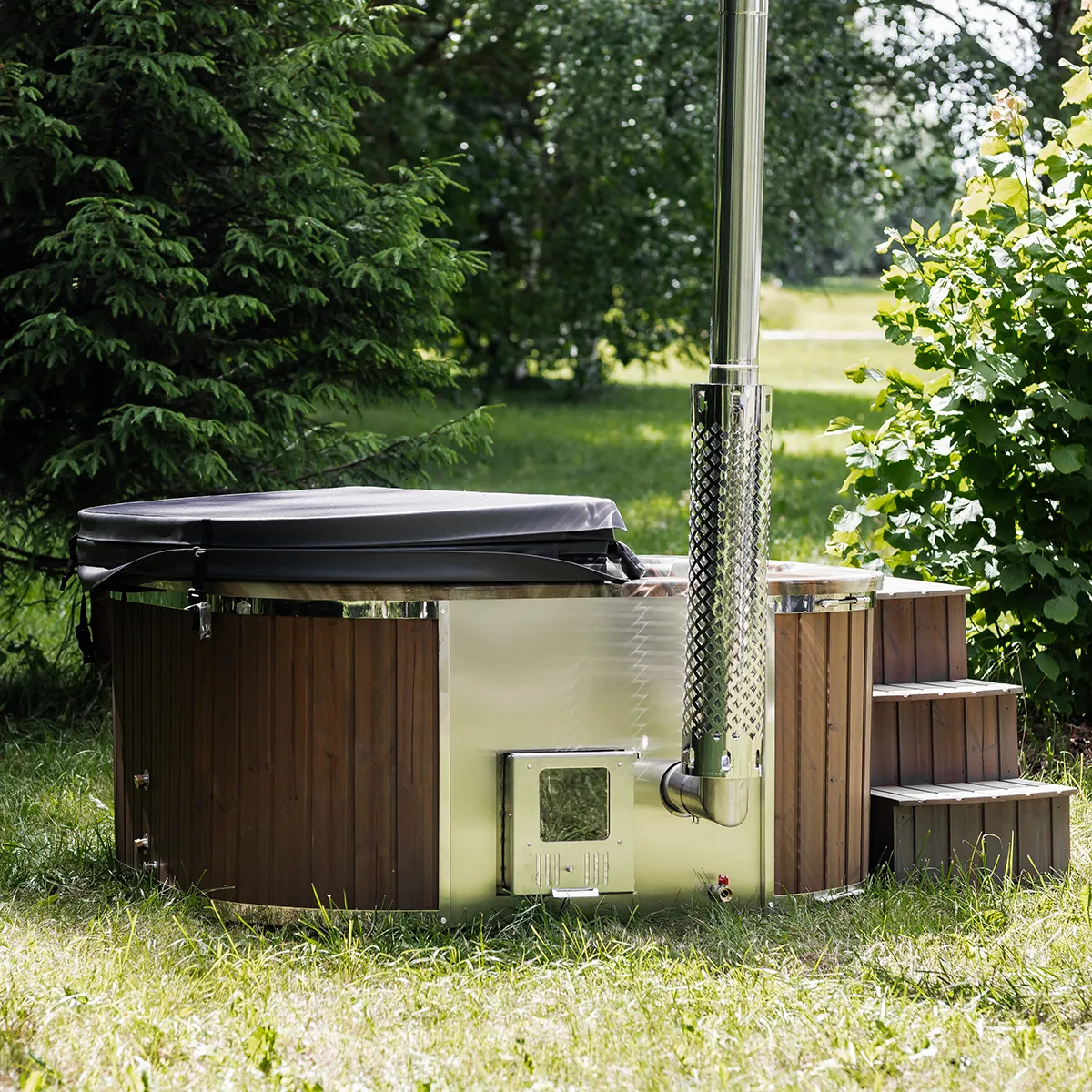
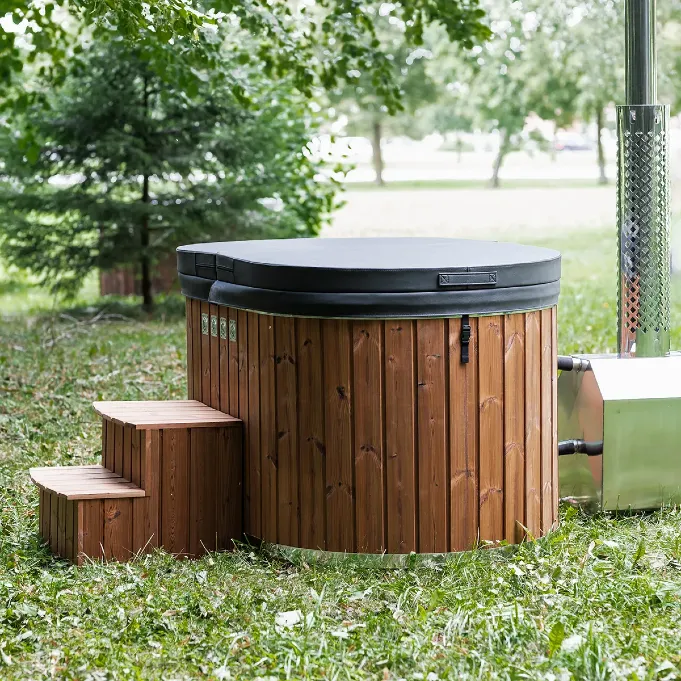
Check out our full collection of outdoor saunas
Creating a Maintenance Routine That Works for You
Every sauna and every owner is different. Your climate, how often you use the sauna, your sauna type, and your personal preferences all affect the ideal maintenance schedule. Instead of rigid rules, think of your sauna care as a simple rhythm—easy to follow and tailored to your lifestyle.
Your Sauna Maintenance Rhythm (At a Glance)
Keep a Simple Maintenance Log
A quick maintenance log can save you money and protect your sauna in the long run. Record:
- The date
- What you did
- Any observations
- Products or treatments used
This helps you:
- Track patterns and anticipate future needs
- Provide useful info to professionals
- Protect warranties that require documented care
- Notice gradual changes before they become problems
- Budget for future maintenance
Your log doesn’t need to be fancy - use a notebook, spreadsheet, or phone notes. A few seconds of record-keeping can pay off for years
Our Commitment to Your Long-Term Success
At Eden Hut, selling you a sauna is the beginning of our relationship, not the end. We've shared this detailed maintenance knowledge because we genuinely want your sauna to serve you beautifully for decades. The thermally modified wood we use, the quality components we select, the construction methods we employ, all of these choices are made with longevity in mind. But even the finest construction needs proper care to reach its potential.
We're here for questions, guidance, or support at any point in your ownership journey. If you need recommendations for professional service in your area or you're facing a maintenance challenge, reach out. We've likely seen it before.
Your continued wellness matters to us, and your sauna's longevity matters because it enables that wellness year after year. The small daily habits, the seasonal attention, the annual professional care, these all compound into decades of faithful service. That's the relationship we hope you build with your sauna: understanding it, caring for it, and receiving in return years of warmth, restoration, and quiet sanctuary.


.avif)


%201%20(1).avif)

.webp)
.webp)
.webp)
.webp)
.webp)
.webp)











.webp)


.webp)
%20(2).jpg)
.webp)
.webp)










.svg)

.png)