
Thermowood vs Cedar: The Honest Comparison


We've written extensively about thermowood and clearly favor it for our saunas. But full transparency: cedar isn't inferior, just different. After many years in this industry, we've learned when each makes sense. This comparison cuts through the marketing claims to explain the real differences between thermowood and cedar sauna construction, and helps you understand which suits your specific situation better.
Quick Overview: Thermowood vs Cedar
Before diving into details, here's what you need to know about these two premium sauna woods.
Thermowood is heat-treated softwood (typically Nordic spruce or pine) processed at 185-212°C in controlled conditions. The thermal modification fundamentally changes the wood's cellular structure, creating exceptional dimensional stability and rot resistance without chemicals.
Cedar (usually Western Red Cedar) is naturally aromatic softwood with inherent oils that resist decay and insects. It's been the traditional choice for sauna construction for decades, particularly in North America.
Both are excellent sauna woods. The question isn't which is objectively better, but which suits your priorities, climate, and budget.
Side-by-Side Comparison
When Thermowood Is the Better Choice
Based on our experience, thermowood makes more sense in specific situations.
Harsh UK Weather Conditions
If you're building in Scotland, coastal areas, or anywhere with significant rainfall and humidity, thermowood's stability advantage becomes crucial. We've seen cedar saunas develop warping and checking within 3-5 years in exposed coastal locations, while thermowood units in the same conditions show minimal issues.
The dimensional stability isn't marketing hype. When wood can only absorb 12% moisture maximum, it genuinely doesn't move much through seasonal changes. This matters enormously for outdoor saunas facing British weather.
Minimal Maintenance Priority
Some customers want a sauna they can essentially ignore between sessions. No annual sealing, no refinishing, no constant checking for problems. For these people, thermowood is ideal.
You can leave it completely untreated and it will weather beautifully. Or apply oil once every few years if you prefer the brown tone. That's genuinely the extent of maintenance. For busy people who value simplicity, this advantage justifies the premium cost.
Long-Term Outdoor Installation
Planning to keep your sauna for 20-30 years? Thermowood's extended lifespan and minimal maintenance create better value over that timeframe despite higher initial cost.
We've calculated the total cost of ownership including maintenance, repairs, and eventual replacement. For long-term outdoor installations, thermowood often proves less expensive than cedar once you factor in 25+ years of upkeep.
Modern Aesthetic Preference
If you prefer clean, uniform appearance over rustic character, thermowood's consistent color and smooth grain appeal more than cedar's variable patterns. The modern, refined look suits contemporary architecture better.
Many customers specifically choose thermowood because they don't want visible knots or grain variation. The heat treatment creates uniformity that some people find more elegant.
When Cedar Is the Better Choice
Indoor Sauna Construction
For indoor saunas in controlled environments, cedar's advantages (aroma, aesthetics, tradition) matter more than thermowood's weather resistance. The dimensional stability becomes less critical indoors.
Cedar costs less than thermowood for indoor applications, smells wonderful, and provides the traditional sauna experience many people seek. Unless you specifically prefer thermowood's neutral scent, cedar makes more sense indoors.
Traditional Sauna Experience Desired
If the aromatic cedar scent is part of your ideal sauna experience, thermowood won't satisfy you. The aroma is cedar's signature feature. Some people feel a sauna without cedar scent isn't quite right.
This is purely about personal preference rather than performance. But if traditional sensory experience matters to you, cedar delivers what thermowood cannot.
Budget Constraints With Indoor Use
For indoor saunas where thermowood's outdoor advantages don't apply, quality cedar costs less and performs excellently. If budget is tight and you're building indoors, cedar provides better value.
The premium for thermowood makes sense for outdoor longevity. For indoor installations, that premium becomes harder to justify unless you specifically want thermowood's aesthetic or neutral scent.
Faster Availability Needed
Cedar is widely available from multiple suppliers. Thermowood requires sourcing from specialized suppliers, sometimes with lead times. If you need materials quickly, cedar is easier to obtain.
For DIY projects or situations where timing matters, cedar's availability advantage can be decisive.
We wrote an entire article about thermowood covering how it's made, why we chose it, and what years of building with it have taught us. Worth reading if you want the full story beyond this head-to-head comparison.
The Aroma Question
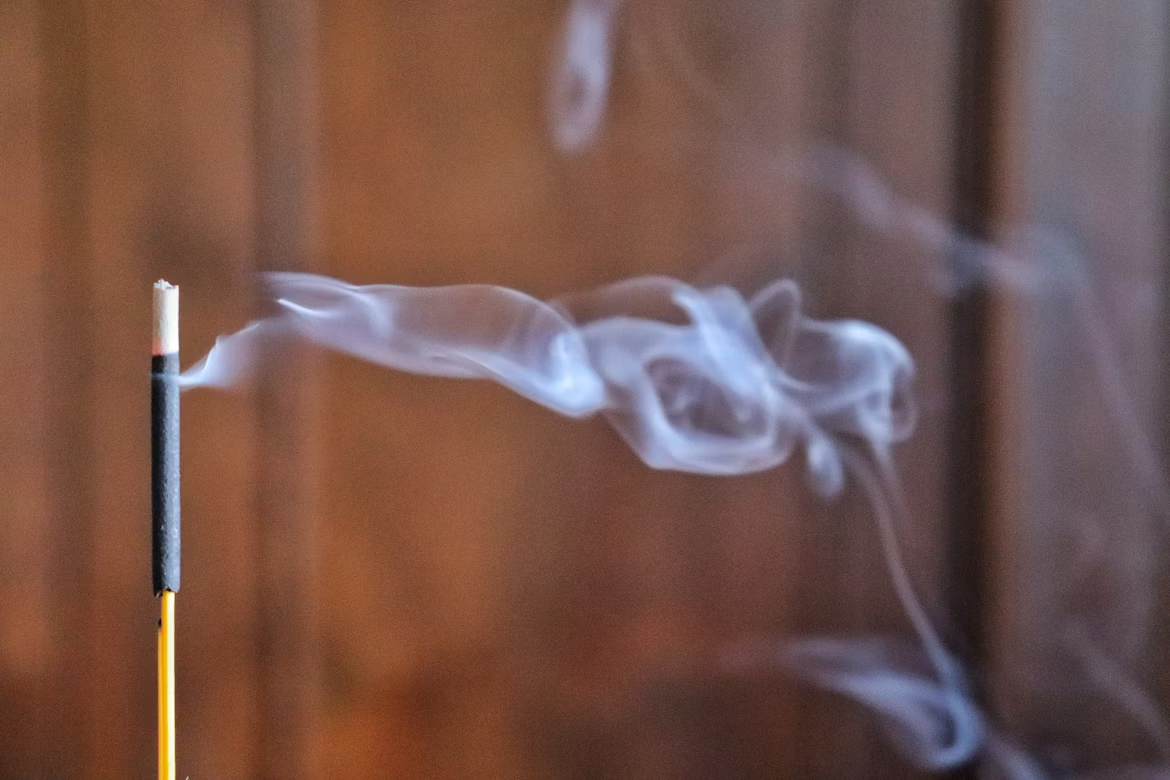
This deserves separate discussion because it's often the deciding factor for people choosing between these woods.
Cedar's aromatic oils create a distinctive scent that intensifies with heat. Many sauna enthusiasts consider this aroma essential to the experience. The smell is calming, pleasant, and deeply associated with traditional sauna bathing.
Thermowood has minimal aroma. Some describe a mild woody scent when new, but nothing like cedar's distinctive character. The neutral scent appeals to people with sensitivities or those who prefer unscented environments.
Neither is objectively better. It's about what you want from your sauna experience. If aroma matters, cedar wins definitively. If you prefer neutral or have sensitivities, thermowood is preferable.
We've had customers specifically choose thermowood because family members have cedar sensitivities. Others rejected thermowood specifically because they wanted the cedar aroma. This is entirely personal preference.
Cost Comparison Over Time
The price difference between thermowood and cedar looks different in short-term versus long-term analysis.
Initial Purchase (Outdoor Sauna):
- Quality clear cedar: £8,000-12,000
- Thermowood equivalent: £12,000-18,000
- Difference: £4,000-6,000 premium for thermowood
Maintenance Over 25 Years:
- Cedar: Annual sealing (£200-400/year) = £5,000-10,000
- Periodic refinishing (£800 every 5 years) = £4,000
- Total cedar maintenance: £9,000-14,000
- Thermowood: Optional oil every 3 years (£150) = £1,250
- Total thermowood maintenance: £1,250
Total Cost Over 25 Years:
- Cedar: £17,000-26,000
- Thermowood: £13,250-19,250
For long-term outdoor installations, thermowood's higher upfront cost is offset by dramatically lower maintenance requirements. For indoor saunas where maintenance is minimal for both, cedar's lower initial cost makes it more economical.
Alternatives to Cedar for Sauna Construction
Beyond the thermowood vs cedar choice, other woods work well for saunas in specific applications.
Nordic Spruce: Affordable softwood suitable for indoor saunas. Requires treatment for outdoor use. Less stable than either cedar or thermowood but significantly cheaper.
Aspen: Light-colored hardwood that stays very cool to touch. Excellent for benches. Minimal aroma. More expensive than spruce, less than cedar.
Hemlock: North American softwood with similar properties to spruce. Good indoor option. Less rot-resistant than cedar for outdoor use.
Thermally Modified Ash: Premium thermowood option with beautiful grain. More expensive than spruce thermowood. Excellent durability.
For most outdoor applications in the UK, the choice realistically comes down to thermowood or cedar. Other woods either lack the necessary durability or cost more than these two proven options.
Our Honest Recommendation
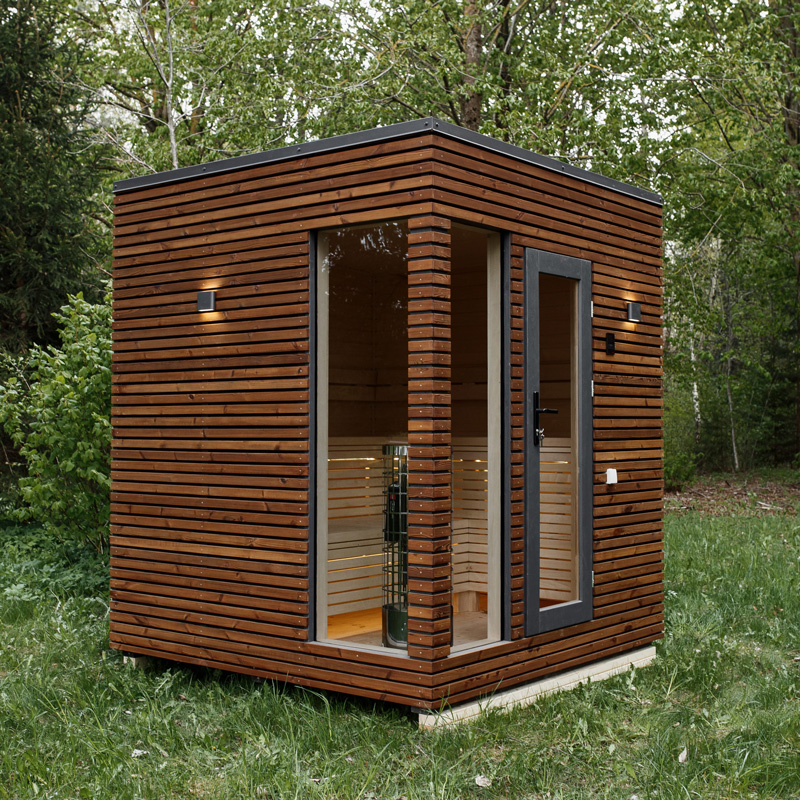
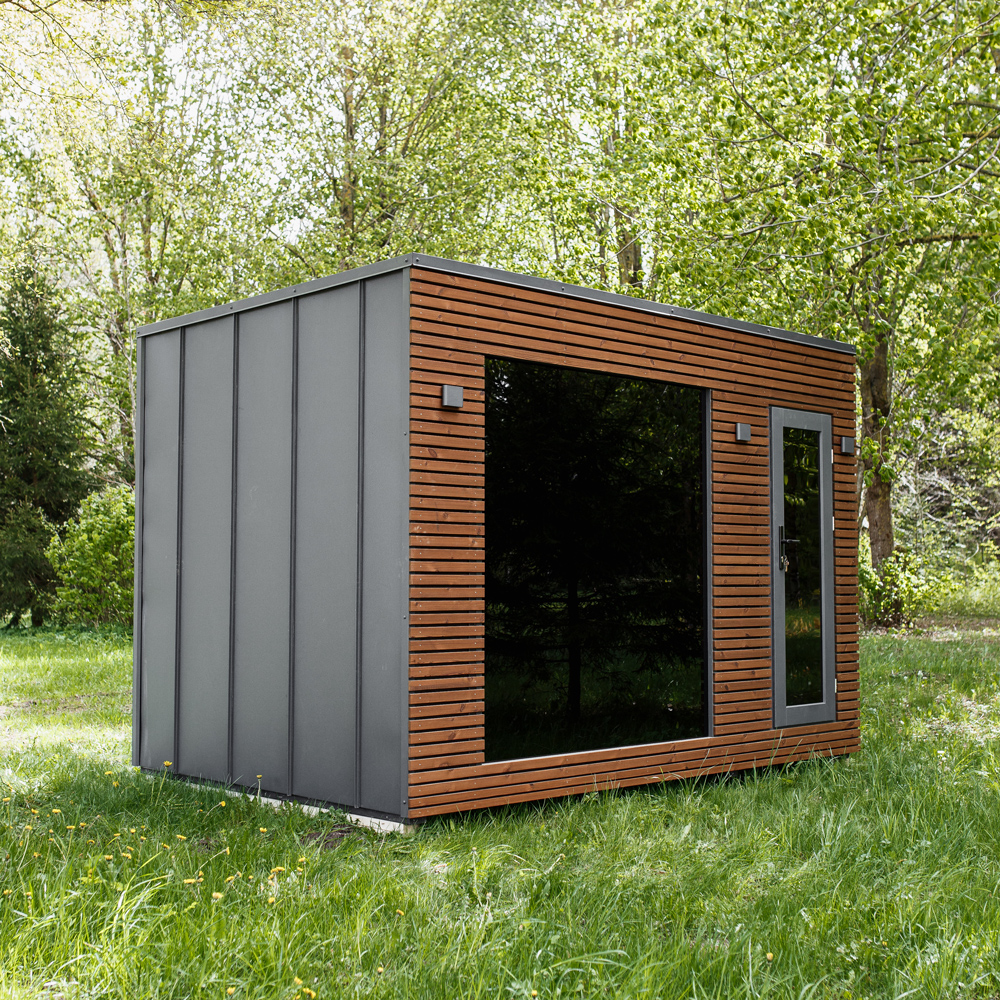
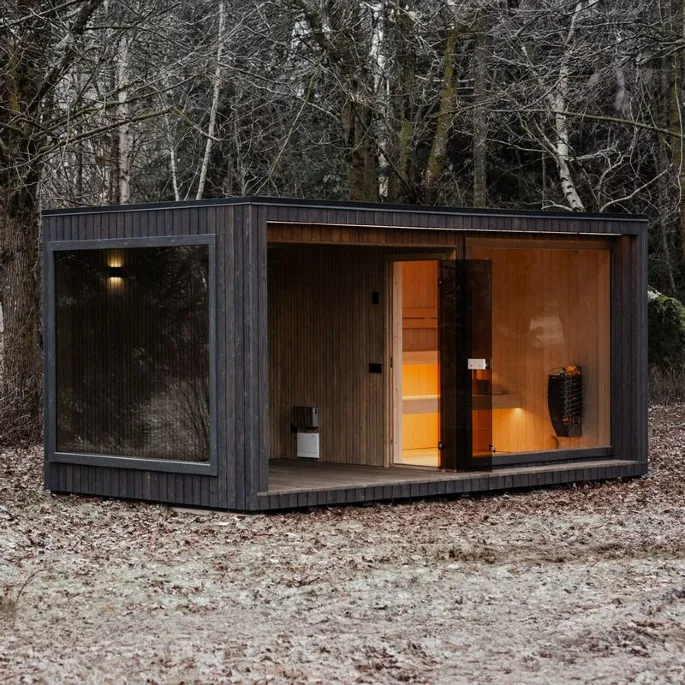
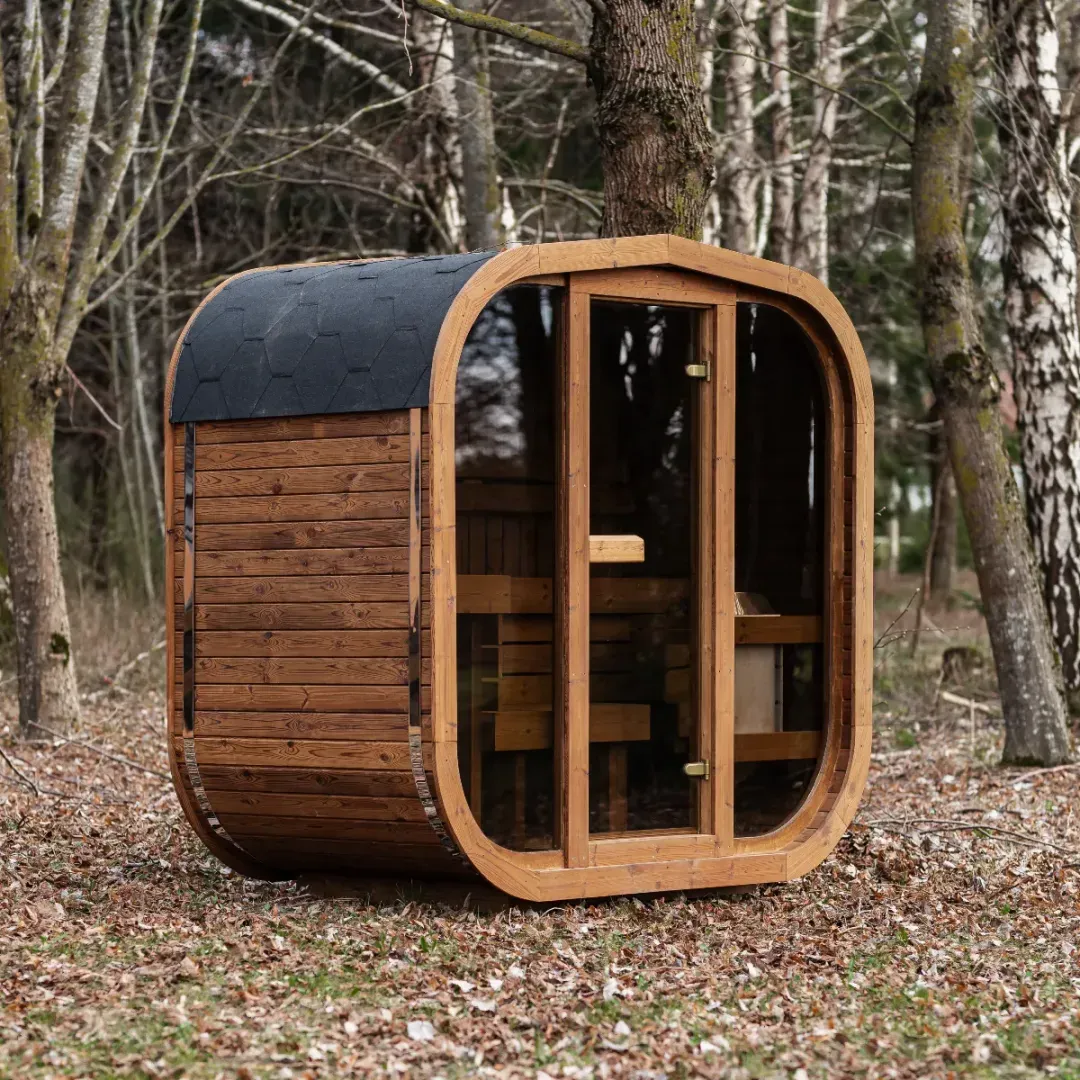
We use thermowood exclusively for Eden Hut saunas, but that doesn't mean it's right for everyone.
Choose thermowood if:
- Building outdoors in the UK or harsh climate
- Want minimal long-term maintenance
- Prefer modern, uniform aesthetic
- Planning 25+ year installation
- Need maximum dimensional stability
- Prefer neutral scent or have cedar sensitivities
Choose cedar if:
- Building indoor sauna
- Want traditional aromatic experience
- Prefer rustic, variable grain character
- Have tighter upfront budget (for indoor use)
- Value cedar's distinctive scent
- Can commit to regular maintenance
Either works well if:
- Building in moderate climate with indoor option
- Don't have strong aroma preferences
- Budget allows either choice
- Appreciate both aesthetic styles
The honest truth: both are excellent materials. Cedar's century-long track record speaks for itself. Thermowood's modern advantages solve real problems. The "best" choice depends entirely on your specific situation and priorities.
Conclusion
If this article resolved some of your thermowood versus cedar questions, you might want to see our outdoor saunas to understand what we've built with thermowood. Still weighing your options or have specific questions about your situation? Get in touch. We're always happy to discuss materials, climate considerations, or whatever will help you decide.
Frequently Asked Questions
Is thermowood better than cedar for outdoor saunas?
For harsh climates, yes. Thermowood's superior dimensional stability and lower maintenance make it better suited for outdoor UK conditions. Cedar performs well outdoors with proper maintenance but requires more care to achieve similar longevity.
Does thermowood smell like cedar?
No. Thermowood has minimal aroma, nothing like cedar's distinctive scent. The heat treatment removes aromatic compounds. If cedar aroma is important to you, thermowood won't provide that traditional sensory experience.
Which is more expensive: thermowood or cedar sauna?
Thermowood costs 50-80% more upfront. However, over 25 years, total ownership cost (including maintenance) often favors thermowood for outdoor installations due to minimal upkeep requirements. For indoor saunas, cedar is more economical.
Can I use cedar for outdoor sauna in the UK?
Yes, quality Western Red Cedar works well outdoors in the UK with proper maintenance. Annual sealing and periodic refinishing preserve its appearance and extend lifespan. Expect 20-25 years with diligent care versus 25-30+ years for thermowood with minimal maintenance.
What are the best alternatives to cedar for sauna?
Thermowood is the primary alternative offering superior outdoor performance. For indoor saunas, Nordic spruce, aspen, and hemlock work well at lower cost. For premium applications, thermally modified ash provides exceptional durability with beautiful grain.
Does thermowood last longer than cedar?
Yes, typically. Thermowood lasts 25-30+ years outdoors with minimal maintenance. Cedar lasts 20-25 years with regular upkeep. The difference comes from thermowood's superior dimensional stability and rot resistance created by thermal modification.
Which feels better for sauna benches: thermowood or cedar?
Thermowood has lower thermal conductivity and stays cooler against bare skin, making it slightly more comfortable for benches. Cedar is also comfortable but feels warmer to touch. Both work excellently; the difference is subtle.
Is thermowood or cedar more environmentally friendly?
Both can be environmentally friendly with responsible sourcing. Thermowood's chemical-free process and PEFC-certified forests make it sustainable. Cedar is sustainable when harvested responsibly. Thermowood stores more carbon due to its modified structure, giving it a slight edge.
Can I mix thermowood and cedar in one sauna?
Yes, some builders use cedar interiors for aroma and thermowood exteriors for weather resistance. However, different expansion rates can complicate construction. Most people choose one material throughout for consistency and simpler building.


.avif)


%201%20(1).avif)

.webp)
.webp)
.webp)
.webp)
.webp)
.webp)










.webp)


.webp)
%20(2).jpg)
.webp)
.webp)










.svg)

.png)