
What Is Thermowood? Sauna's Best Wood in 2026


You've probably noticed "thermowood" mentioned throughout our website. In product descriptions, technical specifications, and construction details, the term appears repeatedly. Over time, we've received countless questions: What exactly is thermowood? Why does it cost more? Is it really worth it? We realized we needed to dedicate proper space to explaining what is thermowood, why we've built our entire sauna line around it, and what makes it different from regular wood.
We've seen what works and what doesn't. We've dealt with wood movement, moisture damage, and maintenance issues with other materials. That experience taught us that for outdoor saunas specifically, thermowood isn't just better. It's essential.
Understanding Thermowood: The Basics
Thermowood (also written as thermo wood or thermally modified wood) is natural timber that's been heat-treated at extremely high temperatures in a controlled, oxygen-free environment. The process fundamentally changes the wood's cellular structure without using any chemicals.
The Thermal Modification Process
The wood is placed in a specialized kiln where temperatures reach 185-212°C (365-414°F). This happens over several days in carefully controlled stages. First, the temperature rises gradually while humidity increases. Then comes the actual thermal modification at peak temperature with reduced oxygen. Finally, the wood cools and moisture content stabilizes.
This isn't just drying wood. The intense heat breaks down the wood's hemicellulose, the component that absorbs water and provides food for fungi. The lignin content increases proportionally, making the wood more stable. Resins that would normally seep out in heat get neutralized. The entire cellular structure transforms.
The process is completely chemical-free. No preservatives, no treatments, no coatings. Just heat, steam, and carefully controlled conditions. The wood that emerges is fundamentally different from what went in.
Why We Chose Thermowood
When we started Eden Hut, we tested multiple wood types for outdoor sauna construction. Cedar, spruce, pine, larch. Each had advantages. Each also had significant limitations for UK outdoor use.
Our Experience with Regular Wood
Traditional softwoods like cedar work beautifully for indoor saunas. But outdoors in British weather, we saw warping within the first year, resin bleeding during summer heat, and dimensional changes that created gaps in joinery. Regular maintenance requirements proved unrealistic for most customers.
Why Thermowood Solved Our Problems
Dimensional Stability: The heat treatment dramatically reduces the wood's ability to absorb moisture. When exposed to 100% humidity, thermowood only absorbs about 12% moisture content maximum. Regular wood would absorb 25-30%. This means minimal swelling, shrinking, or warping as seasons change.
Rot and Decay Resistance: By breaking down the hemicellulose that fungi feed on, thermal modification makes wood naturally resistant to rot. We've had Eden Hut saunas operating outdoors in coastal areas for years with zero decay issues.
No Resin Problems: The heat treatment eliminates resin content. Those sticky drips that plague pine and spruce saunas? They simply don't happen with thermowood. Surfaces stay clean and maintenance-free.
Comfortable Touch: Thermowood has lower thermal conductivity than regular wood. Benches and walls don't feel as hot to bare skin, even during intense sessions. This matters enormously for user comfort.
Aesthetic Consistency: The thermal process creates a rich, uniform brown color throughout the wood. It won't fade to grey unless you want it to. The appearance stays beautiful without staining or treatment.
We're aware we might sound like thermowood evangelists. But after building hundreds of outdoor saunas and seeing how they perform over years, we genuinely believe it's the right material for this application.
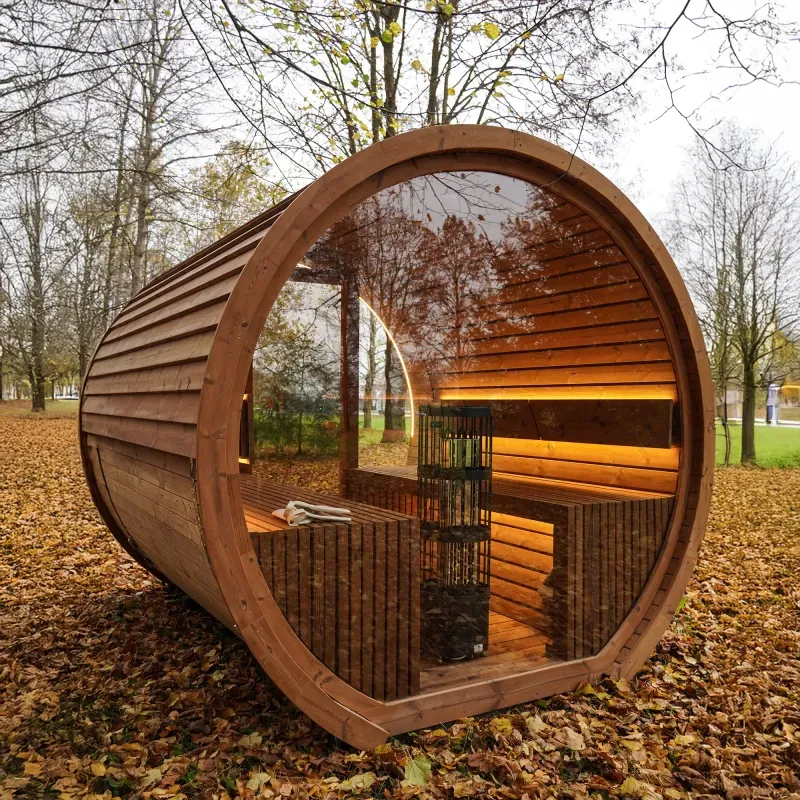
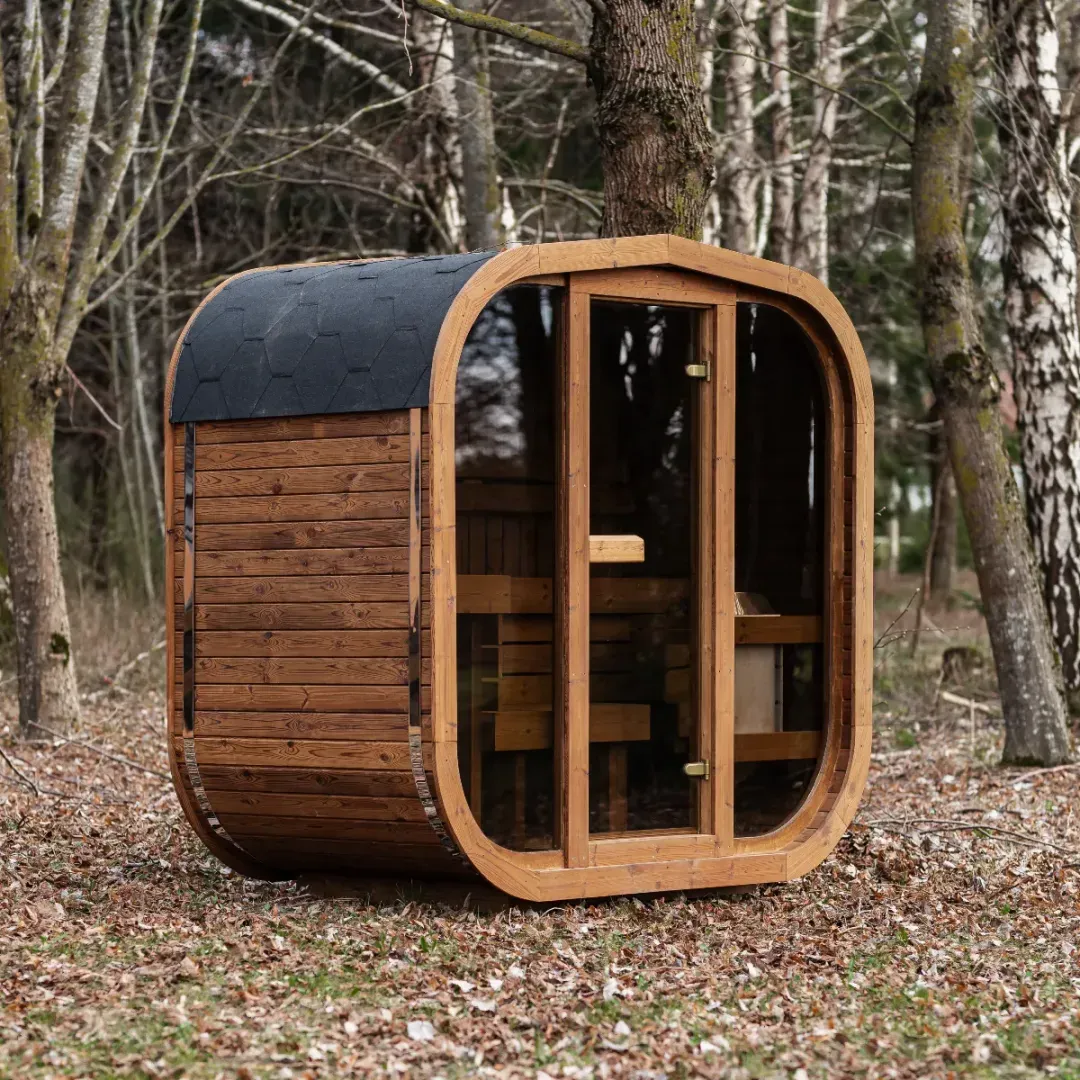
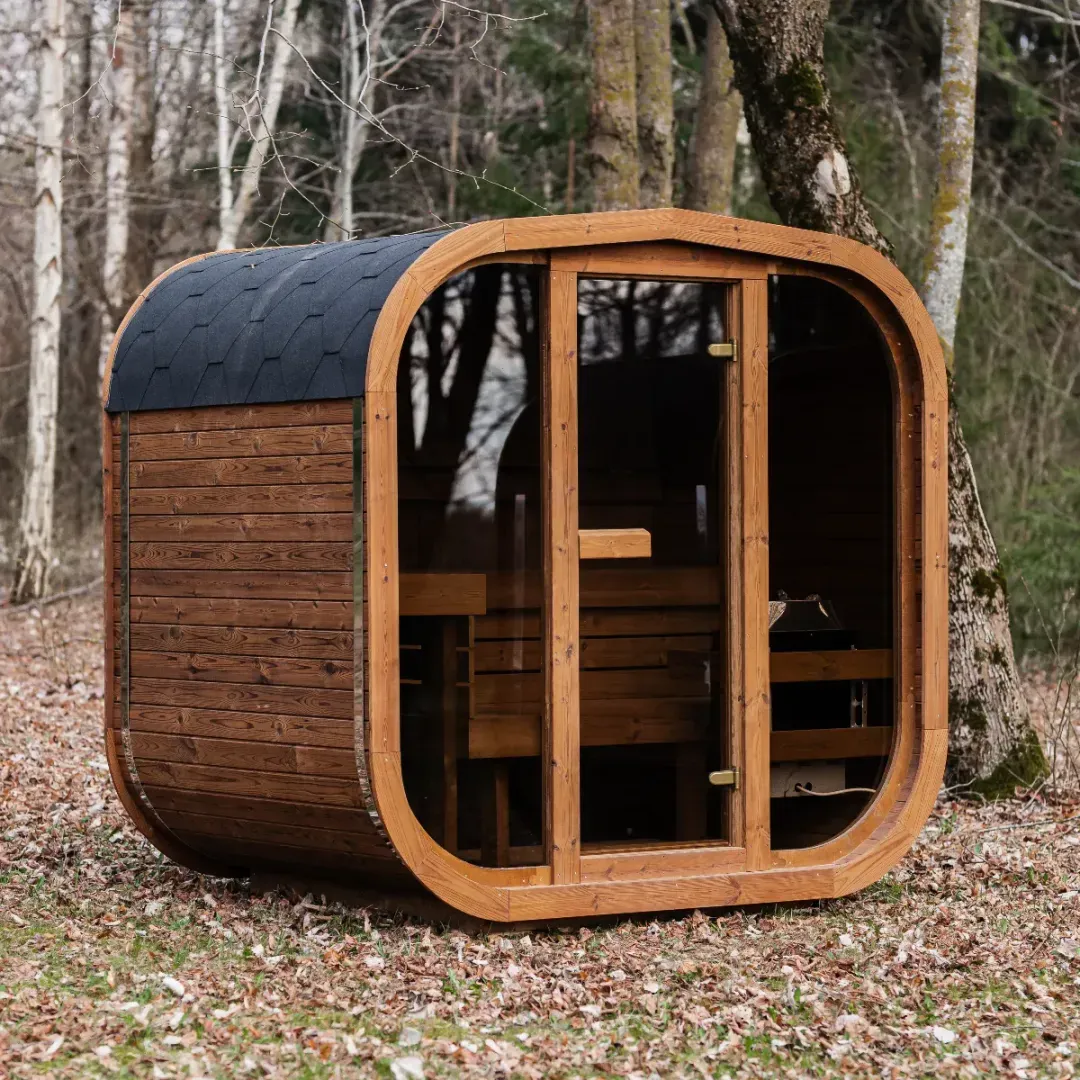
Check out our best-selling Thermo Wood Barrel Sauna Solara
The Main Advantages of Thermowood Saunas
Superior Weather Resistance
This is the biggest advantage for outdoor saunas. British weather is notoriously harsh on wooden structures. Rain, humidity, temperature swings, UV exposure. Regular wood struggles under these conditions.
Thermowood's reduced moisture absorption means it handles rain and humidity without swelling or deforming. The structural integrity remains stable through seasonal changes. We've had customers in Scotland, Cornwall, and exposed coastal locations report excellent performance year after year.
The decay resistance means you won't see rot developing in joints, corners, or anywhere water might collect. Traditional wood saunas often show decay within 5-7 years in challenging climates. Properly maintained thermowood saunas last 25-30 years.
Minimal Maintenance Requirements
One of the top customer complaints about outdoor saunas involves maintenance. Regular wood requires annual treatment, frequent checking for rot, constant vigilance about resin buildup, and periodic refinishing to maintain appearance.
Thermowood dramatically reduces these requirements. You can leave it completely untreated and it will slowly silver to an attractive grey patina. Or apply clear oil every 2-3 years if you prefer the brown tone. That's it. No chemical treatments needed. No fighting against decay or resin.
Several customers have told us the low maintenance was the deciding factor for choosing Eden Hut. They wanted a sauna they could actually use regularly without worrying about upkeep.
Enhanced Comfort During Sessions
The lower thermal conductivity of thermowood isn't just a technical specification. It translates to real comfort improvements during sauna use.
Traditional wood gets hot enough to be uncomfortable against bare skin during high-heat sessions. You need towels on benches, careful positioning to avoid hot spots, and breaks to let wood cool. Thermowood stays touchable even at high temperatures.
This might seem minor until you're actually using the sauna regularly. The ability to relax fully without worrying about burnt skin makes sessions more enjoyable. Many customers specifically mention this in feedback.
Environmental Considerations
The thermal modification process is completely chemical-free. No preservatives that leach into soil or groundwater. No treatments that off-gas during heating. Just natural wood altered by heat and steam.
Thermowood also outperforms regular wood for carbon storage. The modified cellular structure allows it to retain more carbon throughout its lifespan. Combined with its longevity (meaning less frequent replacement), it's genuinely more sustainable than treated alternatives.
We source our thermowood from responsibly managed European forests with PEFC certification. The entire supply chain prioritizes sustainability.
Long-Term Durability and Value
Yes, thermowood costs more upfront. Typically 50-80% more than comparable untreated wood. But the lifespan difference is dramatic.
A well-built untreated wood sauna might last 10-15 years with diligent maintenance. A thermowood sauna easily reaches 25-30 years with minimal upkeep. When you calculate cost over the sauna's lifetime, thermowood often proves less expensive.
The resale value holds better too. Customers who've moved and sold their Eden Hut saunas report strong buyer interest specifically because of the thermowood construction.
Take a look at our top-rated small outdoor sauna : London
The Realistic Downsides of Thermowood
We're advocates for thermowood, but we're not blind to its limitations. Here's what you need to know about where thermowood isn't perfect.
Higher Initial Cost
There's no getting around it: thermowood is expensive. The thermal modification process adds significant cost to the raw material. The specialized equipment, energy requirements, and time investment all contribute to the premium price.
For Eden Hut saunas, this means our entry-level models cost more than competitors using cedar or pine. We've lost sales to customers with strict budget constraints who prioritize lower upfront cost over long-term performance.
Why this might not matter: When you account for the maintenance savings, extended lifespan, and superior performance, the total cost of ownership often favors thermowood. But if your budget is limited to initial purchase price, this is a real barrier.
Limited Species Options
The thermal modification process works best with certain wood species. Nordic spruce, aspen, and pine respond well to treatment. Hardwoods like ash can be treated but at higher cost.
This limits aesthetic choices compared to the wide variety of wood species available for regular sauna construction. You won't find thermowood in exotic species or unusual grain patterns.
Why this might not matter: The uniform appearance of thermowood appeals to many customers. The rich brown tone and consistent grain create a refined look that works with most design aesthetics. Most people find the limited options perfectly adequate.
Reduced Wood "Character"
Some sauna enthusiasts specifically want knots, resin pockets, and the irregular character of natural wood. The thermal process and quality selection for modification means thermowood tends toward cleaner, more uniform appearance.
If you love rustic, highly textured wood with visible knots and natural imperfections, thermowood might feel too refined. The consistency that we value as a quality feature could feel too manufactured to some.
Why this might not matter: The smooth, splinter-free surface and uniform appearance provide a spa-like quality that most customers prefer. It's more about personal taste than objective superiority.
Processing Makes Wood More Brittle
The thermal modification process reduces wood density and increases brittleness slightly. Thermowood is more prone to impact damage than untreated wood. A sharp blow that would dent regular wood might crack thermowood.
For sauna construction this rarely matters because the wood isn't subjected to impacts. But it affects workability during construction and requires slightly more care during installation.
Why this might not matter: Once the sauna is built, this brittleness is irrelevant for normal use. You're not hitting your sauna with hammers. The structural integrity for actual sauna use is excellent.
Not Necessary for Indoor Saunas
If you're building an indoor sauna in a controlled environment, thermowood's main advantages become less relevant. The moisture resistance matters less. The decay resistance is overkill. The premium cost is harder to justify.
For indoor applications, high-quality cedar or other traditional woods often make more sense unless you specifically prefer thermowood's aesthetic.
Why this might not matter: Even indoors, the no-resin benefit and comfortable touch remain valuable. Many customers specifically choose thermowood for indoor saunas because they prefer the material regardless of necessity.
Thermowood Maintenance and Care
One of thermowood's selling points is low maintenance. Here's what that actually looks like.
Natural Weathering vs. Maintaining Color
Untreated thermowood weathers to silver-grey over 1-2 years. This is purely aesthetic; performance remains unchanged. Many customers love the weathered appearance.
To keep the rich brown color, apply UV-protective clear oil every 2-3 years. Takes 2-3 hours for an average sauna. Use natural oils designed for thermowood.
Cleaning and Care
Wash the exterior occasionally with water and soft brush to remove dirt and pollen. For interiors, regular sauna heat naturally sterilizes the wood. Light cleaning with damp cloth is sufficient.
Inspect joinery annually, check the roof for debris, and ensure drainage remains clear. These basic checks take 15 minutes annually.
That's genuinely it for thermowood maintenance. The contrast with regular wood's requirements is dramatic.
For more detailed information on proper sauna cleaning techniques and maintenance schedules, check out our comprehensive guide on how to clean a sauna.
Is Thermowood Right for Your Sauna?
Not every sauna needs thermowood. Here's our honest assessment of when it makes sense.
Thermowood Is Ideal If You:
- Want an outdoor sauna that will last 25+ years with minimal maintenance
- Live in a challenging climate with significant moisture and temperature variation
- Prefer spending time using your sauna rather than maintaining it
- Value long-term cost-effectiveness over minimal upfront investment
- Appreciate clean, refined aesthetics with consistent appearance
- Prioritize chemical-free, sustainable materials
Thermowood Might Be Overkill If You:
- Are building an indoor sauna in a controlled environment
- Have a very tight budget requiring absolute minimal upfront cost
- Specifically prefer rustic wood character with visible knots and imperfections
- Don't plan to keep the sauna long-term
- Want the traditional cedar aroma experience
.jpg)
Our Recommendation
For outdoor saunas in the UK specifically, we believe thermowood is worth the investment for most people. The climate demands materials that can handle moisture, and the low maintenance suits British homeowners' preferences.
If budget is tight, consider a smaller thermowood sauna rather than a larger regular wood model. The performance difference is worth prioritizing.
For indoor saunas, thermowood remains our preference but the advantage over good cedar or spruce is less dramatic. Budget and aesthetic preferences matter more in indoor applications.
The Bottom
Our experience building hundreds of Eden Hut saunas exclusively with thermowood has convinced us this is the right choice. We see the performance results. We hear the customer feedback. We watch our saunas age gracefully while competitors' regular wood models require increasing maintenance.
Yes, we're biased. But that bias is built on years of practical experience watching different materials perform in real-world conditions. We use thermowood because it works better, lasts longer, and creates fewer headaches for our customers.
For questions about thermowood or Eden Hut sauna construction, reach out to us. We're always happy to discuss materials, explain our choices, and help you determine if thermowood makes sense for your specific situation.
If you're ready to explore outdoor saunas built with premium thermowood that will last decades, we'd love to show you what we've created.
Frequently Asked Questions
What is thermowood made from?
Thermowood is regular wood (typically Nordic spruce, pine, or ash) that's been heat-treated at 185-212°C in a controlled, oxygen-free environment. The thermal modification changes the wood's cellular structure without using chemicals. The process breaks down moisture-absorbing components and increases stability.
Is thermowood worth the extra cost?
For outdoor saunas, yes. Thermowood typically costs 50-80% more than untreated wood but lasts 25-30 years versus 10-15 years for regular wood. Lower maintenance requirements and superior weather resistance usually justify the premium over the sauna's lifetime. For indoor saunas, the advantage is less dramatic.
How long does thermowood last outdoors?
Properly constructed thermowood saunas last 25-30 years outdoors with minimal maintenance. Some may last longer depending on climate and care. Regular wood saunas typically last 10-15 years. The thermal modification's rot resistance and dimensional stability dramatically extend outdoor lifespan.
Does thermowood need to be treated or sealed?
No treatment is required. Thermowood performs excellently untreated and will weather to an attractive silver-grey patina. If you prefer to maintain the brown color, apply UV-protective clear oil every 2-3 years. Never use synthetic sealers or chemical treatments that could trap moisture.
Can thermowood be used for sauna benches?
Yes, thermowood is excellent for sauna benches. Its lower thermal conductivity means it doesn't get as hot against bare skin as regular wood. The smooth, splinter-free surface is comfortable, and the stability prevents warping. We use thermowood for all bench construction in Eden Hut saunas.
Why does thermowood turn grey?
UV exposure causes surface oxidation that creates a silver-grey patina over 1-2 years. This is purely aesthetic and doesn't affect the wood's structure, durability, or performance. Many people prefer the weathered appearance. Apply UV-protective oil if you want to maintain the brown tone.
Is thermowood environmentally friendly?
Yes. The thermal modification uses no chemicals, only heat and steam. Thermowood stores more carbon than regular wood due to its modified structure. Its extended lifespan means less frequent replacement, reducing forest demand. Our thermowood comes from PEFC-certified sustainably managed forests.
What's the difference between thermowood and pressure-treated wood?
Thermowood is heat-treated with no chemicals. Pressure-treated wood is infused with chemical preservatives. Thermowood is safe for sauna use and doesn't off-gas during heating. Pressure-treated wood should never be used in saunas due to toxic chemical release when heated.
Does thermowood smell different than regular wood?
Thermowood has a mild, pleasant woody scent but less aroma than cedar or fresh pine. The thermal process neutralizes most aromatic compounds. Some people prefer this neutral scent, others miss the strong cedar aroma. The scent becomes even milder after the wood is heated repeatedly during sauna use.


.avif)


%201%20(1).avif)

.webp)
.webp)
.webp)
.webp)
.webp)
.webp)
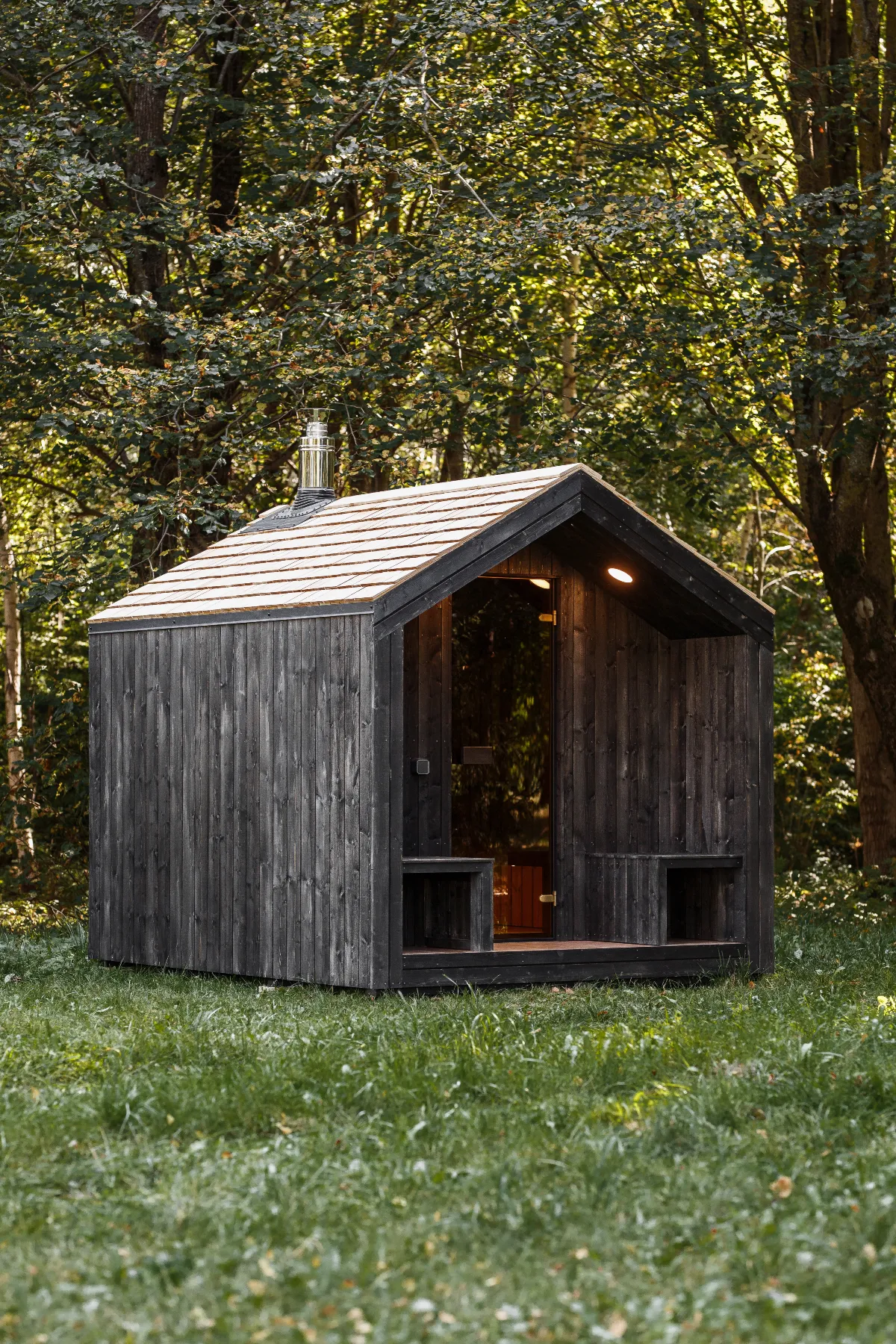
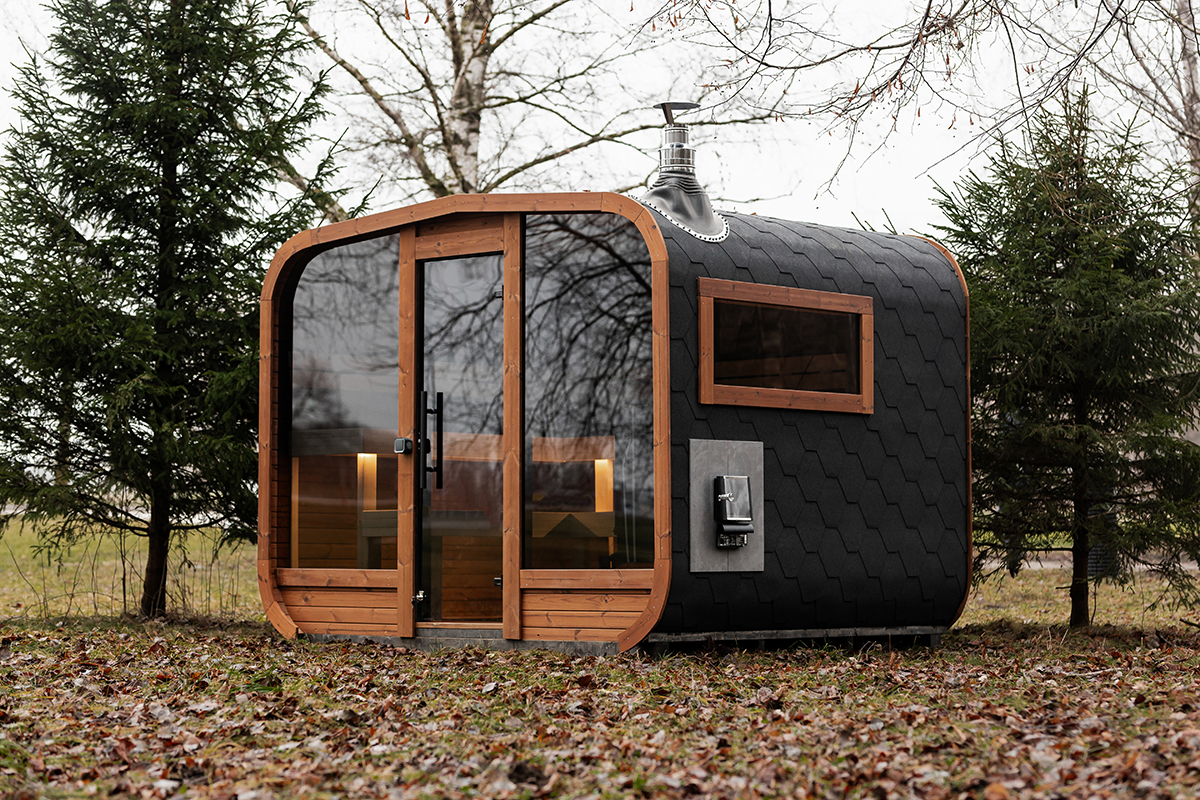
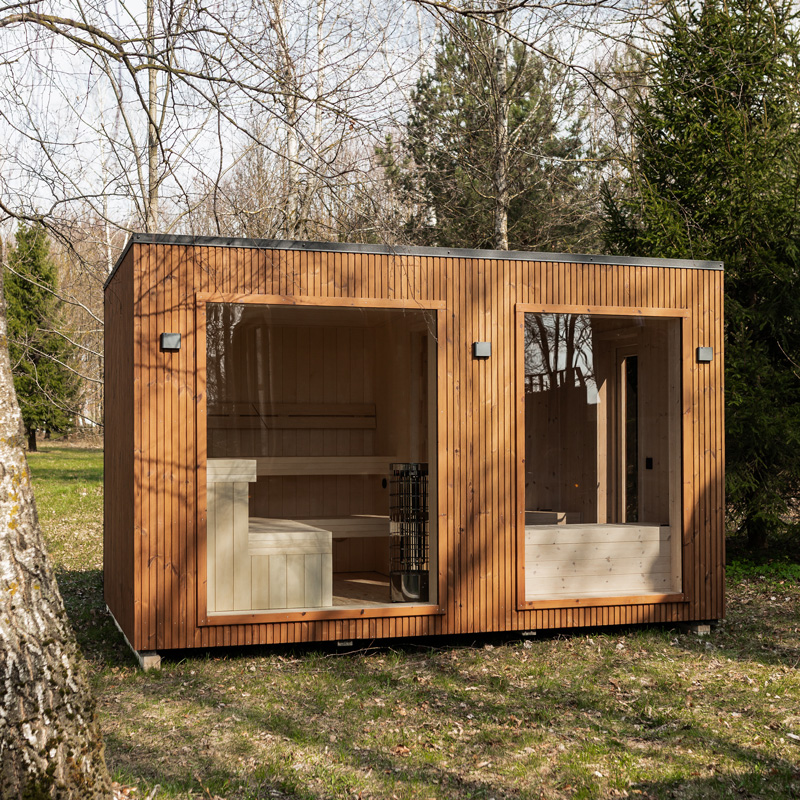










.webp)


.webp)
%20(2).jpg)
.webp)
.webp)










.svg)

.png)