
What Is an Infrared Sauna & How Does It Work?


Infrared saunas have become one of the most talked-about options in home wellness - and if you've been researching saunas at all, you've almost certainly come across the term. What is an infrared sauna, how does it compare to what most people picture when they hear the word "sauna," and is it something you should be considering?
We'll say up front: at Eden Hut, we specialise in traditional outdoor saunas, not infrared units. We don't sell them. But we get asked about them often enough that it's worth giving you an honest, clear explanation of what they are, how they work, and where they shine - without the marketing gloss.
What Is an Infrared Sauna?
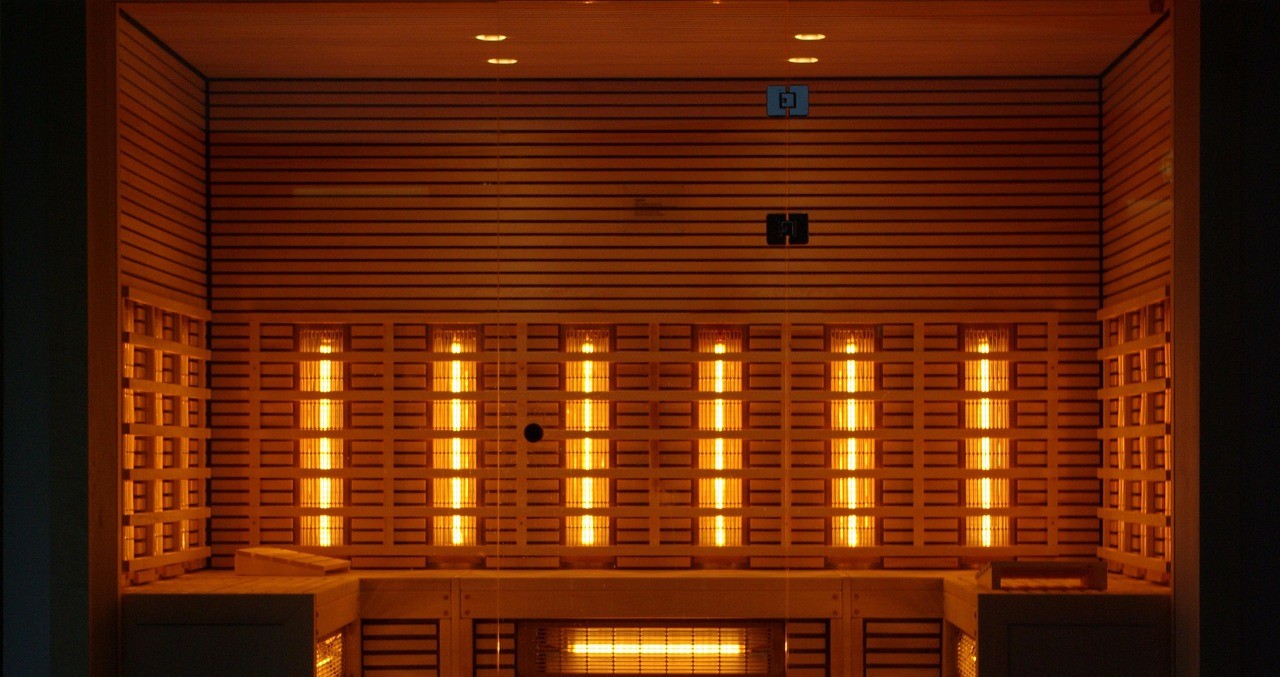
An infrared sauna is a cabin or enclosed space that uses infrared heaters to warm your body directly, rather than heating the air around you. That's the core difference. In a traditional Finnish sauna, a stove heats the air (and the stones on top of it), and that hot air heats your body. In an infrared sauna, infrared panels emit wavelengths that your skin absorbs directly, warming you from the surface inwards while the surrounding air stays much cooler.
The result is a very different experience. Traditional saunas run at 70-90°C or higher. Infrared saunas typically operate at 45-65°C - temperatures that feel more like a warm summer day than a deliberate heat session. You still sweat, sometimes heavily, but without the intense thermal stress of a Finnish sauna.
How Do Infrared Saunas Work?
Infrared is a type of light. It sits just past the red end of the visible spectrum - invisible to your eyes, but you feel it as warmth. It's the same kind of radiant heat you feel standing near a fire, or when sunlight hits your skin on a clear day. Your own body actually emits infrared radiation too.
Inside an infrared sauna, specialised heating panels (usually ceramic or carbon) emit this infrared energy. When the waves reach your skin, they're absorbed in the first few millimetres, where the energy converts to heat. Your blood carries that warmth deeper into the body, gradually raising your core temperature. Your cardiovascular system responds the way it would during moderate exercise - heart rate up, blood vessels dilating, sweat glands activating.
There are three sub-categories you'll see mentioned: near, mid, and far infrared. Most of the credible research - including a scientific review published in the National Institutes of Health database on the biological effects of far infrared radiation - focuses on the far infrared range (wavelengths roughly 3-100 μm). This is the range most therapeutic infrared saunas target. "Full spectrum" units include all three, though how much of each they actually deliver varies significantly by manufacturer.
The key distinction to remember: infrared saunas heat you, not the room. Everything else - the lower ambient temperature, the different feel, the benefits - flows from that single difference.
Benefits of Infrared Saunas
The research on infrared specifically is more limited than the decades of data we have on traditional Finnish saunas, but what exists is encouraging. A published review in a Canadian medical journal examined the evidence on far-infrared saunas for cardiovascular risk factors and found positive effects on blood pressure, endothelial function, chronic pain, and exercise tolerance - though the author was also honest about the small sample sizes and limited scope of most studies.
Here's what infrared saunas tend to do well:
Gentler heat for heat-sensitive people. This is probably the biggest practical advantage. If you find traditional saunas overwhelming - too hot, hard to breathe, stressful on the body - infrared offers a way to get some of the benefits without the intensity. People with certain cardiovascular conditions, older users, and those new to heat therapy often tolerate infrared far better.
Deeper sweating at lower temperatures. Because the heat comes from radiant energy rather than the air, many people sweat more heavily at 55°C in an infrared sauna than they would at 70°C in a traditional one. The sensation is also different - less "hot room" and more "warmth from inside."
Lower running costs and simpler installation. Infrared units typically run on standard household electricity, warm up faster, and don't need the same ventilation or construction considerations as a full wood-fired or electric traditional sauna. That makes them easier to fit into a spare room, garage, or basement.
Targeted wellness use cases. People dealing with chronic muscle pain, stiffness, or recovery from physical activity often report infrared feels more soothing because of how the heat penetrates. Research on this is still developing, but it's a consistent anecdotal pattern worth mentioning.
What About Infrared Sauna Dangers?
Since this term comes up often in searches, it's worth addressing directly. The short answer: for most healthy adults, infrared saunas are safe when used sensibly. Infrared is non-ionising radiation - the same category as visible light and radio waves. It doesn't damage DNA, and your body produces its own infrared heat all day long.
That said, a few genuine considerations:
EMF exposure from poor-quality heaters. Some cheaper infrared units emit higher electromagnetic fields than necessary. This isn't a proven health risk at sauna-level exposure, but it's a fair reason to buy from reputable manufacturers who publish EMF readings.
Dehydration. Because you often don't feel as hot, it's easy to stay in longer than you should. Drink water before and after, and cap sessions at 20-30 minutes.
Heat-related effects. The same cautions that apply to any sauna - avoid use with fever, acute illness, late pregnancy without medical approval, or certain cardiovascular conditions.
Skin and burn risks from near-infrared panels. Near infrared penetrates less and can cause surface warming that feels more intense. Reputable manufacturers design around this, but it's a reason to avoid the cheapest options.
None of this makes infrared saunas dangerous in any meaningful sense. It just means, like any wellness equipment, quality and sensible use matter.
Infrared vs Traditional: Quick Note
We've deliberately kept the infrared-vs-traditional comparison brief in this article, because we already have a full guide dedicated to it. If you're trying to decide between the two, our infrared vs traditional sauna comparison breaks down the experience, the research, the costs, and the real-world use cases in depth. That's the place to go if this is the decision you're actually weighing up.
If you want a broader overview of every sauna type on the market first, our guide to different types of saunas is also a good starting point.
Why Someone Might Still Choose a Traditional Sauna
Fair question - and one worth answering honestly even though we obviously have a stake in it. If infrared saunas run cooler, cost less to run, and fit into smaller spaces, why would anyone still go traditional?
A few reasons people consistently come back to.
Research depth. The majority of the long-term sauna research - the Finnish cardiovascular studies, the cold prevention data, the mortality and dementia findings - was done on traditional Finnish saunas. That doesn't mean infrared doesn't work; it means traditional is the one with decades of large-scale evidence behind it.
The actual experience. There's a specific, hard-to-describe feeling of stepping into a 80-90°C traditional sauna, pouring water on hot stones, and watching the steam rise. That ritual, the intensity, the sound of wood and water - it matters to people. Infrared is efficient and comfortable, but it doesn't replicate that experience, and plenty of sauna-lovers will tell you they don't want it replicated.
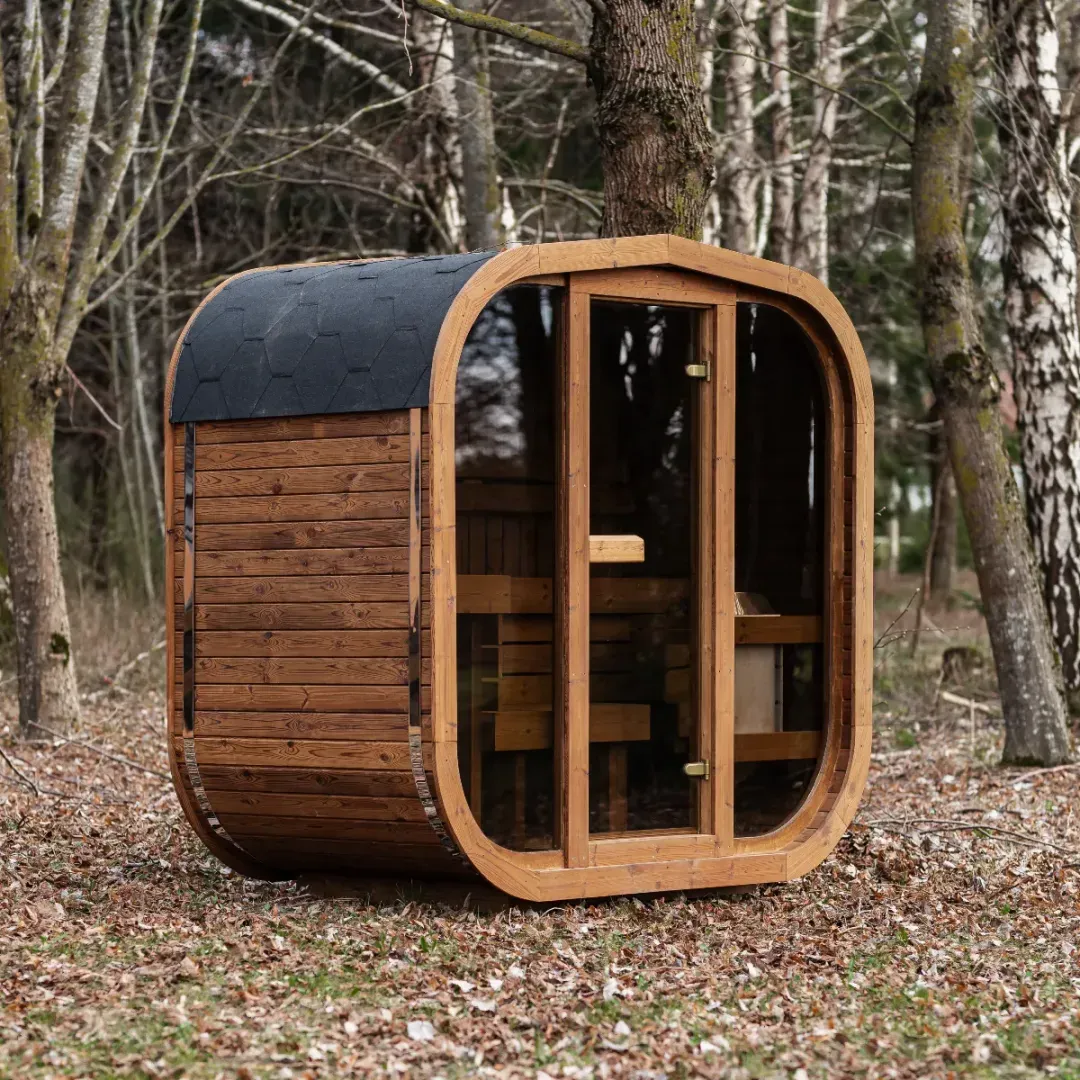
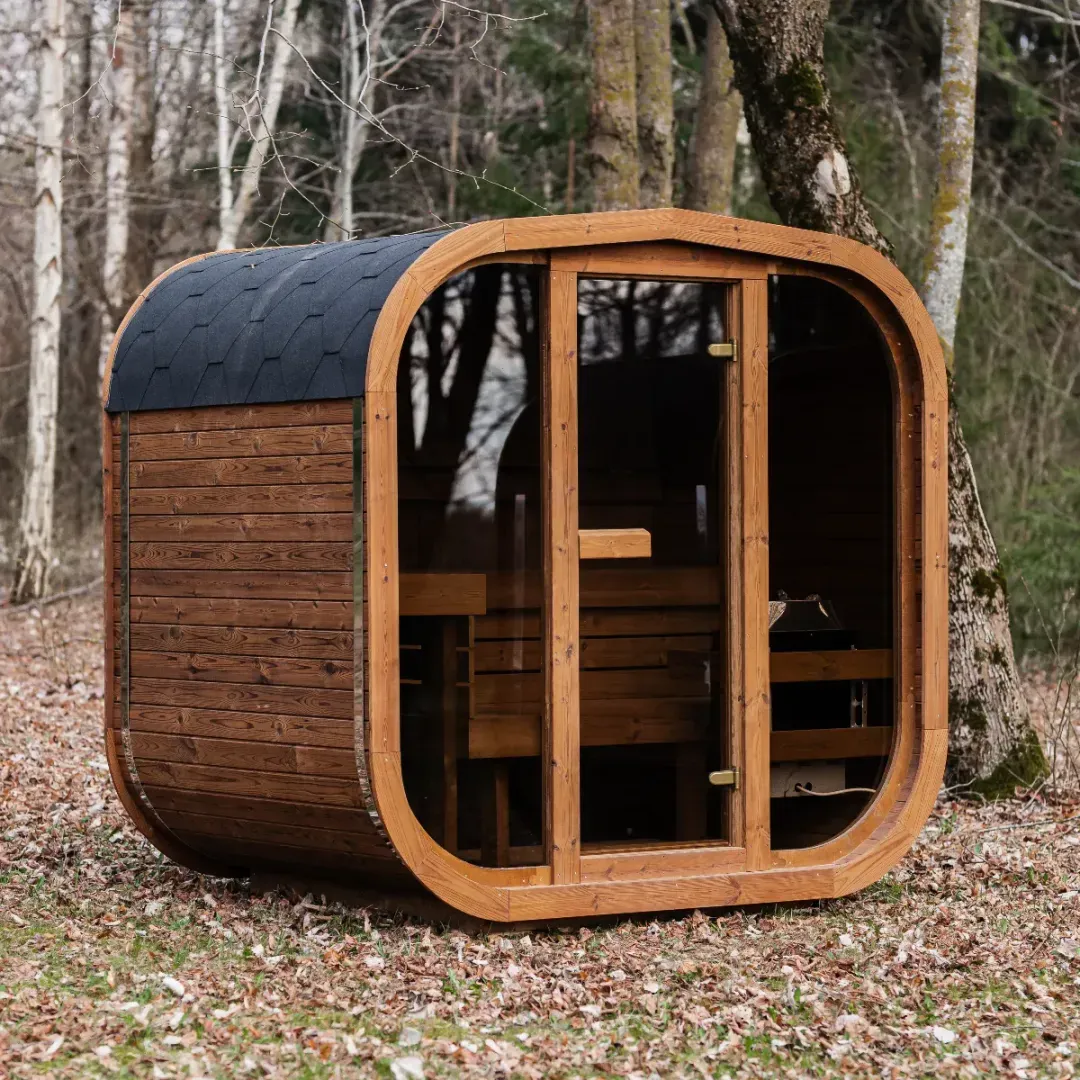
Outdoor integration. Traditional outdoor saunas are built for your garden, designed to last decades, and become part of the landscape. A properly built one becomes a feature of your property. If longevity and outdoor placement matter to you, our guide on how long saunas last covers what to expect from a well-made traditional unit.
Full-body heat stress. The intense cardiovascular challenge of a hot traditional sauna - the one linked to most of the research benefits - simply isn't replicated at infrared temperatures. If you want the workout-like response, traditional delivers it more reliably.
Social use. Traditional saunas are almost always designed for multiple people, built for gatherings, family use, or the Finnish social tradition. Infrared units are typically solo or for two.
And what are you not losing by choosing traditional? Almost nothing meaningful. You still get deep sweating, cardiovascular benefits, muscle relaxation, stress relief, and all the core effects that draw people to heat therapy in the first place. Traditional saunas do everything infrared saunas do - usually more intensely - they just do it at a higher temperature and through different physics.
The real choice comes down to what kind of experience you want and where you're putting it. If you're ready to think about a proper outdoor sauna for your garden, our sauna buying guide is the most useful place to start.
Curious to Learn More?
Thinking about bringing a sauna into your home and not sure which direction to go?
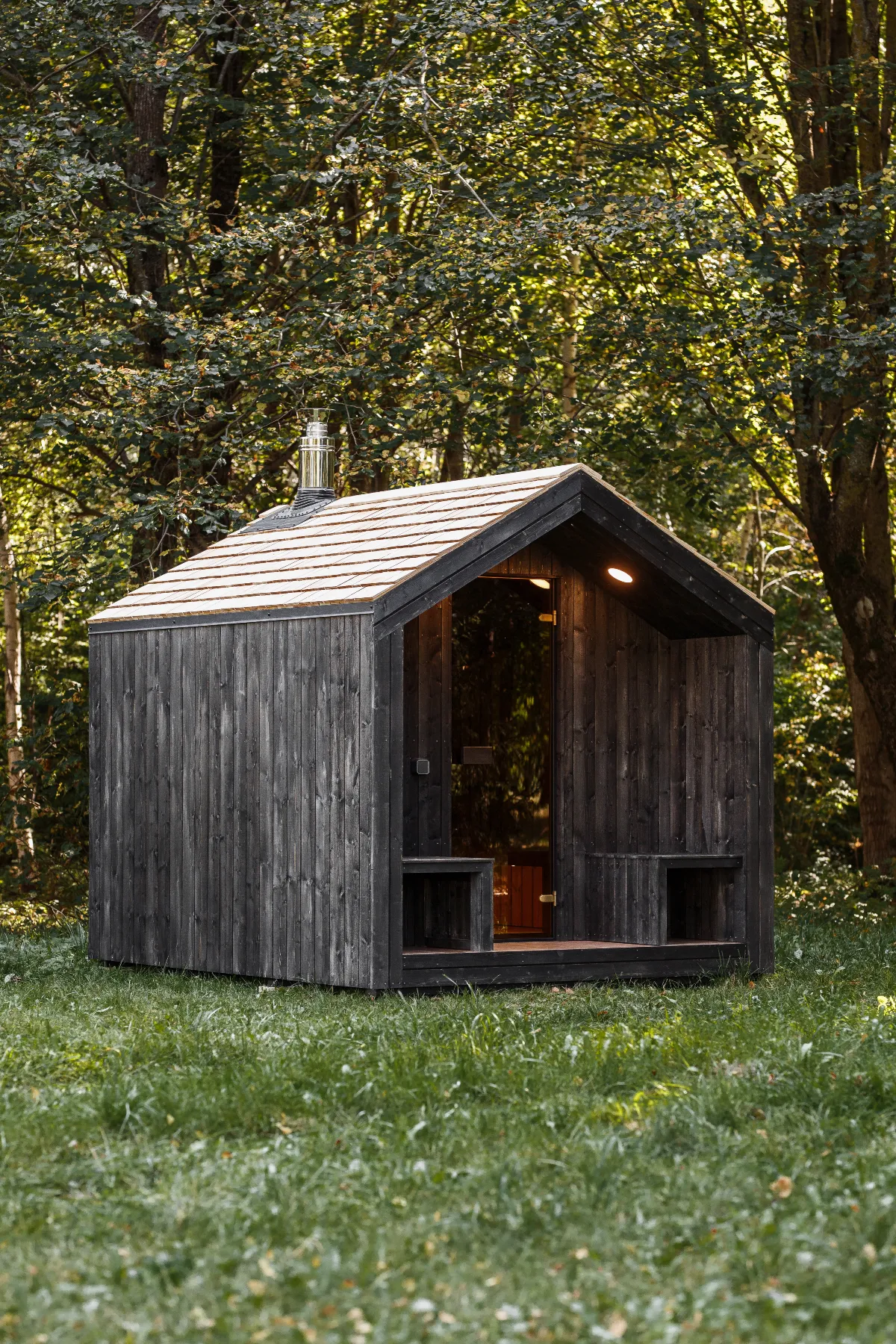
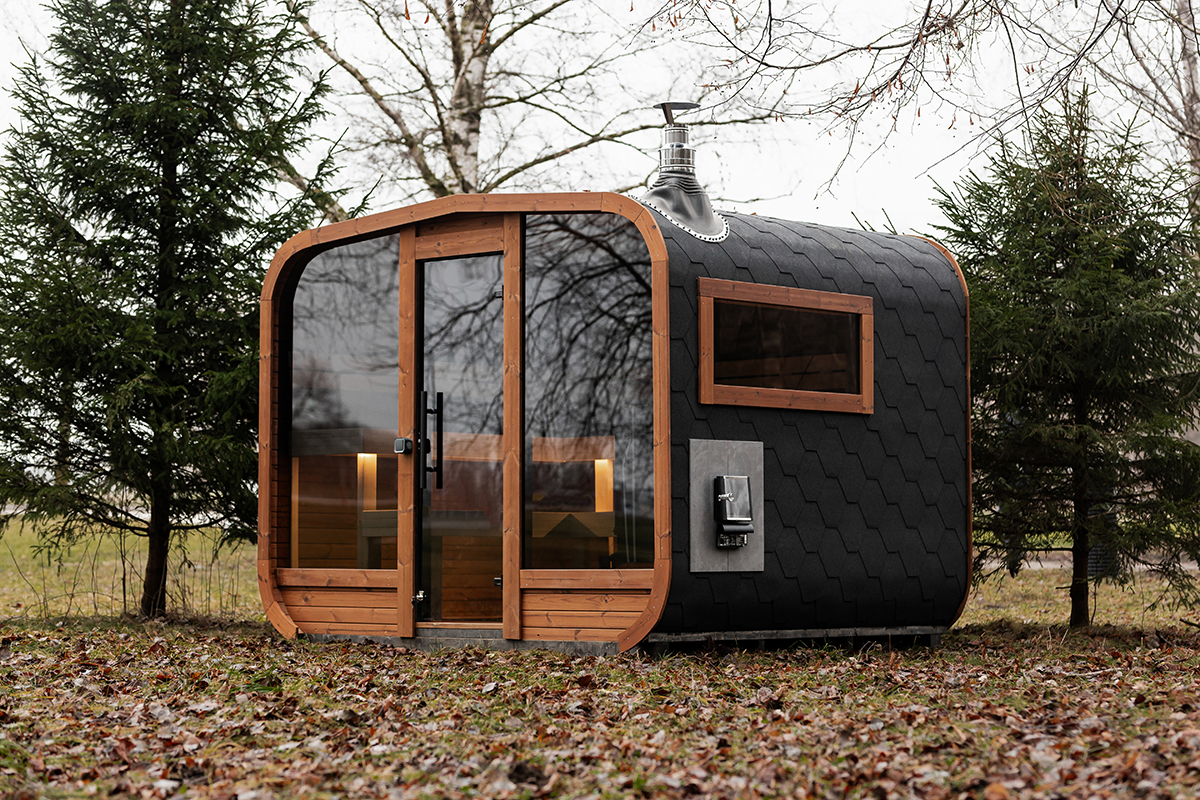
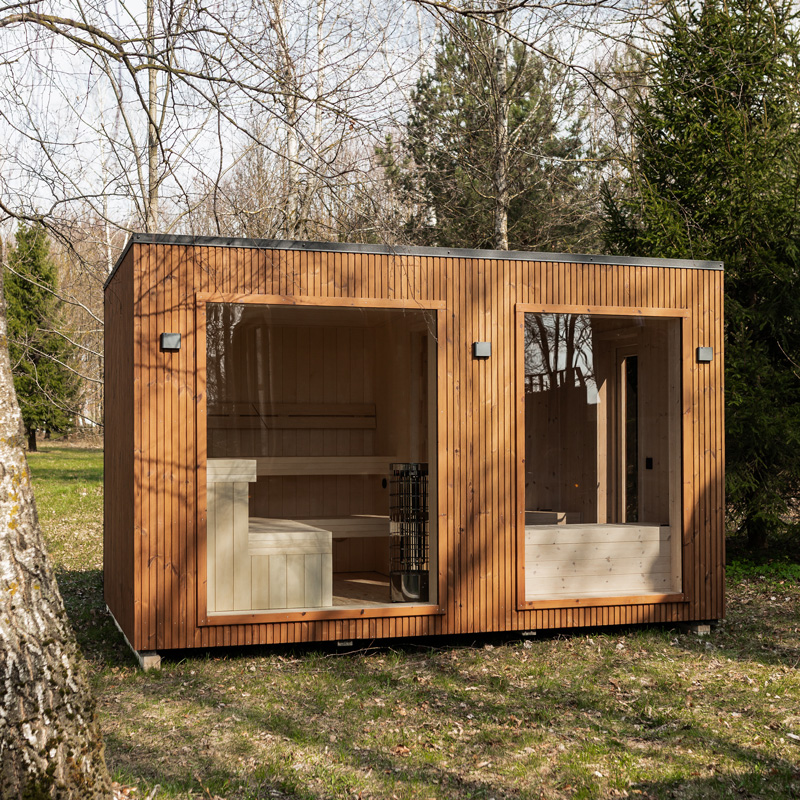
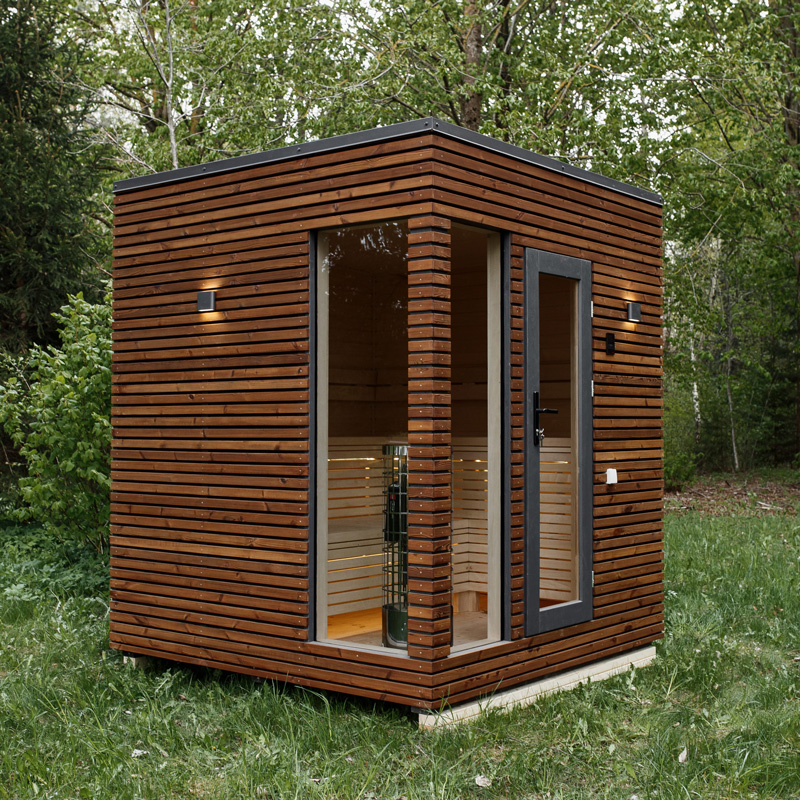
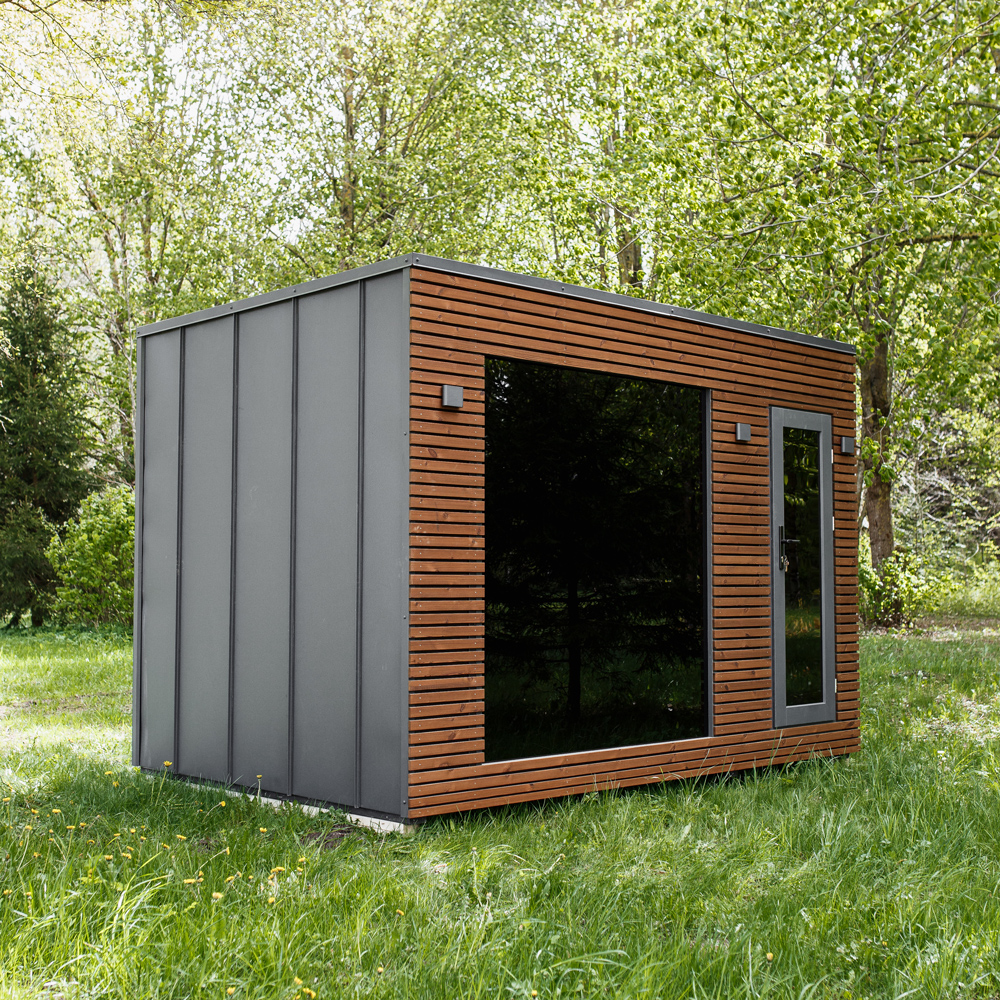
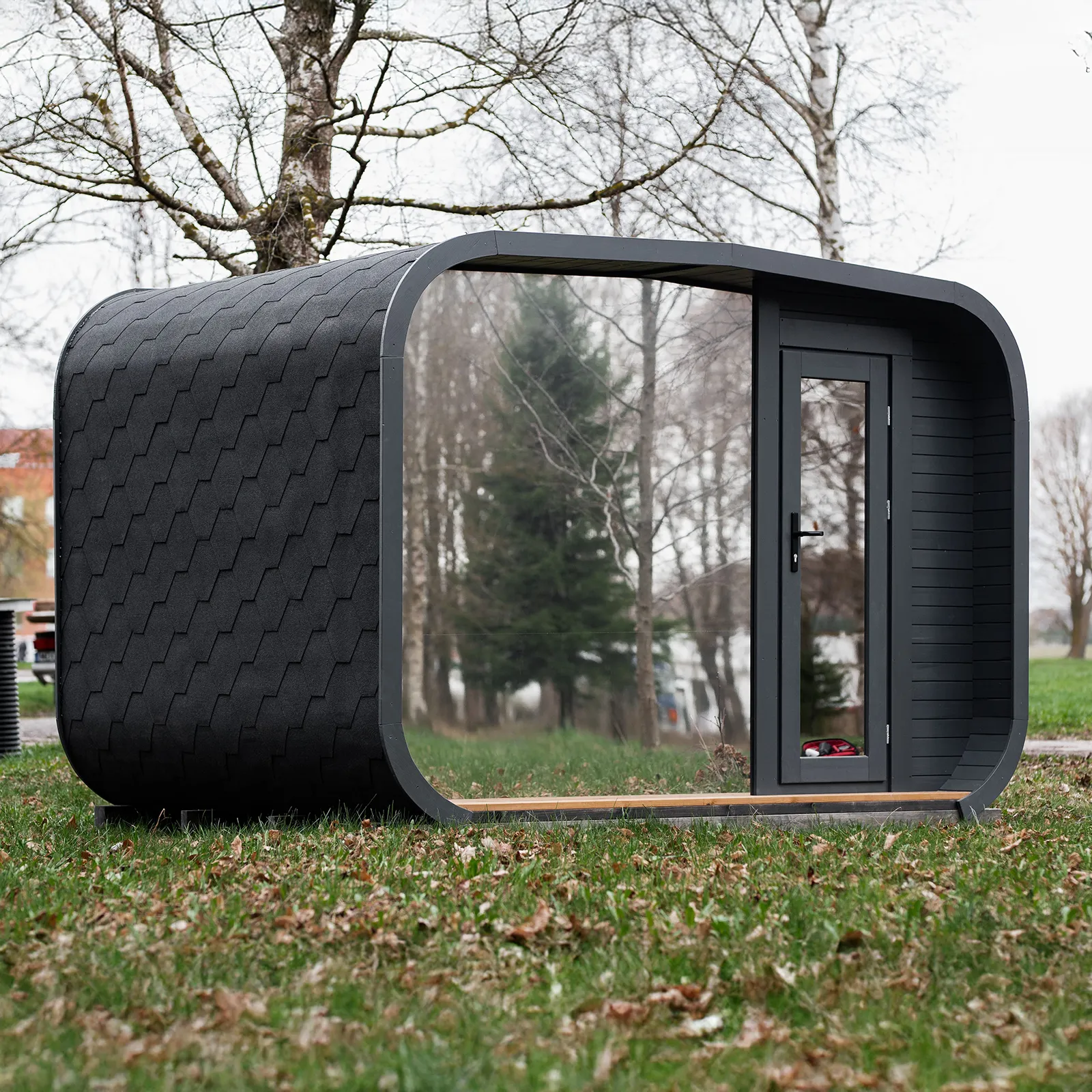
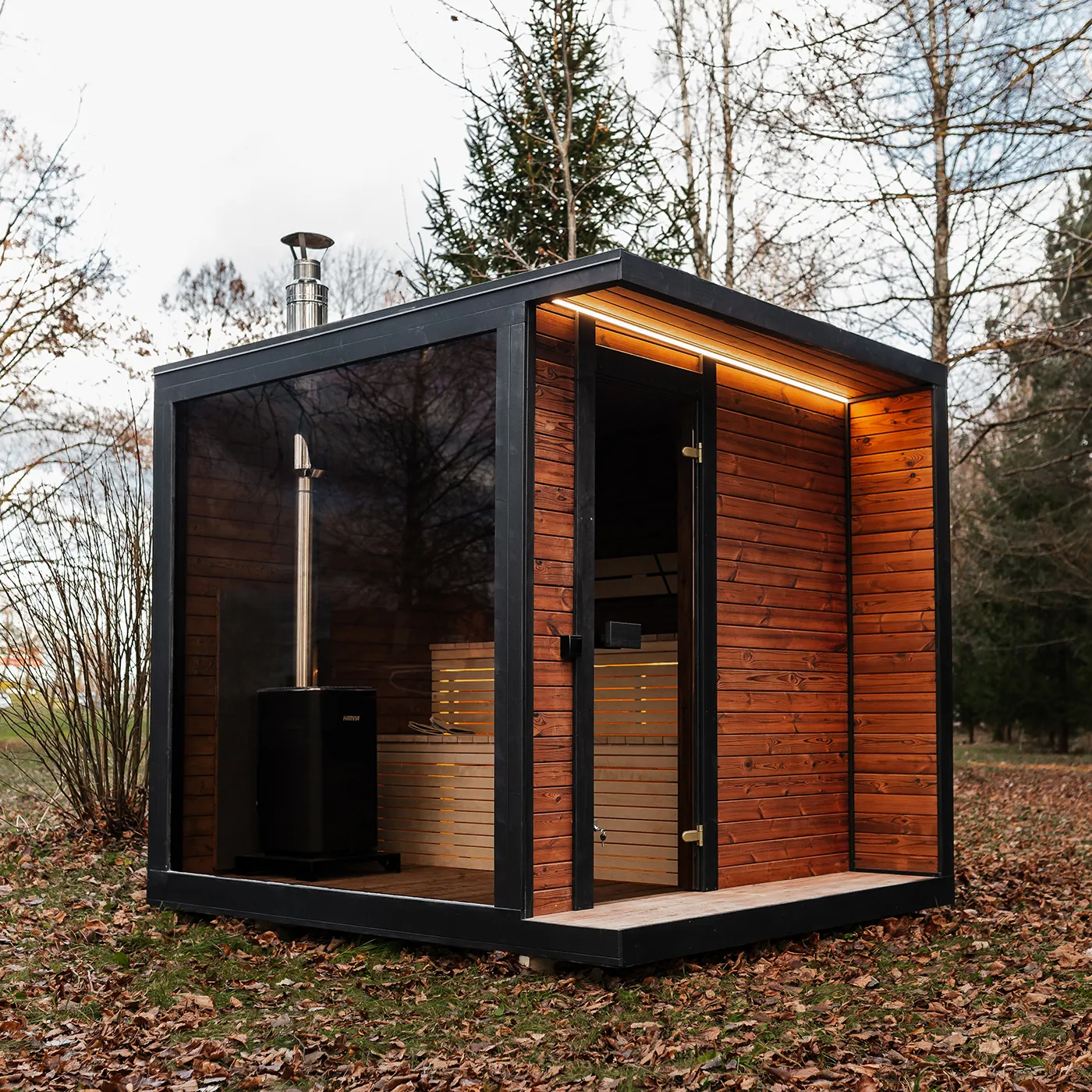
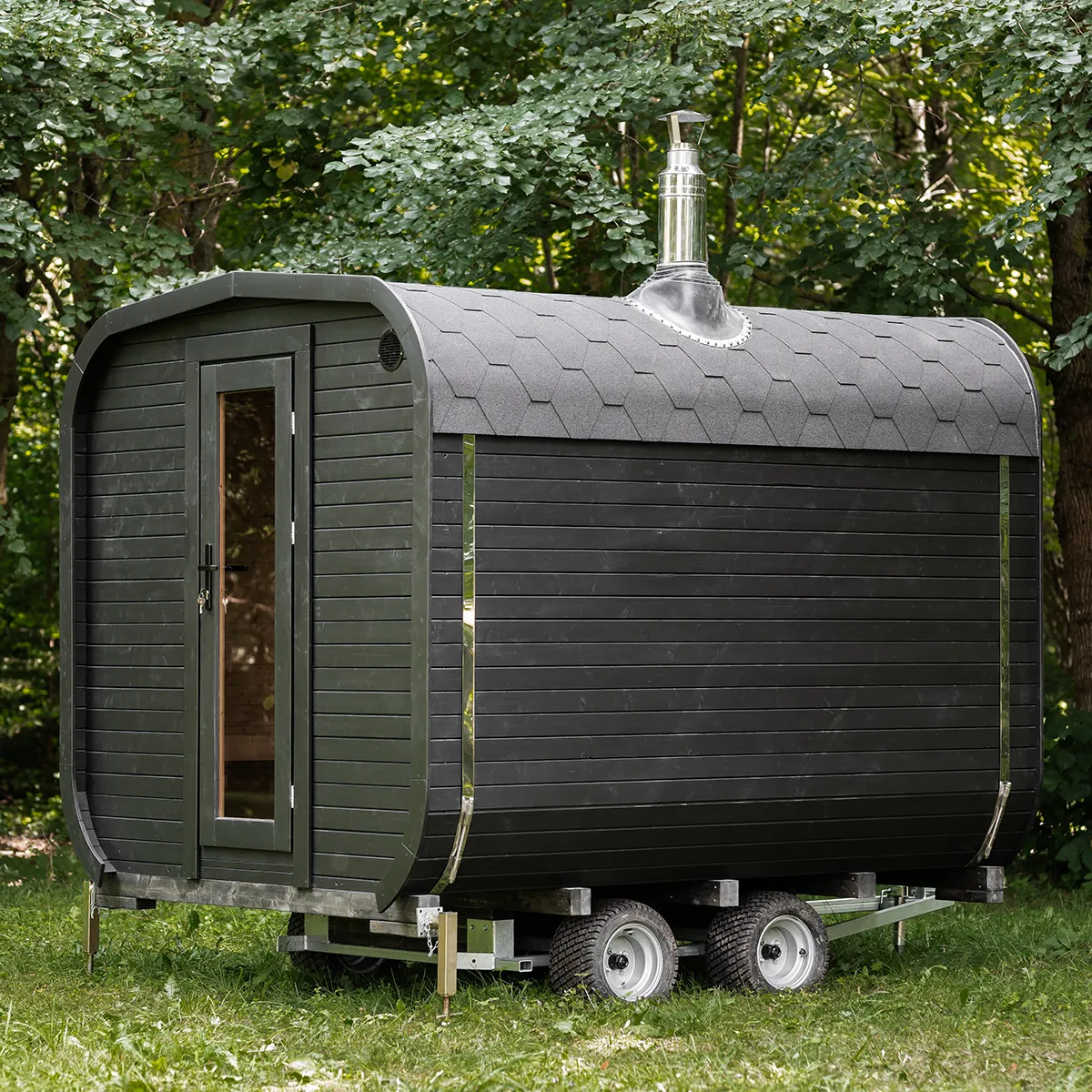
Our outdoor sauna collection is a good place to see what a traditional setup actually looks like in a real garden. If you've got questions we haven't covered here - whether that's about infrared, traditional, sizing for a specific space, or anything else sauna-related - just get in touch.
We'll give you a straight answer, even if the answer is "that's not what we specialise in."


.avif)


%201%20(1).avif)

.webp)
.webp)
.webp)
.webp)
.webp)
.webp)











.webp)


.webp)
%20(2).jpg)
.webp)
.webp)










.svg)

.png)