
What Temperature Should a Sauna Be?


When you're considering a sauna for your home or trying one for the first time, one of the most practical questions comes up: how hot should it actually be? It's a straightforward question with a straightforward answer, though the specifics depend on the type of sauna you're using and what you're hoping to achieve.
At Eden Hut, we help our clients understand that there's no single "perfect" temperature. Instead, there's an ideal range that maximizes benefits while keeping you comfortable and safe. Let's walk through what you need to know.
Traditional Sauna Temperature Range
For traditional Finnish saunas (the type Eden Hut specializes in), the ideal temperature sits between 70°C and 90°C (158°F to 194°F). This is the range backed by decades of Finnish tradition and supported by modern research on cardiovascular health and wellness benefits.
Most people find their sweet spot around 80°C (176°F). This temperature is hot enough to trigger the deep sweating and physiological responses that make saunas so beneficial, yet comfortable enough for 15 to 20 minute sessions.
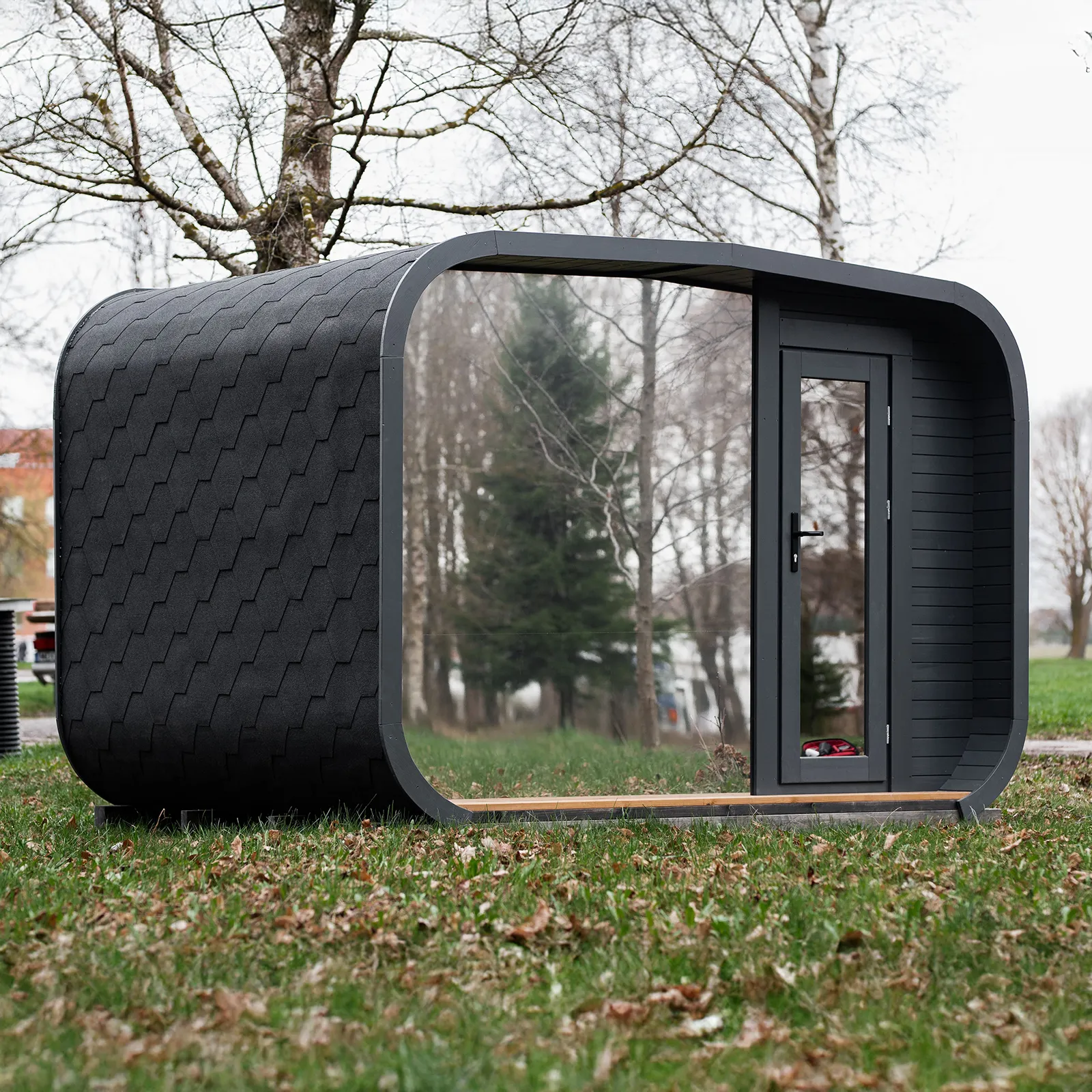
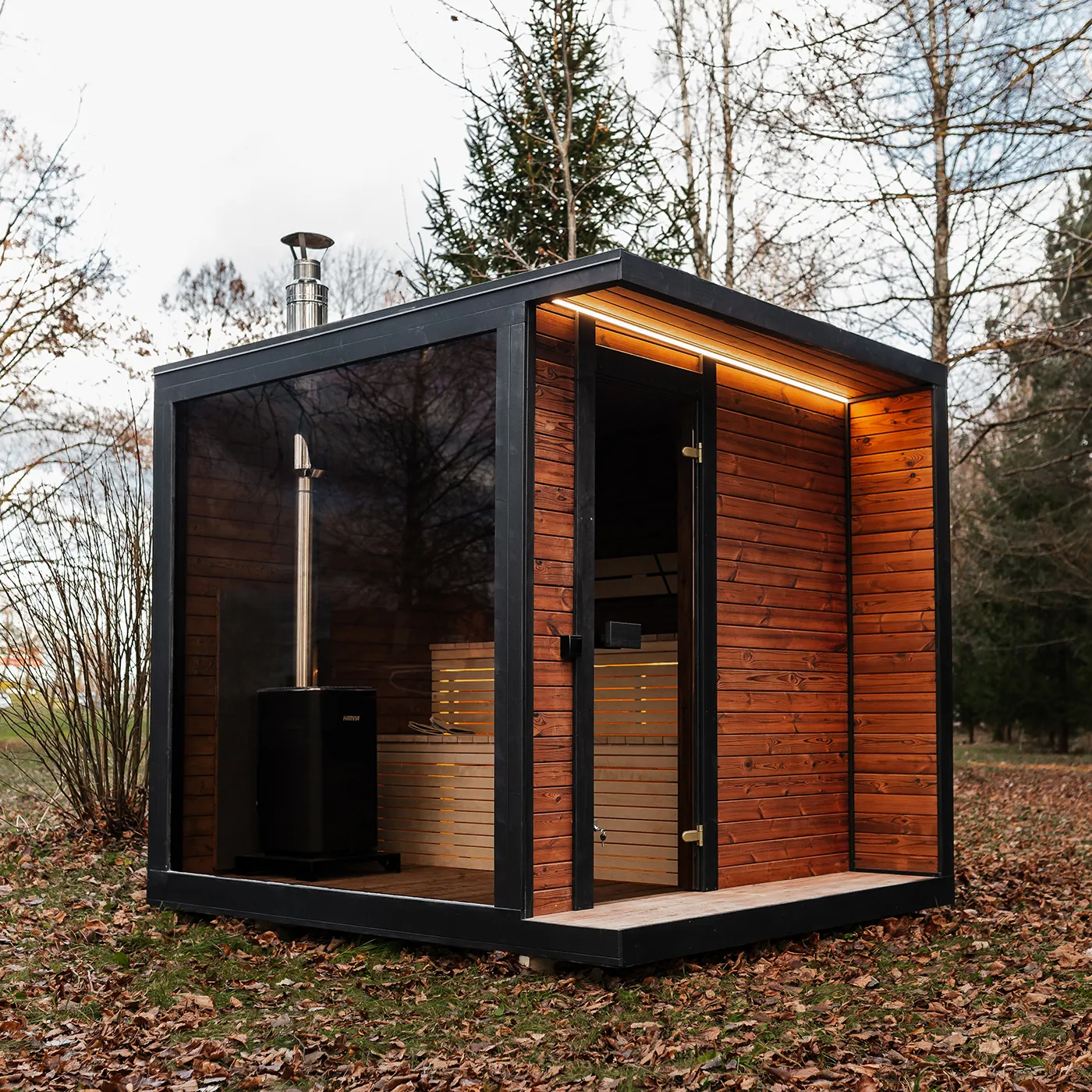
Meet Victoria - Panoramic Sauna with Anteroom
Minimum Temperature for Effectiveness
Your sauna should reach at least 65°C (150°F) to be truly effective. Below this threshold, you might not sweat adequately, which means you're missing out on many of the detoxification and circulation benefits. Think of it as the baseline where your body starts responding to the heat in meaningful ways.
Maximum Safe Temperature
Most saunas shouldn't exceed 90°C to 95°C (194°F to 203°F). Beyond 100°C (212°F), you're entering territory where heat becomes uncomfortable and potentially risky. At extreme temperatures, prolonged exposure can cause proteins in your body to break down and increases the risk of overheating.
The key phrase here is "prolonged exposure." Some experienced sauna enthusiasts might briefly experience higher temperatures, but they keep sessions very short and know their limits extremely well.
Infrared Sauna Temperatures
If you're considering an infrared sauna, the temperature guidelines differ significantly. Infrared saunas operate at much lower temperatures because they heat your body directly rather than heating the air around you.
The ideal range for infrared saunas is 38°C to 65°C (100°F to 150°F), with most people comfortable around 50°C to 60°C (120°F to 140°F). Don't let the lower numbers fool you. You'll still sweat profusely and experience similar benefits, just through a different heating mechanism.
Temperatures for Different Health Goals
While any temperature within the safe range offers benefits, you can adjust heat based on what you're trying to achieve.
For Cardiovascular Health
Research from Finland, where sauna culture runs deepest, shows that temperatures around 80°C (176°F) deliver the most significant cardiovascular benefits. At this heat level, your heart rate increases to around 100 to 150 beats per minute (similar to moderate exercise), which strengthens your cardiovascular system over time.
Studies found that men who used saunas at approximately 80°C four to seven times weekly reduced their risk of sudden cardiac death by 63% and stroke risk by 60%. The temperature itself isn't magic, but it represents the balance where your body works hard enough to gain benefits without overwhelming your system.
For Muscle Recovery
Athletes and active individuals often use saunas post-workout to speed recovery. For this purpose, 70°C to 80°C (158°F to 176°F) works beautifully. This moderate heat increases blood flow to tired muscles, delivering oxygen and nutrients while clearing metabolic waste.
The heat penetrates deep into muscle tissue (especially in infrared saunas), helping reduce soreness and tension. Sessions of 10 to 15 minutes at these temperatures support recovery without adding excessive stress when your body is already fatigued from training.
For Relaxation and Stress Relief
If your primary goal is simply to unwind, you might prefer the gentler end of the spectrum. 70°C to 75°C (158°F to 167°F) provides soothing warmth without intensity. Many people find this temperature range perfect for longer, more meditative sessions where the focus is mental relaxation rather than cardiovascular challenge.
The lower heat allows you to stay in comfortably for 20 to 30 minutes, giving your mind time to truly settle.
For Detoxification
Deep sweating, which supports your body's natural detoxification through the skin, happens most effectively at 75°C to 85°C (167°F to 185°F). At these temperatures, you'll lose about a pint of sweat during a typical 15 to 20 minute session, which helps eliminate small amounts of toxins and heavy metals through your pores.
Higher temperatures increase sweat volume, but remember that staying hydrated is crucial. Drink plenty of water before, during (between rounds), and after your session.
Read also: Different Types of Saunas and Their Unique Health Benefits
How Humidity Affects Perceived Temperature
Here's something important that surprises many first-time sauna users: humidity dramatically changes how hot the sauna feels, even when the actual temperature stays the same.
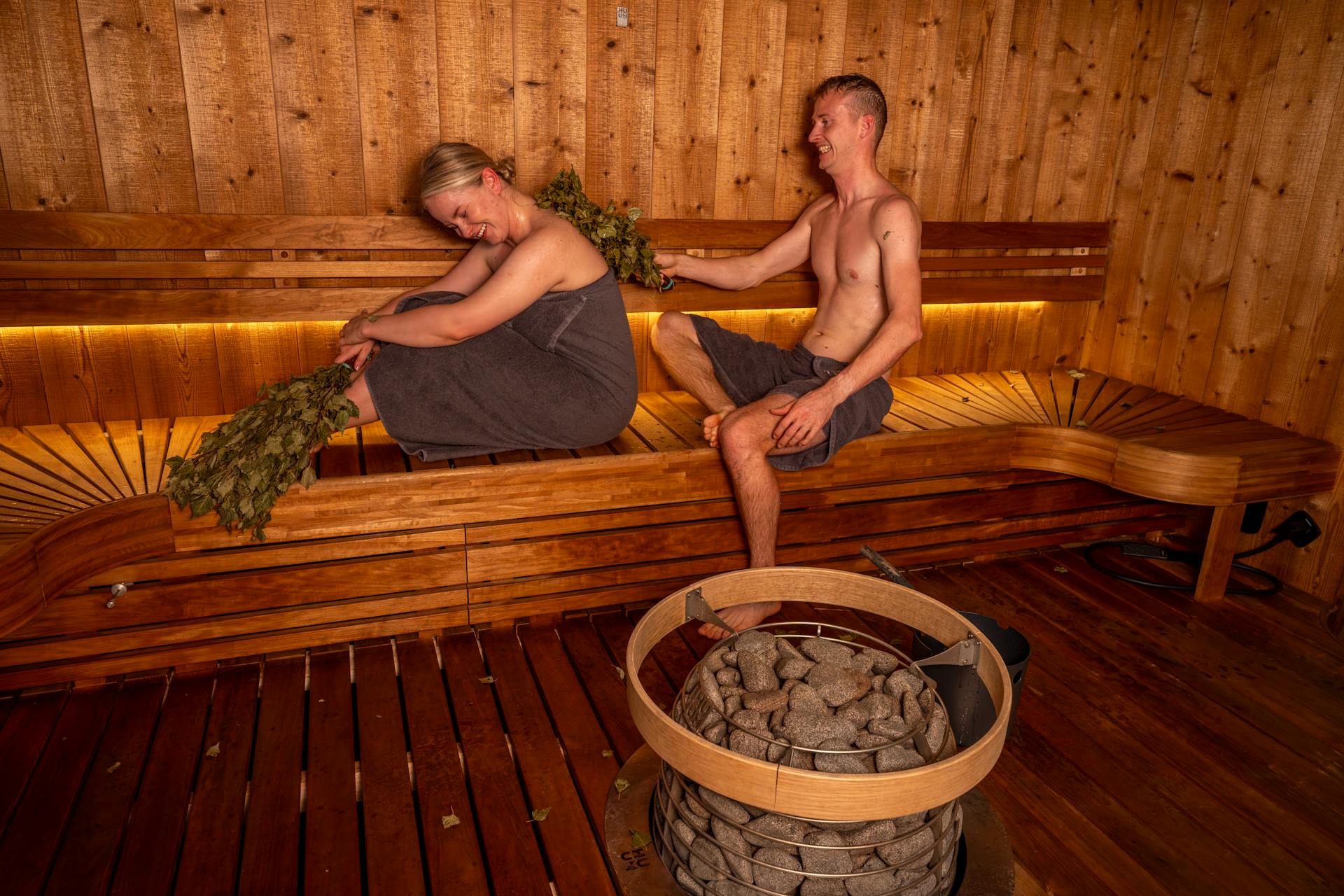
Traditional Finnish saunas typically maintain low humidity around 10% to 20%. At these levels, 80°C (176°F) feels intense but tolerable. When you pour water on the heated stones (creating löyly or steam), humidity can briefly spike to 40% to 60%, and suddenly that same 80°C feels significantly hotter.
This is why you should always start with dry heat during your first round. Once you've warmed up and your body has adjusted, adding steam creates a deeper, more penetrating warmth.
Steam rooms, by contrast, operate at much lower temperatures (typically 43°C to 49°C or 110°F to 120°F) but maintain constant high humidity of 100%. The moisture makes the lower temperature feel comparable to a much hotter dry sauna.
Temperature Guidelines for Beginners
If you're new to saunas, forget about trying to match what experienced users can handle. Your body needs time to adapt to heat stress, and there's absolutely no benefit to suffering through temperatures that feel overwhelming.
Start at 70°C to 75°C (158°F to 167°F) for your first few sessions. Choose a lower bench, where heat is gentler (remember, heat rises). Stay for just 5 to 10 minutes initially.
Over the course of several weeks and sessions, gradually increase either the temperature or the duration, but not both at once. By your fifth or sixth session, you might find 80°C (176°F) comfortable, but let your body guide the pace. Some people adapt quickly, while others prefer to stay at gentler temperatures indefinitely, and that's perfectly fine.
Read also: Infrared vs. Traditional Sauna: A Comprehensive Comparison
How to Adjust Your Sauna Temperature
Most modern electric sauna heaters allow precise temperature control. Set your target temperature and give the sauna 30 to 45 minutes to preheat. The stones and wood need time to fully heat up, not just the air.
Once you're inside, you have two ways to adjust your heat exposure without touching the thermostat:
- Change bench height: The difference between the lowest and highest bench can be 10°C to 15°C (18°F to 27°F). If the sauna feels too hot, move down. If you want more intensity, move up.
- Add steam: Ladling water onto the hot stones temporarily increases perceived heat. Start with small amounts (about 1 to 2 deciliters) and wait 30 seconds to feel the effect before adding more.
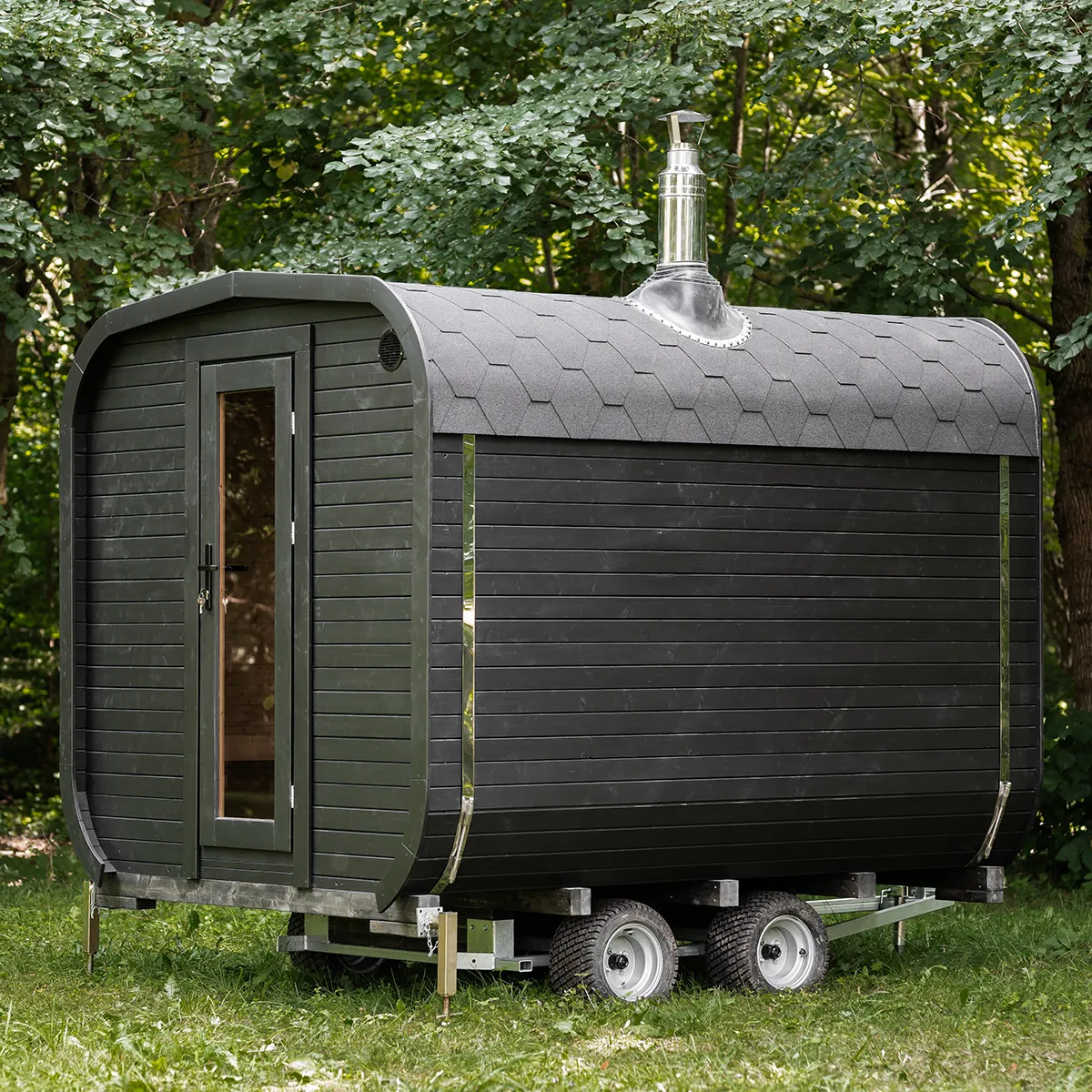
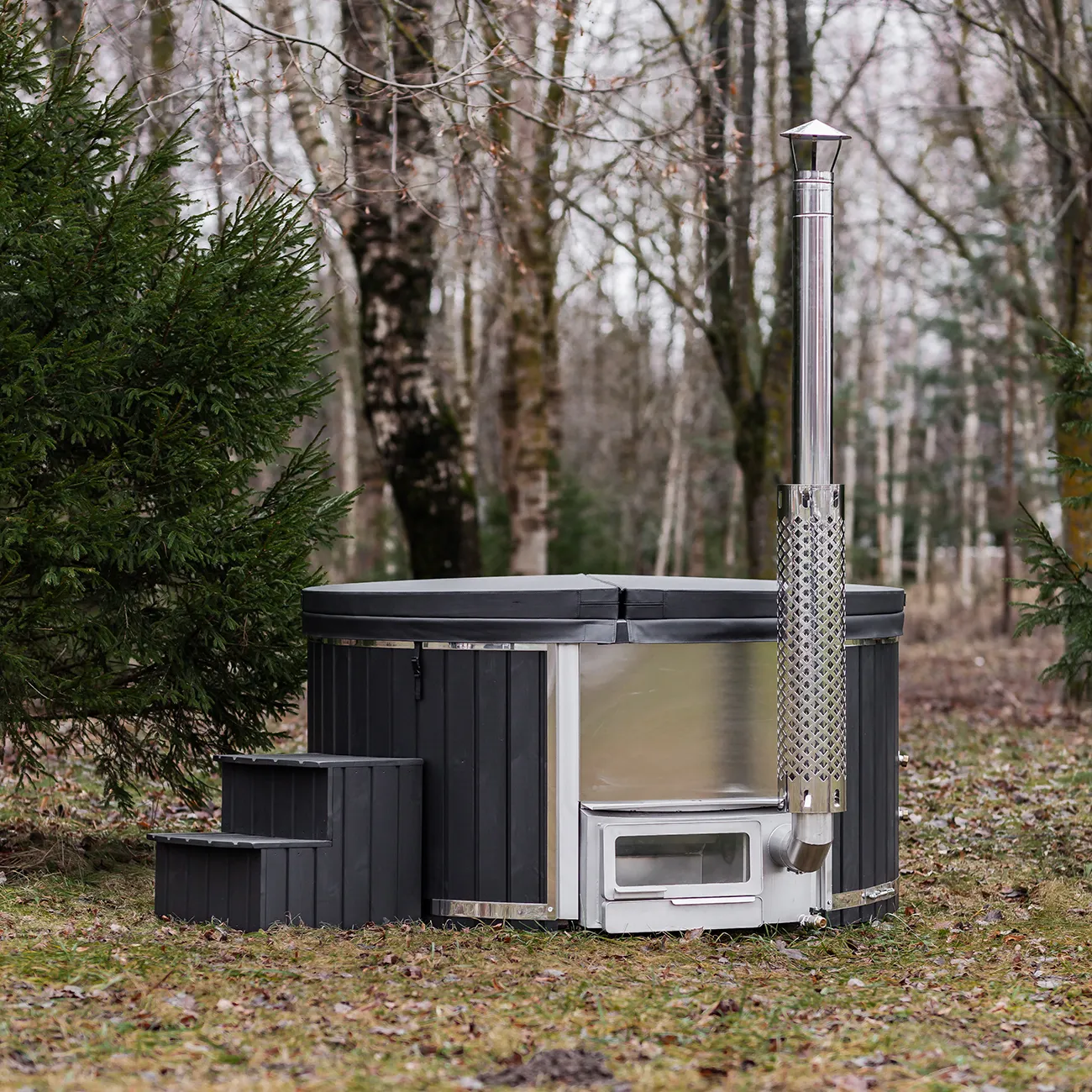
For outdoor wood-burning saunas, temperature control requires more attention and practice. You'll manage heat primarily through the fire itself and ventilation, and it takes time to develop a feel for it. This is part of the appeal for traditionalists, the ritual of tending the fire and creating the perfect conditions.
Signs Your Temperature Is Wrong
Your body will tell you clearly when something's off.
Temperature too high:
- Difficulty breathing comfortably
- Feeling panicked or overwhelmed rather than relaxed
- Dizziness or lightheadedness
- Inability to stay inside for even 5 to 10 minutes
- Skin feels painfully hot rather than pleasantly warm
Temperature too low:
- Minimal sweating after 10 to 15 minutes
- Feeling only lukewarm, not genuinely heated
- No increase in heart rate
- The experience feels more like sitting in a warm room than a sauna
When the temperature is right, you should feel warm, perspire steadily, notice your heart rate gently increase, and feel relaxed rather than stressed. The heat should feel like something your body is working with, not fighting against.
Safety Notes on Temperature
A few crucial safety reminders about sauna temperature:
Never try to prove toughness by enduring temperatures that feel intolerable. The sauna isn't a test of endurance. Pushing through discomfort doesn't create additional benefits and can be dangerous.
Extremely high temperatures combined with alcohol are potentially fatal. This combination causes many sauna-related deaths annually in Finland. Never drink alcohol before or during sauna use.
If you have cardiovascular conditions, discuss safe temperature ranges with your doctor before using a sauna. While research shows regular sauna use benefits heart health, people with unstable angina, recent heart attacks, or uncontrolled blood pressure need medical guidance on appropriate temperatures.
Children should use lower temperatures than adults. Keep sessions for children under 15 minutes at temperatures no higher than 70°C (158°F), and always supervise them closely.
Read also: How to Use a Sauna: The Most Important Things to Know
The Temperature Sweet Spot
After reading all of this, you might wonder where we at Eden Hut see most people settle. In our experience, 75°C to 85°C (167°F to 185°F) is where the majority of regular sauna users find their comfort zone.
This range is hot enough to deliver all the wonderful benefits that drew you to sauna bathing in the first place (cardiovascular conditioning, muscle relaxation, stress relief, better sleep, glowing skin), yet moderate enough for 15 to 20 minute sessions without feeling overwhelmed.
Within that range, you'll likely discover your personal preference. Some people love the intensity of 85°C and shorter sessions. Others prefer 75°C and taking their time. Both approaches work beautifully.
The most important thing is that you actually use your sauna regularly. That means finding a temperature that feels good enough that you look forward to each session rather than dreading it. Consistency matters far more than absolute temperature when it comes to experiencing long-term health benefits.
Conclusion
Temperature is just one element of the complete sauna experience, but it's a foundational one. Get it right, and everything else falls into place. The heat becomes something you sink into rather than endure, and your sauna transforms from an intimidating hot box into a sanctuary you genuinely cherish.
Whether you're building your first backyard sauna or fine-tuning your existing routine, remember that the "perfect" temperature is simply the one that keeps you coming back session after session, week after week, year after year.


.avif)


%201%20(1).avif)

.webp)
.webp)
.webp)
.webp)
.webp)
.webp)












.webp)


.webp)
%20(2).jpg)
.webp)
.webp)










.svg)

.png)