
What Toxins Do You Sweat Out in a Sauna?


This is one of the most common questions we hear, and honestly, it's a valid one. When you're sitting in intense heat watching sweat pour from your body, it's natural to wonder what's actually leaving with it. Is your body purging harmful chemicals? Are you genuinely detoxifying? Or is something else happening entirely?
Over the years of working with sauna enthusiasts, we've learned that the answer isn't as simple as the wellness industry makes it sound. The truth sits somewhere between the dramatic detox promises you see marketed everywhere and the skeptics who dismiss sweating as completely meaningless. What we've discovered through experience and conversations with health professionals is that sweating does eliminate certain substances, but the story is more interesting and honest than most people realize.
What Does "Toxins" Actually Mean?
Before diving into what leaves your body through sweat, let's clarify what we're actually talking about. The wellness industry throws around "toxins" constantly, but most people use the term pretty loosely.
Technically, toxins are harmful substances produced by living things like bacteria or poisonous plants. The stuff most people worry about, pesticides, plastics, heavy metals, those are actually called toxicants. But honestly, this distinction matters less than understanding how your body handles unwanted substances.
Your body has an incredibly sophisticated system for dealing with harmful stuff. Your liver breaks down chemicals, your kidneys filter blood and send waste out through urine, your lungs expel carbon dioxide, and your digestive system handles the rest. This happens automatically, every moment of every day, without you doing anything special.
So when we ask "what do you sweat out in a sauna," we're really asking whether sweating provides a meaningful way to eliminate things your body's primary systems might miss. The answer turns out to be more specific than you'd think.
What Actually Comes Out When You Sweat in a Sauna
Sweat is about 99% water with small amounts of salt, urea, and trace minerals. That remaining 1% is where things get interesting.
Heavy Metals: Where the Evidence Gets Solid
This is where the science actually backs up some of the wellness claims. Multiple studies have found that certain heavy metals do show up in sweat, sometimes at surprisingly high levels compared to blood or urine.
Here's what researchers have consistently documented:
Cadmium comes from cigarette smoke, batteries, and industrial pollution. Studies found that many people had no detectable cadmium in their blood or urine, yet 80% showed notable levels in their sweat. This suggests sweat catches what other systems miss.
Mercury exposure happens through dental fillings, certain fish, and industrial sources. Research found people with no detectable mercury in blood still had it in their sweat. Even more interesting, case studies showed mercury levels dropping with repeated sauna sessions over time.
Lead still lurks in old paint, contaminated soil, and some imported products. Studies consistently find it in sweat samples, often suggesting it's being pulled from where it's been stored in your tissues.
Nickel, Arsenic, and Chromium also appear in sweat, sometimes at concentrations 10 to 30 times higher than in blood. This doesn't mean you're full of these metals necessarily, but it does suggest sweating provides a pathway for elimination that blood and urine tests might not reveal.
What makes this compelling is that it's not just one study. Multiple research teams have found similar patterns. The metals are there, and they're coming out through your pores.
BPA and Phthalates: Plastics in Your Sweat
These chemicals are everywhere, plastic containers, food packaging, personal care products, receipts. They mess with your hormones, which is why people worry about them. Research does show they appear in sweat, though in relatively small amounts.
Here's the catch: you eliminate way more BPA through urine than through sweat. Think about it this way, you're more likely to rid yourself of BPA during a regular bathroom trip than during a sauna session. This doesn't mean sweat contributes nothing, just that it's not the main exit route.
The most effective approach? Stop them from getting in. Use glass or stainless steel instead of plastic for food storage. Skip the receipts when you can. Choose products without added fragrances. Prevention beats elimination every time.
Persistent Organic Pollutants: The Complicated Picture
Pesticides, flame retardants, and PCBs fall into this category. These chemicals love fat, they dissolve in fat tissue rather than water. Since sweat is mostly water, they don't move into sweat easily.
Research on this gets messy. Some studies show such tiny amounts in sweat that they're basically meaningless. Other longer-term studies combining sauna with exercise, supplements, and other interventions over weeks or months showed more promising results. But here's the thing: when you're doing five different things at once, it's hard to know which one actually helped.
The bottom line? For these fat-loving chemicals, sweating probably isn't doing much heavy lifting. Your liver and fat metabolism matter more.
What Doesn't Leave Through Sweat
"Forever chemicals" (PFOA and PFOS) from non-stick pans and waterproof fabrics? They resist sweating out. Your kidneys handle these better, though even that's frustratingly slow.
Medications? They don't leave meaningfully through sweat.
Alcohol? Definitely not "sweated out," despite what people believe. Your liver processes it and your kidneys excrete it through urine. Trying to sweat out alcohol in a sauna is actually dangerous because alcohol messes with your body's temperature control.
How Much Actually Matters? The Critical Context
Here's what we've learned matters most: yes, certain heavy metals and some chemicals appear in sweat. Research documents it clearly. But does the amount leaving through sweating actually make a meaningful difference to your health?
That's the question researchers are still debating. The concentrations are there, but whether they're high enough to impact your overall toxic load in a clinically significant way, that's less clear. We need bigger, longer studies to really know.
The Mayo Clinic noted that while sauna bathing offers remarkable health benefits, the jury's still out on whether the amounts of toxins in sweat actually matter for your health. Your liver and kidneys are still doing the heavy lifting.
This doesn't mean the research is wrong. It just means there's a difference between "toxins are present in sweat" and "sweating out toxins makes you significantly healthier." We're confident about the first part. The second part needs more evidence.
The Realistic Perspective: What We Tell Our Clients
After years of watching wellness trends come and go, here's what we've landed on: sauna bathing provides incredible, proven health benefits that have nothing to do with detoxification. The cardiovascular benefits alone, reduced risk of stroke, heart disease, longer life, are life-changing for regular users.
If some heavy metal elimination happens through sweat along the way, that's a nice bonus, especially if you work in welding, battery manufacturing, or have specific metal exposures. The research suggests it does happen, particularly with consistent use over months. But this shouldn't be why you use a sauna.
Think of it this way: people who chase detoxification tend to use saunas sporadically, looking for a quick fix. People who use saunas because they love how they feel, sleep better, recover faster, and enjoy the ritual, those are the ones whose health transforms over years.
The most powerful "detoxification" strategy? Don't let the stuff in to begin with. Choose organic when you can. Use glass instead of plastic. Filter your water. Avoid products with artificial fragrances. Prevention beats elimination every time, and it's infinitely more effective than trying to sweat things out after the fact.
How to Sweat More in Sauna: Practical Tips
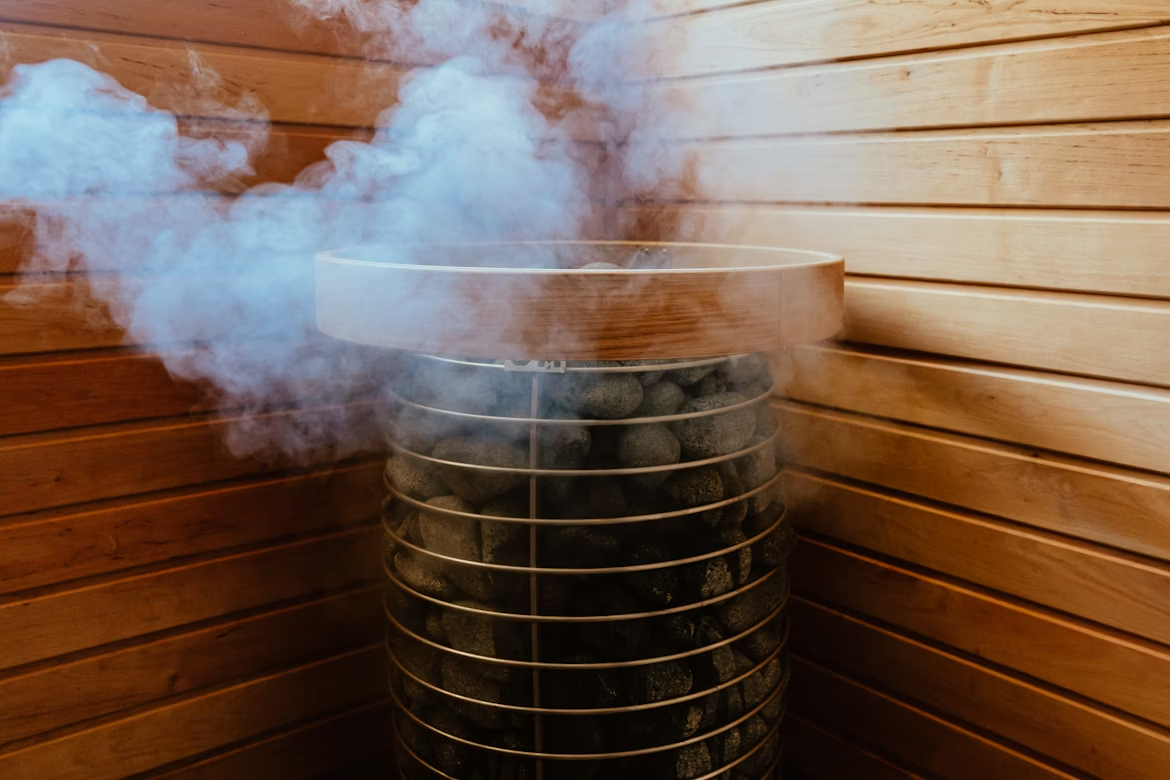
If you're interested in maximizing your sweat response during sauna sessions, whether for the potential detoxification benefits or simply because profuse sweating feels cleansing and invigorating, several evidence-based approaches can help.
Hydration: The Foundation
Your body can't produce sweat without adequate fluid. Dehydration is the number one reason people don't sweat sufficiently in a sauna. Drink 16 to 20 ounces of water 30 to 60 minutes before your session. This timing allows your body to absorb and distribute the fluid rather than just filling your stomach.
During your session or between rounds, continue sipping water. After finishing, drink another 16 ounces or more to replace what you've lost. You can add a pinch of sea salt to your water to replace electrolytes and improve cellular hydration.
Pre-Sauna Warm-Up
Starting your sauna session with an already-activated sweat response makes a significant difference. Take a warm shower before entering, which opens your pores and begins the warming process. Even better, do 5 to 10 minutes of light cardio, jumping jacks, brisk walking, or bodyweight exercises before your session. This gets your heart rate up, activates your sweat glands, and gives you a head start on the sweating process.
Some people find that drinking hot tea 15 to 20 minutes before the sauna accelerates their sweat response. The internal warmth from the tea, combined with caffeine if you choose caffeinated tea, can speed up your body's transition into active sweating.
Temperature and Positioning
Sitting higher in the sauna exposes you to hotter air, since heat rises. If you're struggling to sweat, move to a higher bench. Conversely, if the heat feels overwhelming, start lower and work your way up as your body adapts.
Traditional saunas generally produce more profuse sweating than infrared saunas because of higher ambient temperatures. If your goal is maximum sweat output, traditional Finnish-style saunas operating at 70°C to 90°C (158°F to 194°F) create optimal conditions. Adding steam by ladling water onto the heated stones (löyly) increases humidity and makes the heat feel more intense, promoting heavier sweating.
Build Tolerance Over Time
Your body's sweating efficiency improves with regular practice. First-time sauna users often sweat less than regular users because their bodies haven't adapted to heat exposure yet. With consistent sessions over weeks and months, your sweat glands become more responsive, you begin sweating sooner after entering, and you can tolerate longer sessions comfortably.
Start with moderate temperatures and shorter durations, then gradually increase both as your body adapts. This conditioning process not only improves your sweat response but also enhances the cardiovascular benefits of sauna use.
Session Duration
Longer sessions naturally produce more total sweat volume. However, staying beyond 20 to 25 minutes in a single round increases dehydration risk without providing additional benefits. The sweet spot for most people is 15 to 20 minutes per round, with cooling periods between if you're doing multiple rounds.
During your session, focus on relaxing completely. Tension restricts blood flow and can inhibit sweating. Deep, controlled breathing promotes circulation and encourages your body to sweat more freely.
Read also: 10 Sauna Tips to Get Maximum Benefits With Every Session
The Bottom Line: What Really Matters
The detoxification conversation often misses what makes sauna bathing genuinely valuable. The proven benefits, better heart function, less inflammation, faster recovery, stress relief, deeper sleep, longer life, don't need toxin elimination to be transformative.
Heavy metals do show up in sweat. For people with known exposures, this might provide helpful elimination over time. For most people, the amounts are probably too small to worry about either way.
What we've seen over and over: people who use saunas for the right reasons, because their heart gets stronger, their stress melts away, their muscles recover, or simply because it feels wonderful, those are the people who stick with it and see their health transform.
Use your sauna because it makes you feel better, not because you're trying to purge imaginary toxins. If some metals happen to leave along the way, consider it a bonus. The real magic happens from consistency, not detoxification.
For those curious about exploring authentic Finnish sauna traditions that honor these time-tested wellness practices, discover our handcrafted sauna collection designed to support long-term health through regular, sustainable use.
Frequently Asked Questions About Sauna Detoxification
Does sauna remove toxins from your body?
Yes and no. Studies show certain heavy metals (cadmium, lead, mercury, nickel, arsenic) do appear in sweat, sometimes at surprisingly high levels. So sweating is removing something. The question is whether the amounts matter enough to significantly impact your health. Your liver and kidneys still handle most of the detoxification work. For people with specific metal exposures, welders, people with lots of dental fillings, heavy fish eaters, regular sauna use over months might help reduce body burden. For most people, it's probably a minor factor. The cardiovascular and stress-relief benefits are where the real value lies.
How long should I stay in a sauna to detoxify?
If heavy metal elimination is your goal, the research that showed results involved regular sessions over weeks and months, not single marathon sessions. Aim for 15 to 20 minutes, three to four times weekly. Stay hydrated throughout. Never push past 30 minutes in a single round. Your body's main detoxification systems work continuously anyway, not just during sauna time. Focus on building a sustainable routine rather than extreme one-off sessions.
Can I use sauna to detox from alcohol or drugs?
Absolutely not. This is dangerous. Alcohol wrecks your body's ability to regulate temperature and dramatically increases dehydration risk. Using a sauna drunk has caused actual deaths. Your liver processes alcohol and your kidneys remove it through urine, not sweat. The sauna doesn't speed this up. If you're dealing with substance concerns, talk to medical professionals about real treatment. Never use a sauna while intoxicated or trying to "sweat out" alcohol or drugs.
Do infrared saunas remove more toxins than traditional saunas?
Marketing suggests this, but the research doesn't strongly back it up. Studies on heavy metals in sweat found them regardless of sauna type. Traditional Finnish saunas run hotter and produce more sweat volume. Infrared saunas claim deeper tissue penetration at lower temps. Both activate sweating. The detoxification difference between types hasn't been proven. Choose based on what feels good and what you'll actually use consistently, because the proven benefits come from regular use, not from the heating method.
If you have questions about sauna practices, health benefits, or finding the right sauna for your wellness routine, reach out to us. We've spent years figuring out what actually works versus what's just clever marketing. We're here to help you make decisions based on real experience and honest understanding, not wellness industry hype.


.avif)


%201%20(1).avif)

.webp)
.webp)
.webp)
.webp)
.webp)
.webp)





















.webp)


.webp)
%20(2).jpg)
.webp)
.webp)













.svg)

.png)