
How Long Should You Stay in a Sauna? Tips for Safe Use


Sauna time is one of those things that sounds like it should have a simple answer, and the more you ask around, the more you realise it doesn't. One person swears by five minute sessions, another sits in there for thirty, and most beginners just guess. We've worked with saunas long enough to know that the right answer depends on you. Your experience, your goals, the temperature in the room, and how you feel that day all shape what a good session looks like.
What we can offer is what we've learned from years of building saunas, using them ourselves, and watching plenty of people figure out their own rhythm. The guidance below is grounded in our experience and supported throughout by peer-reviewed medical research, because sauna use sits at the intersection of wellness habit and genuine physiological stress, and good information matters. Take it as a starting point, then adjust it to suit you.
The Quick Answer
For most people, most of the time, a single sauna session lasts somewhere between 10 and 20 minutes. Beginners should aim for the shorter end of that range. Experienced bathers can comfortably handle the longer end, and many do multiple rounds with cooling breaks in between. Almost nobody should be sitting in a sauna for longer than 30 minutes in one stretch, and the upper end is more about safety than benefit.
This isn't just our opinion. A peer-reviewed study published in BMC Medicine confirms that typical sauna sessions range from 5 to 20 minutes, and the most cited cardiovascular research uses durations within this band. Below we'll break it down by experience level, by what you're trying to achieve, and by how to read your own body so you know when to stay and when to step out.
Sauna Time by Experience Level
This is one of the most overlooked aspects of sauna use. The same room at the same temperature is a completely different experience for a first-timer and someone who's been doing this for a decade. Pace yourself accordingly.
Complete beginner: 5 to 10 minutes. Your first goal isn't to maximise benefits, it's to introduce your body to the heat without overwhelming your cardiovascular system. Five minutes for your very first session is plenty. If that feels manageable, build to ten over the next week or two. Don't be in a rush. Saunas reward consistency, not heroics.
Newer regular user, after a few weeks: 10 to 15 minutes. Once you've done five or six sessions without issue, you've started to acclimatise. Your heart rate response, your sweating, and your perceived effort all settle a bit. Fifteen minutes becomes a comfortable, productive session. This is also a good time to start paying attention to what you actually notice afterwards, since that information will guide your future sessions.
Experienced bather, regular practice: 15 to 20 minutes. Most people who use a sauna two to four times a week eventually settle here. Twenty minutes at a sensible temperature is enough to trigger meaningful cardiovascular load, deep sweating, and the relaxation response, without overstaying. For most healthy adults using a sauna for general wellness, this is the sweet spot, and there's no reason to push beyond it.
Advanced, Finnish-style routine: 20 to 30 minutes total, split into rounds. This is where multiple rounds with cold breaks come in. Two sessions of 15 minutes, with a cool shower or rest in between, can be more effective and more enjoyable than one continuous 30-minute sit. The body recovers slightly during the break and the second round often produces a more profound effect. Just be honest about whether you're actually at this level or trying to skip steps to get here.
If you're brand new to the practice and want a fuller starter guide, our how to use a sauna walkthrough covers the basics from the moment you step in to the moment you step out.
Sauna Time by Goal
Different reasons for going in call for slightly different approaches. Here's how we'd think about it.
For general relaxation and stress relief: 10 to 15 minutes. You don't need a long session to shift the nervous system into its calmer state. Sometimes a shorter, quieter sit is exactly what your evening needs. This is where many people find their personal sweet spot once they've been doing it a while.
For cardiovascular benefits: 15 to 20 minutes. This is the range most of the long-term research uses, and it's where heart rate climbs to levels comparable to moderate cardio. The well-known Finnish cohort study published in JAMA Internal Medicine found that sessions lasting more than 19 minutes were associated with the strongest reductions in sudden cardiac death risk, compared to shorter sessions. If improving cardiovascular health is your main reason, this is the duration to aim for, multiple times a week. Our guide on sauna benefits you'll actually experience goes into what those benefits actually look like in practice.
For muscle recovery after a workout: 15 to 20 minutes. Long enough to drive the blood flow and heat shock protein response, short enough not to add too much stress to a body that's already done work. Wait 10 to 15 minutes after your training session before going in.
For deep sweating and skin response: 15 to 20 minutes. The first 5 to 10 minutes is your body warming up. The real sweating typically kicks in around the 8 to 12 minute mark. Pushing past 20 minutes for skin benefits has diminishing returns and starts dehydrating you instead.
For sleep and parasympathetic recovery: 10 to 15 minutes, finished at least 1 to 2 hours before bed. Long sessions late at night can actually keep you alert. Shorter, gentler ones earlier in the evening let your body cool back down at the right time to sleep well.
For heat acclimation or endurance training: 20 to 30 minutes, ideally post-workout, three or four times a week. This is the advanced end of the spectrum, used by athletes building heat tolerance or chasing plasma volume adaptations. Don't start here. Build up to it.
How Temperature Changes the Equation
Time and temperature work together. The hotter the sauna, the less time you need, and the more careful you should be.
At 60 to 70°C, a sauna feels gentle and you can comfortably stay 20 minutes or more. At 80°C, the standard recommendation tightens to 15 to 20 minutes. At 90 to 100°C, even experienced bathers usually keep sessions to 10 to 15 minutes, and beginners should not be sitting in heat that high at all.
We've covered the sauna temperature question more thoroughly in our guide on what temperature a sauna should be, but the basic rule is this. If you're using higher temperatures, shorten your time. If you're using lower temperatures, you have a bit more flexibility. Don't combine maximum heat with maximum duration, because that's where the safety margin disappears.
One Long Round or Several Shorter Ones?
This comes down to preference, but here's our honest view. Two shorter rounds with a cool break in between generally produces a better experience than one long, drawn-out session. The break lets your heart rate recover, your skin cool, and your concentration reset. The second round often feels deeper because your body has primed itself for the heat.
For most users, two rounds of 12 to 15 minutes, with 5 to 10 minutes of cool air or a cool shower in between, is the format we'd recommend over a single 30-minute marathon. It's safer, more enjoyable, and arguably more effective. For more advice on getting the most out of each session, our sauna tips for maximum benefits covers the finer points.
.jpg)
Listening to Your Body
This is the part of the article that matters most, so don't skim it.
Your planned session time is a guideline, not a contract. If you walked in intending to do twenty minutes and your body is telling you at twelve that something isn't right, the smart move is to leave. There is no benefit to be gained by overriding your body's signals, and there is real risk in doing so. Harvard Health Publishing notes that fainting is the primary risk of sauna use even in healthy people, precisely because blood pressure can drop quickly when your blood vessels dilate. That risk climbs when you stay in longer than your body can comfortably handle.
The most common mistake we see, especially in newer users, is treating the sauna like a workout where pushing through discomfort is a virtue. It isn't. The sauna isn't a test of grit. The benefits come from spending time in heat in a way your body can actually adapt to, and adaptation only happens within a tolerable range. Sitting in there for an extra five minutes through dizziness or nausea doesn't earn you anything. It just makes the rest of your day worse and erodes the habit you're trying to build.
A few principles that matter here:
- Build up slowly, even if you feel fine. Especially in the first few weeks, ending a session before you absolutely have to is the right call. You can always come back tomorrow.
- Pay attention to how you feel afterwards, not just during. Some people feel great in the sauna and exhausted for hours after. That's a sign the session was too long or too hot for them on that day. Adjust next time.
- Notice the gradient. The shift from comfortable to uncomfortable in a sauna is usually gradual. Once you feel something is off, it doesn't get better by staying longer. That's your cue to leave.
- Hydration changes how long you can comfortably stay. If you're underhydrated going in, your tolerance drops sharply. This isn't about willpower, it's physiology.
- Sleep, food, and previous exertion all matter. Some days you'll handle 20 minutes easily. Other days, after a poor night's sleep or a hard workout, ten will feel like enough. That's normal. Don't fight it.
Warning Signs That It's Time to Leave
Step out calmly and slowly if you notice any of the following, regardless of how long you've been in.
- Dizziness or lightheadedness.
- Nausea or stomach discomfort
- A headache developing during the session
- Difficulty breathing or feeling that the air is too hot to draw in
- A racing or irregular heartbeat that feels off rather than just elevated
- Confusion or trouble focusing
- Tingling, numbness, or unexpected muscle cramps
- A sense that you simply need to get out, even if you can't articulate why
That last one matters. Your body often knows before your conscious mind does. Trust it.
After leaving, sit somewhere cool, drink water, and let your body recover. Don't immediately jump into freezing water if you're feeling unwell, as the cardiovascular swing can compound the strain.
Common Mistakes We See
A few patterns worth flagging, since these come up over and over.
Going straight from a hot session into ice-cold water on the first try. Build up to contrast therapy. The first few times, cool air or a cool shower is enough.
Skipping food before a session. A sauna on an empty stomach often leaves people lightheaded. Eat something light an hour or so before.
Drinking alcohol before going in. Combining the two is one of the most documented sauna risks. Don't do it.
Treating the longest session as the best session. It isn't. The right session is the one that suits your body that day.
Forgetting that consistency matters more than duration. Three sessions of 15 minutes a week will do more for you than one heroic 30-minute sit. Build a habit, not a record.
The Bottom Line
How long should you stay in a sauna? For most people, 10 to 20 minutes per session, adjusted by experience level, temperature, and what you're hoping to get out of it. Beginners start short. Experienced bathers settle into the middle of that range. Advanced users do multiple rounds. Nobody benefits from pushing past 30 minutes in a single sit, and the safety margin shrinks fast above that.
The most important thing is that your planned sauna time should never override what your body is telling you in the moment. Step out when it's time, hydrate well, and treat the practice as a long-term habit rather than a single performance. Done that way, saunas become one of the most reliable wellness habits available. Done thoughtlessly, they're a risk you don't need to be taking.
Curious to Learn More?
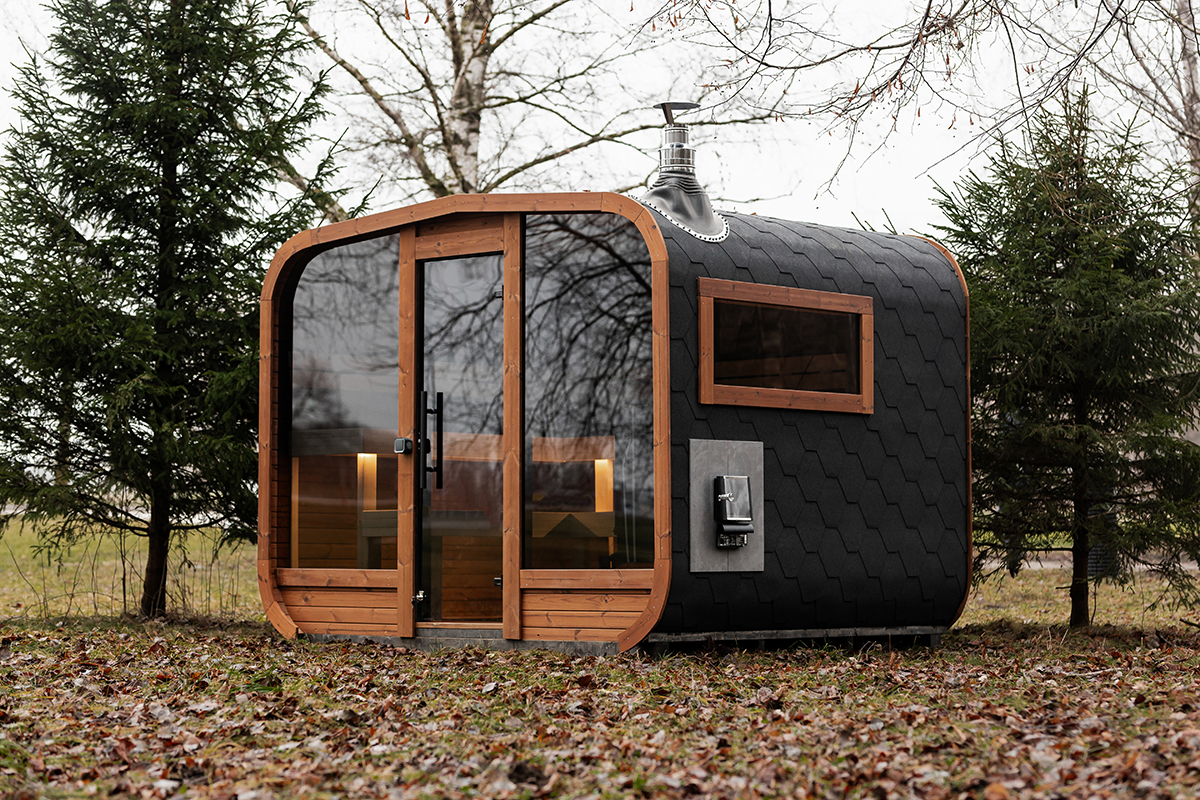
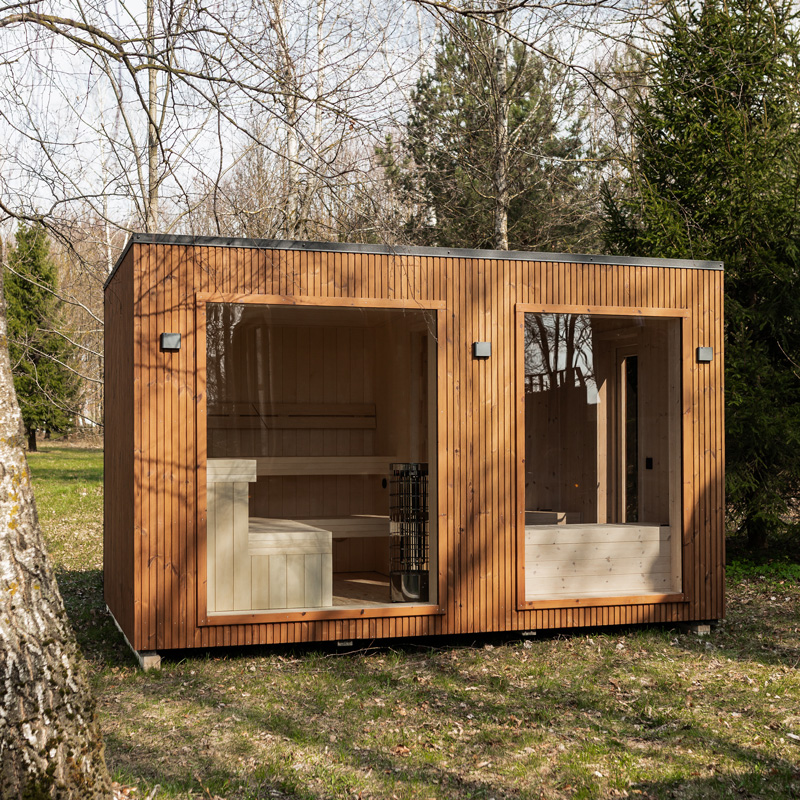
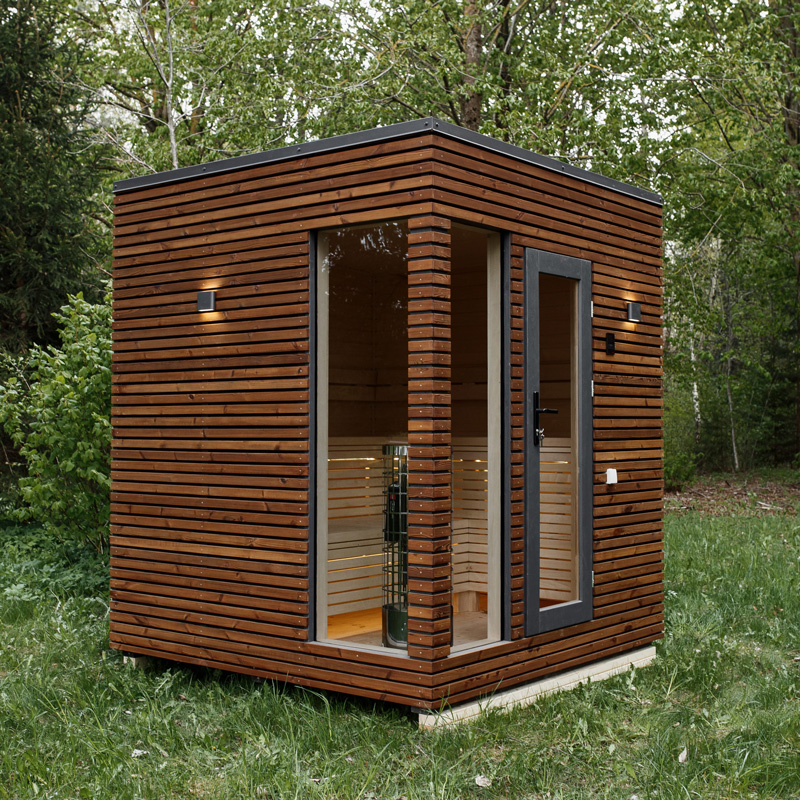
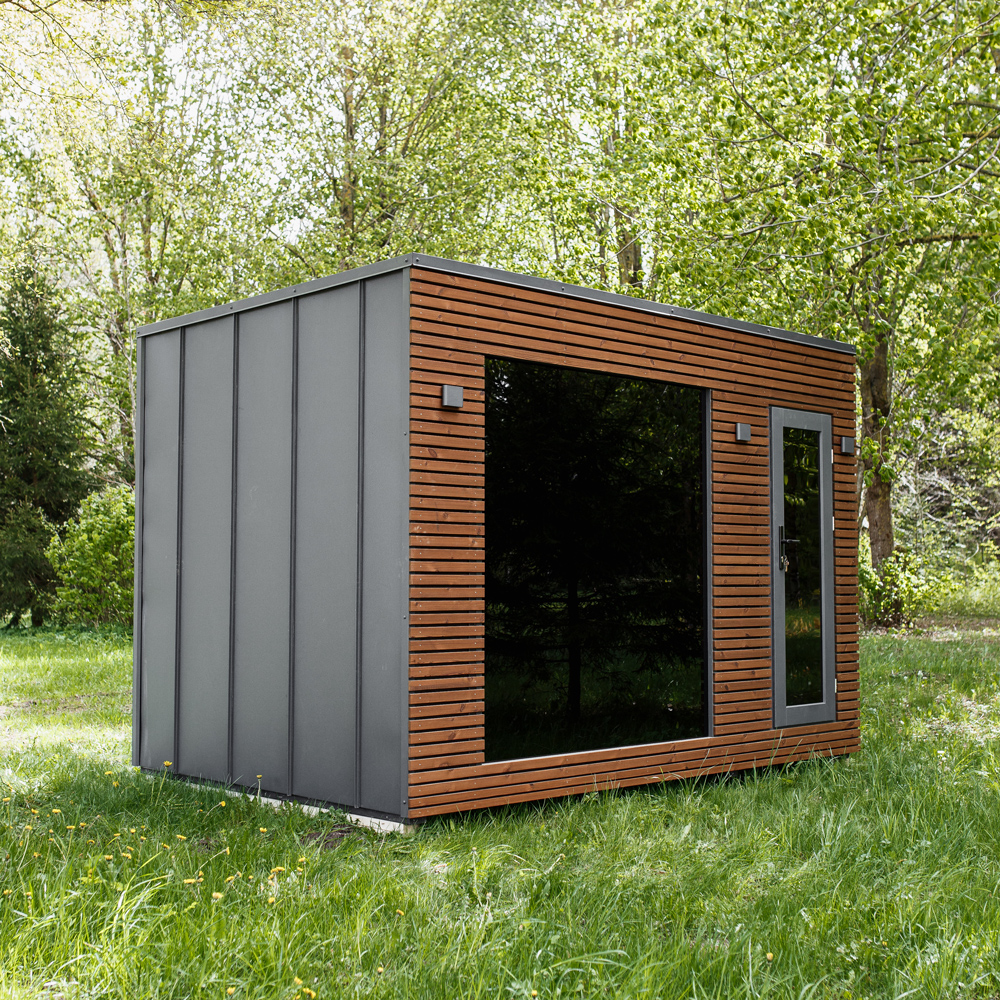
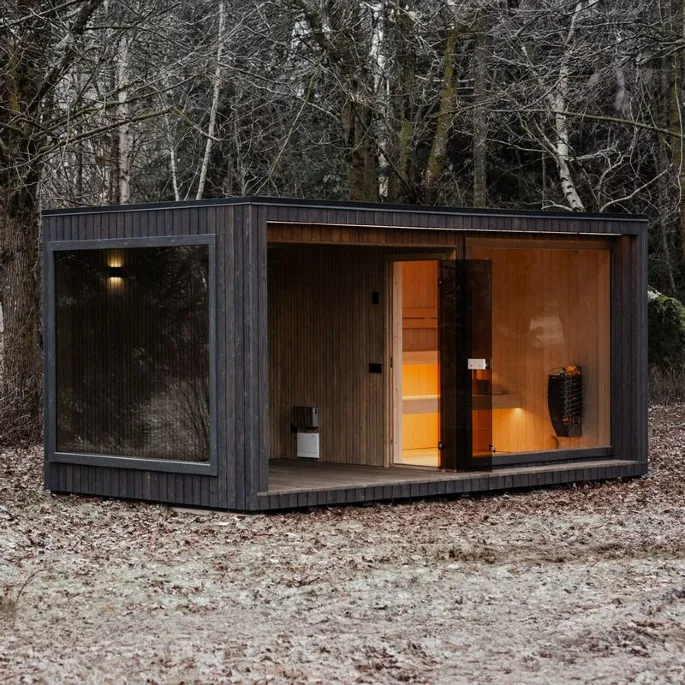
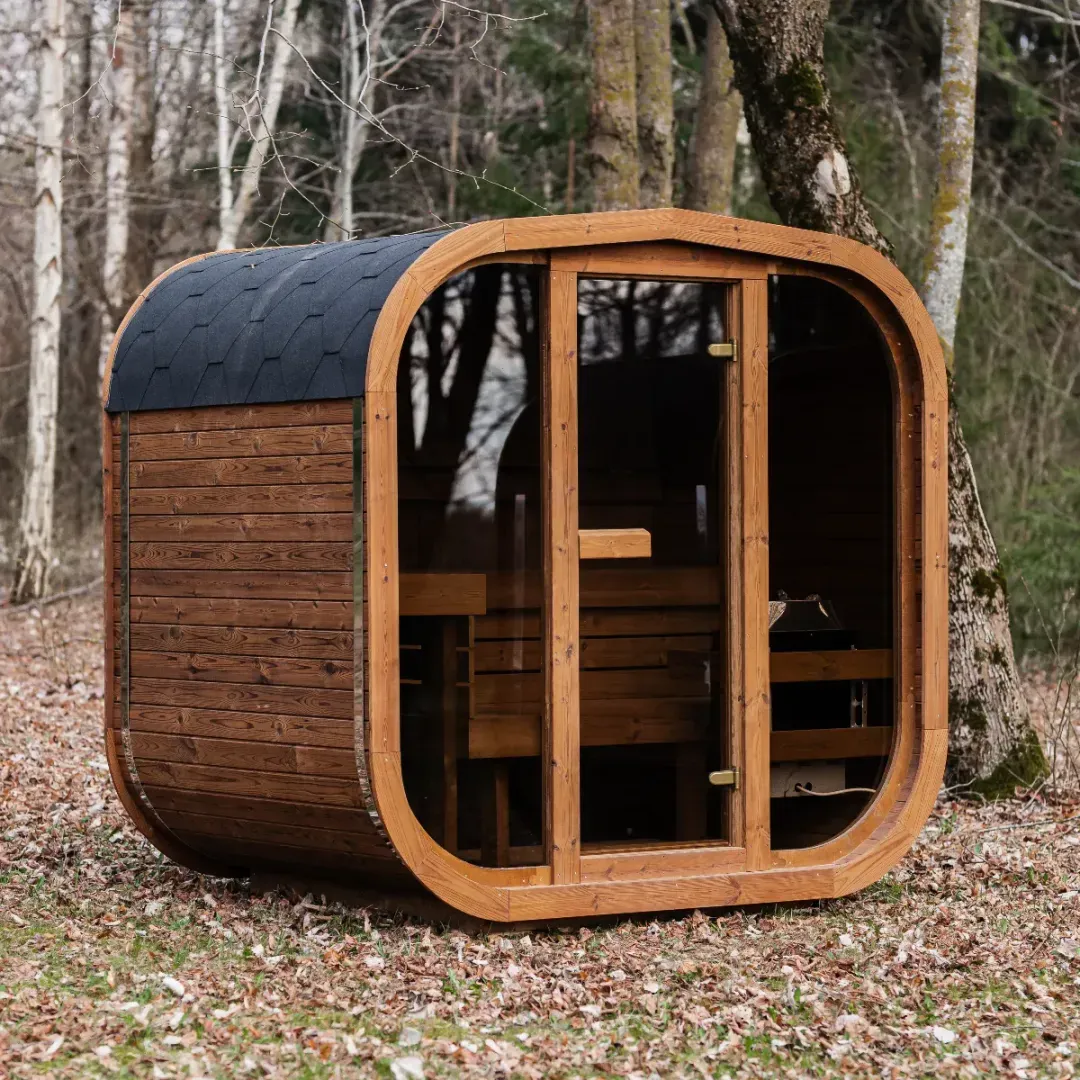
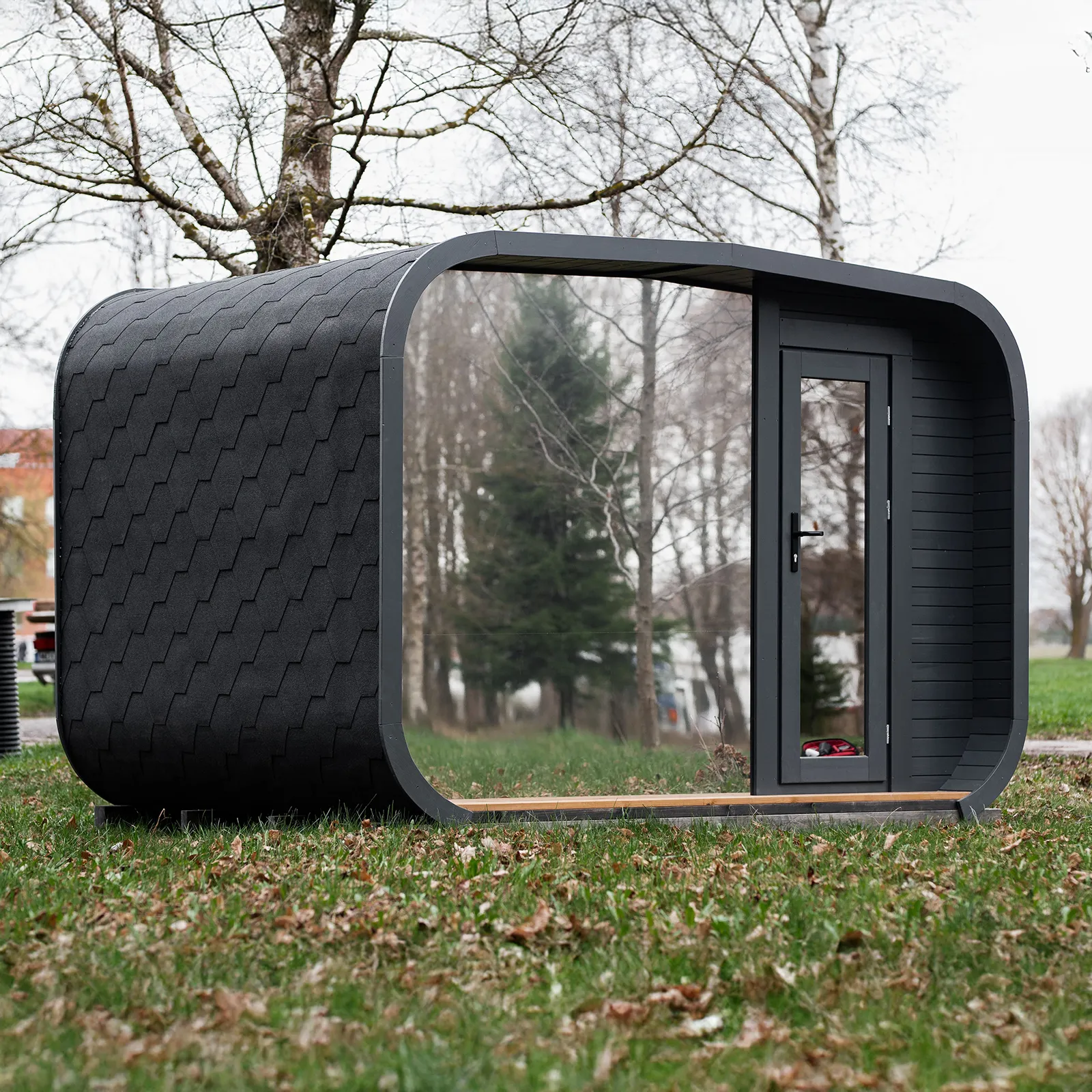
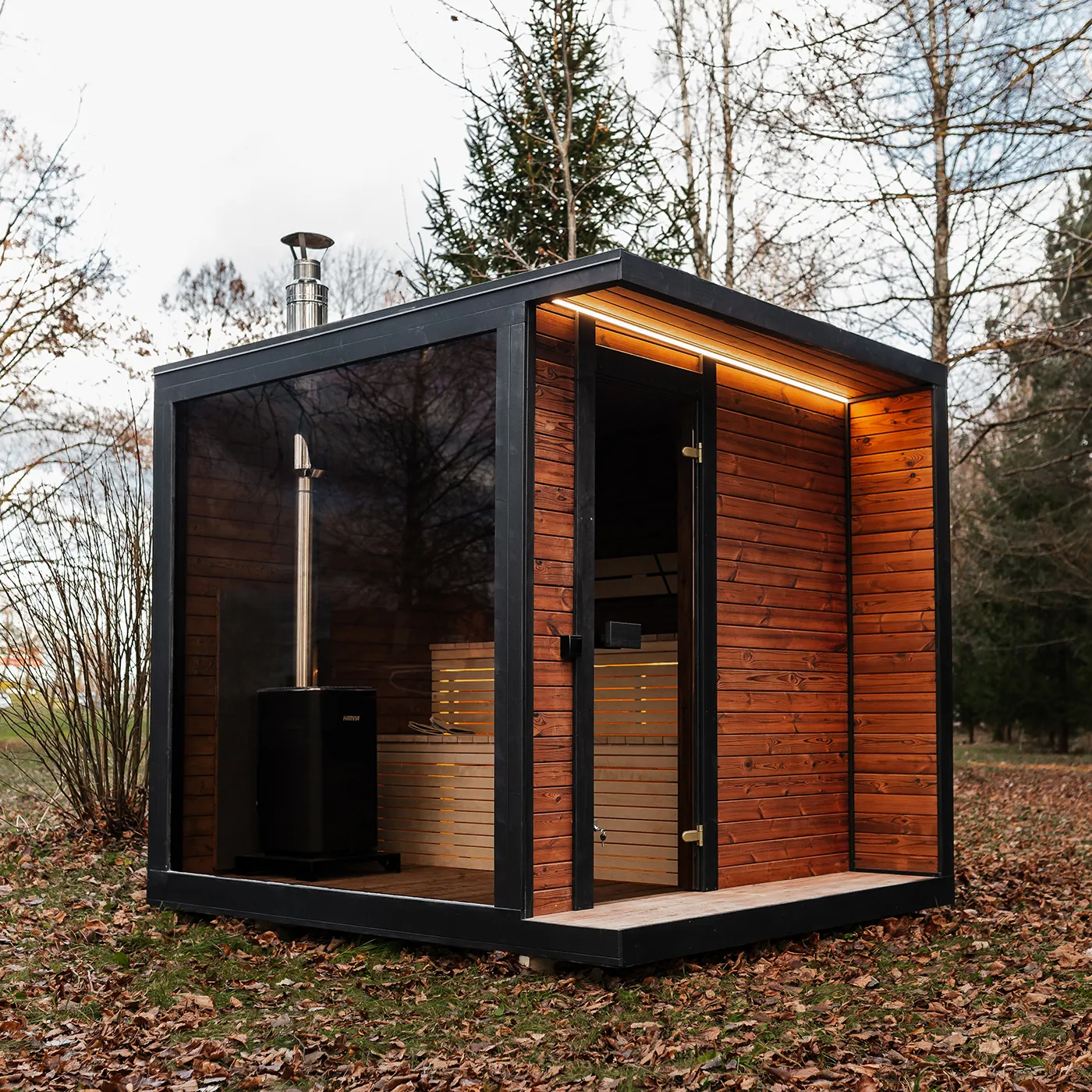
If you're thinking about a sauna for your home and want one you can settle into for years rather than push past your limits in, take a look at our outdoor sauna collection to see what a proper setup looks like for your space. And if you've got questions about sizing, heaters, or which model fits your routine, get in touch. We're always happy to give you a straight, honest answer.


.avif)


%201%20(1).avif)

.webp)
.webp)
.webp)
.webp)
.webp)
.webp)












.webp)


.webp)
%20(2).jpg)
.webp)
.webp)










.svg)

.png)