
Does Sauna Help with Acne and Pimples? What the Research Says


If you've ever stepped out of a sauna with glowing, softer skin and wondered whether regular sessions might actually do something for your breakouts, you're asking the right question. Does sauna help with acne? The answer isn't as simple as a wellness blog might tell you, and it's not as dismissive as your dermatologist might sound. The truth sits somewhere in the middle, and understanding helps you decide whether heat therapy belongs in your skincare routine.
At Eden Hut, we've had this conversation with dozens of customers - people tired of expensive serums, frustrated with inconsistent results, wondering if a sauna might be part of the answer. Here's what the research actually supports, and what we've seen work in practice.
What Actually Causes Acne
Before we answer whether saunas help, it helps to understand what you're fighting. Acne isn't just oily skin or poor hygiene. It's a complex inflammatory condition involving four main culprits working together: excess sebum (oil) production, clogged hair follicles from dead skin cells, bacteria (specifically Cutibacterium acnes, formerly called P. acnes), and inflammation.
When sebaceous glands produce too much oil, it mixes with dead skin cells and blocks pores. Bacteria thrive inside these blocked follicles, your immune system reacts, and inflammation builds. Eventually, what started invisibly beneath the skin surfaces as a whitehead, blackhead, papule, pustule, or - in more severe cases - a nodule or cyst.
Hormones, stress, diet, genetics, and skincare products all influence how reactive your skin is to this process. Which is exactly why a one-size-fits-all answer to acne rarely works - and why saunas can help some people significantly while doing little for others.
Is Sauna Good for Acne? What the Research Shows
This is where things get interesting. A controlled study published in Dermatology examined 41 healthy volunteers aged 20 to 49, comparing regular sauna users to a control group with no regular sauna exposure. The results were striking for anyone dealing with oily, acne-prone skin. Regular sauna users showed decreased sebum content on the forehead, more stable skin pH, improved stratum corneum hydration, and faster recovery of the epidermal barrier after exposure. In plain terms: less oil, stronger barrier, better hydration.
That's the headline finding, and it matters. Because excess sebum is one of the four main drivers of acne, anything that consistently reduces oil production over time has real skincare value.
There's a second mechanism worth understanding. Sweat itself contains an antimicrobial peptide called dermcidin, which is actively hostile to the bacteria responsible for acne. Research in the Journal of Dermatology found that people with acne vulgaris had dramatically lower dermcidin concentrations in their sweat - a median of 9.8 μg/ml compared to 136.7 μg/ml in healthy controls. The peptide has been shown to kill P. acnes bacteria in concentration-dependent fashion. More research is summarised in this review of antimicrobial peptides in human skin, which explains how sweat glands form a genuine part of your skin's innate defence system, not just a cooling mechanism.
So when you sweat in a sauna, you're not just flushing pores mechanically. You're coating your skin with compounds that actively fight the bacteria causing your breakouts. That's a real, research-backed benefit - not wellness marketing.
Curious about what that sweat is actually carrying with it? Here's what you're really sweating out.
How Saunas Actually Help Acne-Prone Skin
Here's what happens during regular sauna use that makes a practical difference for acne:
Pores open, debris loosens. Heat softens the keratin and oils that plug hair follicles. When you sweat, that loosened material lifts away from pore walls. This isn't a deep detox (that language is overused), but it does make post-sauna cleansing noticeably more effective. Whatever's sitting in your pores comes out easier.
Sebum production stabilises over time. This is the most important finding. Regular sauna users show lower baseline oil production - which directly addresses one of acne's core causes. Occasional sessions won't do this. Consistent use over weeks and months will.
Circulation improves dramatically. Blood flow to the skin increases several-fold during a sauna session. That means more oxygen, more nutrients, and faster clearing of waste products from skin tissue. Healing of existing blemishes tends to accelerate. Post-inflammatory marks fade quicker for most people with consistent use.
Stress drops - and so does cortisol. This one gets underestimated. Chronic stress elevates cortisol, which stimulates sebaceous glands to produce more oil. A 2007 study on adolescents found a significant association between stress levels and the severity of inflammatory acne. Anything that genuinely lowers your baseline stress - and sauna sessions reliably do this - is working on acne from a different angle than topical treatments ever could. If you want the full picture on what else consistent sauna use does to your stress and overall wellbeing, our guide on sauna benefits you'll actually experience covers it in depth.
Skin pH and barrier function stabilise. Acne-prone skin tends to have a slightly higher (more alkaline) pH than healthy skin, which favours bacterial growth. Regular heat exposure helps skin pH recover toward the protective acidic range more quickly, making it a less hospitable environment for acne-causing bacteria.
The Honest Reality: What Saunas Won't Do
We're going to be direct here, because this is where most articles oversell. Are saunas good for acne? Yes, for many people - but with real limits.
Saunas won't cure cystic or hormonal acne on their own. Deep, painful nodular acne driven by hormonal imbalance needs medical treatment. No amount of sweating will address underlying hormonal issues or severe inflammation.
Saunas won't replace your skincare routine. Cleansing, targeted actives (salicylic acid, benzoyl peroxide, retinoids if prescribed), and consistent gentle care still do the heavy lifting. Sauna complements these practices; it doesn't replace them.
Saunas can make things worse if you're careless. Sweat that dries on your skin mixes with oil and bacteria. If you walk out of a session and don't rinse properly, you've just given acne-causing bacteria a warm, moist environment to multiply in. We'll get to how to avoid that below.
And some skin types simply don't tolerate heat well. If you have rosacea, active inflammatory flare-ups, eczema, or very sensitive skin, heat exposure can worsen symptoms. Knowing your skin matters more than following any trend.
Another common question we get: does a sauna actually help with weight loss? Here's what the research says.
How to Use a Sauna for Acne-Prone Skin
Getting benefits from sauna sessions for acne requires a bit of method. Here's what we recommend based on the research and what our customers have found works:
Cleanse before you go in. Never sauna with makeup on. Remove sunscreen, serums, and any occlusive products. You want open, clean skin before heat exposure. Otherwise you're just baking product into your pores.
Keep sessions moderate. Ten to fifteen minutes is the sweet spot for skin. You don't need marathon sessions - in fact, longer exposures increase dehydration and can irritate sensitive skin. Two shorter sessions with a cooling break can work better than one long one.
Hydrate genuinely. Drink water before, and more water after. Dehydration makes skin look worse, slows healing, and can actually trigger the sebaceous glands to produce more oil to compensate for lost moisture. This is one of the most overlooked factors.
Rinse immediately after. This is critical for acne-prone skin. The minute you step out, rinse with cool water. A gentle, non-comedogenic cleanser afterwards helps remove the sweat-oil mixture before it can settle back into pores. Don't skip this step - it's the difference between sauna helping your skin and causing breakouts.
Moisturise with the right products. After towelling off (pat, don't rub), use a lightweight, non-comedogenic moisturiser. Your skin barrier has been working hard; give it support without clogging pores. And while we're on the topic of sauna aftercare, don't forget that your hair takes a hit too - our guide on how to protect your hair in the sauna covers that side of things.
Be consistent. The research showing sebum reduction and barrier improvement looked at regular sauna users - people doing this two to four times a week over months. One session produces a nice glow. Three months of consistent practice is when measurable changes happen. For more on building a sustainable routine, have a look at our sauna tips to get maximum benefits with every session.
Traditional vs Infrared: Which Is Better for Acne?
This question comes up often. Honestly, both work.
Traditional Finnish saunas (80-90°C, low humidity) produce more intense sweating and have the bulk of research behind them. The sebum-reduction findings came from traditional sauna use, not infrared.
Infrared saunas (50-60°C, dry) feel gentler and are easier on people who find high heat uncomfortable. You still sweat, though at lower temperatures. Research specific to infrared and acne is more limited, but the underlying mechanisms - sweating, circulation, dermcidin release, stress reduction - apply to both.
Our take: pick the one you'll use consistently. Someone who sauna-bathes in an infrared unit three times a week will see more benefit than someone who uses a traditional sauna once a month because they find it too hot. Consistency beats intensity.
.jpg)
When Saunas Aren't Right for Your Skin
Being honest about when sauna isn't the answer:
Active rosacea, active severe inflammatory acne flares, recent chemical peels or laser treatments, sunburn, or open skin lesions - all reasons to skip the sauna until things settle. Pregnancy is another situation requiring caution, we covered this in detail in our sauna and pregnancy guide. If you're on isotretinoin (Accutane) or other acne medications that thin your skin, discuss sauna use with your dermatologist first.
If a session consistently leaves your skin red, irritated, or triggers breakouts within 24-48 hours, listen to that signal. Either adjust your routine (shorter sessions, lower heat, better post-session cleansing) or accept that your skin doesn't respond well to heat therapy.
The Bottom Line: Do Saunas Help with Acne?
Here's the honest summary. Does sauna help acne? Yes, for many people, when used consistently and combined with proper skincare. The research shows real mechanisms at work: reduced sebum production over time, antimicrobial peptides in sweat that actively target acne bacteria, lower stress and cortisol levels, improved circulation, and better skin barrier function.
But it's not a miracle cure, and it's not for everyone. Severe hormonal acne needs medical treatment. Sensitive or rosacea-prone skin may flare with heat. And without proper before-and-after care, saunas can actually worsen breakouts instead of helping them.
What we've seen work: people who use their sauna two to four times a week, cleanse thoroughly before and after, hydrate properly, and stay consistent for at least a couple of months. They're the ones who come back and tell us their skin has genuinely changed - less oily, fewer breakouts, better recovery when blemishes do appear.
If you've been considering a home sauna for wellness reasons and acne is on your list of hoped-for benefits, the research supports your interest. Just go in with realistic expectations and sensible habits.
Curious to Learn More?
If this article piqued your interest and you want to learn more about saunas, their benefits, and how they fit into everyday wellness, visit Eden Hut to explore everything we have to offer.
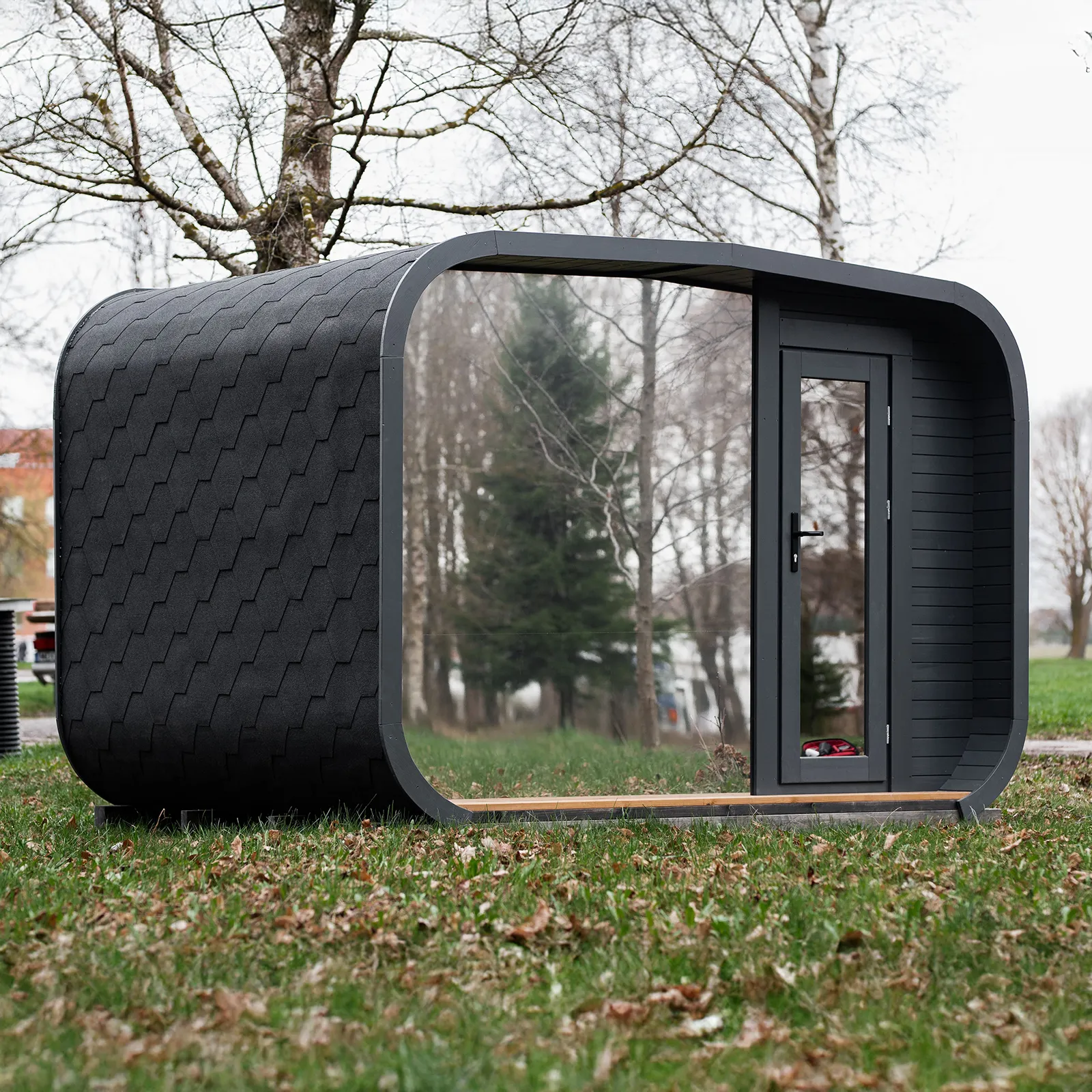
And if you're ready to stop making the trek to the gym and want a sauna that fits into your garden and your routine, explore our outdoor sauna collection. For anything specific - sizing, heat options, skin-related questions - reach out to us. We're happy to help you figure out what fits your space and your goals. Clearer skin is just one of the reasons people end up with a sauna at home. It's rarely the last.


.avif)


%201%20(1).avif)

.webp)
.webp)
.webp)
.webp)
.webp)
.webp)




















.webp)


.webp)
%20(2).jpg)
.webp)
.webp)











.svg)

.png)