
Sauna vs Steam Room: Differences & Benefits Explained


If you have ever stood at the spa or gym facing two doors, one to a sauna and one to a steam room, and weren't quite sure which to pick, you're not alone. They look similar, they both involve sitting in heat, and they both leave you sweating. But the sauna vs steam room question has a real answer, and the differences run deeper than dry versus wet.
Having spent years in the wellness space, we know both types well from real, hands-on use. And we want to lay it out honestly and give you a fair comparison. The point of this guide is simple. We want to help you see both options clearly so you can decide what's right for you, based on your needs and preferences.
The Core Difference: Dry Heat vs Moist Heat
Everything else flows from this one distinction.
A sauna uses dry heat. A heater, whether electric, wood burning, or infrared, warms the air and the room to high temperatures, typically 70 to 100°C, while keeping humidity very low, around 10 to 20%. In a traditional Finnish sauna, you can throw water on hot stones to create bursts of steam, called löyly, but the baseline environment stays dry.
A steam room uses moist heat. A steam generator pumps water vapour into a sealed, tiled room, keeping humidity at or near 100%. Because the body can't cool itself as efficiently in saturated air, steam rooms run at much lower temperatures, usually 40 to 50°C, but feel intensely hot because your sweat can't evaporate.
That's the fundamental difference between sauna and steam room. A sauna heats the air around you and lets your sweat evaporate to cool you, while a steam room saturates the air so completely that your sweat just sits on your skin. Both raise your core temperature. They simply get there by opposite routes.
Temperature and Humidity at a Glance
Health Benefits: Where the Research Actually Sits
Most of the long term scientific research on heat therapy has been done on traditional dry saunas. The well known Finnish studies linking regular heat exposure to better cardiovascular health, lower blood pressure, and reduced inflammation were all conducted in saunas.
Steam rooms have been studied far less, largely because their high humidity changes how the body sweats. In practice, this means the impressive long term health claims you read about almost always trace back to saunas, which is worth keeping in mind.
Breaking Down the Benefits
Cardiovascular health goes to the sauna. Because dry heat raises your heart rate to levels comparable to light exercise, regular sauna use functions almost like a passive cardio workout. The research behind this is substantial and well documented, and we cover it more fully in our guide on sauna benefits you'll actually experience. Steam rooms likely offer some similar effects, though the evidence isn't as strong.
Detoxification and deep sweating also favours the sauna. The higher temperatures produce more vigorous sweating, and the dry environment lets that sweat evaporate and renew continuously.
If you're curious about what's actually happening when you sweat, our article on toxins you sweat out in a sauna breaks it down honestly.
Respiratory and congestion relief is where the steam room genuinely wins. The warm, moist air loosens mucus, soothes irritated airways, and can clear nasal passages more effectively than dry heat. If you have a stuffy nose, sinus pressure, or mild congestion, steam has a real edge here. That said, some people with asthma find dry heat easier to breathe, so it varies by individual.
Skin hydration is a closer call. Steam rooms add surface moisture, which can leave skin feeling immediately softer. Saunas, somewhat surprisingly, don't dry out the skin either. Research has shown that proper sauna use doesn't increase long term water loss from the skin, and it produces a deep cleaning sweat that clears pores. The glow feels different from each, but both are good for skin in their own way.
Muscle recovery and relaxation is roughly a tie, with a slight lean toward saunas. The deeper heat penetration and higher temperatures tend to relax tense muscles more thoroughly. Both are excellent for unwinding.
Stress relief is a genuine draw on both sides. Each environment shifts your nervous system into a calmer state and lowers stress over time. Whichever you find more relaxing is the better one for this purpose.
Comfort and Experience: A Real Consideration
Numbers aside, the two feel completely different, and that matters more than people expect.
A sauna feels hot but breathable. The air is dry, so even at 90°C you can breathe comfortably, and most people tolerate 15 to 20 minute sessions easily. There's a ritual to it. The wood, the heat, the option to add steam with water on the stones, and the deep full body warmth all come together into something you settle into.
A steam room feels heavier. The 100% humidity means the heat clings to you, and although the temperature is lower, the wet air can feel suffocating to some people, especially newcomers. Sessions tend to be shorter. Some love the enveloping sensation, while others find it claustrophobic.
Neither is objectively better here. It comes down to which sensation you actually enjoy, and if you're going to use it regularly, enjoyment is what drives consistency.
.jpg)
Practical Differences: Maintenance and Ownership
If you're thinking about installing one at home rather than visiting a facility, the practical gap is significant.
Steam rooms require fully sealed, waterproofed rooms with tile or glass surfaces, a steam generator, drainage, and serious moisture management. The constant 100% humidity is hard on building materials and demands careful ventilation to prevent mould. They're typically indoor builds requiring professional installation.
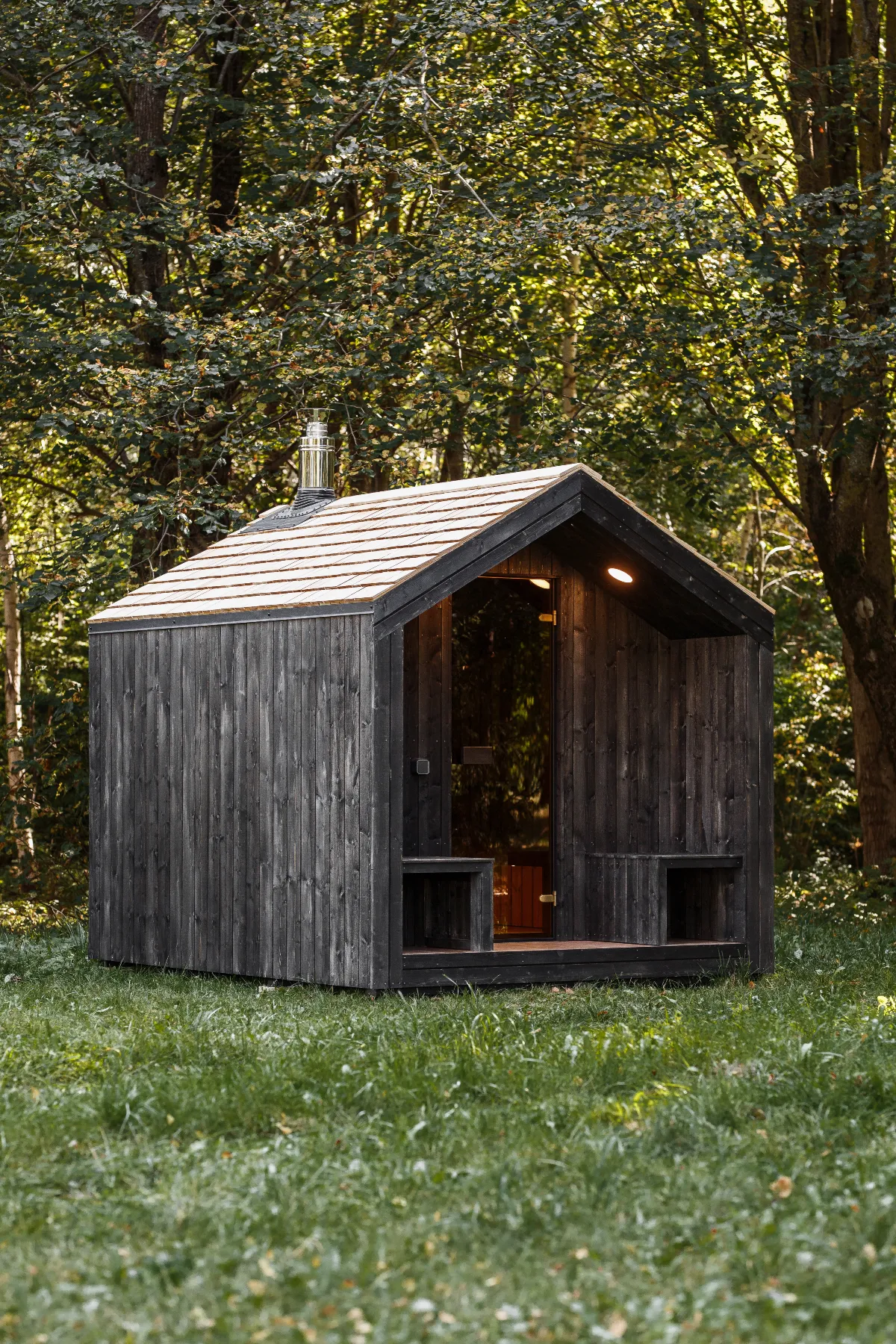
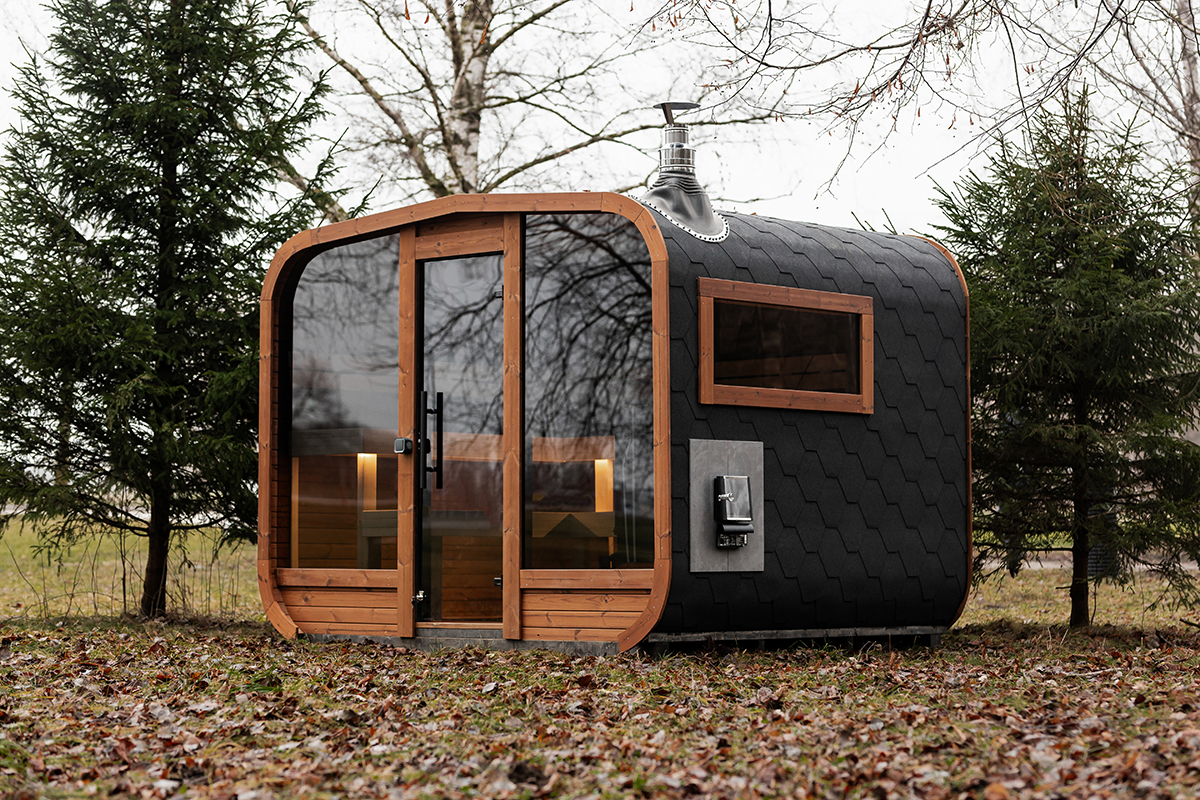
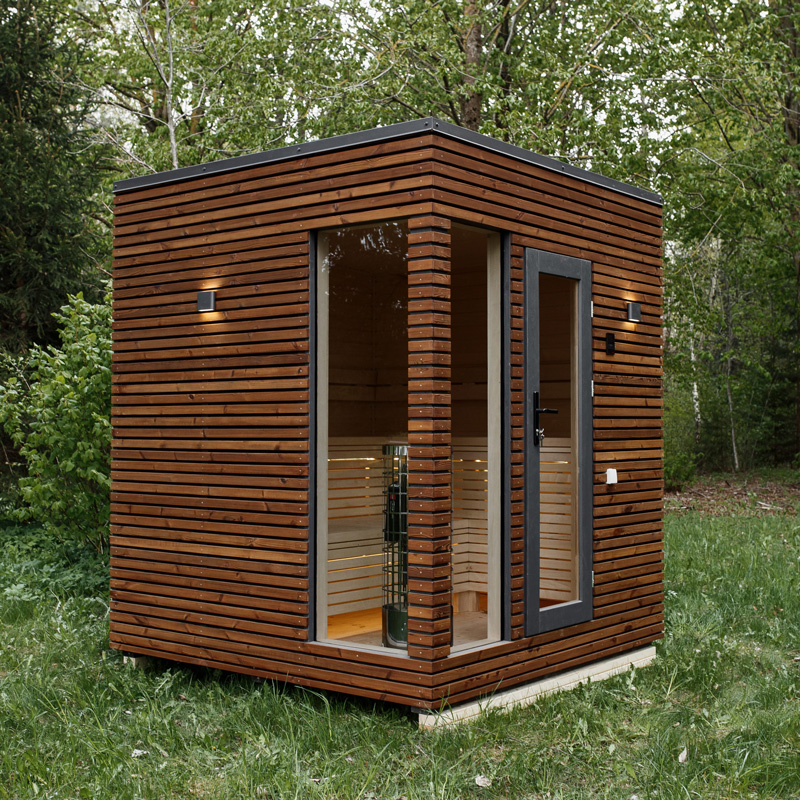
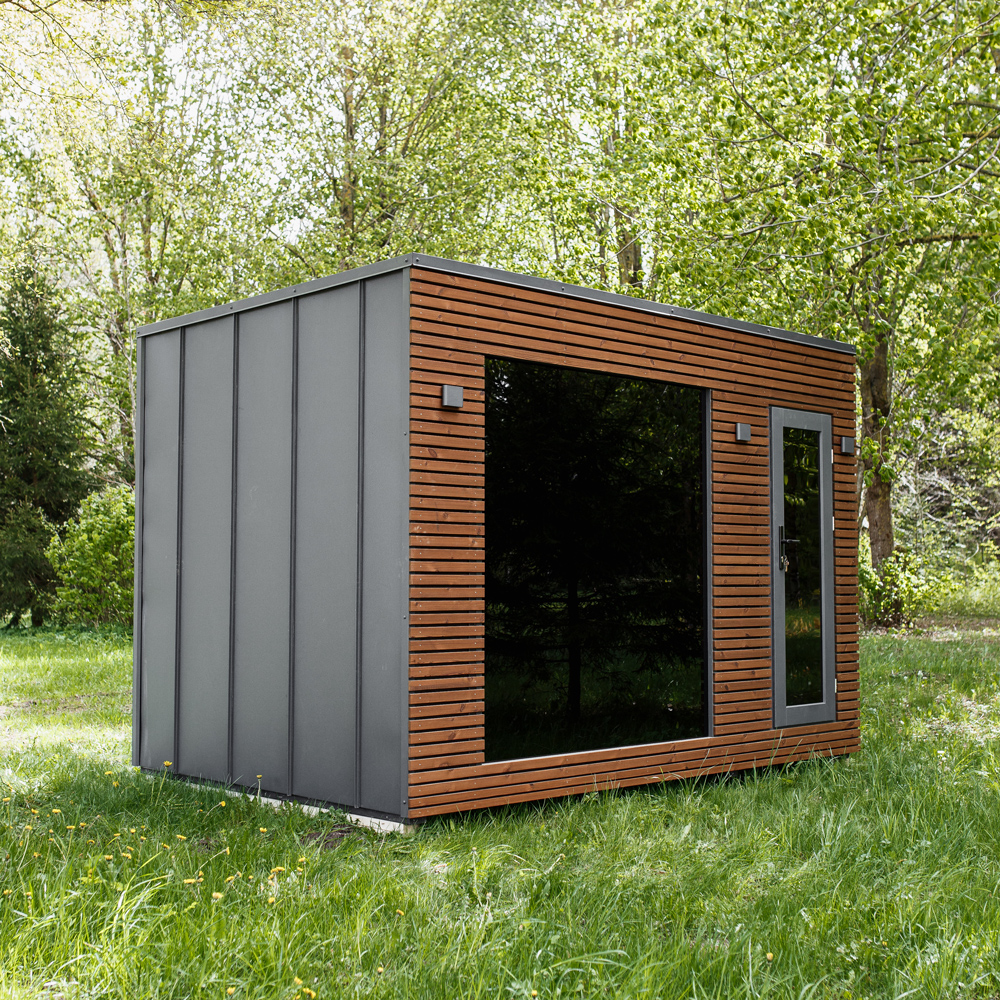
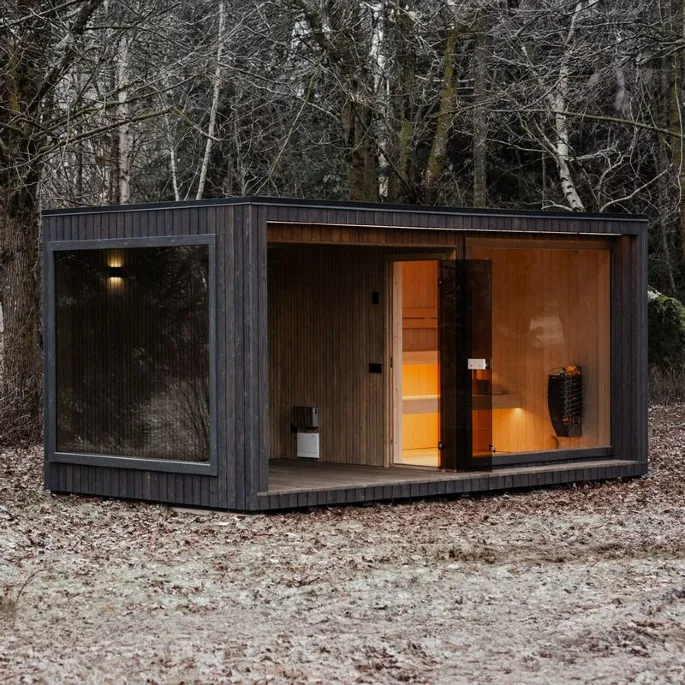
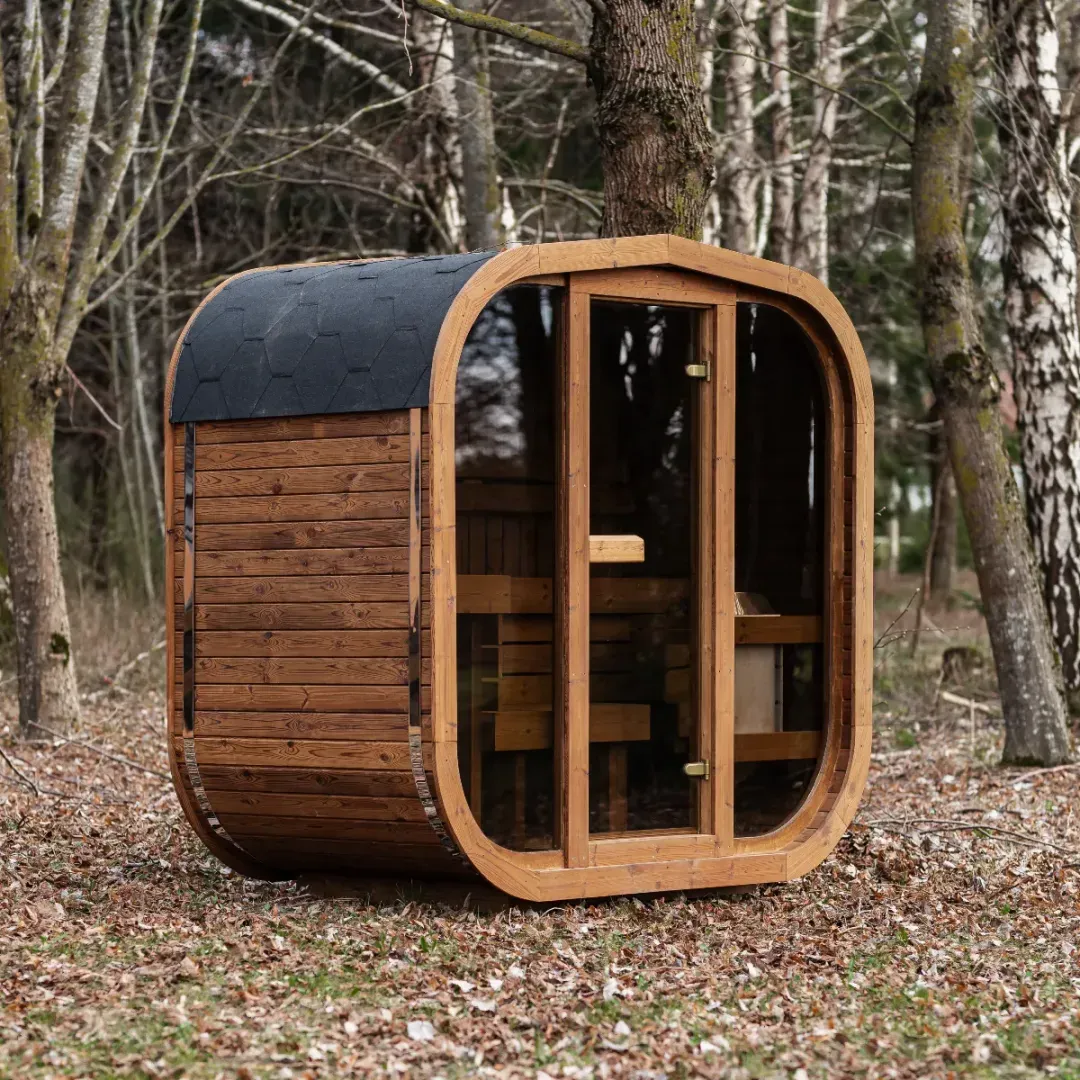
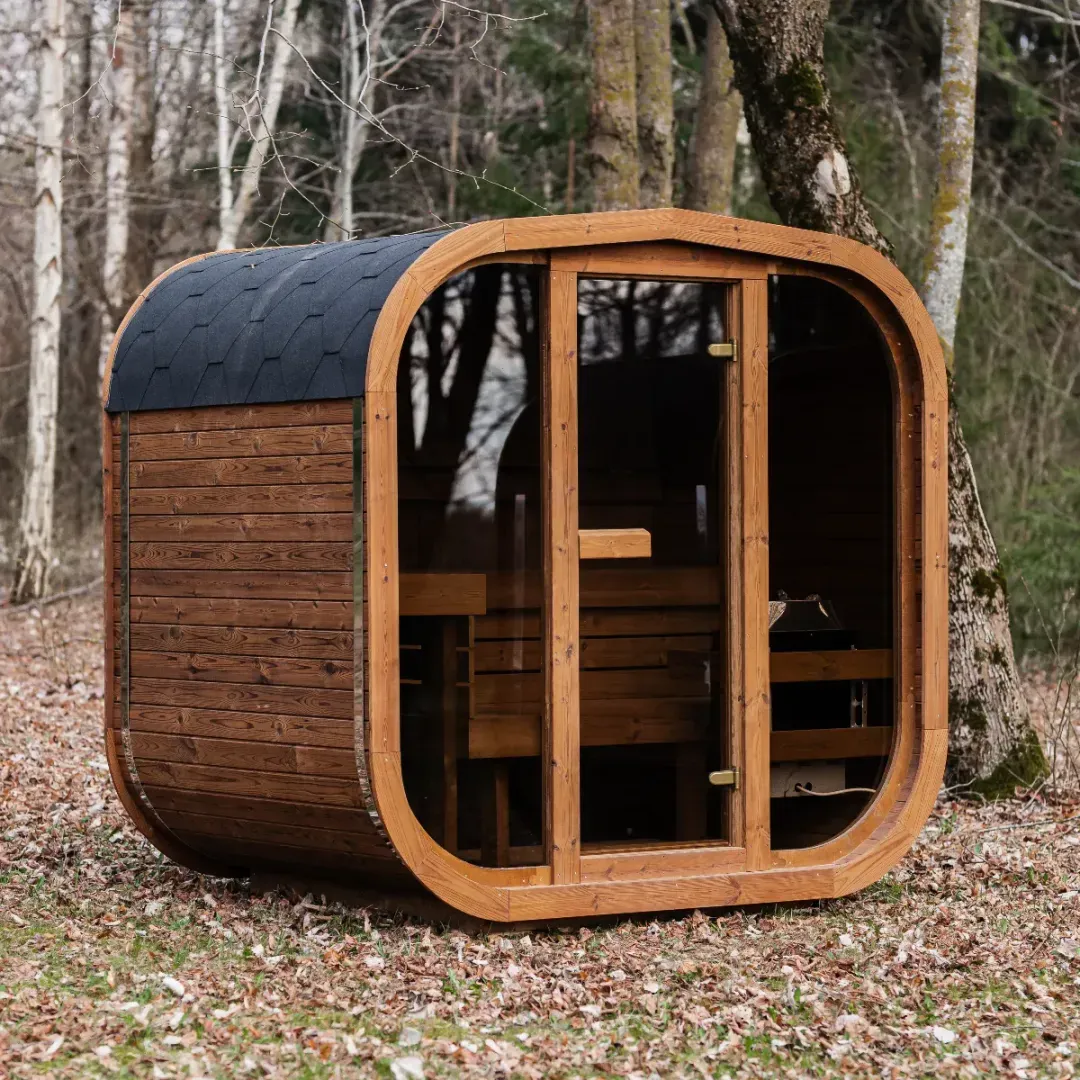
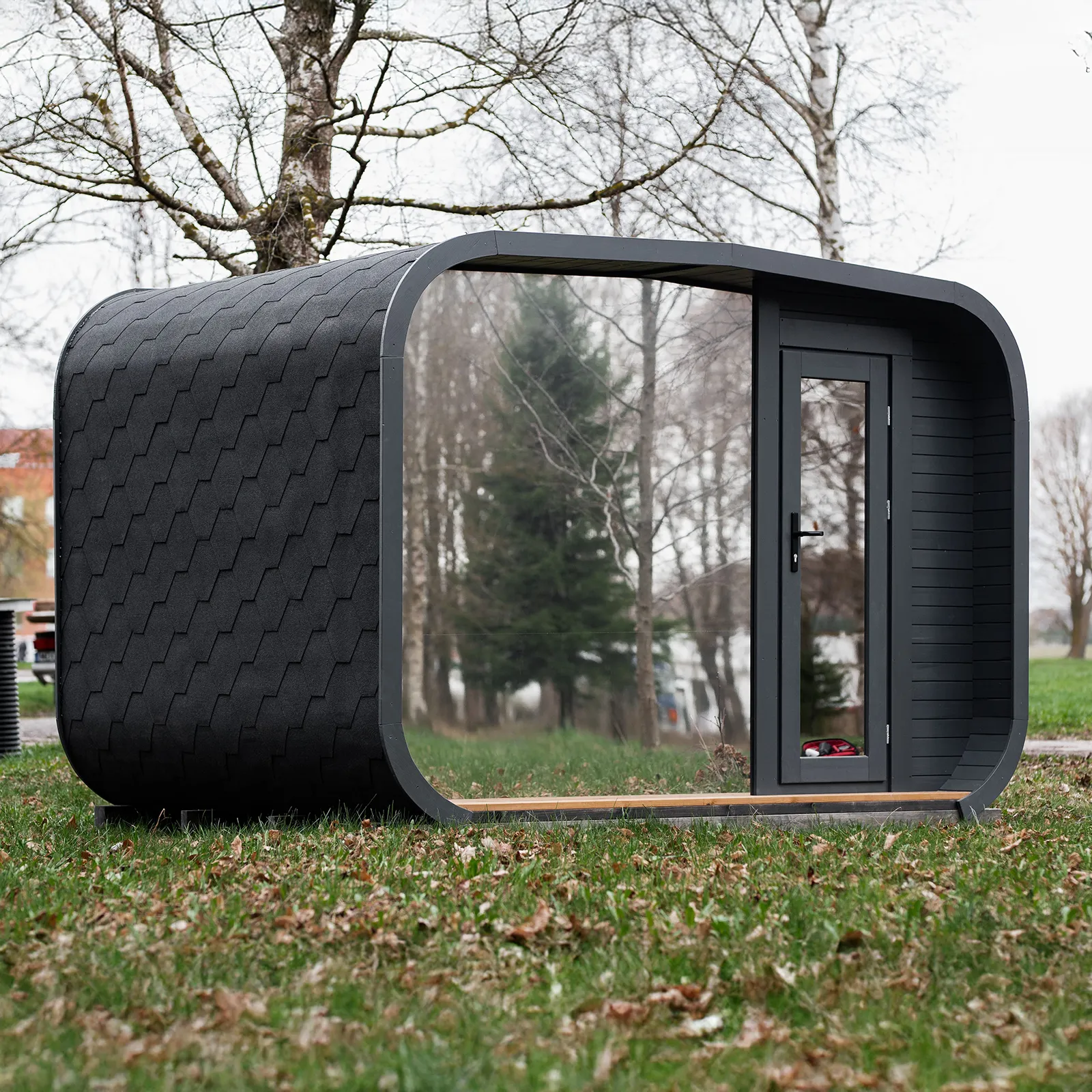
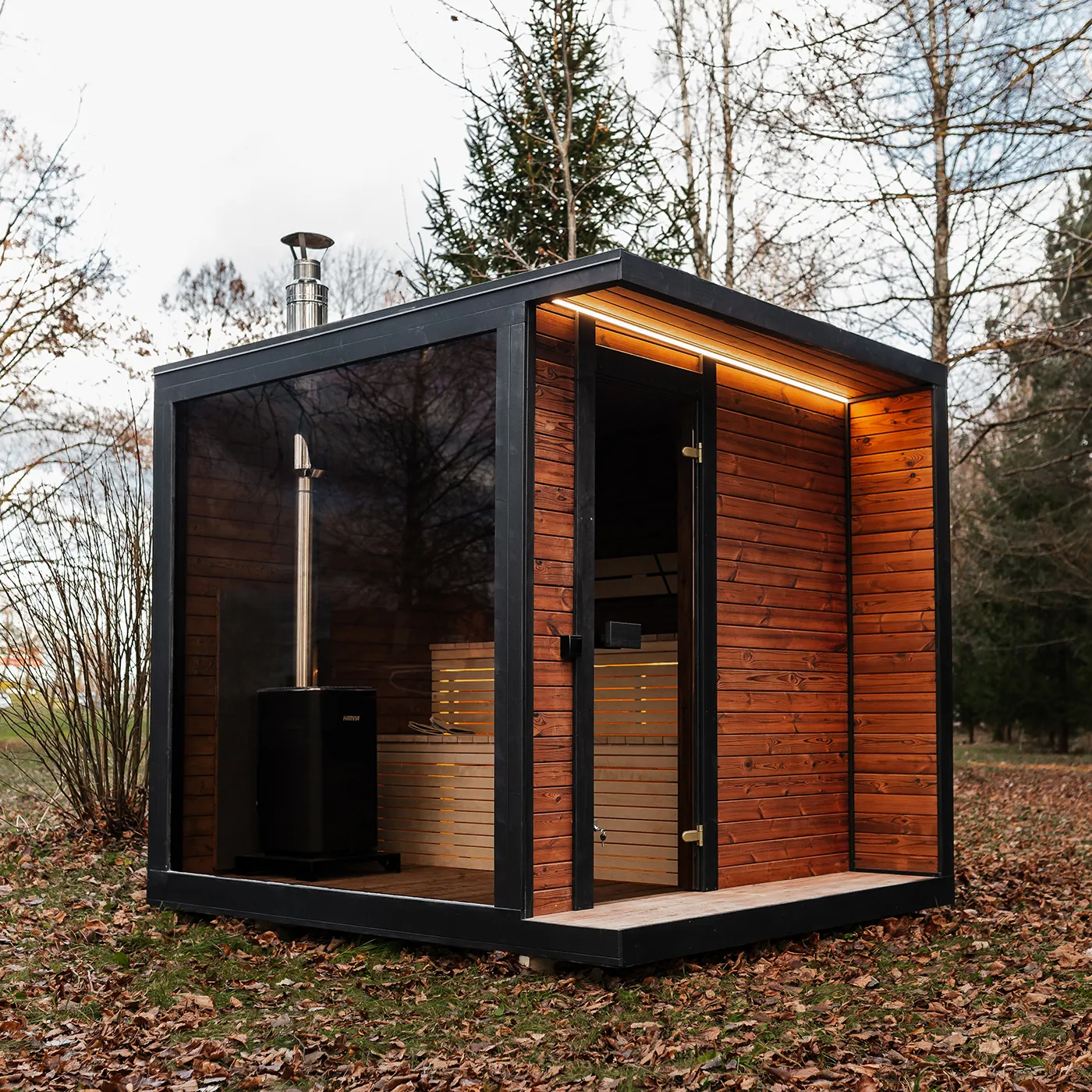
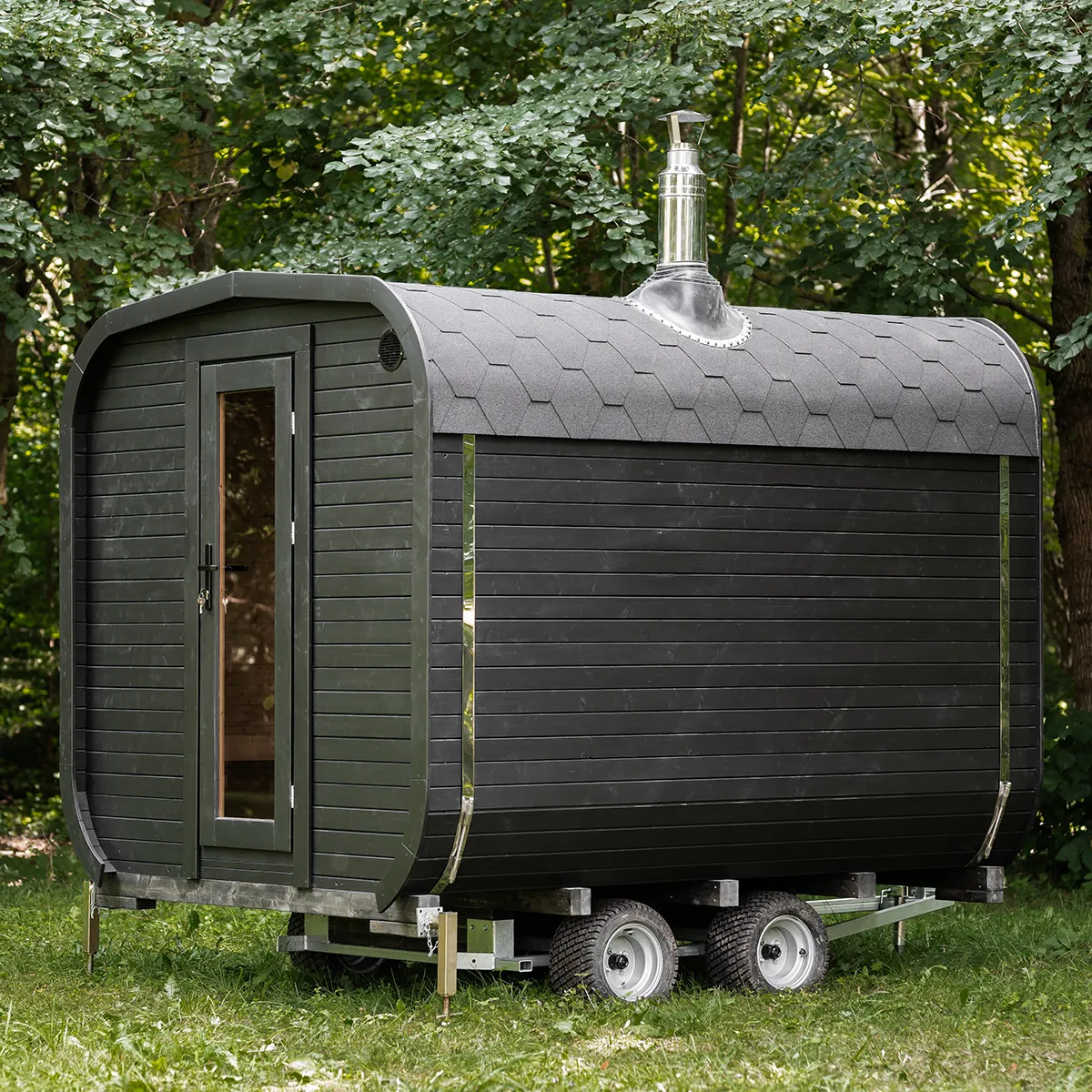
Saunas are more forgiving. A traditional outdoor sauna is a self-contained wooden structure designed for your garden. They're built to handle the heat-and-cool cycle and are generally simpler to maintain, and with basic care they'll last for years. For most people wanting heat therapy at home, a sauna is the more realistic and durable option.
How to Get the Most From Either
Whichever you use, a few principles apply to both:
- Hydrate properly. Both make you sweat heavily and both carry dehydration risk. Drink water before and after.
- Keep sessions sensible. Aim for 15 to 20 minutes in a sauna, and 10 to 15 in a steam room. Listen to your body and step out if you feel unwell.
- Rinse and cool down afterwards. A cool shower closes the experience nicely and helps your body regulate.
- Avoid both with fever, acute illness, or alcohol. The same safety rules apply across the board.
If you go the sauna route, our guide on how to use a sauna walks through getting the most out of every session, and our sauna tips for maximum benefits covers the finer points once you're comfortable with the basics.
So, Which Is Better, Sauna or Steam Room?
Here's our honest verdict. Which is better, sauna or steam room? It depends on your priority, but for most people, most of the time, the sauna is the stronger all round choice.
Choose a steam room if your main goal is respiratory relief, clearing congestion, or you simply prefer the feel of moist heat and find it more soothing.
Choose a sauna if you want the option with the deepest research behind it, the broadest range of benefits across cardiovascular health, recovery, detoxification, and relaxation, the more practical home installation, and the more versatile experience. You can even add steam to a traditional sauna when you want it, getting some of both worlds.
That last point is part of why we lean toward saunas, and not only because we build them. A traditional sauna gives you dry heat as standard, with the flexibility to introduce humidity on your own terms. A steam room only does one thing. The sauna is simply the more complete tool.
Curious to Learn More?
If this comparison has inspired you to find your perfect sauna, take a look at our outdoor sauna collection. It's a good way to see what a proper home setup actually looks like and what would suit your space. And if you've got questions we haven't answered here, whether about sizing, installation, or which model fits your garden, get in touch. We're always happy to give you a straight answer and help you figure out what's right for you.


.avif)


%201%20(1).avif)

.webp)
.webp)
.webp)
.webp)
.webp)
.webp)











.webp)


.webp)
%20(2).jpg)
.webp)
.webp)










.svg)

.png)