
How Hot Does a Sauna Get? When Is It Too Hot?


There's something deeply satisfying about stepping into a properly hot sauna, but there's also a fair question buried in the experience. How hot is hot enough, how hot is too hot, and does cranking the temperature up actually give you more benefits, or just more discomfort? How hot does a sauna get in practice, and where's the line between a productive session and one that pushes your body further than it should go?
We've spent years selling, using, and recommending saunas, and this is one of the questions that comes up most often, especially from people setting up their first home sauna or trying to fine-tune their routine. The answers are clearer than you might expect. Let's walk through how hot saunas actually get, what the research says about the best temperatures, when heat tips over from beneficial to risky, and which warning signs matter.
How Hot Does a Sauna Actually Get?
Different sauna types operate in very different temperature ranges, so it helps to know the ballpark for each.
Traditional Finnish saunas are the hot ones. They typically run between 70 and 100°C at head height, with humidity sitting low at around 10 to 20%. A peer-reviewed study published in BMC Medicine confirms this as the standard range used in long-term sauna research, with most Finnish bathers settling around 80°C. It's worth knowing that the temperature at the floor of a traditional sauna is far cooler, around 30°C, which is part of what makes the room comfortable to breathe in despite the head-height heat.
Infrared saunas operate much cooler, typically 45 to 65°C. They don't heat the air the same way, so they don't need to reach high ambient temperatures to produce sweating and the related cardiovascular response.
Steam rooms sit lower still, around 40 to 50°C, but with humidity at or near 100%, which is why they feel intensely hot despite the modest temperature.
For most people thinking about traditional saunas, the working answer to how hot are saunas is somewhere between 70 and 100°C, with the sweet spot for daily use closer to the lower-to-middle of that range. If you're setting up a sauna at home and wondering how long it takes to actually reach those temperatures, our guide on how long it takes for a sauna to heat up breaks down what to expect from different heaters and sauna sizes.
Does Maximum Benefit Mean Maximum Temperature?
This is where a lot of people get it wrong, and it's worth being direct about. No, hotter is not better. The most cited Finnish research on sauna benefits, the long-term work from Dr. Jari Laukkanen and colleagues, was conducted on participants using saunas at around 80°C, not at the absolute maximum the room could reach. The famous reduction in cardiovascular mortality, the cognitive benefits, the heat shock protein activation, all of those effects were observed at temperatures most people would describe as hot but not extreme.
Pushing the heat beyond what your body can comfortably handle doesn't add benefits. It just adds strain. Heart rate goes up further, dehydration risk climbs, and the chance of dizziness or worse increases sharply. The body is fundamentally responding to thermal stress, and that response saturates well before the room is at its hottest. There's no bonus for endurance.
The same Finnish data shows that frequency, consistency, and adequate duration at a sensible heat do far more for your health than chasing the highest possible temperature. Four to seven sessions a week at moderate heat outperforms one heroic session at maximum heat by a wide margin.
What Temperature Should a Sauna Be?
A reasonable, research-supported answer to "what temp should a sauna be" sits in the 70 to 80°C range for most healthy adults. This is the zone where you get the cardiovascular workload, the genuine heat stress, and the full benefit profile, but without the unnecessary risks that come with pushing into the upper 90s and 100s. A review published in Frontiers in Cardiovascular Medicine describes the recommended temperature range as 80 to 100°C, which gives you a sense of where the upper bound sits, but most practitioners and researchers consider the 70 to 80°C band the best balance of benefit and tolerability.
Here's a quick reference.
For a more thorough breakdown by sauna type and use case, our full guide on what temperature a sauna should be goes into more detail. The numbers above are a sensible starting point, not a strict rule.
When Is a Sauna Too Hot?
This is partly individual and partly general, and both sides matter.
The general ceiling is well established. Above around 100°C, even healthy and experienced users start running into diminishing returns and increased risk. Above 110°C, you're in territory that very few people should be operating in, and the safety margin disappears quickly. Most home and commercial saunas physically cap out around 100°C for good reason.
The individual ceiling matters more in everyday use. What feels comfortably hot to one person can be genuinely dangerous to another, and that's not a sign of weakness. Age, cardiovascular health, hydration, medications, recent food intake, recent exercise, and simple acclimatisation all change how your body handles heat. A first-time sauna user at 80°C is having a different physiological experience than a lifelong Finnish bather at the same temperature.
The honest rule is this. If you can't breathe easily, if you feel dizzy, nauseous, or unwell, the sauna is too hot for you in that moment, regardless of what the thermostat reads. There's no medal for staying in.
Warning Signs to Watch For
This part matters most, so don't skim it. If you experience any of the following during a session, leave the sauna calmly and slowly.
- Dizziness or lightheadedness. A clear signal that your blood pressure has dropped too far or that you're dehydrating. Get out, sit down somewhere cooler, and drink water.
- Nausea or stomach discomfort. Often a precursor to feeling much worse. Don't push through it.
- Headache during or immediately after. This usually points to dehydration or overheating. Hydrate properly and consider shorter or cooler sessions next time.
- Confusion, disorientation, or trouble focusing. These are more serious warning signs of heat stress and should never be ignored.
- A racing or irregular heartbeat that doesn't feel right. Your heart rate going up in a sauna is normal. Feeling like something is genuinely off is not.
- Difficulty breathing. If the air feels too hot to draw in comfortably, you're past your safe limit.
- Tingling, numbness, or muscle cramps. Electrolyte loss or circulation issues.
If you experience any of these, exit the sauna gradually, cool down slowly, hydrate, and rest. Don't rush from heat into cold water if you're already feeling unwell, as that can compound the strain on your cardiovascular system.

When Higher Heat Genuinely Helps
For experienced, healthy users, there are situations where the higher end of the sauna temperature range delivers real value. It's not about chasing intensity for its own sake, but the upper range has its place.
Deeper sweating and cardiovascular load. Higher temperatures produce a stronger sweat response and a higher heart rate, which is closer to the conditions used in the long-term Finnish studies linked to cardiovascular benefits.
Our guide on sauna benefits you'll actually experience covers what the research actually supports.
Stronger heat shock protein response. Heat shock proteins are part of how your cells protect themselves and repair from stress. The response scales with the intensity of the heat stress, within a tolerable range.
More efficient sessions. If you have limited time, a hotter session at 85 to 90°C can deliver a meaningful physiological workload in a shorter window than a milder 65°C session. For experienced users, this can be a practical advantage.
Symptom relief for some conditions. People dealing with chronic muscle stiffness, certain skin conditions, or stubborn congestion sometimes find higher heat more effective.
Mental challenge and resilience. This is less measurable but real. Some sauna users find that gradually building tolerance to higher temperatures, safely and over time, becomes part of the appeal. Discomfort handled well builds something useful.
The catch is that none of this matters if you're pushing past what your body can handle. The benefits of higher heat exist on a curve, and the curve flattens long before the room maxes out. If you want more practical advice on getting the most from each session at whatever temperature suits you, our sauna tips for maximum benefits is worth a read.
The Bottom Line
How hot does a sauna get? Traditional saunas typically reach 70 to 100°C, infrared units sit between 45 and 65°C, and steam rooms hover around 40 to 50°C. The best optimal sauna temperature for most people, based on the bulk of available research, sits in the 70 to 80°C range. Hotter isn't automatically better, and the benefits saturate well before the room reaches its peak.
Listen to your body, learn the warning signs, and treat the dial as a tool, not a target. A sensible, consistent sauna habit at a temperature that genuinely suits you will outperform any heroic single session at maximum heat. That's the honest summary.
Curious to Learn More?
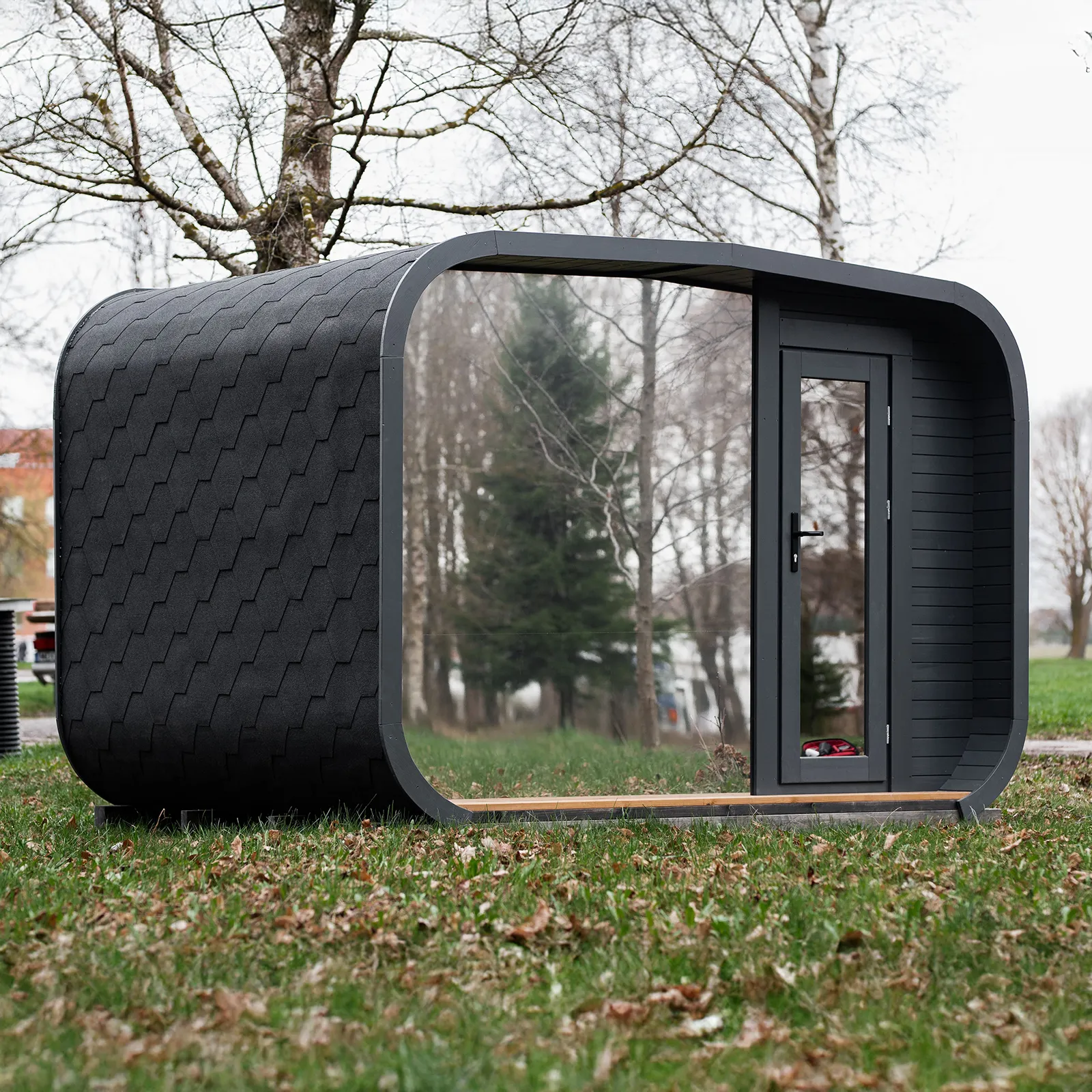
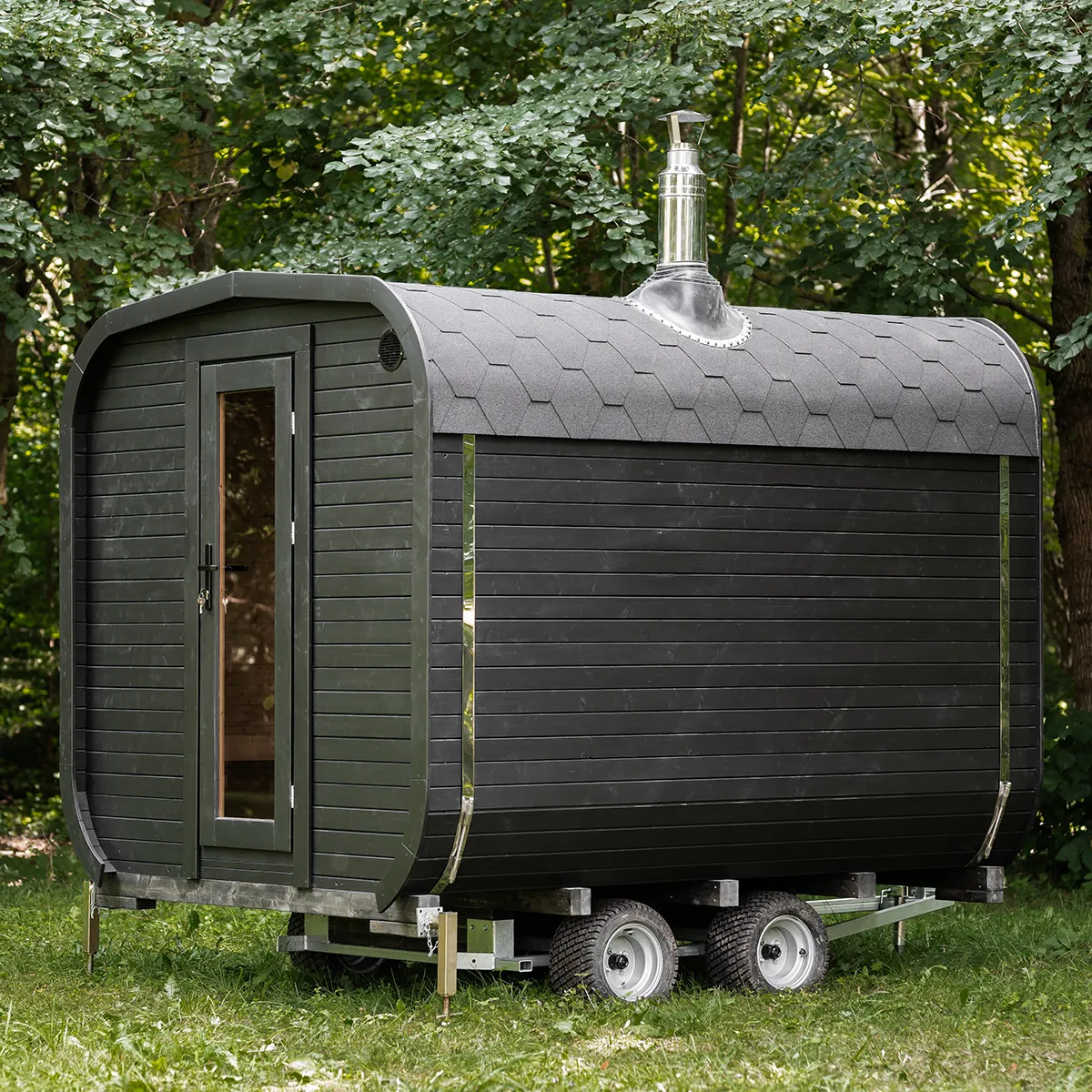
If you're thinking about a sauna for your home and want one you can dial in to the temperature that suits you, take a look at our outdoor sauna collection to see what a proper setup looks like. And if you've got questions about heaters, sizing, or which model fits your space, get in touch. We're always happy to give you a straight, honest answer.


.avif)


%201%20(1).avif)

.webp)
.webp)
.webp)
.webp)
.webp)
.webp)



















.webp)


.webp)
%20(2).jpg)
.webp)
.webp)










.svg)

.png)